Japanese Spindletree (Euonymus Japonicus)
Japanese spindletree, scientifically known as Euonymus japonicus, is a versatile and visually appealing evergreen shrub that belongs to the Celastraceae.
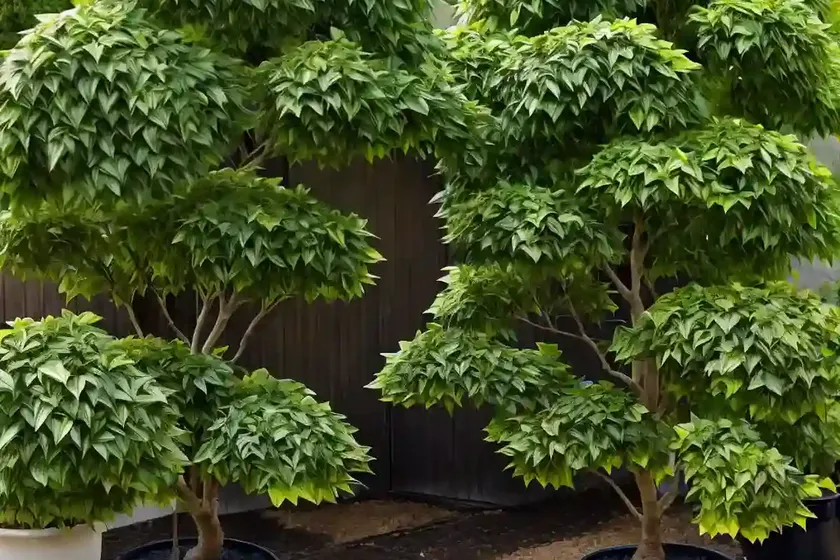

What is Plant: Japanese Spindletree (Euonymus japonicus)
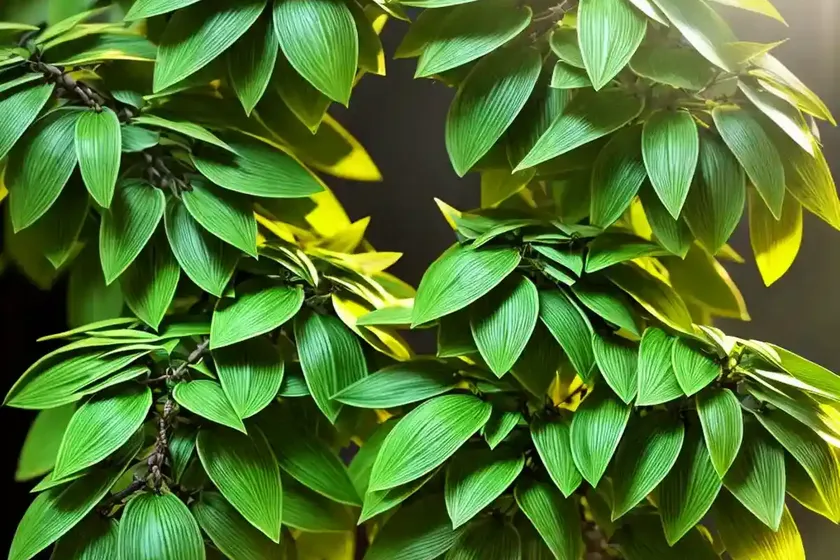
Japanese spindletree, scientifically known as Euonymus japonicus, is a versatile and visually appealing evergreen shrub that belongs to the Celastraceae family. With its dense and glossy foliage, it offers an excellent green backdrop, making it a favorite choice for ornamental hedges, landscaping, and container gardening. This broadleaf shrub is native to East Asia, particularly Japan, Korea, and China, where it grows abundantly in natural habitats.
Key Takeaways – Japanese Spindletree (Euonymus japonicus)
Before diving deeper into the world of Japanese spindletree, let’s provide an overview of the key takeaways associated with this captivating plant. From its cultural significance to its growth habits and landscaping potential, the following points aim to capture the essence of Euonymus japonicus in a nutshell.
- Cultural Significance: Japanese spindletree has an established cultural significance in East Asian countries, specifically Japan, where it is not just admired for its aesthetic appeal but also holds traditional medicinal and symbolic value.
- Growth Habits: This evergreen shrub is characterized by its upright and compact growth habit, making it an ideal choice for creating formal hedges or as a standalone ornamental plant in the landscape.
- Uses: Euonymus japonicus is versatile in its uses, being employed for ornamental purposes, medicinal properties, and as an effective air purifier in both indoor and outdoor settings.
- Propagation: Propagation of Japanese spindletree can be achieved through various methods such as seeds, cuttings, and layering, expanding its accessibility for gardening enthusiasts.
- Diseases and Pests: While generally resilient, Euonymus japonicus is susceptible to certain diseases and pests that warrant attention for its optimal growth and health.
- Pruning and Maintenance: Regular pruning is essential for shaping and managing the growth of Japanese spindletree, ensuring a lush and healthy appearance over time.
Culture
The cultural significance of Japanese spindletree stems from its widespread usage in various domains, including gardening, traditional medicine, and horticulture. Whether it’s appreciated for its aesthetic appeal, therapeutic properties, or air-purifying capabilities, Euonymus japonicus holds a special place in the hearts of plant enthusiasts and cultural practices in its native regions.
Uses
Ornamental Purposes
One of the primary uses of Japanese spindletree lies in its ornamental value. The lush, glossy green foliage and compact growth habit make it an ideal candidate for ornamental hedges, borders, and landscaping. Its evergreen nature allows it to retain its vibrant appearance throughout the year, providing a constant source of greenery in gardens and landscapes.
Medicinal Properties
In traditional Japanese medicine, various parts of the Euonymus japonicus plant, such as the roots and leaves, are utilized for their medicinal properties. The plant has been traditionally used to treat conditions such as rheumatism, arthritis, and skin disorders, owing to its believed anti-inflammatory and healing effects.
Air Purification
The dense foliage of Japanese spindletree enables it to effectively purify the air by absorbing pollutants and releasing oxygen. This makes it a valuable addition to indoor spaces, where it can contribute to improved air quality and create a refreshing atmosphere.
Water
Japanese spindletree exhibits moderate water needs, preferring well-drained soil and regular watering to maintain optimal growth. While it can tolerate short periods of drought, consistent watering during dry spells is essential, especially for young plants and newly established specimens. Overwatering should be avoided to prevent waterlogging and related issues.
Sunlight
In terms of sunlight requirements, Japanese spindletree thrives in partial to full sun conditions. It prefers locations with ample sunlight exposure, which promotes healthy growth and vibrant foliage. However, it can also tolerate partial shade, making it adaptable to a wide range of light conditions.
Fertilizer
Proper fertilization is crucial for promoting the growth and overall health of Japanese spindletree. A balanced, slow-release fertilizer formulated for evergreen shrubs can be applied in spring to support vigorous growth and maintain vibrant foliage. Additionally, organic mulch can be used to enrich the soil and improve its fertility over time.
Soil
The ideal soil for Japanese spindletree is well-drained, rich in organic matter, and slightly acidic to neutral in pH. It thrives in loamy or sandy loam soils that provide good drainage and aeration for the root system. Ensuring proper soil conditions is essential for the long-term health and vitality of Euonymus japonicus.
Pruning
Pruning Techniques
Regular pruning is essential for maintaining the desired shape and size of Japanese spindletree, especially when used for hedging or ornamental purposes. Pruning can be done to remove dead or overgrown branches, promote dense foliage growth, and shape the shrub according to aesthetic preferences. It is recommended to perform light pruning throughout the growing season to encourage bushy growth and an attractive appearance.
Pruning Schedule
The best time to prune Japanese spindletree is during the early spring before the new growth emerges. This allows for the removal of any winter damage and the shaping of the shrub before the onset of the growing season. Additional pruning can be carried out as needed throughout the year to maintain the desired appearance and size of the plant.
Propagation
Propagation Methods
Japanese spindletree can be successfully propagated through various methods, including:
- Seed Propagation: Collecting and sowing mature seeds in a suitable growing medium can produce new plants, although this method requires patience as it may take some time for the seeds to germinate and grow into viable seedlings.
- Cutting Propagation: Stem cuttings can be taken from healthy, mature plants and rooted in a propagation medium to produce new plants with genetic characteristics similar to the parent plant.
- Layering: Encouraging the stems of the shrub to root while still attached to the parent plant can result in new plants that can be later separated and transplanted.
Container Popularity
Due to its compact growth habit and ornamental appeal, Japanese spindletree is well-suited for container gardening. The shrub’s versatility allows it to thrive in containers, where it can be used to create green focal points, accentuate outdoor spaces, or adorn indoor environments with its lush foliage. When grown in containers, proper care should be taken to ensure adequate soil quality, drainage, and regular maintenance to support healthy growth.
Common Diseases
Disease Diagnosis
Although Japanese spindletree is generally resilient to many common plant diseases, it can be susceptible to certain issues that may affect its health and appearance:
- Leaf Spot: Fungal infections such as Cercospora leaf spot can cause dark, irregular spots on the leaves, potentially leading to leaf drop and reduced vigor.
- Powdery Mildew: White powdery patches on the foliage may indicate powdery mildew, a common fungal disease that can affect the overall appearance of the plant.
- Leaf Scorch: Environmental stressors, such as extreme heat or drought, can lead to leaf scorch, causing the edges of the leaves to turn brown and dry out.
Common Pests
Scale Insects: These pests can infest Japanese spindletree, causing damage by sucking sap from the plant, leading to weakened growth and potential decline if left untreated.
Aphids: Colonies of aphids can appear on the tender shoots and foliage, causing distortion and yellowing of the leaves, as well as the potential for viral transmission.
Spider Mites: These tiny pests can create fine webbing on the undersides of the leaves and cause stippling or discoloration, affecting the overall health of the plant.
Botanist’s Tips
Care Tips
To ensure the optimal growth and health of Japanese spindletree, consider the following care tips:
- Regular Monitoring: Routinely inspect the plant for any signs of pests, diseases, or environmental stress, addressing any issues promptly to prevent escalation.
- Proper Watering: Maintain consistent soil moisture levels, avoiding both waterlogging and drought stress, to support healthy growth and foliage development.
- Correct Pruning: Follow proper pruning techniques and schedules to shape the plant, remove dead or damaged growth, and promote bushy, dense foliage.
- Soil Maintenance: Ensure that the soil is well-drained, fertile, and suitable for the growth requirements of Japanese spindletree, amending it as needed to optimize conditions.
Fun Facts
- Cultural Significance: In Japanese folklore, the wood of Euonymus japonicus was believed to ward off evil spirits, leading to its use in crafting protective amulets and talismans.
- Wildlife Interaction: Japanese spindletree can attract birds and small mammals, providing shelter and potential food sources, contributing to the overall biodiversity of the area.
Links to External Resources
For further exploration of Japanese spindletree and related topics, consider the following external resources:
- Royal Horticultural Society – Euonymus japonicus
- Missouri Botanical Garden – Euonymus japonicus
- University of Florida IFAS Extension – Euonymus japonicus
- American Society for the Prevention of Cruelty to Animals – Euonymus japonicus Toxicity
In conclusion, Japanese spindletree (Euonymus japonicus) stands out as a multi-faceted plant with an intriguing blend of ornamental, cultural, and ecological attributes. Its adaptability, ornamental value, and diverse uses make it a compelling choice for plant enthusiasts, gardeners, and landscapers alike. By understanding its cultural significance, growth requirements, and maintenance practices, individuals can fully appreciate and harness the potential of this captivating evergreen shrub. Whether used in traditional medicine, as a landscape focal point, or as a source of biodiversity, Japanese spindletree continues to charm and inspire those who encounter it.
By delving into the world of Japanese spindletree, one can uncover a rich tapestry of history, horticulture, and natural beauty, replete with countless opportunities for learning, appreciation, and cultivation. As we embrace the allure of Euonymus japonicus, let us continue to celebrate and foster the deep-rooted connections between plants, culture, and the natural world.