Everything You Need to Know About Japanese Snowball (Viburnum plicatum f. tomentosum ‘Roseum’)
Introduction
Plants are a vital and diverse component of our ecosystem, playing a crucial role in maintaining the balance of nature. Among the plethora of plant species you can encounter, Viburnum plicatum f. tomentosum ‘Roseum’, commonly known as the Japanese snowball, stands out as an exquisite ornamental plant. In this comprehensive guide, we will explore the captivating world of Japanese snowball, covering everything from its culture and uses to its diseases and pests.
What is Japanese Snowball (Viburnum plicatum f. tomentosum ‘Roseum’)?
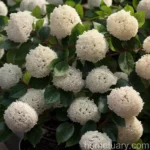
Japanese snowball, scientifically named Viburnum plicatum f. tomentosum ‘Roseum’, is a deciduous shrub that belongs to the Adoxaceae family. It is native to East Asia, specifically Japan, Korea, and China. The plant is renowned for its elegant, showy, white flower clusters that resemble snowballs, hence its name.
Key Takeaways
Before delving into the specifics of Japanese snowball, let’s take a moment to encapsulate its key characteristics and attributes. The plant is also known as the “Japanese snowball bush” and “Snowball hydrangea,” and its various names include “Doublefile viburnum,” “Roseum viburnum,” “Snowball viburnum,” and “Japanese snowball shrub.”
Now, let’s explore the essential aspects of cultivating and caring for Japanese snowball, including its culture, uses, water requirements, sunlight preferences, fertilizer needs, ideal soil conditions, pruning techniques, propagation methods, and its popularity in containers.
Culture
Japanese snowball thrives in temperate regions with well-drained soil and partial to full sun exposure. It is renowned for its exceptional ornamental value, making it a popular choice for garden landscapes and ornamental gardens. Let’s delve deeper into the specific cultural requirements that are essential for the optimal growth of Japanese snowball.
Uses
Japanese snowball is extensively used for ornamental purposes, adding a touch of elegance and beauty to landscapes and gardens. Its striking white flower clusters and distinctive foliage make it a preferred choice for hedges, borders, and standalone ornamental plantings.
Water
Proper watering is essential for the overall health and vigor of Japanese snowball. It prefers moist, well-drained soil and regular watering, especially during periods of prolonged drought or dry spells. However, it is crucial to avoid waterlogging, as excessive moisture can lead to root rot and other detrimental issues.
Sunlight
Japanese snowball thrives in partial to full sun, requiring at least 4-6 hours of direct sunlight daily for optimal growth and flowering. While it can tolerate partial shade, adequate sunlight is essential to promote robust growth and abundant blooming.
Fertilizer
To support healthy growth and prolific flowering, Japanese snowball benefits from regular fertilization. A balanced, slow-release fertilizer applied in early spring can provide the necessary nutrients for vibrant foliage and abundant blossoms.
Soil
The ideal soil for Japanese snowball is well-drained, fertile, and slightly acidic to neutral in pH. Amending the soil with organic matter such as compost or peat moss can enhance its structure and fertility, creating an optimal growing environment for the plant.
Pruning
Pruning is integral to maintaining the desired shape, size, and overall health of Japanese snowball. It is recommended to prune the plant after the flowering period to remove dead or overgrown branches, promote air circulation, and encourage vigorous growth.
Propagation
Japanese snowball can be propagated through various methods, including softwood cuttings, hardwood cuttings, or division. Each propagation method has its unique requirements and best practices, allowing gardeners to propagate the plant successfully and expand their collection.
Container Popularity
Japanese snowball is well-suited for container cultivation, adding a touch of elegance to patios, balconies, and small gardens. Its compact growth habit and exquisite flowers make it a popular choice for container gardening enthusiasts.
Common Diseases
Like all plants, Japanese snowball is susceptible to certain diseases that can impact its health and vitality. Being aware of the common diseases and their potential treatments is crucial for effectively preserving the beauty and vigor of the plant.
Disease Diagnosis
Some of the common diseases that affect Japanese snowball include powdery mildew, leaf spot, and crown gall. Proper diagnosis, early detection, and appropriate treatment measures are essential for effectively managing and mitigating the impact of these diseases.
Common Pests
In addition to diseases, Japanese snowball may also be vulnerable to various pests that can compromise its growth and aesthetics. Understanding the common pests and implementing suitable pest control strategies is essential for safeguarding the plant from potential infestations.
Botanist’s Tips
As a plant scientist with a deep appreciation for the captivating world of Japanese snowball, I have gathered a wealth of insights and tips to help fellow enthusiasts cultivate and care for this splendid ornamental shrub. From cultural nuances to pest management, these tips are designed to empower gardeners and horticulturists in nurturing thriving Japanese snowball plants.
Fun Facts
To further enrich our understanding and appreciation of Japanese snowball, let’s explore some fascinating and lesser-known facts about this enchanting plant. These fun facts shed light on its cultural significance, historical relevance, and ecological contributions, offering a holistic perspective on the plant’s multifaceted nature.
Links to External Resources
To expand your knowledge and glean additional insights into Japanese snowball (Viburnum plicatum f. tomentosum ‘Roseum’), I have compiled a curated list of reputable external resources. These sources provide in-depth information, diverse perspectives, and valuable guidance on the cultivation, maintenance, and appreciation of this remarkable ornamental shrub.
As we conclude this comprehensive guide, I hope that you have gained a deeper understanding of Japanese snowball and are inspired to cultivate, nurture, and cherish this exquisite plant. Its ethereal beauty, ornamental value, and cultural significance make it a timeless favorite among gardeners and nature enthusiasts worldwide. By embracing the art and science of horticulture, we can continue to celebrate and safeguard the natural splendor of plants like Japanese snowball, enriching our lives and the environment in the process.