Japanese Pine (Pinus Thunbergii)
Japanese pine (Pinus thunbergii), also known as Japanese black pine, is a species of pine native to coastal areas of Japan and South Korea. It is a.
Introduction
Japanese pine (Pinus thunbergii), also known as Japanese black pine, is a species of pine native to coastal areas of Japan and South Korea. It is a beautiful evergreen tree that is well-loved for its elegant appearance and versatility in landscapes. In this comprehensive guide, we will explore the key aspects of Japanese pine, including its cultural significance, uses, care requirements, and common diseases and pests. Whether you are a seasoned gardener, a landscape designer, or someone who simply admires the beauty of Japanese pine, this article aims to provide valuable insights into this incredible plant species.
What is Japanese Pine?
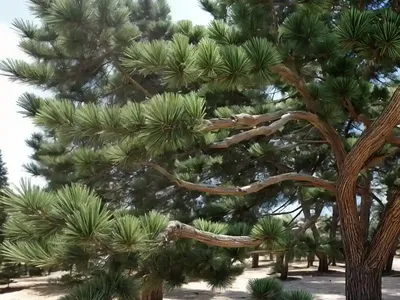
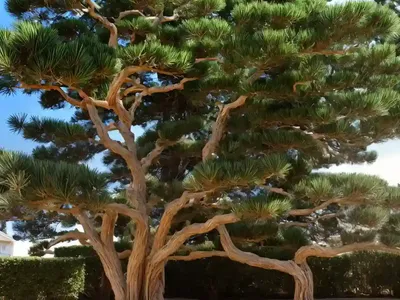
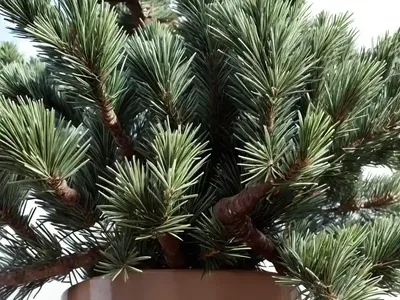
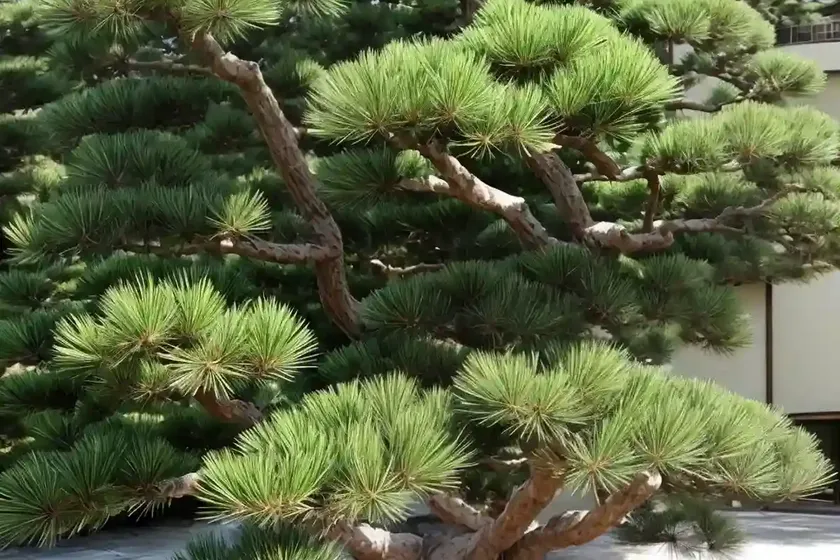
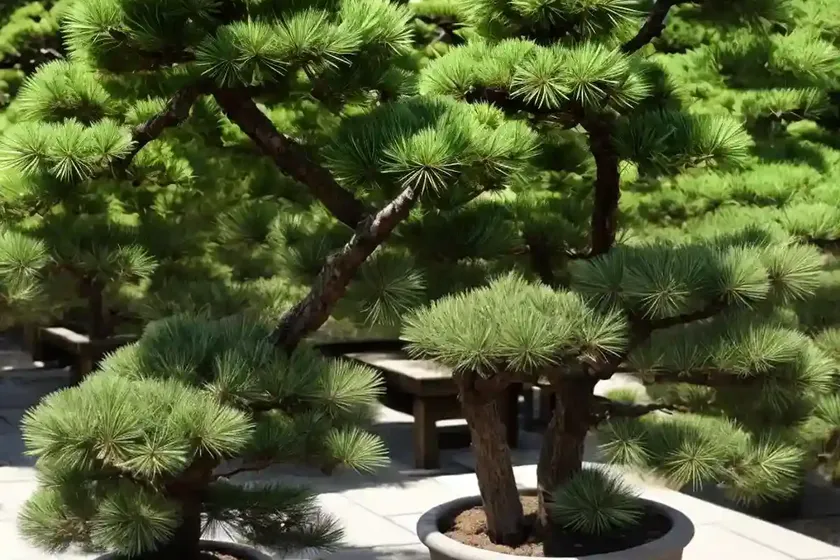
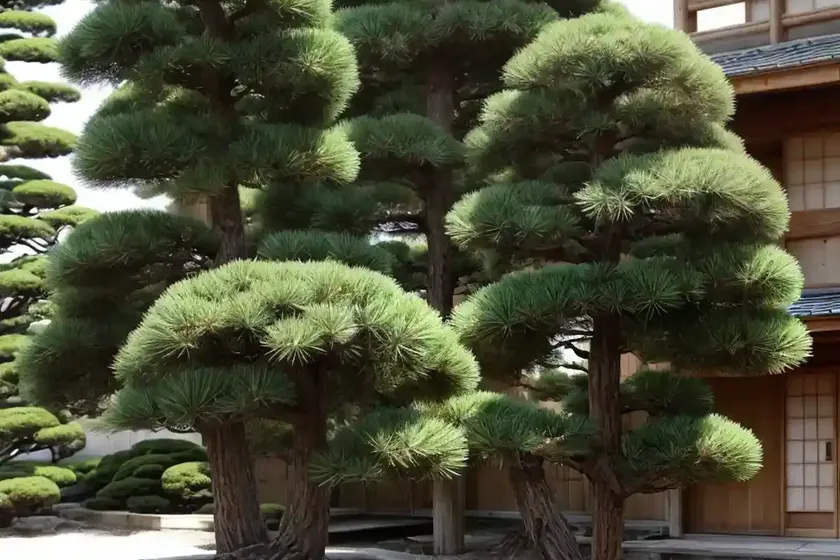
Japanese pine, scientifically known as Pinus thunbergii, belongs to the Pinaceae family and is renowned for its distinctive dark green needles and rugged, picturesque bark. It is a slow-growing tree that can reach heights of up to 40 feet, with a spread of around 20 feet. The characteristically twisted, dark green needles and asymmetrical form of Japanese pine contribute to its unique aesthetic appeal. Additionally, its ability to adapt to a variety of soil conditions and its resilience against salt spray make it a popular choice for coastal landscapes.
Key Takeaways
Japanese Pine: Pinus thunbergii
- Culture:
- Native to coastal regions of Japan and South Korea
- Admired for its elegant appearance and adaptability
-
Symbolic significance in Japanese culture
-
Uses:
- Ornamental tree in gardens and landscapes
- Timber production
-
Medicinal and symbolic uses in traditional Japanese culture
-
Water:
- Moderate water needs
- Drought-tolerant once established
-
Regular watering is crucial during the establishment phase
-
Sunlight:
- Full sun for optimal growth
- Partial shade in hot climates
-
Tolerates coastal conditions and wind exposure
-
Fertilizer:
- Balanced fertilizer in spring
- Minimal fertilizer requirements once established
-
Avoid excessive nitrogen to prevent excessive foliage growth
-
Soil:
- Well-drained, acidic soil
- Tolerant of sandy and rocky soils
-
Avoid waterlogged or highly alkaline soils
-
Pruning:
- Prune for shaping and maintenance
- Minimal pruning requirements
-
Pruning in late winter or early spring
-
Propagation:
- Seed propagation
- Grafting and cutting methods
-
Patience required due to slow growth rate.
-
Container Popularity:
- Suitable for large containers when young
- Transfer to ground when mature
-
Ideal for coastal container gardening
-
Common Diseases:
- Needle blight
- Rust diseases
-
Root rot in poorly drained soils
-
Common Pests:
- Pine sawfly
- Pine tip moth
- Scale insects
Culture
Native Habitat
Japanese pine (Pinus thunbergii) is native to coastal regions of Japan and South Korea, where it thrives in sandy dunes and rocky coastal areas. Its ability to withstand salt spray and harsh coastal conditions has made it a valuable addition to coastal landscapes around the world. In its natural habitat, Japanese pine often grows in association with other coastal plants and contributes to the stabilization of sand dunes and coastal ecosystems.
Symbolic Significance
In Japanese culture, the Japanese pine holds deep symbolic significance and is often associated with longevity, steadfastness, and resilience. Its use in traditional Japanese gardens and its portrayal in art and literature reflect its cultural importance and revered status. The intricate and seemingly contorted form of the Japanese pine is admired for its resilience and ability to withstand coastal winds, making it a powerful symbol of endurance and strength.
Ornamental Value
When introduced to landscapes beyond its native range, Japanese pine quickly gained popularity as an ornamental tree. Its unique form, dark green needles, and distinctive bark make it a striking focal point in gardens and park landscapes. Whether planted as a solitary specimen or in small groups, the beauty of Japanese pine adds depth and character to both urban and natural settings.
Uses
Timber Production
The wood of Japanese pine is highly valued for its strength and durability, making it a sought-after material for furniture, construction, and woodworking. The fine grain and rich color of the wood make it a versatile choice for various woodworking applications. Additionally, the resin extracted from the bark of Japanese pine has been used historically for its adhesive properties in traditional Japanese joinery and woodworking.
Medicinal and Symbolic Uses
In traditional Japanese culture, the needles, bark, and resin of the Japanese pine have been utilized for their medicinal properties. Extracts from the tree have been used in traditional herbal remedies for their purported anti-inflammatory and analgesic properties. Furthermore, due to its symbolic association with longevity and resilience, the Japanese pine is often featured in traditional ceremonies and rituals as a representation of enduring strength and grace.
Care Requirements
Water
Japanese pine trees have moderate water needs and are relatively drought-tolerant once established. During the initial establishment phase, it is crucial to provide regular watering to ensure proper root development. In coastal areas, the tree may receive sufficient moisture from salt spray and humidity, reducing the need for frequent irrigation. However, periods of extended drought should prompt supplemental watering to maintain the tree’s health and vigor.
Sunlight
For optimal growth and development, Japanese pine trees require full sun exposure. In hot climates, they benefit from partial shade during the intense hours of midday sun. The trees exhibit remarkable adaptability to coastal conditions and are often exposed to strong winds and salt spray in their natural habitat. As a result, they are well-suited to locations with ample sunlight and coastal influences, making them ideal choices for seaside gardens and landscapes.
Fertilizer
During the growing season, a balanced fertilizer can be applied to Japanese pine trees in early spring. Care should be taken to avoid excessive nitrogen, as this can lead to excessive foliage growth at the expense of overall tree health. Once the trees are established and exhibiting healthy growth, minimal fertilization is necessary. Over-fertilization should be avoided, as Japanese pine trees are well-adapted to nutrient-poor coastal soils and may be sensitive to excessive fertilizer applications.
Soil
Japanese pine trees thrive in well-drained, acidic soils with a pH range of 5.0 to 6.0. They are tolerant of sandy and rocky soils, making them well-suited for coastal landscapes and dune stabilization projects. However, it is essential to avoid waterlogged or highly alkaline soils, as these conditions can compromise the health and vigor of the trees. Soil amendments such as organic matter or mulch can be beneficial for moisture retention and soil structure improvement.
Pruning
Pruning of Japanese pine trees is primarily undertaken for shaping and maintenance purposes. The distinctive form and growth habit of the tree often require minimal intervention, and excessive pruning should be avoided to preserve its natural beauty. Pruning is typically carried out in late winter or early spring to remove dead or damaged branches and maintain the desired shape of the tree. Care should be taken to sterilize pruning tools to prevent the spread of diseases.
Propagation
Propagation of Japanese pine trees can be achieved through various methods, including seed propagation, grafting, and cutting. Due to the tree’s slow growth rate, patience is essential when propagating Japanese pine. From seed sowing to the eventual development of a mature tree, the process can take several years. Grafting and cutting methods may offer a more expedited way to propagate desired cultivars or varieties of Japanese pine, allowing for the retention of specific traits or characteristics.
Container Popularity
Due to its slow growth rate and ornamental value, Japanese pine trees are popular choices for container gardening, particularly when young. They can be grown in large containers on patios, balconies, or in urban settings, providing a striking focal point in outdoor spaces. As the trees mature, they may outgrow their containers and require transplanting into the ground. The adaptability of Japanese pine trees to coastal conditions makes them an excellent choice for container gardening in seaside locations.
Common Diseases and Pests
Common Diseases
Japanese pine trees are susceptible to certain diseases that can impact their health and vigor. Some of the common diseases include:
- Needle Blight: Caused by fungi, needle blight can result in browning and premature shedding of needles, affecting the overall appearance of the tree.
- Rust Diseases: Various rust pathogens can infect Japanese pine trees, leading to the development of rust-colored pustules on the needles and branches.
- Root Rot: In poorly drained soils, root rot can occur, leading to reduced vigor, stunted growth, and eventual decline of the tree.
Disease Diagnosis
Early detection and diagnosis of diseases are crucial for implementing effective management strategies. Regular inspections of the tree for signs of discoloration, lesions, or abnormal growth should be conducted. In the event of suspected disease symptoms, consulting with a plant pathologist or certified arborist can provide invaluable insights and guidance for appropriate treatment measures.
Common Pests
Japanese pine trees can be targeted by several pests that can impact their growth and vitality. Some of the common pests include:
- Pine Sawfly: Larvae of the pine sawfly can consume the needles of Japanese pine trees, leading to defoliation and reduced photosynthetic capacity.
- Pine Tip Moth: The larvae of the pine tip moth can bore into the terminal shoots of the tree, resulting in dieback and reduced growth.
- Scale Insects: Scale insects can infest Japanese pine trees, leading to the development of scale coverings on the branches and needles, impacting overall tree health.
Management Strategies
Implementing integrated pest management practices, including promoting tree health through proper cultural care, monitoring for early pest detection, and implementing targeted control measures when necessary, can help mitigate the impact of diseases and pests on Japanese pine trees. Consultation with a certified arborist or horticultural professional can provide valuable guidance on disease and pest management specific to Japanese pine trees.
Botanist’s Tips
-
Coastal Adaptability: Japanese pine trees exhibit remarkable adaptability to coastal conditions, including salt spray, strong winds, and sandy soils. Incorporating them into coastal landscapes and dune stabilization projects can leverage their resilience and aesthetic appeal.
-
Cultural Significance: Understanding the cultural significance of Japanese pine trees can deepen the appreciation for their beauty and longevity. Exploring their historical and symbolic uses in traditional Japanese culture can provide a richer understanding of their significance in landscapes.
-
Soil Considerations: When planting Japanese pine trees, attention to soil pH, drainage, and structure is crucial for their long-term health and vigor. Conducting soil tests and implementing appropriate soil amendments can enhance their growth and vitality.
-
Integrated Pest Management: Adoption of integrated pest management practices can contribute to the preservation of Japanese pine trees by minimizing the impact of diseases and pests. Regular monitoring and prompt intervention can help maintain tree health and resilience.
Fun Facts
-
Japanese pine trees are often depicted in traditional Japanese art and utilized as symbols of resilience and longevity in cultural contexts.
-
The twisted and contorted form of Japanese pine trees is the result of their adaptation to coastal winds and their ability to withstand harsh environmental conditions.
-
Japanese pine trees have been revered for centuries in Japanese culture and are often associated with the principles of strength, endurance, and steadfastness.
Links to External Resources
Conclusion
Japanese pine (Pinus thunbergii) stands as a testament to the enduring beauty and adaptability of plant species. From its cultural significance in Japanese traditions to its valued presence in ornamental landscapes, this iconic tree continues to inspire admiration and awe. As we delve deeper into the care and cultivation of Japanese pine, we uncover a rich tapestry of history, symbolism, and horticultural appreciation. Whether gracing coastal gardens, enhancing urban landscapes, or serving as a timber resource, the Japanese pine exemplifies the enduring power of nature and the meaningful connections it fosters across cultures and generations. With a commitment to its cultural significance and a dedication to its thriving vitality, the Japanese pine stands as a timeless embodiment of strength and grace.
Keywords: Japanese black pine, Pinus thunbergii, Japanese pine tree, Thunberg’s pine, Japanese pinus, black pine tree, Pinus thunbergiana, Japanese black pine tree, Thunberg’s black pine, Japanese pinus thunbergii, Pinus thunbergii benefits, Japanese pine facts, Pinus thunbergii care, Japanese black pine varieties, Thunberg’s pine characteristics, Japanese pinus thunbergii description, Pinus thunbergii uses, Japanese black pine decor, Thunberg’s pine cultivation tips, Japanese pine tree symbolism, Pinus thunbergii medicinal properties, Japanese black pine gardening, Thunberg’s pine landscape design, Japanese pinus thunbergii history, Pinus thunbergii planting guide, Japanese pine tree pruning, Japanese black pine bonsai, Thunberg’s pine diseases, Japanese pinus thunbergii adaptations, Pinus thunbergii growth rate, Japanese black pine in traditional Japanese gardens, Thunberg’s pine ecological importance, Japanese pine tree in Japanese folklore, Pinus thunbergii as a windbreak tree, Japanese black pine for coastal areas, Thunberg’s pine ornamental uses, Japanese pinus thunbergii in winter, Pinus thunbergii as a timber tree, Japanese pine tree invasiveness, Japanese black pine landscape ideas, Thunberg’s pine as a street tree, Japanese pinus thunbergii in bonsai culture, Pinus thunbergii as a traditional herbal remedy, Japanese black pine for erosion control, Thunberg’s pine fragrance, Japanese pine tree pruning techniques, Pinus thunbergii as a shade tree, Japanese black pine in coastal gardens, Thunberg’s pine as a specimen tree, Japanese pinus thunbergii in traditional tea ceremonies