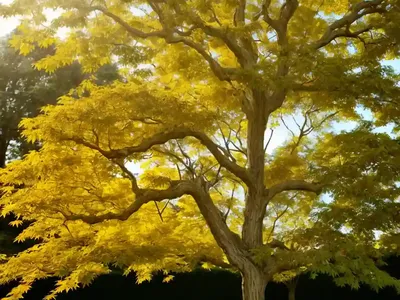
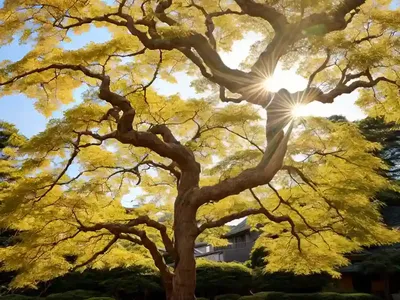
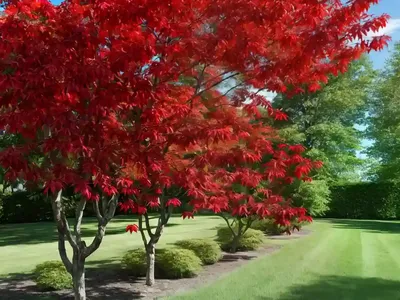
Japanese Maple (Acer Palmatum)
Whether you are a seasoned gardener or just starting your journey with plants, there’s something truly enchanting about the Japanese maple (Acer palmatum)..
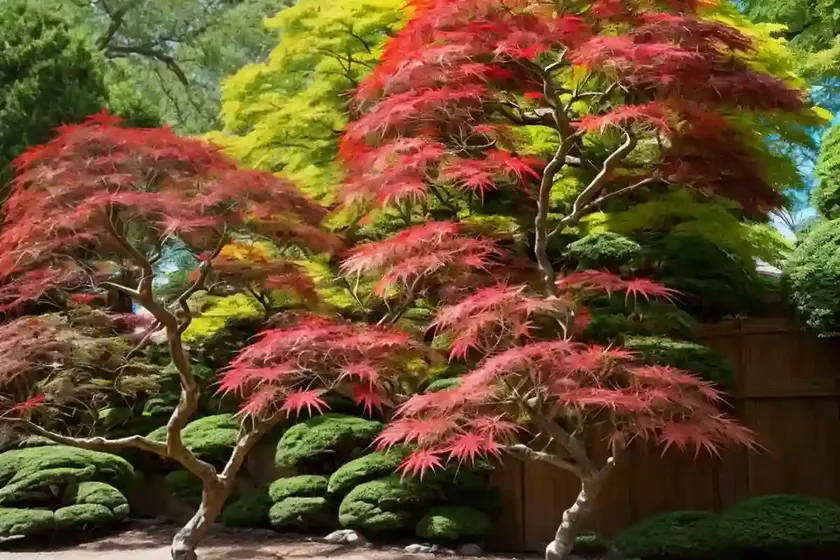
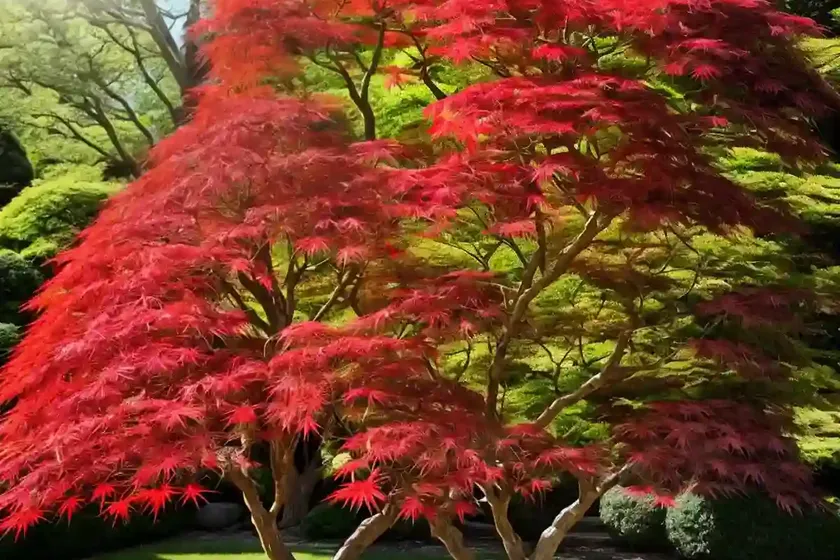
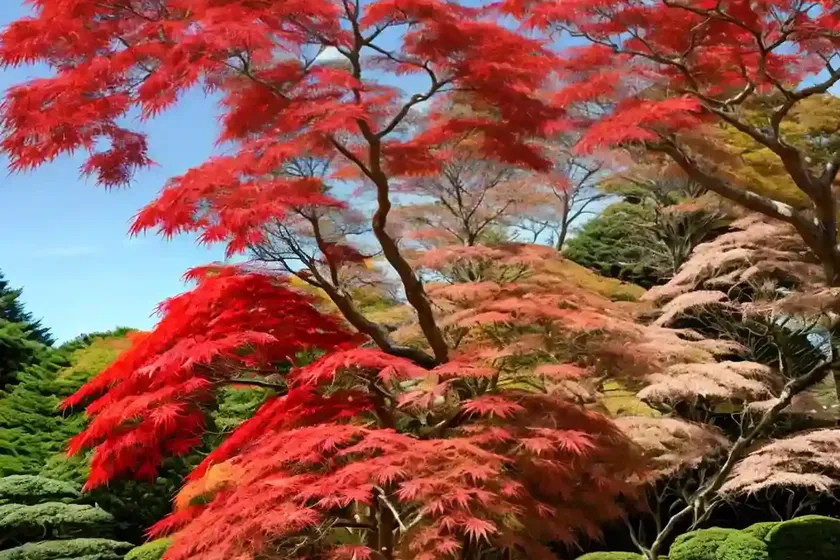
Whether you are a seasoned gardener or just starting your journey with plants, there’s something truly enchanting about the Japanese maple (Acer palmatum). The Acer palmatum, also known as the Japanese maple, is especially admired for its vibrant and diverse foliage, making it a favorite choice for landscaping, container gardening, and bonsai cultivation.
In this comprehensive guide, we will delve into every aspect of the Japanese maple – from its cultural significance and uses to its specific water, sunlight, and fertilization requirements. We’ll explore propagation techniques, pruning methods, and crucial soil conditions conducive to its growth. Additionally, we will address the common diseases and pests that affect this beloved plant species and share botanist’s tips, fun facts, and a wealth of resources to support your journey in cultivating and caring for the Japanese maple.
What is a Japanese Maple (Acer palmatum)?
The Japanese maple, scientifically known as Acer palmatum, is a species of woody plant native to Japan, Korea, and China. Belonging to the family Sapindaceae, it is a deciduous shrub or small tree that typically grows to a height of 6 to 10 meters. What sets the Japanese maple apart and endears it to horticulturists and garden enthusiasts are its distinctive, palmate leaves and its stunning autumn colors. Acer palmatum displays a wide range of leaf shapes, colors, and sizes, adding an element of natural artistry to any landscape or garden.
Key Takeaways – Japanese Maple (Acer palmatum)
To truly appreciate and cultivate the Japanese maple successfully, it is essential to understand its fundamental characteristics and requirements. Let’s explore the key takeaways related to the cultural significance, uses, and essential care considerations for Acer palmatum.
Culture
- Japanese maple (Acer palmatum) holds immense cultural significance in Japanese and East Asian traditions, often symbolizing beauty, grace, and peace.
- It is highly valued for its ornamental properties and is a popular choice for landscaping, container gardening, and bonsai cultivation.
Uses
- Widely utilized for landscaping and ornamental gardening due to its vibrant foliage, unique leaf shapes, and striking autumn colors.
- The Japanese maple is also cherished for its suitability as a container plant and for its adaptability to bonsai cultivation.
Water
- Adequate and consistent moisture is crucial for the health and vitality of the Japanese maple, particularly during its early establishment and in periods of drought.
- Proper watering practices, including avoiding waterlogging and ensuring well-draining soil, are essential for the plant’s overall well-being.
Sunlight
- While the Japanese maple thrives in partial shade or dappled sunlight, it also requires some direct sunlight to develop its vibrant foliage and promote robust growth.
- Intense, prolonged exposure to harsh sunlight should be avoided to prevent leaf scorch and maintain the plant’s vigor.
Fertilizer
- Balanced fertilization, using a slow-release or organic fertilizer, supports the Japanese maple’s growth and ensures the development of healthy foliage and root system.
- Care should be taken to avoid excessive nitrogen, which can potentially harm the plant and lead to undesirable growth patterns.
Soil
- Well-drained, slightly acidic soils are ideal for cultivating the Japanese maple, promoting healthy root development and preventing waterlogged conditions.
- Incorporating organic matter and ensuring adequate aeration are crucial for maintaining optimal soil conditions for Acer palmatum.
Pruning
- Pruning is essential to shape and maintain the Japanese maple’s desired form, remove dead or diseased wood, and manage its size and density.
- Careful attention should be paid to pruning techniques and timing to minimize stress and ensure the plant’s resilience.
Propagation
- Propagation of the Japanese maple can be achieved through various methods, including seed sowing, grafting, and stem cuttings.
- Each propagation method offers unique advantages and challenges, requiring a tailored approach based on the desired outcomes and resources available.
Container Popularity
- The Japanese maple’s adaptability to container gardening makes it a sought-after choice for patio, balcony, and urban gardens, providing an elegant focal point in limited spaces.
Container Common Diseases
- When cultivated in containers, Acer palmatum can be susceptible to certain diseases, necessitating proactive measures for prevention and management.
Disease Diagnosis
- Recognizing and diagnosing common diseases affecting the Japanese maple is essential for implementing appropriate treatments and preventive measures to maintain its health and vitality.
Common Pests
- Various pests, such as aphids, scale insects, and caterpillars, can pose a threat to the Japanese maple, requiring vigilance and strategic pest management strategies.
Botanist’s Tips
- Expert insights and recommendations from botanists and horticulturalists can enhance your understanding of the Japanese maple’s unique requirements and foster its optimal growth.
Fun Facts
- Exploring fascinating and lesser-known facts about the Japanese maple can deepen your appreciation for this remarkable plant species.
Now that we’ve covered the essential aspects of the Japanese maple, let’s delve into each key takeaway in greater detail, offering actionable insights and practical guidance for effectively caring for and appreciating Acer palmatum.
Acer palmatum Care: Meeting the Unique Needs of Japanese Maple
As with any plant species, understanding and fulfilling the specific care requirements of the Japanese maple are central to its successful cultivation and long-term health. Let’s explore the care considerations for Acer palmatum, addressing its water, sunlight, soil, and fertilization needs.
Japanese Maple Varieties: Embracing Diversity and Distinction
The Acer palmatum species encompasses a rich assortment of varieties, each distinguished by its unique leaf shapes, colors, growth habits, and seasonal transformations. From the delicate, lacy foliage of the Dissectum group to the vibrant hues of the Atropurpureum cultivars, Japanese maple enthusiasts have an abundance of options to explore.
When selecting Japanese maple varieties for your garden or landscape, it’s essential to consider factors such as the available space, the desired visual impact, and the environmental conditions of the cultivation site. Let’s take a closer look at some of the popular Acer palmatum varieties, their distinctive attributes, and the considerations involved in accommodating their specific needs.
Growing Acer palmatum: Nurturing Vitality and Resilience
Cultivating the Japanese maple begins with understanding the key factors that contribute to its vigorous growth and overall well-being. Providing the optimal growing conditions, including suitable soil, appropriate levels of sunlight, and regular watering, is fundamental to fostering the Japanese maple’s vitality and resilience.
Acer palmatum Pruning: Artful Shaping and Maintenance
Pruning plays a pivotal role in shaping the aesthetic appeal and structural integrity of the Japanese maple. By employing prudent pruning techniques and adhering to proper timing, gardeners can effectively manage the plant’s size, density, and ornamental form while promoting air circulation and light penetration, vital for its health and vigor.
Japanese Maple Tree: A Captivating Icon of Natural Beauty
The Japanese maple, in its tree form, embodies an enduring symbol of natural beauty, revered for its graceful silhouette, alluring foliage, and captivating seasonal changes. Whether as a standalone specimen or integrated into a larger landscape composition, the Japanese maple tree possesses an inherent capacity to evoke wonder and admiration.
Within the context of landscape design, careful consideration should be given to the Japanese maple’s placement, its role in enhancing visual interest, and its harmonious interaction with surrounding elements. Let’s explore the strategic use of Acer palmatum in the landscape, along with practical insights for integrating this iconic tree species into diverse garden settings.
Acer palmatum: Nurturing Health and Resilience
The care and maintenance of the Japanese maple (Acer palmatum) hinge on an informed understanding of its specific requirements and a proactive approach to addressing potential challenges. Equipped with knowledge about the plant’s cultural significance, uses, and essential care considerations, you are well-prepared to embark on a rewarding journey of cultivating and cherishing the captivating Acer palmatum.
Japanese Maple Fertilization: Sustaining Vitality and Beauty
Fertilization is central to the sustained health and aesthetic appeal of the Japanese maple, providing essential nutrients and supporting robust growth and vibrant foliage. However, a prudent approach to fertilization, mindful of the plant’s distinct preferences and potential sensitivities, is vital for promoting its vitality and long-term beauty.
Acer palmatum Diseases: Safeguarding Against Common Afflictions
Though renowned for its resilience, the Japanese maple (Acer palmatum) is not impervious to diseases that can compromise its health and ornamental value. By familiarizing yourself with the common diseases that affect this beloved plant species and adopting preventive measures and prompt treatment strategies, you can safeguard its well-being and ensure its enduring beauty.
Japanese Maple Leaves: A Kaleidoscope of Elegance and Diversity
The enchanting foliage of the Japanese maple is renowned for its diverse array of leaf shapes, colors, and textures, elevating the plant to an iconic status in ornamental gardening and horticulture. Exploring the captivating nuances of the Acer palmatum’s leaves offers a window into its timeless allure and the boundless opportunities for creative expression and visual delight it presents.
Acer palmatum in Landscape: Harmonizing Beauty and Purpose
The strategic integration of Acer palmatum into landscape compositions offers an enchanting opportunity to harmonize natural beauty with functionality, visual interest, and emotional resonance. By embracing thoughtful design principles and leveraging the distinctive characteristics of the Japanese maple, gardeners and landscape enthusiasts can elevate the aesthetic appeal and experiential richness of outdoor spaces.
Japanese Maple Watering: Nurturing Essential Hydration
Appropriate and timely watering is foundational to the health and vitality of the Japanese maple, ensuring that it receives essential hydration to support active growth, robust foliage development, and overall resilience. By adopting mindful watering practices and attuning to the plant’s moisture needs, you can nurture the Japanese maple to thrive in diverse gardening settings.
Acer palmatum Soil Conditions: Cultivating Optimal Grounds
Attending to the unique soil preferences of the Japanese maple (Acer palmatum) is pivotal to establishing the optimal foundation for its growth and overall health. By creating and maintaining favorable soil conditions, inclusive of proper drainage, balanced moisture levels, and adequate nutrient availability, you can fortify the Japanese maple’s resilience and vitality.
Japanese Maple Pruning Techniques: Art and Science in Harmony
Pruning the Japanese maple demands a delicate balance between artistic sensibility and scientific precision, with the goal of enhancing the plant’s aesthetic appeal, structural integrity, and long-term health. By mastering effective pruning techniques and aligning them with the seasonal rhythms and growth patterns of Acer palmatum, you can cultivate its iconic beauty and enduring vigor.
Acer palmatum Maturity Size: Anticipating Growth and Spatial Needs
Understanding the expected maturity size of the Japanese maple is essential for planning and positioning it within garden settings, ensuring adequate space for its natural growth and structural development. By factoring in the plant’s eventual size and form, you can create a harmonious and sustainable environment that allows Acer palmatum to flourish and enrich its surroundings.
Japanese Maple Leaf Colors: Embracing Seasonal Splendor
The mesmerizing transformation of the Japanese maple’s foliage during the autumn season is a testament to nature’s artistry, presenting a diverse palette of colors, hues, and textures that capture the imagination and stir the soul. Embracing the seasonal splendor of Acer palmatum’s leaf colors offers an opportunity to experience and celebrate the ephemeral beauty in the cycle of growth and renewal.
Acer palmatum Growth Rate: Charting Progress and Potential
The growth rate of the Japanese maple (Acer palmatum) varies among its diverse varieties and is influenced by environmental conditions, cultural practices, and inherent genetic traits. By appraising the growth rate of specific cultivars and adapting cultivation strategies accordingly, you can foster their optimal development and revel in the dynamic vitality they bring to garden environments.
Japanese Maple Root System: Sustaining Vital Connections
The root system of the Acer palmatum plays a critical role in anchoring the plant, absorbing essential nutrients and water, and fostering its overall health and resilience. Understanding the intricacies of the Japanese maple’s root system and implementing measures to sustain its vitality are fundamental to ensuring the long-term viability and ornamental value of the plant.
Acer palmatum Winter Care: Nurturing Resilience and Vitality
Winter care practices tailored to the unique needs of the Japanese maple are vital for safeguarding its health, resilience, and ornamental beauty through the challenges of the colder months. By implementing protective measures and sustenance strategies, you can nurture Acer palmatum to thrive and emerge in spring with renewed vitality and grace.
Japanese Maple Indoor Care: Adapting to Enclosed Spaces
The adaptability of the Japanese maple to indoor cultivation offers a compelling opportunity to bring its captivating beauty and natural charm into living spaces, offices, and other enclosed environments. By mastering effective care methods and addressing the specific needs of Acer palmatum in indoor settings, you can create an enchanting living experience and cultivate an enduring connection with nature.
Exploring Botanist’s Tips and Fun Facts About Acer palmatum
Incorporating insights and recommendations from botanists, horticulturalists, and seasoned gardeners can enrich your understanding of the Japanese maple (Acer palmatum) and deepen your capacity to cultivate and cherish this remarkable plant species. Additionally, discovering fun facts and captivating nuances surrounding Acer palmatum offers a delightful window into its inherent allure and enduring significance in horticulture and the natural world.
Acer palmatum: A Treasured Emblem of Natural Artistry
At the intersection of grace, resilience, and lasting beauty, the Japanese maple holds an esteemed position as an emblem of natural artistry, inspiring admiration and reverence across diverse cultural traditions and gardening practices. By embracing its distinctive qualities and the insights shared in this comprehensive guide, you are poised to embark on an enriching journey of nurturing and celebrating the captivating Acer palmatum.
Japanese Maple Leaf Identification: Unlocking Nature’s Palette
The striking diversity of leaf shapes and colors exhibited by the Japanese maple invites an immersive exploration into the kaleidoscope of expressions found in nature’s boundless artistry. Engaging in the art of leaf identification and discerning the distinctive characteristics of Acer palmatum leaves can awaken a profoundly enriching connection with this iconic plant species.
Acer palmatum Landscape Design: A Symphony of Beauty and Balance
Landscape design featuring the Japanese maple represents an inspired symphony of beauty and balance, inviting considerate placement, harmonious composition, and thoughtful interaction with the natural environment. By integrating Acer palmatum into landscape compositions with skill and sensitivity, you can orchestrate transcendent experiences and enduring connections with the natural world.
Japanese Maple Autumn Color: A Seasonal Masterpiece Unveiled
The spectacle of the Japanese maple’s autumn color unfolds as a seasonal masterpiece, enchanting the senses and stirring the soul with its vibrant hues, symphonic transitions, and ephemeral, yet enduring, beauty. Embracing this seasonal gift is a celebration of nature’s inherent artistry and the profound emotional resonance evoked by Acer palmatum’s enchanting allure.
Acer palmatum Companion Plants: Nurturing Synergy and Harmony
Selecting companion plants that complement and harmonize with the Japanese maple enriches garden settings with unique character, visual interest, and symbiotic relationships. By fostering synergy and balance among diverse plant species, you can create enchanting and sustainable ecosystems that enhance the intrinsic beauty and vitality of Acer palmatum.
Japanese Maple Bark Texture: An Elegance of Resilience
The texture and pattern of the Japanese maple’s bark encapsulate an elegance of resilience, telling tales of time, adaptation, and enduring strength inherent in the plant’s living form. By appreciating the tactile and visual nuances of Acer palmatum’s bark, you can forge a deeper connection with its timeless presence and contribute to its enduring legacy in the natural world.
Acer palmatum Disease Prevention: Fortifying Wellness and Beauty
Preventive measures tailored to the unique disease vulnerabilities of the Japanese maple form a critical defense against potential afflictions, ensuring the plant’s sustained wellness and enduring aesthetic appeal. By prioritizing disease prevention strategies and developing a keen vigilance for early warning signs, you can safeguard Acer palmatum’s resilience and beauty.
Japanese Maple Sunlight Exposure: Balancing Radiance and Shelter
The delicate interplay between sunlight exposure and sheltered conditions shapes the overall well-being and ornamental expression of the Japanese maple, offering essential insights for optimizing its growth and vitality. By orchestrating the dynamic relationship between light and shade, you can guide Acer palmatum to thrive and manifest its unique radiance in garden settings.
Nurturing Acer palmatum: Fostering a Lasting Connection to Nature
The captivating allure and enduring presence of the Japanese maple (Acer palmatum) unfold as an invitation to embark on a profound journey of nurturing and cherishing this esteemed plant species. By immersing yourself in its cultural significance, embracing the nuances of its care and maintenance, and fostering an inspired connection with the natural world, you are poised to cultivate and sustain a lasting affinity for the enchanting Acer palmatum.
Japanese Maple Water Requirements: Cultivating Vital Hydration
Understanding and addressing the nuanced water requirements of the Japanese maple constitute a foundational element of fostering its vitality and enduring beauty. By attuning to Acer palmatum’s hydration needs and implementing mindful watering practices, you can actively nurture its resilience and grace across diverse gardening settings.
Acer palmatum Winter Dormancy: Embracing Rest and Renewal
The winter dormancy period of the Japanese maple presents an opportunity to embrace rest and renewal, weaving a tapestry of seasonal rhythms and natural cycles into the plant’s enduring narrative. By supporting the winter dormancy of Acer palmatum with attentive care and protective measures, you can nurture its capacity for revitalization and sustained beauty.
Japanese Maple Mulching: Fostering Grounded Resilience
Applying mulch around the base of the Japanese maple provides essential benefits, contributing to moisture retention, weed suppression, and thermal insulation that safeguard the plant’s resilience and vitality. By embracing mulching practices with mindful consideration and adherence to best principles, you can fortify Acer palmatum’s rooted connections and well-being.
Acer palmatum Landscape Ideas: Cultivating Expressive Harmony
Cultivating landscape ideas featuring the Japanese maple embodies an invitation to engage with expressive harmony, integrating diverse natural elements and spatial arrangements into enchanting compositions. By embracing imaginative landscape ideas and guiding the graceful presence of Acer palmatum, you can craft immersive environments that evoke wonder and cultural resonance.
Japanese Maple Unique Features: A Tapestry of Distinction
The unique features of the Japanese maple compose a rich and diverse tapestry of distinction, encapsulating the plant’s timeless allure, resilience, and intrinsic artistry. By engaging with and celebrating the distinctive qualities of Acer palmatum, you can cultivate a deeper appreciation for its profound significance and its enduring legacy in horticulture and the natural world.
Acer palmatum Growth Rate: Nurturing Dynamic Vitality
Navigating the dynamic growth rate of the Japanese maple necessitates an informed and adaptive approach, attuning to diverse cultivars, environments, and cultivation practices that influence Acer palmatum’s development and enduring vitality. By embracing the inherent dynamism of its growth rate, you can nurture the distinctive radiance and natural grace of the Japanese maple.
Japanese Maple Root Pruning: A Prudent Balancing Act
Pruning the roots of the Japanese maple warrants a prudent balancing act between promoting healthy growth, enabling vitality, and safeguarding the plant’s stability and resilience. By mastering effective root pruning techniques and applying them judiciously, you can cultivate a strong foundation for Acer palmatum’s enduring presence and natural elegance.
Acer palmatum Fall Color: A Seasonal Symphony Unveiled
The autumnal display of colors and textures showcased by