Japanese Honeysuckle (Lonicera Japonica)
Japanese honeysuckle, scientifically known as Lonicera japonica, is a species of flowering plant in the honeysuckle family (Caprifoliaceae). It is a widely.
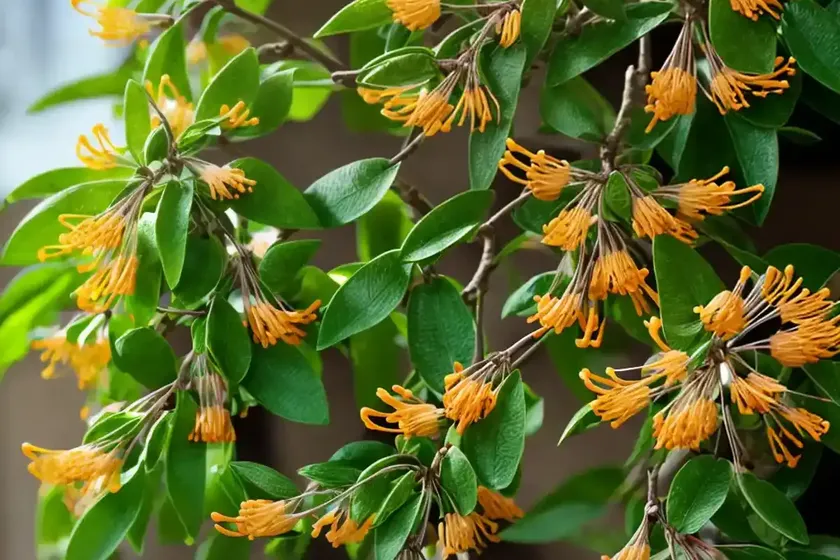
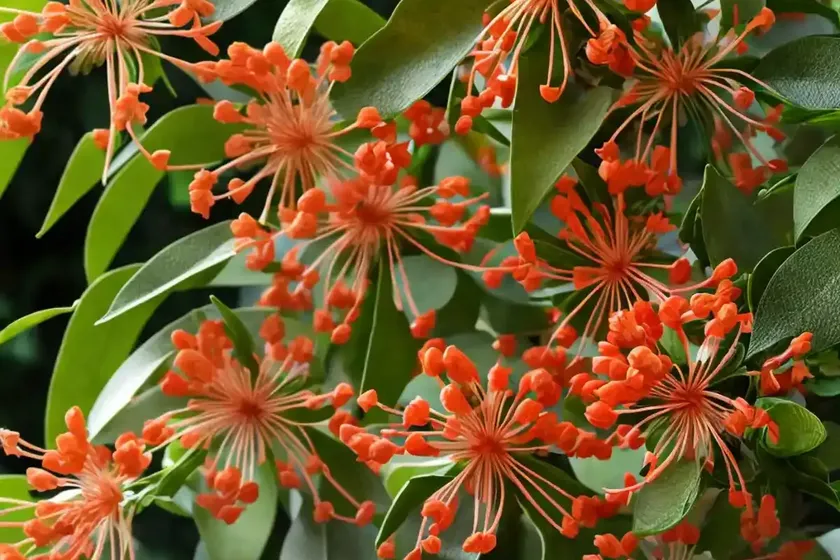
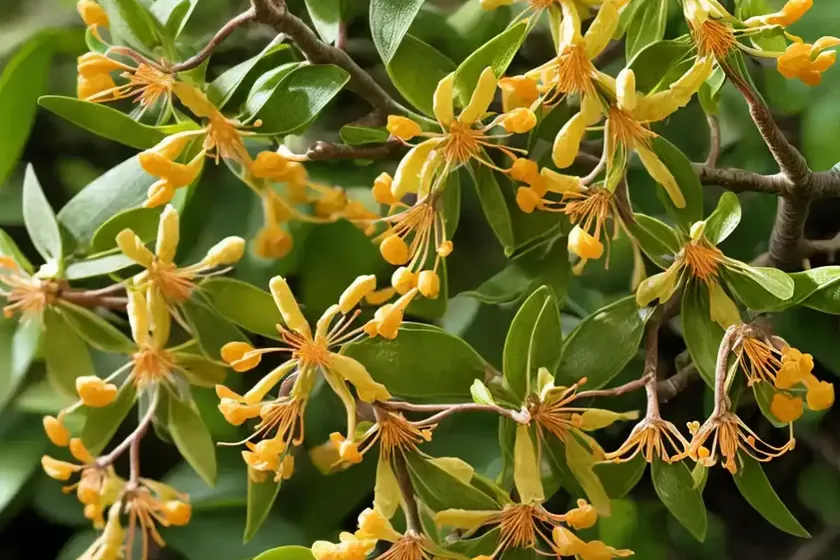
Japanese honeysuckle, scientifically known as Lonicera japonica, is a species of flowering plant in the honeysuckle family (Caprifoliaceae). It is a widely cultivated ornamental vine with delicate, sweetly fragrant white flowers that turn yellow as they age. Native to East Asia, specifically Japan, Korea, and China, Japanese honeysuckle has been introduced to many other regions as an ornamental plant.
This blog post will delve into the characteristics of Japanese honeysuckle, its cultural significance, uses in landscaping and gardening, its environmental impact, as well as best practices for its maintenance and care.
Key Takeaways – Japanese Honeysuckle (Lonicera japonica)
- Japanese honeysuckle, scientifically known as Lonicera japonica, is a species of flowering vine native to East Asia.
- It is prized for its fragrant white flowers and is cultivated for ornamental, medicinal, and ecological purposes.
- Japanese honeysuckle is often used in landscaping and gardening due to its climbing habits and attractive blooms.
- While it brings numerous benefits, it is important to manage and control its growth to prevent it from becoming invasive.
What is Japanese Honeysuckle (Lonicera japonica)?
Lonicera japonica is a woody, twining vine that can grow vigorously, covering fences, trellises, and walls with its dense foliage. The leaves are semi-evergreen, opposite, oval, and about 1-2 inches long. The tubular flowers are fragrant and come in pairs, blooming from late spring to summer. They attract pollinators such as bees, butterflies, and hummingbirds.
The plant produces small, black berries that are mildly toxic to humans but are consumed by birds, spreading the seeds and contributing to its ability to establish in various environments. Due to its rapid growth, Japanese honeysuckle has naturalized in many parts of the world, often outcompeting native plants and becoming an invasive species.
Japanese honeysuckle is valued in traditional Chinese medicine for its medicinal properties, and its flowers are used to make herbal teas.
Now that we have a basic understanding of Japanese honeysuckle, let’s explore the various aspects of its care and cultivation.
Culture
Uses
Ornamental Purposes
Japanese honeysuckle is primarily cultivated for its ornamental value. It is widely used in landscaping and gardening to cover fences, trellises, and arbors. The lush foliage and fragrant flowers make it an attractive addition to gardens, providing aesthetic appeal and attracting pollinators.
Medicinal Uses
In traditional Chinese medicine, Lonicera japonica has been used for centuries for its medicinal properties. It is believed to have anti-inflammatory, anti-bacterial, and anti-viral properties. Various preparations made from the plant, including infusions and extracts, have been used to treat a range of ailments.
Ecological Benefits
While it can pose ecological challenges as an invasive species in certain regions, Japanese honeysuckle can also provide ecological benefits. Its flowers serve as a nectar source for pollinators, and birds feed on its berries. When managed responsibly, it can contribute to biodiversity and provide habitat for wildlife.
Plant Care
The successful cultivation of Japanese honeysuckle is reliant on providing the appropriate conditions for its growth and addressing its maintenance needs. Several key factors, including water, sunlight, fertilizer, soil, pruning, and propagation, play a critical role in the care of Lonicera japonica.
Water
Japanese honeysuckle generally prefers moist, well-drained soil. While it can tolerate short periods of drought once established, consistent watering is essential, especially during dry spells and periods of high temperature. Adequate watering promotes healthy growth and flowering.
Sunlight
Lonicera japonica thrives in partial to full sun. It requires at least six hours of direct sunlight daily to bloom profusely and maintain robust growth. When selecting a planting location, ensuring sufficient sunlight is crucial for the plant’s overall health and flowering performance.
Fertilizer
Regular fertilization can promote vigorous growth and enhance the plant’s flowering capacity. Using a balanced, slow-release fertilizer formulated for flowering vines can provide the necessary nutrients. Fertilizing in early spring and mid-summer can support the plant’s nutritional needs during its active growth periods.
Soil
The ideal soil for Japanese honeysuckle is fertile, well-draining, and slightly acidic with a pH level between 6.0 and 6.5. Amending the soil with organic matter, such as compost, can improve its structure and fertility, creating an optimal growing environment for the plant.
Pruning
Pruning is a crucial aspect of Japanese honeysuckle maintenance, especially for managing its growth and promoting a healthy structure. It is typically best to prune the vine in late winter or early spring before new growth emerges. Removing old, woody stems, controlling its spread, and shaping the plant can enhance its overall appearance and vigor.
Propagation
Japanese honeysuckle can be propagated through several methods, including softwood cuttings, layering, and seed sowing. Softwood cuttings taken in the spring and early summer can root readily in a well-prepared propagation medium. Layering, which involves burying a portion of a stem to promote root formation, is another effective propagation technique for Lonicera japonica.
Container Popularity
Japanese honeysuckle can also be grown in containers, offering an appealing option for gardeners with limited space or those seeking to control its growth. When grown in containers, it is essential to provide proper support for the vine to climb, ensure adequate drainage, and monitor its watering and fertilization needs closely.
Common Diseases
As with many plants, Japanese honeysuckle is susceptible to certain diseases that can affect its health and vigor. Understanding and identifying these diseases is essential for implementing appropriate management and control measures.
Disease Diagnosis
Some common diseases that can affect Japanese honeysuckle include:
- Powdery Mildew: This fungal disease appears as a powdery, white substance on the leaves, often causing them to curl and distort.
- Leaf Blight: Leaf blight can result in dark spots and lesions on the leaves, potentially leading to defoliation and reduced plant vigor.
- Anthracnose: Anthracnose, caused by various fungi, can lead to the development of dark, sunken lesions on the stems and leaves, impacting the plant’s overall health.
Regular monitoring for signs of these diseases and prompt intervention, such as providing adequate air circulation, managing humidity, and using fungicidal sprays when necessary, can help prevent their severity and spread.
Common Pests
In addition to diseases, Japanese honeysuckle can also be susceptible to pest infestations. Identifying and managing these pests is crucial for maintaining the plant’s health and preventing damage.
Some common pests that may affect Japanese honeysuckle include:
- Aphids: These small insects can cluster on the new growth, causing distortion and stunting of the leaves and stems.
- Spider Mites: Spider mites are tiny arachnids that can infest the leaves, leading to stippling, discoloration, and potential leaf drop.
- Scale Insects: Scale insects can attach themselves to the stems and leaves, feeding on the plant’s sap and weakening its overall vitality.
Implementing cultural control methods, such as regular pruning to remove infested plant parts, as well as using horticultural oils and insecticidal soaps, can help manage and mitigate pest issues effectively.
Botanist’s Tips
Fun Facts
- The fragrant flowers of Japanese honeysuckle are known to attract a variety of pollinators, including bees, butterflies, and hummingbirds.
- While the plant is valued for its ornamental beauty, it is also a significant invasive species in many regions, outcompeting native plants.
- Japanese honeysuckle has a long history of traditional medicinal uses, particularly in traditional Chinese medicine, where it is utilized for its purported health benefits.
Links to External Resources
For more information on Japanese honeysuckle (Lonicera japonica) and related topics, explore the following resources:
- USDA National Invasive Species Information Center
- North Carolina State Extension – Japanese Honeysuckle
- Missouri Botanical Garden – Lonicera japonica
As we continue to delve into the details of Japanese honeysuckle, it becomes evident that understanding its growth habits, care requirements, and ecological impact is crucial for those who appreciate and cultivate this beautiful yet potentially invasive plant.
Conclusion
In conclusion, Japanese honeysuckle (Lonicera japonica) offers a blend of ornamental beauty, ecological significance, and historical medicinal uses. However, its potential to become invasive underscores the importance of responsible cultivation and management practices. By considering the plant’s growth habits, cultural uses, and environmental impact, we can appreciate its contributions while also safeguarding native ecosystems from its potential adverse effects.
As we explore the alluring qualities of Japanese honeysuckle, it is essential to acknowledge the need for conscientious care and stewardship to ensure its positive integration into our gardens and landscapes.