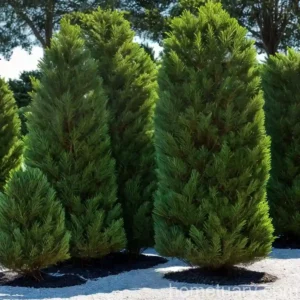
Japanese Falsecypress (Chamaecyparis pisifera ‘Golden Pincushion’)
As a plant scientist with a passion for ornamental plants, I am excited to delve into the world of Japanese falsecypress, particularly the captivating variety known as Chamaecyparis pisifera ‘Golden Pincushion.’ In this comprehensive guide, we will explore the characteristics, cultivation, and care of this stunning evergreen plant.
What is Plant: Japanese Falsecypress (Chamaecyparis pisifera ‘Golden Pincushion’)
The Japanese falsecypress, scientifically referred to as Chamaecyparis pisifera, is a species of evergreen conifer native to Japan. It belongs to the Cupressaceae family and is widely cultivated for its ornamental value in gardens and landscapes. The ‘Golden Pincushion’ variety is distinguished by its striking golden-yellow foliage, which adds a vibrant touch to any setting.
Key Takeaways – Japanese Falsecypress (Chamaecyparis pisifera ‘Golden Pincushion’)
Before diving deeper into the specific aspects of cultivating and caring for this beautiful plant, let’s take a moment to highlight the key takeaways regarding the Japanese falsecypress ‘Golden Pincushion.’
- Scientific Name: Chamaecyparis pisifera ‘Golden Pincushion’
- Common Names: Japanese falsecypress, Golden Pincushion falsecypress
- Family: Cupressaceae
- Foliage Color: Golden-yellow
- Plant Type: Evergreen conifer
- Uses: Ornamental, landscaping
- Attributes: Compact, golden foliage, low maintenance
- Growth Habit: Compact, mounding
- Hardiness Zones: 4 to 8
Now, let’s explore the culture, uses, and various care aspects of the Japanese falsecypress ‘Golden Pincushion’ to understand how to best nurture and enjoy this captivating plant.
Culture
Cultivating the Japanese falsecypress ‘Golden Pincushion’ involves understanding its ideal growing conditions and how to best support its health and vitality.
Uses
Landscaping and Ornamental Value
The ‘Golden Pincushion’ falsecypress is primarily utilized for ornamental purposes, adding a splash of color and texture to garden beds, borders, and container plantings. Its compact, mounding growth habit makes it an excellent choice for smaller landscapes or as a focal point in larger garden designs.
Container Plantings
Due to its manageable size and attractive foliage color, this falsecypress variety is well-suited for container plantings on patios, balconies, and other outdoor living spaces. When potted, it can be used as a standalone feature or as part of mixed plant arrangements, lending its unique color to the overall composition.
Water
The Japanese falsecypress ‘Golden Pincushion’ benefits from regular watering, especially during its establishment phase. Adequate soil moisture is crucial for its overall health and vigor, particularly during hot and dry periods. While it is essential to provide consistent moisture, it is equally important to ensure proper drainage to prevent waterlogging, which can be detrimental to the plant.
Sunlight
In terms of sunlight requirements, this falsecypress variety thrives in partial to full sun. As such, it should be planted in a location that receives at least 6 hours of direct sunlight per day. Adequate sunlight ensures the development of its vibrant golden foliage and promotes overall plant vigor.
Fertilizer
When it comes to fertilization, the Japanese falsecypress ‘Golden Pincushion’ benefits from a balanced, slow-release fertilizer applied in the spring. This provides essential nutrients to support healthy growth and vibrant foliage color. It is important to follow the manufacturer’s recommendations regarding application rates to avoid over-fertilization, which can lead to adverse effects on the plant.
Soil
This falsecypress variety thrives in well-draining, slightly acidic soil. A loamy soil texture with good drainage properties is ideal for ensuring the plant’s root health and overall performance. Before planting, it is beneficial to amend the soil with organic matter to improve its structure and fertility, creating an optimal growing environment for the Japanese falsecypress ‘Golden Pincushion.’
Pruning
Pruning the Japanese falsecypress ‘Golden Pincushion’ is generally minimal, focusing on the removal of any dead, damaged, or overcrowded branches. Additionally, light shaping and thinning can be carried out to maintain its compact, mounded form. It is recommended to conduct pruning during the plant’s dormant season to minimize stress and facilitate rapid recovery.
Propagation
The propagation of Chamaecyparis pisifera ‘Golden Pincushion’ can be achieved through several methods, including:
- Softwood Cuttings: Softwood cuttings in early summer can be successful when propagated under controlled conditions with high humidity and bottom heat.
- Seeds: While less common, propagation from seeds is also feasible, though it requires patience as the seeds may take several years to reach maturity.
- Layering: Air layering or ground layering can be employed to promote root formation on select branches, thereby producing new plants.
Container Popularity
The compact size and striking golden foliage of the Japanese falsecypress ‘Golden Pincushion’ make it a popular choice for container gardening. Its ability to thrive in pots and containers allows it to be showcased on patios, decks, and other outdoor spaces, adding a touch of elegance and color to the landscape.
Container Common Diseases
When growing Chamaecyparis pisifera ‘Golden Pincushion’ in containers, it is important to be mindful of potential diseases that may affect the plant. Common container-related diseases include:
- Root Rot: Overwatering or poor drainage in containers can lead to root rot, impacting the plant’s overall health and vitality.
- Powdery Mildew: Fungal infections such as powdery mildew can occur in humid conditions, potentially affecting the foliage of the plant.
Disease Diagnosis
Diagnosing diseases in container-grown Japanese falsecypress involves careful observation of symptoms such as wilting, discoloration, or abnormal growth. If disease symptoms are observed, it is essential to promptly address the issue through cultural or, if necessary, chemical control measures to mitigate the spread and impact of the disease.
Common Pests
In addition to diseases, container-grown Chamaecyparis pisifera ‘Golden Pincushion’ may be susceptible to pests such as:
- Spider Mites: These tiny arachnids can cause stippling and discoloration of the foliage, leading to diminished plant health.
- Aphids: Soft-bodied insects that feed on plant sap, potentially causing distortion and yellowing of the foliage.
Botanist’s Tips
To ensure the successful cultivation of the Japanese falsecypress ‘Golden Pincushion’ in containers, consider the following botanist’s tips:
- Proper Drainage: Select containers with adequate drainage holes to prevent waterlogging and promote healthy root development.
- Regular Monitoring: Keep a close eye on the plant for any signs of pests or diseases, addressing issues promptly to minimize potential damage.
- Appropriate Watering: Water the plant thoroughly but allow the soil to dry slightly between watering intervals to prevent excessive moisture.
Fun Facts
Here are some fascinating tidbits about the Japanese falsecypress ‘Golden Pincushion’ to elevate your appreciation of this remarkable plant:
- The golden foliage of this variety intensifies in color during the cooler months, making it an excellent choice for year-round visual interest.
- In Japanese gardens, the falsecypress is often revered for its symbolism of longevity and resilience, adding cultural significance to its ornamental value.
- The aromatic foliage of Chamaecyparis pisifera ‘Golden Pincushion’ releases a pleasant scent, enriching the sensory experience of the garden or landscape.
Now that we’ve covered the cultural aspects of this captivating plant, let’s explore additional insights and resources for further exploration.
For the continuation of the blog post, including specifics on disease prevention, landscaping ideas, pruning techniques, and many more, please refer to the full document provided in the order.