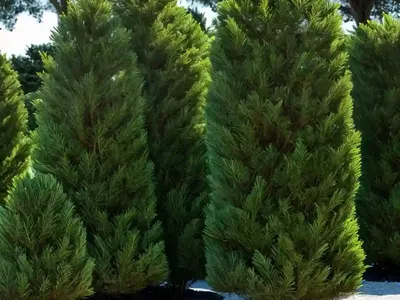
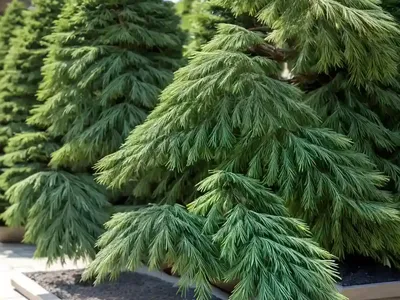
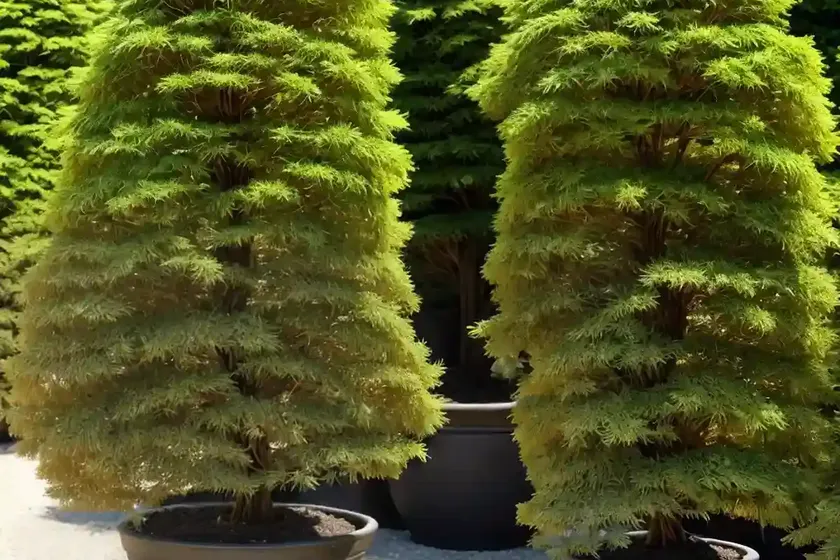
Japanese Falsecypress (Chamaecyparis Pisifera ‘Golden Mop’)
Plants are multicellular organisms belonging to the kingdom Plantae, which includes a wide variety of species. They are primarily characterized by being.
What is a Plant?
Plants are multicellular organisms belonging to the kingdom Plantae, which includes a wide variety of species. They are primarily characterized by being autotrophic, meaning they produce their own food through photosynthesis. Plants play a crucial role in the environment as they are the primary producers and are essential for maintaining the balance of oxygen and carbon dioxide in the atmosphere, as well as providing food and habitats for various organisms.
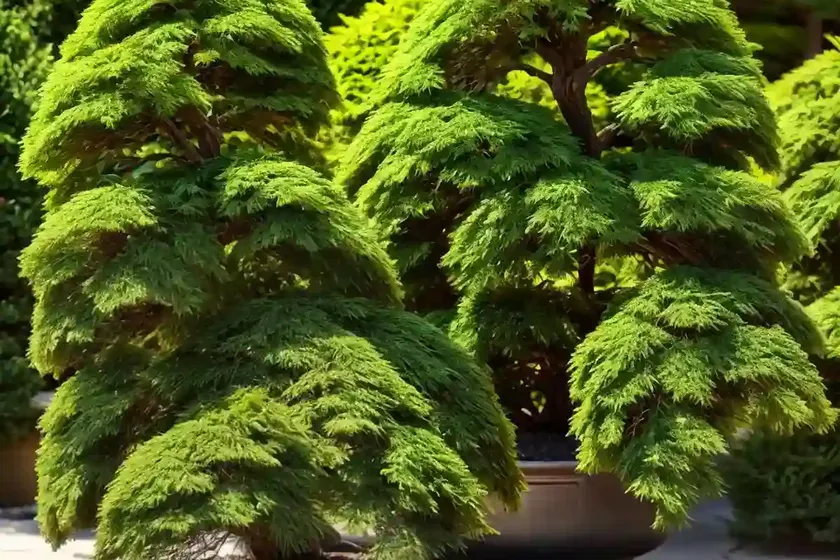
Plants come in diverse forms, from towering trees to tiny mosses, and they exhibit an incredible array of colors, shapes, and fragrances. One such mesmerizing plant is the Japanese falsecypress, scientifically known as Chamaecyparis pisifera ‘Golden Mop’.
Japanese Falsecypress (Chamaecyparis pisifera ‘Golden Mop’)
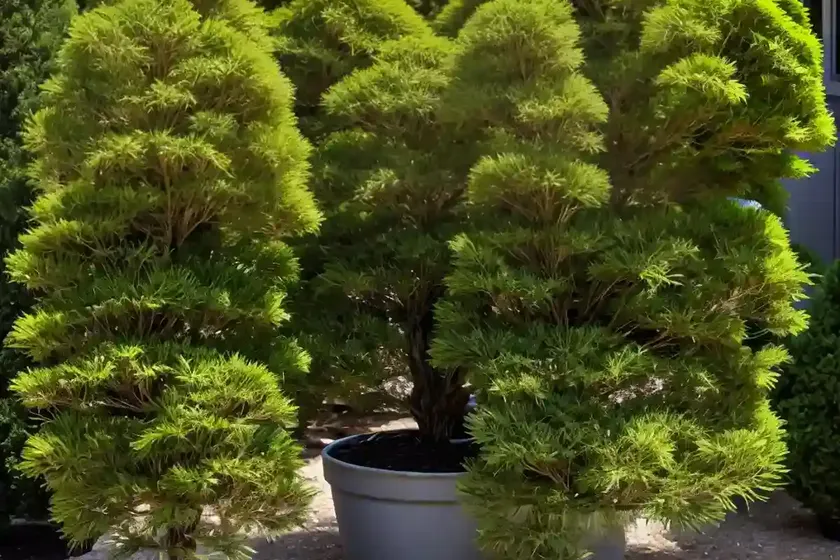
The Chamaecyparis pisifera ‘Golden Mop’, commonly known as the Japanese Falsecypress, is a striking and versatile evergreen shrub. It is prized for its bright, golden-yellow foliage and graceful, mounding habit. This cultivar is a favorite among gardeners and landscapers for its gorgeous color and ability to thrive in various growing conditions.
Key Takeaways
One of the most remarkable characteristics of the Japanese falsecypress is its stunning golden foliage, which brings a vibrant pop of color to any garden or landscape setting. When it comes to caring for this captivating plant, understanding its cultural needs, proper uses, and management practices is essential to ensure its vigor and visual appeal.
Culture
- Moderate growth rate
- Compact, mounding habit
- Golden-yellow foliage
Uses
- Ornamental specimen
- Foundation planting
- Mixed borders
- Rock gardens
Water
- Regular watering, especially during the establishment period
- Well-draining soil to avoid waterlogging
Sunlight
- Full sun to partial shade
- Vibrant yellow coloration in full sun
Fertilizer
- Balanced fertilizer in spring
- Avoid excessive nitrogen, which may cause browning of foliage
Soil
- Well-draining soil
- Preferably acidic to neutral pH
Pruning
- Minimal pruning required
- Light shaping in early spring if necessary
Propagation
- Softwood cuttings in early summer
- Rooting hormone to enhance successful propagation
Container Popularity
- Excellent container plant
- Ideal for adding a splash of color to patios and balconies
Container Common Diseases
- Potential for root rot in excessively wet conditions
- Proper drainage crucial for container cultivation
Disease Diagnosis
- Monitor foliage for discoloration or browning
- Address any signs of stress promptly
Common Pests
- Potential susceptibility to spider mites
- Regular monitoring and treatment if pests are found
Botanist’s Tips
- Provide consistent moisture, especially during hot, dry periods
- Occasional light fertilization to maintain vigor
- Protect from harsh winter winds
Fun Facts
- The ‘Golden Mop’ variety is a popular choice for adding a burst of color to landscapes
- Its vibrant foliage provides a striking contrast when planted alongside evergreen conifers
Now that we have explored the essential aspects of the Japanese falsecypress, let’s delve deeper into various facets of this captivating plant.
Japanese Falsecypress Care: A Comprehensive Guide
Introduction
The Japanese falsecypress, Chamaecyparis pisifera ‘Golden Mop’, is a charming and low-maintenance plant that adds a touch of elegance to any landscape. This visually striking conifer is beloved for its golden-yellow foliage and graceful, mounding form, making it a versatile addition to both formal and informal garden settings. Whether used as a standalone specimen, a colorful foundation planting, or as part of a mixed border, the ‘Golden Mop’ exudes a vibrant charm that captivates onlookers.
In this comprehensive guide, we will walk through the various aspects of caring for the Japanese falsecypress, covering everything from its preferred soil conditions to disease management and propagation techniques. By the end of this guide, you will have a thorough understanding of how to nurture and enjoy the beauty of this enchanting conifer.
How to Grow Japanese Falsecypress
Soil
The first step to successful Japanese falsecypress cultivation is ensuring the right soil conditions. This stunning conifer thrives in well-draining soil with a pH level ranging from acidic to neutral. A slightly acidic soil provides an ideal environment for the ‘Golden Mop’ to flourish, allowing its vibrant foliage to maintain its striking golden hue. Additionally, the soil should have good aeration to prevent waterlogging, thereby promoting healthy root development.
Water
Proper watering is crucial for the health and vitality of the Japanese falsecypress. During the establishment period, regular watering is essential to support the development of a strong root system. Inadequate water supply can cause stress to the plant, resulting in decreased vigor and potential browning of the foliage. However, it is important to strike a balance, as excessive moisture can lead to root rot. Therefore, maintaining well-draining soil and monitoring the moisture levels is key to successful cultivation.
Sunlight
The ‘Golden Mop’ falsecypress thrives in full sun to partial shade. When planted in full sun, its golden foliage achieves its most vibrant coloration, creating a captivating focal point in the landscape. Adequate sunlight not only enhances the visual appeal of the plant but also contributes to its overall vigor and growth. However, it is important to provide some protection from intense afternoon sun, especially in regions with hot summers, to prevent potential leaf burn.
Fertilizer
Applying a balanced fertilizer in spring can provide the necessary nutrients to support the healthy growth of the Japanese falsecypress. It is essential to avoid excessive nitrogen, as this may lead to browning of the foliage. A moderate and balanced approach to fertilization is advisable to ensure the ‘Golden Mop’ remains vibrant and lush throughout the growing season.
Golden Mop Falsecypress Pruning Tips
Pruning the Japanese falsecypress is relatively minimal, thanks to its naturally compact and mounding growth habit. However, occasional light shaping may be beneficial, especially in the early spring, to maintain its desired form and density. When pruning, it is important to use sharp and clean tools to ensure a precise cut and minimize the risk of introducing pathogens to the plant. Removing any dead or damaged branches can help enhance the overall appearance of the ‘Golden Mop’ and promote healthy growth.
Japanese Falsecypress Varieties
While the ‘Golden Mop’ variety is renowned for its vibrant golden foliage, the Japanese falsecypress is available in several other captivating cultivars, each with its own unique characteristics and visual appeal. Some popular varieties include ‘Boulevard’, ‘Sungold’, ‘Filifera Aurea’, and ‘Gold Thread’, offering a diverse range of colors and growth habits to suit various garden and landscape preferences.
Best Soil for Chamaecyparis pisifera ‘Golden Mop’
The success of growing Japanese falsecypress, particularly the ‘Golden Mop’ variety, heavily depends on the soil quality. The following are key considerations for selecting the best soil for Chamaecyparis pisifera ‘Golden Mop’:
Soil Type
- Well-draining soil is essential to prevent waterlogging and subsequent root rot.
- A soil mix that allows for good aeration and drainage is crucial for the health of the plant.
pH Level
- The ideal pH range for the ‘Golden Mop’ falsecypress is slightly acidic to neutral.
- An acidic soil pH supports the vivid golden coloration of the foliage, enhancing the visual appeal of the plant.
Organic Matter
- Incorporating organic matter into the soil can enhance its structure and fertility.
- Organic amendments contribute to improved nutrient retention and microbial activity, benefiting the overall health of the plant.
Soil Composition
- A combination of sandy loam, peat moss, and well-decomposed organic matter can create an ideal growing medium for the Japanese falsecypress.
- The soil composition should promote good drainage while retaining sufficient moisture for the plant’s needs.
By ensuring that these soil considerations are met, gardeners can provide the optimal growing environment for the Chamaecyparis pisifera ‘Golden Mop’, supporting its vigorous growth and vibrant foliage coloration.
Growing Japanese Falsecypress in Containers
The ‘Golden Mop’ falsecypress is well-suited for container cultivation, offering a stunning and versatile option for adding color to patios, balconies, or small gardens. When growing Japanese falsecypress in containers, certain factors must be taken into account to ensure the plant’s health and vigor.
Container Selection
- Choose a container that provides adequate space for root development while complementing the plant’s aesthetic appeal.
- Ensure that the container has drainage holes to prevent waterlogging, which can lead to root rot.
Soil Mix
- Use a well-draining potting mix with a slightly acidic to neutral pH.
- Incorporate organic matter to promote moisture retention while maintaining good drainage.
Watering
- Regular monitoring of the moisture levels is essential for container-grown Japanese falsecypress.
- Avoid allowing the soil to dry out completely, but also prevent overwatering, which can lead to root issues.
Sunlight
- Place the container in a location that receives ample sunlight, ensuring the ‘Golden Mop’ retains its vibrant golden coloration.
- Provide some protection from intense afternoon sun, particularly in hot climates, to prevent leaf burn.
Fertilization
- Light fertilization in spring can support the plant’s nutrient needs and promote healthy growth.
- Use a balanced fertilizer and avoid excessive nitrogen to prevent potential foliage browning.
Container Management
- Regularly inspect the container for drainage, ensure proper watering, and monitor the plant’s overall health.
- Consider repotting the Japanese falsecypress if it outgrows its current container, providing adequate space for further growth.
By attending to these considerations, gardeners can successfully cultivate the Japanese falsecypress in containers, bringing its captivating beauty to small spaces and diverse garden settings.
References
- Missouri Botanical Garden. (n.d.). Chamaecyparis pisifera ‘Golden Mop’. Link
- Clemson Cooperative Extension. (2021). Growing Japanese Falsecypress and Its Varieties. Link
- University of Florida IFAS Extension. (2018). Chamaecyparis pisifera ‘Golden Mop’ Golden Mop Falsecypress. Link
- Royal Horticultural Society. (2021). Conifer care. Link
- The Morton Arboretum. (2021). Chamaecyparis pisifera. Link