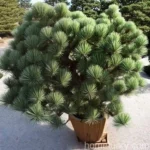
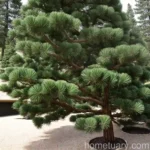
The Versatile Japanese Black Pine (Pinus thunbergii ‘Pygmaea’)
Plants are an integral part of our ecosystem, providing us with oxygen, food, and raw materials for various goods. Among the diverse range of plant species, the Japanese black pine (Pinus thunbergii ‘Pygmaea’) stands out for its unique characteristics and versatility. In this article, we will delve into the various aspects of the Japanese black pine, from its cultural significance to its care and maintenance, exploring its uses, propagation, common diseases, and more. Let’s unlock the secrets of this remarkable plant and understand how it can be a valuable addition to our landscapes.
What is a Plant?
Plants are multicellular organisms belonging to the kingdom Plantae, encompassing a wide variety of species that range from tiny mosses to towering trees. They play a crucial role in the environment by producing oxygen through photosynthesis, providing habitats for diverse organisms, and contributing to the global carbon cycle. Plants also serve as a primary food source for humans and countless other species, making them essential for sustaining life on Earth.
Japanese Black Pine (Pinus thunbergii ‘Pygmaea’)
The Japanese black pine, scientifically known as Pinus thunbergii ‘Pygmaea,’ is a captivating evergreen conifer that hails from coastal regions of Japan and Korea. This hardy pine species is revered for its distinctive appearance and adaptability, making it a popular choice for ornamental and landscaping purposes. Its compact size and rugged beauty set it apart, making it a cherished addition to gardens, public spaces, and even traditional Japanese landscapes.
Key Takeaways – Japanese Black Pine (Pinus thunbergii ‘Pygmaea’)
Before we delve into the detailed aspects of Japanese black pine care and utilization, let’s outline the key takeaways that we will be exploring in this article:
- Cultural significance of Japanese black pine
- Various uses of Japanese black pine in landscapes and gardens
- Essential care guidelines including water, sunlight, fertilizer, and soil requirements
- Pruning techniques and propagation methods for maintaining and expanding Japanese black pine populations
- Common diseases and pests affecting Japanese black pine along with their diagnosis and management
- Botanist’s pro tips for successful cultivation and maintenance
- Fun facts about the Japanese black pine, shedding light on its intriguing characteristics
- Links to external resources for further exploration and learning
Now, let’s delve deeper into each of these aspects to gain a comprehensive understanding of the Japanese black pine and its significance in the world of plants and landscaping.
Culture
Japanese black pine holds significant cultural importance in Japan, where it is revered for its symbolism and traditional uses. In Japanese folklore, the pine tree is regarded as a symbol of longevity, resilience, and steadfastness. It is often associated with the concept of “sho-chiku-bai,” which represents the trio of pine, bamboo, and plum, symbolizing constancy and uprightness. These symbolic associations have made the Japanese black pine a prominent element in Japanese art, literature, and gardens.
Symbolism in Japanese Culture
The symbolism of the Japanese black pine extends beyond mere aesthetics, with profound cultural and philosophical connotations. In traditional Japanese gardens, the careful placement of pine trees symbolizes strength and endurance, offering a sense of stability and timelessness to the landscape. The evergreen nature of the pine also underscores the idea of permanence and vitality, making it an emblem of harmony with nature and the passage of time.
Traditional Uses
Apart from its symbolic value, the Japanese black pine has practical applications in traditional Japanese culture. The high-quality wood of mature pine trees has been traditionally used in the construction of temples, shrines, and traditional Japanese homes. Furthermore, the resin obtained from these trees has been utilized in incense production, contributing to the rich olfactory tapestry of traditional Japanese rituals and ceremonies.
Uses
The Japanese black pine offers a wide array of uses in landscaping, horticulture, and even traditional medicine. Its versatility stems from its aesthetic appeal, adaptability to various environments, and unique characteristics that make it a prized addition to garden landscapes and urban green spaces.
Ornamental Value
One of the primary uses of Japanese black pine is its ornamental value in garden landscapes and public spaces. The striking contrast of its dark green needles against its rugged bark makes it a visually captivating specimen, suitable for focal points in gardens and parks. Additionally, its compact size and upright habit make it an ideal choice for small gardens, courtyards, and urban plantings, where space is limited.
Bonsai Cultivation
The dwarf Japanese black pine variety, Pinus thunbergii ‘Pygmaea,’ is particularly well-suited for bonsai cultivation. Its naturally slow growth and compact form make it an excellent candidate for bonsai enthusiasts, who can harness its inherent beauty and resilience to create captivating miniature landscapes in pots and containers. The art of Japanese black pine bonsai has been honed over centuries, with practitioners meticulously shaping and training these trees to embody the essence of nature in a confined space.
Landscape Enhancement
In larger landscaping projects, the Japanese black pine serves as a valuable element for creating structure and visual interest. Its year-round greenery, drought tolerance, and tolerance to coastal conditions make it a versatile choice for coastal landscapes, xeriscaping projects, and as a windbreak plant. Moreover, its compatibility with a wide range of companion plants allows for creative combinations that add depth and texture to landscapes, enhancing their overall appeal.
Medicinal and Therapeutic Uses
Beyond its horticultural and ornamental uses, the Japanese black pine has been utilized in traditional Asian medicine for its therapeutic properties. The pine needles and resin contain compounds that have been traditionally used to alleviate respiratory ailments, including coughs and congestion. Additionally, the invigorating aroma of pine has been associated with stress relief and mental clarity, finding its way into aromatherapy practices and holistic wellness.
The diverse uses of the Japanese black pine underscore its value as a plant with cultural, aesthetic, and practical significance, transcending traditional boundaries to offer a wealth of benefits to human life and the environment.
Water
Proper irrigation is essential for maintaining the health and vigor of the Japanese black pine, especially during its initial establishment and subsequent growth phases. While the plant exhibits a degree of drought tolerance once established, adequate and consistent moisture is crucial for ensuring optimal growth and vitality.
Watering Guidelines
-
Establishment Phase: For newly planted Japanese black pines, regular watering is essential to facilitate root establishment and prevent moisture stress. During the first year, the tree should receive consistent moisture, ensuring that the root ball remains evenly moist but not waterlogged. This initial phase of establishment sets the foundation for the tree’s long-term health and resilience.
-
Mature Trees: Once the tree is established, it exhibits a degree of tolerance to dry conditions and can withstand periods of reduced rainfall. However, during periods of extended drought, supplemental irrigation may be necessary to support the tree’s vitality, particularly in urban settings where soil compaction and limited root space can reduce the tree’s access to moisture.
-
Irrigation Frequency: When watering the Japanese black pine, the focus should be on deep, infrequent watering to encourage deep root growth and drought tolerance. During hot and dry periods, a thorough soaking once every 7-10 days may be sufficient, provided that the soil has good drainage. Avoid frequent, shallow watering, which can lead to shallow root development and increased susceptibility to drought stress.
Sunlight
Sunlight is a critical factor that influences the growth, vigor, and overall appearance of the Japanese black pine. As a sun-loving species, the ideal placement and exposure to sunlight are key considerations for ensuring the health and vitality of the plant.
Sun Exposure
-
Optimal Conditions: Japanese black pine thrives in full sunlight, requiring a minimum of 6-8 hours of direct sunlight each day to support robust growth and dense foliage. Placing the tree in a location with ample sunlight not only promotes healthy photosynthesis but also enhances its visual appeal, intensifying the rich green hue of its needles and fostering compact, well-branched growth.
-
Shade Tolerance: While the Japanese black pine is adapted to sunny conditions, it can exhibit a degree of tolerance to partial shade, particularly in regions with intense summer heat. However, prolonged exposure to shaded conditions can result in reduced vigor, sparse foliage, and elongated growth, detracting from the plant’s overall appeal.
-
Considerations for Urban Settings: In urban environments, where structures and buildings may cast shade on the landscape, careful consideration should be given to the placement of Japanese black pines to ensure that they receive adequate sunlight. Proper positioning can help maintain the tree’s health and aesthetic value, contributing to a vibrant and inviting urban landscape.
Achieving the right balance of sunlight and shade is essential for promoting the optimal growth and appearance of the Japanese black pine, ensuring that it thrives and contributes to the beauty of its surroundings.
Fertilizer
Fertilization plays a vital role in providing the necessary nutrients for the Japanese black pine to maintain its vigor, color, and overall health. By understanding the specific fertilizer requirements of this species, gardeners and landscape enthusiasts can ensure that their Japanese black pines receive the essential nutrients for robust growth and resilience.
Nutrient Requirements
-
Nitrogen: Japanese black pines have a moderate to high nitrogen requirement, particularly during their active growth phase in spring and early summer. Nitrogen supports the development of lush, vibrant foliage and helps in overall tree vigor. A balanced fertilizer with a higher nitrogen content in the form of ammonium sulfate or urea can provide the necessary nitrogen for the tree’s growth.
-
Phosphorus and Potassium: While the tree’s requirements for phosphorus and potassium are relatively lower compared to nitrogen, they still play essential roles in promoting root development, disease resistance, and overall vitality. A balanced fertilizer with an N-P-K ratio of approximately 10-8-6 can provide the necessary phosphorus and potassium without overloading the tree with excessive nutrients.
Fertilization Schedule
-
Spring Application: A granular or liquid fertilizer formulated for evergreen trees and shrubs can be applied in early spring, just as the new growth begins to emerge. This timing allows the tree to utilize the nutrients for the development of new foliage and expansion of root systems.
-
Late Spring/Early Summer: A supplemental application of fertilizer may be beneficial in late spring or early summer, particularly in soils with low nutrient availability. This additional dose of nutrients supports the tree’s continued growth and helps sustain its vibrant green coloration.
-
Avoiding Excessive Fertilization: While proper fertilization is essential, over-fertilization can lead to excessive foliage growth at the expense of overall tree health. Care should be taken to follow recommended application rates and avoid applying fertilizer during the late summer and fall, as this can stimulate late-season growth that may be susceptible to winter damage.
Soil
The soil composition and quality play a fundamental role in determining the health, growth, and overall performance of the Japanese black pine. By understanding the specific soil requirements of this species, gardeners and landscapers can create optimal growing conditions for the tree, ensuring its long-term success in various environments.
Soil Composition
-
Well-Drained Soil: Japanese black pines prefer well-drained soil that allows excess moisture to escape, preventing waterlogging and root rot. Sandy or loamy soils with good drainage properties are particularly well-suited for these trees, as they promote healthy root development and reduce the risk of water-related stress and diseases.
-
Acidic pH: The ideal soil pH for Japanese black pines ranges from 5.5 to 6.5, reflecting their preference for slightly acidic growing conditions. Soil pH outside this range can affect nutrient availability and uptake, potentially leading to deficiencies or imbalances that inhibit the tree’s growth and vitality.
-
Soil Amendment: In areas with compacted or heavy clay soils, amending the soil with organic matter such as well-rotted compost or pine bark fines can improve aeration, drainage, and nutrient retention. This amendment helps create a more hospitable growing environment for the Japanese black pine, promoting healthier, more resilient growth.
Container Cultivation
For container cultivation, selecting a well-draining potting mix specifically formulated for woody ornamentals or conifers is essential for ensuring the proper growth and development of Japanese black pine specimens. The potting mix should provide good aeration, moisture retention, and appropriate nutrient levels to support the tree’s growth within the confined space of a container.
By addressing the specific soil needs of the Japanese black pine, gardeners and landscapers can create an environment that fosters robust growth, vibrant foliage, and overall tree health.
Pruning
Pruning is an essential horticultural practice for maintaining the health, shape, and aesthetic appeal of the Japanese black pine. Proper pruning techniques help shape the tree, improve its structure, and control its size, contributing to its overall visual impact in garden landscapes and urban settings.
Pruning Objectives
-
Shape Enhancement: Pruning can be utilized to enhance the natural form of the Japanese black pine, promoting a well-balanced and visually appealing appearance. By selectively removing unruly or crossing branches, gardeners can accentuate the tree’s inherent beauty and create a harmonious silhouette.
-
Size Control: As a slow-growing species, the Japanese black pine may require occasional size control to prevent overcrowding or to suit specific space constraints. Pruning allows the tree to maintain its desired dimensions while promoting a compact, dense growth habit.
-
Disease Management: Regular pruning helps eliminate diseased, damaged, or dead branches, reducing the risk of disease spread and ensuring that the tree remains healthy and resistant to pests and pathogens.
Pruning Techniques
-
Timing: The best time to prune Japanese black pines is in late winter to early spring, before the onset of new growth. This timing allows the tree to heal quickly from pruning wounds and minimizes the impact on the following year’s growth.
-
Branch Selection: When pruning, focus on removing branches that detract from the tree’s natural form, including inward-growing or crossing branches, weak or diseased growth, and any dead wood. Selectively thin out the interior of the tree to promote better air circulation and light penetration, which can enhance overall tree health.
-
Pruning Cuts: Use sharp, clean pruning tools to make precise cuts that do not tear or crush the bark. Aim for smooth, angled cuts that promote rapid wound closure and minimize the risk of disease entry. Avoid removing more than one-third of the tree’s foliage in a single pruning session, as excessive removal can stress the tree and disrupt its growth patterns.
Bonsai Pruning
For enthusiasts cultivating Japanese black pine bonsai, the principles of formative pruning and maintenance pruning are integral to shaping these miniature trees. Formative pruning focuses on establishing the initial structure and design of the bonsai, while maintenance pruning involves ongoing, meticulous trimming to maintain the tree’s compact dimensions and aesthetic appeal.
By applying proper pruning practices, gardeners and bonsai enthusiasts can elevate the visual impact of Japanese black pines, ensuring that these trees contribute to captivating and well-maintained landscapes and garden settings.
Propagation
Propagation is the process of creating new plants from existing specimens, allowing gardeners and horticulturalists to expand the population of a desirable plant species. Understanding the propagation methods specific to the Japanese black pine enables the conservation and proliferation of this unique species in a variety of settings.
Seed Propagation
-
Seeds: Japanese black pine trees produce seeds within their distinctive cones, which can be collected for propagation purposes. To ensure genetic diversity, it is advisable to collect seeds from multiple parent trees and allow for natural pollination within the population.
-
Stratification: The seeds of Japanese black pine often require a period of cold stratification before they can germinate. This natural process mimics the winter conditions that the seeds would experience in their native habitat, breaking dormancy and preparing them for germination in the subsequent spring.
-
Germination and Transplanting: Once the seeds have been stratified, they can be sown in well-draining seed trays or pots filled with a suitable growing medium. After germination, the seedlings can be carefully transplanted into individual containers or nursery beds, where they can be nurtured until they are ready for permanent placement in the landscape.
Cutting Propagation
-
Softwood Cuttings: Softwood cuttings taken from the current season’s growth can be utilized to propagate Japanese black pine clones. These cuttings are typically taken in late spring to early summer, when the branches are flexible and actively growing. They are then treated with a rooting hormone and placed in a propagation medium to encourage root development.
-
Hardwood Cuttings: Hardwood cuttings from mature, dormant branches can also be used for propagation in late winter. These cuttings, typically 6-8 inches in length, are prepared and planted during the dormant season, utilizing bottom heat and intermittent misting to stimulate root growth.
Grafting
For those looking to propagate specific cultivars or varieties of Japanese black pine, grafting techniques can be employed to unite desired scion wood with compatible rootstocks. Grafting allows for the reproduction of exceptional characteristics and ensures the preservation of unique genetic traits within the propagated specimens.
Maintenance and Care of Propagated Specimens
Regardless of the propagation method employed, regular monitoring, care, and maintenance are essential for ensuring the success of propagated Japanese black pine specimens. Providing appropriate growing conditions, periodic fertilization, and protection from pests and diseases supports the establishment and long-term health of propagated trees, setting the stage for their future contributions to landscapes and gardens.
By mastering the techniques of propagation, gardeners and conservationists can actively contribute to the preservation and proliferation of the Japanese black pine, safeguarding this species for future generations to enjoy and appreciate.
Container Popularity
The compact size and ornamental value of the Japanese black pine make it a popular choice for container cultivation, offering versatility and aesthetic appeal in various outdoor and indoor settings. Whether utilized as a standalone specimen, a focal point in a mixed container display, or a refined accent in urban landscapes, the Japanese black pine brings a touch of elegance and resilience to container gardens.
Urban Landscapes
In urban landscapes with limited space, the Japanese black pine’s compact form and resistance to environmental stressors make it an ideal candidate for container cultivation. Planted in large pots or planters, these trees can thrive on rooftops, balconies, and patios, softening the built environment with their natural beauty and providing a refreshing contrast to the urban backdrop.
Mixed Container Plantings
Japanese black pine specimens can be integrated into mixed container plantings, where they serve as an anchor for diverse combinations of shrubs, perennials, and seasonal flowers. Their evergreen foliage and striking form complement a wide range of plant partners, offering year-round interest and structure to container displays.
Indoor Environments
For those seeking to bring the allure of Japanese black pines into interior spaces, dwarf varieties and bonsai specimens are well-suited for indoor cultivation. With proper light exposure and humidity levels, these potted trees can thrive as captivating additions to indoor gardens, botanical displays, and conservatories, adding a touch of nature’s tranquility to indoor settings.
Container cultivation offers a myriad of possibilities for showcasing the beauty and versatility of the Japanese black pine, making it a favored choice for modern landscapes, traditional gardens, and interior décor alike.
Common Diseases
While the Japanese black pine is known for its resilience and adaptability, it is not immune to the challenges posed by environmental stressors, pests, and diseases. Understanding the common diseases that affect this species, along with their symptoms and management strategies, is essential for maintaining the health and vitality of Japanese black pine specimens.
Needle Blight
Need