Advertisement

Advertisement

Advertisement

Italian Maple (Acer Opalus)

· · ⏰ 10 min read · 1,908 words
Disclosure: This post may contain affiliate links. If you purchase through these links, we may earn a small commission at no extra cost to you. We only recommend products we genuinely believe in. Learn more.
Home » Acer » Italian Maple (Acer Opalus)

Italian Maple (Acer Opalus): A Comprehensive Guide

The Italian Maple, scientifically known as Acer Opalus, is a captivating tree native to Southern Europe. It belongs to the genus Acer, which comprises over 130 species, and is part of the Sapindaceae family. This majestic tree is not only admired for its natural elegance but also for its cultural, ecological, and horticultural significance. In this comprehensive guide, we will delve into the intricate details of the Italian Maple, including its characteristics, cultivation, maintenance, and much more.

Key Takeaways – Italian Maple (Acer Opalus)

Before delving into the specifics of the Italian Maple, let’s take a look at some key takeaways about this remarkable tree:

Advertisement

Culture

  • The Italian Maple is deeply ingrained in Southern European culture, contributing to traditional practices and herbal remedies.
  • Its ornamental value has made it a prized addition to parks, gardens, and urban landscapes.

Uses

  • Beyond its aesthetic appeal, the Italian Maple has been historically utilized for its medicinal and therapeutic properties.
  • It also serves as a valuable habitat for wildlife, attracting various species of birds and insects.

Water

  • The water requirements of the Italian Maple are moderate, and it thrives in well-drained soil, particularly during its initial stages of growth.

Sunlight

  • This tree displays a preference for partial shade to full sunlight, making it adaptable to a wide range of environmental conditions.

Fertilizer

  • The Italian Maple benefits from regular fertilization, especially during its early years, to support robust growth and development.

Soil

  • It thrives in a variety of soil types, although it flourishes in slightly acidic to neutral soils with adequate moisture retention.

Pruning

  • Pruning is essential for shaping and maintaining the desired form of the Italian Maple. It also promotes healthy growth and enhances its visual appeal.

Propagation

  • Italian Maple can be propagated through seeds, cuttings, or grafting techniques, allowing for the cultivation of new specimens with desirable traits.

Container Popularity

  • Its adaptability to container growth enables individuals with limited space to enjoy the beauty of the Italian Maple in urban and suburban settings.

Common Diseases

  • Like many plants, the Italian Maple is susceptible to certain diseases, such as anthracnose and verticillium wilt, which can impact its health and vigor.

Disease Diagnosis

  • Timely diagnosis and appropriate management are crucial for mitigating the impact of diseases on Italian Maple trees and preserving their vitality.

Common Pests

  • Pests such as aphids, scale insects, and caterpillars may pose a threat to Italian Maple trees, necessitating vigilant monitoring and control measures.

Botanist’s Tips

  • Experienced botanists recommend regular monitoring of Italian Maple trees for signs of stress, disease, or pest infestations to address issues promptly.

Fun Facts

  • Italian Maple trees undergo striking color transformations during the autumn season, exhibiting vibrant hues of red, orange, and yellow.
  • The distinctive structure of its leaves and the graceful branching patterns make Italian Maple a captivating subject for botanical enthusiasts and artists alike.

Now, let’s proceed with a comprehensive exploration of the Italian Maple, encompassing its characteristics, cultivation, uses, and much more.

What is Italian Maple (Acer Opalus)?

Acer Opalus: An Introduction

Acer Opalus, commonly known as the Italian Maple, is a deciduous tree renowned for its graceful form and captivating foliage. It is native to Southern Europe, where it thrives in diverse habitats ranging from woodlands and hillsides to stream banks and valleys. The Italian Maple belongs to the Acer genus, which encompasses a wide array of trees and shrubs commonly referred to as maples. These species are distributed across the Northern Hemisphere, with notable diversity in East Asia and North America.

Italian Maple Tree Facts

Let’s delve into some fascinating facts about the Italian Maple tree:

  • Scientific Name: Acer Opalus
  • Common Name: Italian Maple
  • Family: Sapindaceae
  • Origin: Southern Europe
  • Type: Deciduous tree
  • Height: Typically reaches 15-25 meters
  • Leaves: Palmate, lobed, with serrated margins
  • Flowers: Small, greenish-yellow, in upright clusters
  • Fruits: Paired samaras, commonly known as “helicopter seeds”
  • Autumn Colors: Displays vibrant shades of red, orange, and yellow
  • Cultivation: Prized for ornamental value in urban and rural landscapes
  • Adaptability: Well-suited to various soil types and climatic conditions

Acer Opalus Characteristics

The Italian Maple (Acer Opalus) possesses a range of distinctive characteristics that contribute to its allure:

  • Foliage: The deeply lobed leaves of the Italian Maple exhibit an elegant palmate shape. The margins are serrated, adding texture and visual interest to the foliage.
  • Bark: The bark of mature Italian Maple trees develops an attractive, textured appearance, featuring shades of gray and brown with subtle fissures.
  • Growth Habit: Italian Maple trees typically develop a broad, rounded crown, creating a graceful silhouette that enhances their ornamental appeal.
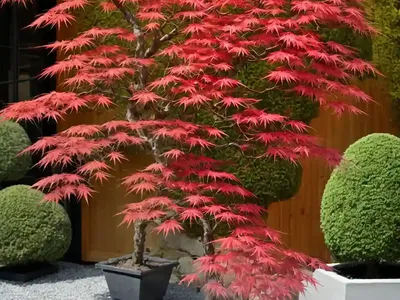
  • Autumn Transformation: One of the most captivating features of Acer Opalus is its spectacular display of autumn colors. As the season transitions, the foliage transforms into a breathtaking palette of reds, oranges, and yellows, adding a vibrant touch to the landscape.

Italian Maple Tree Care

Water

Proper watering is essential for ensuring the health and vitality of Italian Maple trees. During the initial establishment phase, consistent moisture is crucial for supporting root development and overall growth. As the tree matures, it demonstrates a moderate tolerance to drought conditions, although regular watering during dry periods is beneficial. It is important to avoid waterlogged or excessively wet soil, as this can lead to root rot and other moisture-related issues.

Sunlight

Italian Maple trees thrive in environments with partial shade to full sunlight. While they can tolerate shady conditions, ample sunlight is preferable for promoting robust growth and vibrant foliage. When selecting a planting site, it is advisable to consider the tree’s mature size and ensure that it will have access to adequate sunlight throughout the day.

Fertilizer

Fertilization plays a significant role in supporting the vigor and resilience of Italian Maple trees. A balanced, slow-release fertilizer applied in the early spring helps supply essential nutrients for healthy growth. It is advisable to avoid excessive nitrogen fertilization, as this can lead to an imbalance in the tree’s nutrient uptake and potentially impact its overall health.

Soil

Italian Maple trees exhibit adaptability to a wide range of soil types, although they prefer slightly acidic to neutral soils with good drainage. The ideal soil composition allows for adequate moisture retention while preventing waterlogging, which is crucial for maintaining the tree’s well-being. Regular soil testing and amendment can help create optimal growing conditions for Italian Maple trees.

Pruning

Pruning is an integral aspect of Italian Maple tree care, contributing to its overall health, appearance, and structural integrity. Regular pruning helps remove dead or damaged branches, shape the tree, and promote air circulation within the canopy. It is advisable to carry out pruning during the dormant season to minimize stress on the tree and ensure rapid healing of pruning wounds.

Propagation

Different methods can be employed for propagating Italian Maple trees, including seed germination, cuttings, and grafting. Each approach offers unique advantages and challenges, and the selection of a suitable propagation method depends on the specific goals and requirements of the grower. Seeds can be collected from mature fruits, while cuttings and grafting materials should be obtained from healthy, disease-free specimens.

Container Cultivation

Italian Maple trees are well-suited to container gardening, offering an appealing option for individuals with limited outdoor space. When cultivating these trees in containers, it is essential to provide a well-draining potting mix, regular watering, and appropriate exposure to sunlight. Container-grown Italian Maple trees benefit from periodic repotting to accommodate their growth and ensure optimal soil conditions.

Italian Maple (Acer Opalus) in Horticulture

Popularity in Horticulture

The Italian Maple has gained widespread popularity in horticultural settings, establishing a prominent presence in gardens, parks, and arboretums. Its ornamental value, coupled with its adaptability to diverse climates, has contributed to its appeal as a landscaping and garden tree. Due to its striking autumnal display and graceful form, the Italian Maple is often utilized as a focal point in landscape designs, adding visual interest and seasonal vibrancy to outdoor spaces.

Common Diseases

Italian Maple trees are susceptible to certain diseases that can impact their health and aesthetic appeal. Anthracnose, caused by fungal pathogens, can lead to foliar browning and defoliation, particularly during periods of high humidity. Verticillium wilt, another common fungal disease, affects the vascular system of the tree, leading to wilting and decline. Regular monitoring, proper sanitation, and targeted treatments are essential for managing these and other diseases effectively.

Disease Diagnosis

Timely diagnosis of diseases is crucial for implementing appropriate management strategies and preserving the health of Italian Maple trees. Symptoms such as leaf discoloration, wilting, and abnormal growth patterns may indicate the presence of pathogens or environmental stressors. Collaboration with plant health professionals and diagnostic laboratories can aid in accurately identifying the causal agents and developing tailored treatment plans.

Common Pests

Italian Maple trees may encounter various pest challenges, ranging from aphids and scale insects to caterpillars and borers. These pests can impact the tree’s vitality, defoliate its foliage, and compromise its overall well-being if left unchecked. Integrated pest management (IPM) approaches, including natural predators, cultural practices, and targeted treatments, are effective strategies for mitigating pest pressures and maintaining the health of Italian Maple trees.

Acer Opalus: Botanist’s Tips and Fun Facts

Botanist’s Tips

Experienced botanists and horticulturists offer valuable insights and recommendations for cultivating and caring for Italian Maple trees:

  • Monitoring: Regular monitoring of Italian Maple trees for signs of stress, disease, or pest infestations is essential for early detection and intervention.
  • Cultural Practices: Implementing proper cultural practices, such as adequate watering, soil amendment, and balanced fertilization, supports the long-term health and resilience of Italian Maple trees.
  • Pruning Technique: Pruning techniques should focus on maintaining a balanced and well-structured canopy, promoting air circulation, and eliminating dead or damaged branches.

Fun Facts

  • The Italian Maple tree, with its stunning autumn colors, serves as a captivating focal point in seasonal landscapes, attracting admirers with its vibrant display of reds, oranges, and yellows.
  • Its unique leaves and elegant branching patterns make it a sought-after subject for botanical art and photography, capturing the tree’s timeless beauty throughout the seasons.

Conclusion

The Italian Maple (Acer Opalus) stands as a captivating emblem of natural beauty and horticultural significance, offering a myriad of benefits to the environment, wildlife, and human culture. Whether admired for its ornamental charm, utilized for its therapeutic properties, or studied for its ecological role, the Italian Maple continues to inspire and enrich our lives. Through thoughtful cultivation, attentive care, and a deep appreciation for its remarkable attributes, we can further celebrate and preserve the enduring legacy of the Italian Maple in our landscapes and hearts.

This comprehensive guide has provided an in-depth exploration of the Italian Maple, encompassing its cultural significance, cultivation practices, disease management, and more. For further exploration and information on Acer Opalus, we encourage you to refer to the external resources provided earlier in this article.

Thank you for joining us on this journey of discovery and celebration of the Italian Maple (Acer Opalus). May its timeless elegance and enduring allure continue to inspire generations to come.

References

  • Royal Horticultural Society. (n.d.). Acer Opalus. Link
  • Missouri Botanical Garden. (n.d.). Acer Opalus. Link
  • The Morton Arboretum. (n.d.). Italian Maple. Link
  • University of Florida IFAS Extension. (n.d.). Acer Opalus. Link
  • The American Society of Consulting Arborists. (n.d.). Acer Opalus. Link

Advertisement

Browse Topics