Iris (Iris Spp.): A Comprehensive Plant Guide
In the world of ornamental gardening, few plants can match the beauty and elegance of the iris. With its striking blooms and graceful foliage, the iris is a favorite among gardeners and landscape enthusiasts all over the world. In this comprehensive plant guide, we will dive deep into the fascinating world of irises, exploring the various species, cultivation practices, uses, and much more. Whether you are a seasoned gardener or just starting out, there is something for everyone to learn about the captivating iris.
What is plant: Iris (Iris Spp.)
The iris, belonging to the genus Iris within the family Iridaceae, is a diverse group of flowering plants that encompasses over 300 species. These perennials are renowned for their showy flowers, which come in a mesmerizing array of colors and patterns. Irises are widely distributed across the Northern Hemisphere, with a natural range that spans Europe, Asia, and North America. The name “iris” comes from the Greek word for rainbow, which aptly describes the wide spectrum of hues found in these exquisite flowers.
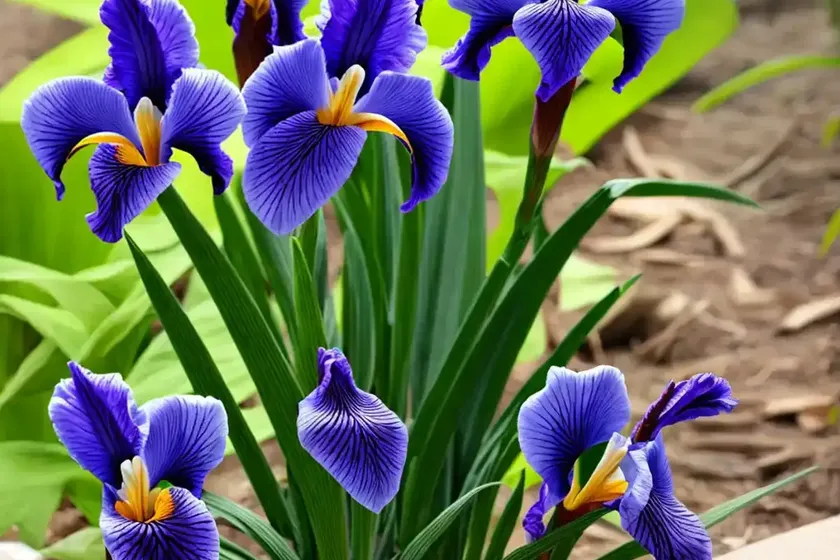
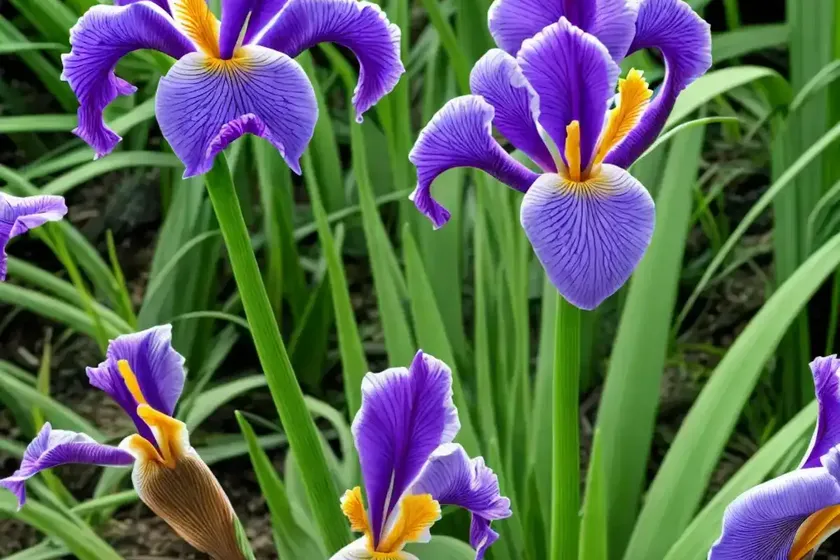
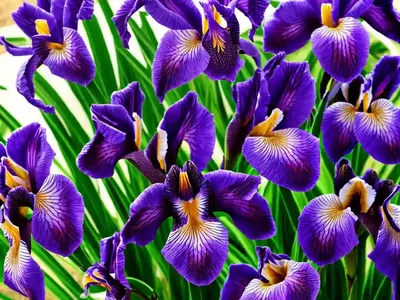
Irises are prized for their distinctive flowers, characterized by six petal-like segments arranged in a unique pattern. The three outer segments, known as “falls,” typically droop downwards, while the three inner segments, called “standards,” form an upright structure. This iconic floral construction is a defining feature of the iris and contributes to its unmistakable allure.
Key Takeaways – Iris (Iris Spp.)
Before we delve into the specific aspects of iris cultivation and care, let’s take a moment to highlight the key takeaways for this remarkable plant:
- Iris flowers: Known for their striking and vibrant blooms, irises are celebrated for their diverse color palette and intricate patterns.
- Iris plant: Irises are perennial herbaceous plants with attractive, sword-shaped leaves and captivating flowers.
- Types of Iris: The genus Iris encompasses a wide variety of species, each with its unique characteristics and growing requirements.
- Iris varieties: Hybridizers have developed numerous iris varieties, offering an extensive selection for gardeners to choose from.
- Iris species: With over 300 species, irises exhibit remarkable diversity in terms of form, color, and habitat preferences.
- Iris cultivation: Growing irises can be a rewarding experience, but it requires attention to specific cultural practices and environmental considerations.
- Iris gardening: Irises are popular choices for garden beds, borders, and other landscaping features, adding color and elegance to outdoor spaces.
- Growing Iris: Successfully cultivating irises involves understanding their specific needs for water, sunlight, soil, and nutrients.
- Iris care tips: Proper care and maintenance are essential for promoting healthy growth and prolific flowering in irises.
- Iris gardening tips: A nuanced approach to gardening with irises can yield impressive results, from design considerations to companion planting.
- Iris colors: The kaleidoscopic range of iris colors opens up endless possibilities for designing captivating garden displays.
- Iris symbolism: In addition to their aesthetic appeal, irises carry symbolic significance in various cultural contexts, adding depth to their allure.
- Iris garden design: Incorporating irises into garden design allows for creative expression and provides visual interest throughout the growing season.
- Iris landscaping: Irises are versatile landscaping elements, contributing to both formal and naturalistic settings with their elegance and charm.
- Iris planting guide: Understanding the best practices for planting irises is crucial for establishing healthy, vigorous plants.
- Iris blooming season: Irises exhibit unique bloom times, with different species and varieties showcasing their flowers at distinct points in the year.
- Iris maintenance: Ongoing maintenance, including pruning, division, and pest management, is essential for ensuring the long-term vitality of irises.
- Iris seeds: Exploring the process of growing irises from seeds offers an alternative to conventional propagation methods.
- Iris rhizomes: Many iris species and cultivars propagate through rhizomes, highlighting the importance of understanding this specialized growth structure.
- Iris propagation: Knowledge of propagation methods, including division and seed sowing, is valuable for expanding iris populations in the garden.
- Iris hybridization: The art and science of iris hybridization have led to the development of countless new and captivating varieties.
- Iris diseases: Like all plants, irises are susceptible to certain diseases that can impact their overall health and appearance.
- Iris pests: Identifying and managing common pests that affect irises is crucial for preserving their vitality and aesthetic appeal.
- Iris water requirements: Providing adequate moisture without overwatering is key to supporting healthy growth and robust flowering in irises.
- Iris soil conditions: Understanding the soil preferences of irises is essential for creating an optimal growing environment.
- Iris sun exposure: Irises have specific sunlight requirements, and the right exposure is critical for promoting vigorous growth and prolific flowering.
- Iris garden borders: Irises lend themselves well to border plantings, offering structure, color, and seasonal interest.
- Iris companion plants: Selecting suitable companion plants enhances the visual impact of irises and contributes to a harmonious garden composition.
- Iris cut flowers: The beauty of irises extends beyond the garden, as their flowers make exquisite additions to floral arrangements and bouquets.
- Iris bouquets: Incorporating iris blooms into bouquets adds a touch of sophistication and elegance to floral displays.
- Iris arrangements: Whether used alone or in combination with other flowers, irises create stunning arrangements for various occasions and settings.
- Iris medicinal properties: Some iris species have historical uses in traditional medicine, offering potential therapeutic benefits.
- Iris therapeutic uses: Exploring the potential therapeutic applications of irises sheds light on their broader significance beyond ornamental value.
- Iris essential oil: Certain iris species yield essential oils, prized for their fragrance and potential aromatic properties.
- Iris fragrance: The captivating scent of some iris varieties adds an olfactory dimension to their allure, enhancing the sensory experience in the garden.
- Iris natural dyes: Historically, irises have been used to create natural dyes, offering sustainable and eco-friendly color options.
- Iris art: The aesthetic appeal of irises has inspired artists across various mediums, from painting and photography to crafts and literature.
- Iris painting: The intricate beauty of irises has been immortalized in countless works of art, capturing their allure through the artist’s eye.
- Iris photography: Photographing irises allows for an exploration of their exquisite details and vibrant colors, showcasing their visual impact.
- Iris crafts: From botanical illustrations to pressed flower art, irises provide creative inspiration for a wide range of craft projects.
- Iris symbolism in art: In art and culture, irises carry symbolic meanings that have been interpreted and depicted in diverse artistic expressions.
- Iris mythology: The rich mythology surrounding irises offers insights into the cultural significance and symbolic associations of these captivating flowers.
- Famous Iris gardens: Throughout history, notable gardens have showcased the beauty and diversity of irises, leaving lasting impressions on visitors.
- Historical significance of Iris: Exploring the historical context of irises reveals their enduring presence and cultural significance across civilizations.
- Iris festivals: Celebratory events dedicated to irises provide opportunities for enthusiasts to revel in the beauty and diversity of these captivating flowers.
- Iris in literature: The literary references to irises offer glimpses into the enduring fascination and poetic symbolism associated with these flowers.
- Iris in poetry: Poets have captured the essence of irises through evocative verses that celebrate their beauty and symbolic resonance.
- Benefits of growing Iris: Cultivating irises offers numerous benefits, from enhancing garden aesthetics to supporting local ecosystems.
- Iris as pollinator attractors: Irises play a valuable role in attracting and supporting beneficial pollinators, contributing to overall garden health.
- Unique Iris varieties: The vast array of iris varieties ensures that there is always something new and intriguing to discover within this diverse plant group.
Now that we have established an overview of the key aspects associated with irises, let’s delve into each of these areas with greater detail and focus.
Culture
Cultivating irises successfully involves understanding and addressing their specific cultural requirements. From proper planting techniques to ongoing care and maintenance, providing an optimal growing environment is essential for promoting healthy growth and prolific flowering in irises.
Uses
The uses of irises extend beyond their ornamental value, encompassing various practical and cultural applications. Here are some notable uses of irises:
- Ornamental gardening: Irises are prized for their aesthetic appeal, making them popular choices for adding color, texture, and elegance to garden landscapes.
- Cut flowers: The vibrant blooms of irises make stunning additions to floral arrangements, offering a touch of sophistication and visual impact.
- Medicinal properties: Certain iris species have historical uses in traditional medicine, with potential therapeutic applications attributed to specific compounds.
- Essential oil production: Some irises yield essential oils prized for their fragrance and potential aromatic properties, utilized in perfumery and aromatherapy.
- Natural dyes: Historically, irises have been used in the creation of natural dyes, offering sustainable and eco-friendly color options for textiles and crafts.
The diverse uses of irises highlight their significance across various domains, from horticulture and art to traditional medicine and cultural symbolism.
Water
Watering is a critical aspect of iris cultivation, and providing appropriate moisture levels is essential for supporting healthy growth and robust flowering. Understanding the water requirements of irises is key to preventing issues related to overwatering or inadequate hydration.
Watering Guidelines:
- Established plants: Once established, irises generally require moderate watering, with an emphasis on consistent moisture during active growth periods and flowering.
- Newly planted irises: Newly planted irises benefit from more frequent watering to aid in the establishment of their root systems.
- Watering frequency: In most cases, watering irises deeply but less frequently is preferable to shallow and frequent irrigation, as it encourages the development of deeper root systems.
By monitoring soil moisture levels and adjusting watering practices accordingly, gardeners can provide the ideal growing conditions for their irises.
Sunlight
Sunlight is a vital resource for the growth and development of irises, playing a fundamental role in promoting vigorous foliage and abundant flowering. Understanding the sunlight requirements of irises is essential for creating optimal growing conditions in various garden settings.
Sunlight Considerations:
- Full sun: Many iris species and cultivars thrive in full sun conditions, defined as at least six to eight hours of direct sunlight per day.
- Partial shade: Some irises, particularly those in warmer climates, benefit from partial shade during the hottest part of the day to prevent excessive heat stress.
- Sunlight intensity: While irises generally prefer abundant sunlight, protection from intense afternoon sun in certain regions can help maintain their vitality and flower quality.
Balancing sunlight exposure with the need to provide adequate protection in specific environmental conditions is crucial for cultivating healthy and flourishing irises.
Fertilizer
Fertilization plays a crucial role in supporting the growth, flowering, and overall health of irises. By providing essential nutrients in appropriate quantities, gardeners can ensure that their irises have the resources they need to thrive.
Fertilizing Guidelines:
- Balanced fertilizer: Using a balanced, all-purpose fertilizer with an NPK ratio of 10-10-10 or similar is suitable for irises, providing a consistent supply of essential nutrients.
- Application timing: Fertilize irises in early spring as new growth emerges, then again after flowering to support post-bloom recovery and future growth.
- Avoid over-fertilization: Excessive fertilization can lead to lush foliage at the expense of flowering and may increase the risk of certain diseases, so it’s essential to follow recommended application rates.
Strategically incorporating fertilizer as part of a comprehensive care regimen contributes to the overall vigor and performance of irises in garden settings.
Soil
The soil composition plays a crucial role in creating an optimal growing environment for irises. Understanding the specific soil preferences of irises is essential for providing the right foundation for healthy root development and overall plant vitality.
Soil Considerations:
- Well-draining soil: Irises prefer well-draining soil to prevent waterlogged conditions that can lead to root rot and other issues.
- Neutral to slightly acidic pH: A soil pH in the range of 6.0 to 7.0 is generally suitable for irises, promoting nutrient availability and root health.
- Organic matter: Incorporating organic amendments, such as compost, into the soil can enhance its structure, moisture retention, and nutrient content.
By assessing and amending soil conditions as needed, gardeners can create an ideal growing medium for their irises, supporting robust growth and abundant flowering.
Pruning
Pruning plays a valuable role in maintaining the health, appearance, and vigor of irises. Proper pruning techniques ensure that the plants remain tidy, disease-free, and ready to produce new growth and flowers in subsequent seasons.
Pruning Practices:
- Deadheading: Removing spent blooms promptly not only keeps the plants looking tidy but also prevents the development of seedpods, redirecting the plant’s energy back into root and rhizome storage.
- Foliage cleanup: Trimming back dead or damaged foliage promotes air circulation and minimizes the risk of disease spread within the plant clumps.
- Division: Periodically dividing overcrowded iris clumps rejuvenates the plants, promotes healthier growth, and can lead to increased flowering.
Engaging in regular pruning practices as part of overall garden maintenance contributes to the long-term performance and aesthetic appeal of irises in the landscape.
Propagation
Propagating irises through division or seed sowing allows gardeners to expand their iris populations, share plants with others, and experiment with creating new hybrids. Understanding the principles of iris propagation is valuable for those interested in plant breeding and garden expansion.
Propagation Techniques:
- Division: Dividing mature iris clumps every few years promotes healthier growth, enhanced flowering, and the creation of new plants for relocation or sharing.
- Seed sowing: Growing irises from seeds offers opportunities for creating novel varieties and exploring the genetic diversity within the genus Iris.
By mastering the techniques of iris propagation, enthusiasts can actively contribute to the preservation and expansion of the fascinating world of irises.
Container Popularity
Irises are not only beloved in traditional garden settings but also make captivating and versatile container specimens. Whether grown in pots, planters, or other suitable containers, irises bring their unique charm and vibrancy to diverse outdoor and indoor spaces.
Container Considerations:
- Size and depth: Select containers that provide ample space for the development of iris root systems, with a depth of at least 8 to 10 inches for most varieties.
- Drainage: Ensure that containers have adequate drainage holes to minimize the risk of waterlogging, which can be detrimental to iris health.
- Soil and fertilization: Use well-draining potting mix and incorporate balanced fertilizer as needed to support healthy growth and flowering in container-grown irises.
Cultivating irises in containers offers flexibility and allows for creative expression in various gardening and design contexts.
Common Diseases
Like all plants, irises are susceptible to certain diseases that can affect their overall health, appearance, and longevity. Identifying and understanding common iris diseases is crucial for implementing effective prevention and management strategies.
Common Iris Diseases:
- Leaf spot: Fungal leaf spot diseases can cause browning, spotting, or distortion of iris foliage, especially in conditions of high humidity or poor air circulation.
- Soft rot: Bacterial soft rot can lead to rapid wilting, decay, and collapse of iris rhizomes, particularly when exposed to overly wet or poorly drained conditions.
- Bacterial leaf blight: Pathogenic bacteria can cause characteristic streaking, yellowing, or browning on iris foliage, typically spreading during periods of warm, wet weather.
- Viral diseases: Certain viruses can lead to stunted growth, leaf discoloration, and overall decline in iris health, with no specific treatments available apart from preventive measures.
By monitoring for signs of disease and practicing good cultural practices, gardeners can minimize the risk of widespread infections and maintain the vitality of their irises.
Disease Diagnosis
When addressing potential disease issues, accurate diagnosis is the first step toward implementing effective control measures. Understanding the symptoms and characteristics of common iris diseases is essential for making informed management decisions.
Diagnosis Process:
- Symptom recognition: Familiarize yourself with the typical symptoms associated with common iris diseases, such as specific lesions, discolorations, or growth abnormalities.
- Visual inspection: Carefully examine affected plants, including the foliage, rhizomes, and flowers, to identify patterns and indicators that can aid in accurate diagnosis.
- Consultation: When in doubt, seek guidance from horticultural experts, extension services, or diagnostic laboratories for professional assistance with disease diagnosis.
Accurate disease diagnosis empowers gardeners to take targeted and effective actions to mitigate the impact of pathogens on their iris plants.
Common Pests
In addition to diseases, irises can encounter various pests that can affect their growth, flowering, and overall performance. Identifying and managing common iris pests is essential for preserving the health and vitality of these captivating plants.
Common Iris Pests:
- Aphids: These small, sap-sucking insects can cluster on iris stems and foliage, often leading to distorted growth and the accumulation of sticky honeydew.
- Thrips: Thrips feed on iris flowers and foliage, causing stippling, distortion, and premature flower drop, with severe infestations impacting plant vigor.
- Spider mites: These tiny arachnids can infest iris plants, leading to webbing, discoloration, and reduced photosynthetic activity, particularly under hot and dry conditions.
- Snails and slugs: These mollusks can feed on iris foliage and flowers, leaving characteristic feeding damage and slime trails in their wake.
By implementing targeted pest management practices and maintaining a vigilant stance against potential infestations, gardeners can protect their irises from the detrimental effects of common pests.
Botanist’s Tips
As we navigate the mesmerizing world of irises, it’s valuable to consider some key insights and recommendations from a botanist’s perspective. These tips offer practical guidance and nuanced considerations for optimizing the cultivation, care, and appreciation of irises in various horticultural contexts.
Botanist’s Insights:
-
Variety selection: Embrace the incredible diversity of iris species and varieties, exploring heirloom selections as well as modern hybrid introductions to create a diverse and captivating iris collection.
-
Cultural adaptations: Tailor cultural practices, such as watering, fertilization, and pruning, to suit specific environmental conditions and the unique requirements of different iris varieties.
-
Habitat integration: Consider the natural habitat preferences of irises when selecting planting locations, providing options for moister species in low-lying areas and drier species in well-drained soil pockets.
-
Companion planting: Experiment with complementary companion plants to create visually appealing and ecologically beneficial associations within iris-centric garden designs.
-
Artistic inspiration: Draw inspiration from the captivating allure of irises to inform creative pursuits, including art, photography, and crafting endeavors that celebrate the beauty of these remarkable flowers.
By embracing a holistic and informed approach to