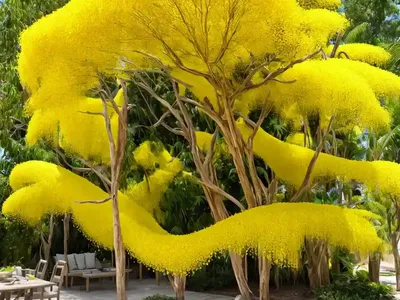
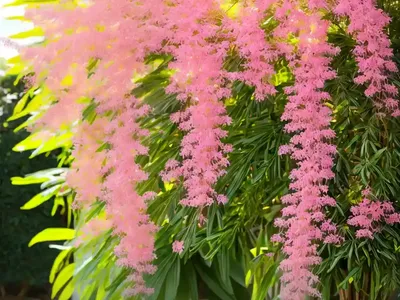
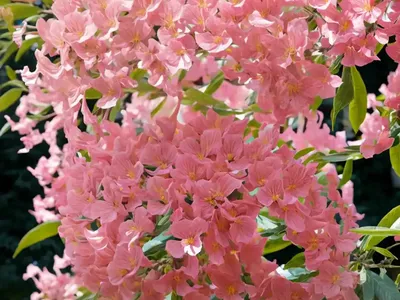
Indian-laburnum (Cassia Fistula)
Plants, with their diverse forms and functions, are the backbone of life on Earth. From towering trees to tiny mosses, each plant plays a crucial role in.
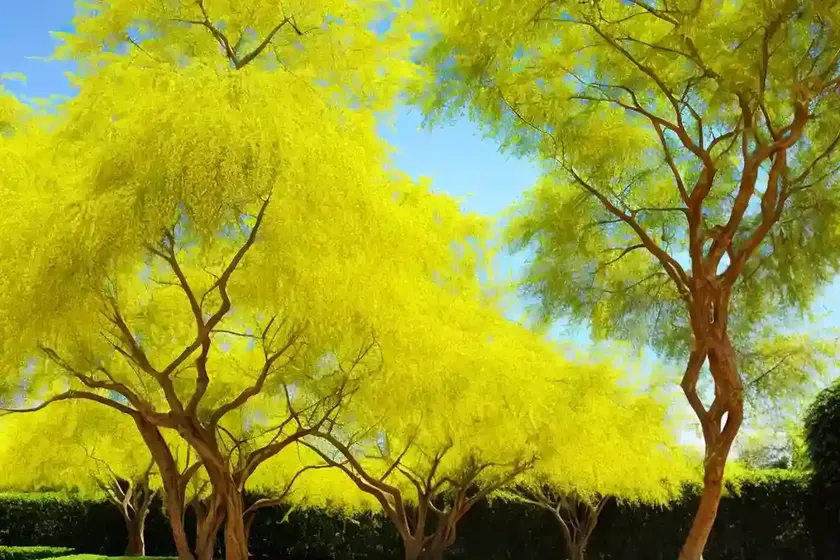
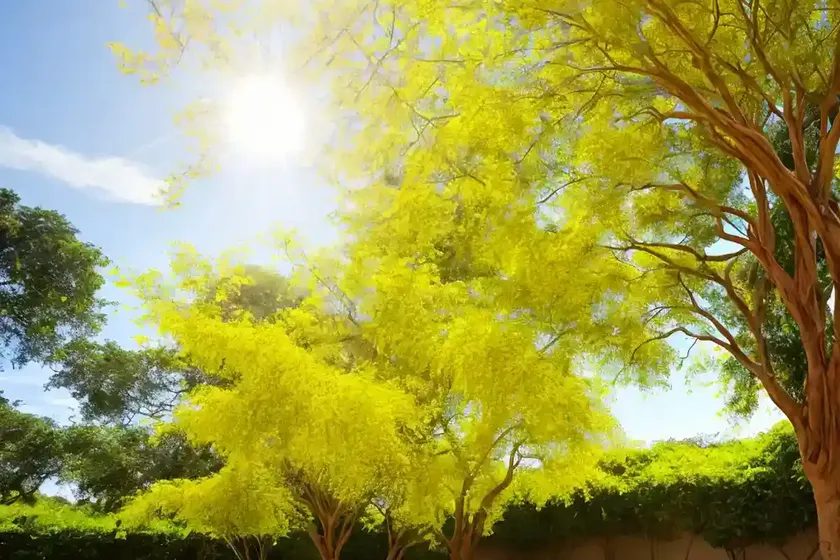
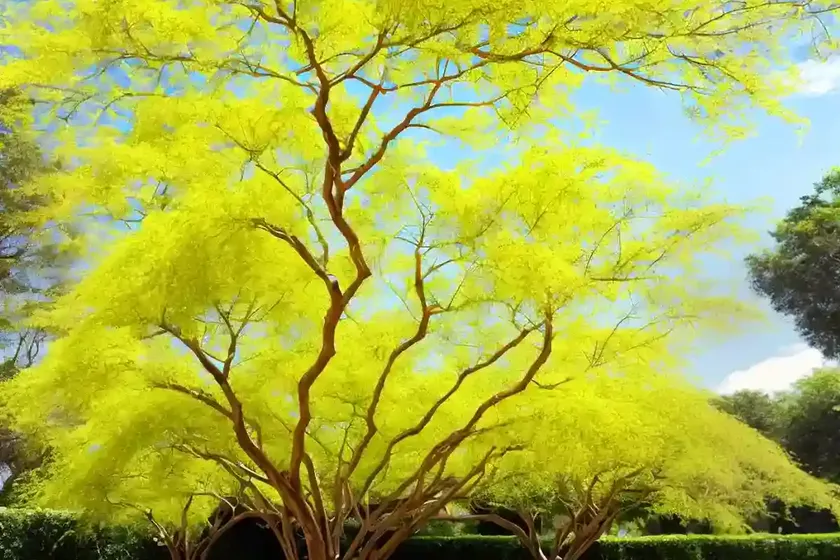
Plants, with their diverse forms and functions, are the backbone of life on Earth. From towering trees to tiny mosses, each plant plays a crucial role in sustaining ecosystems and supporting life. In this comprehensive guide, we’ll delve into the mesmerizing world of the Indian Laburnum, scientifically known as Cassia Fistula. From its cultural significance to its care requirements, this article aims to provide a deep understanding of this botanical wonder.
What is Indian Laburnum (Cassia Fistula)?
Indian Laburnum, commonly referred to as Cassia Fistula, is a striking tropical tree known for its vibrant, cascading clusters of yellow flowers. Belonging to the Fabaceae family, this species is native to the Indian subcontinent and other Southeast Asian countries. Its stunning floral display has earned it the moniker of “Golden Shower Tree,” and it holds significant cultural and medicinal value in various traditions.
Key Takeaways – Indian Laburnum (Cassia Fistula)
Before we delve into the nuances of cultivating and caring for the Indian Laburnum, let’s take a quick look at the key takeaways concerning this magnificent plant.
- Plant Name: Indian Laburnum (Cassia Fistula)
- Common Names: Golden Shower Tree, Amaltas
- Family: Fabaceae
- Native Habitat: Indian subcontinent, Southeast Asia
- Flower Color: Golden-yellow
- Cultural Significance: Used in traditional medicine and festivities
- Growth Habit: Deciduous tree
- Special Features: Long, cascading flower clusters
- Propagation: Typically from seeds
- Pruning: Minimal to maintain shape and remove dead branches
- Soil Type: Well-draining soil
- Watering Needs: Moderate; drought-tolerant once established
- Sunlight Requirements: Full sun
- Common Pests: Aphids, mealybugs
- Common Diseases: Root rot, leaf spot
- Popularity: Widely cultivated for ornamental and medicinal purposes
Now that we have a snapshot of the Indian Laburnum, let’s delve into the detailed aspects of its culture, uses, and care requirements.
Culture
The Indian Laburnum, with its striking appearance and cultural significance, is a cherished plant in many regions. Understanding its cultural context can provide deeper insights into its uses and care.
Uses
The Indian Laburnum holds multifaceted uses, ranging from traditional medicine to ornamental display. Let’s explore these applications in detail.
- Medicinal Uses: In traditional medicine systems, various parts of the Cassia Fistula tree, including the fruit pulp, leaves, and seeds, are utilized for their therapeutic properties. The plant is known for its laxative, anti-inflammatory, and antioxidant properties. It is used to treat constipation, skin conditions, and respiratory ailments.
- Aesthetic Appeal: Beyond its medicinal uses, the Indian Laburnum is widely cherished for its ornamental value. The breathtaking display of golden-yellow flowers adds a vibrant touch to landscapes, gardens, and avenues. Its visual appeal and the sweet fragrance of its blooms make it a popular choice for ornamental planting.
Water
Understanding the water requirements of the Indian Laburnum is essential for ensuring its health and vitality.
Watering Needs
- Young Trees: Newly planted Indian Laburnum trees require regular watering to establish their root systems. It is important to keep the soil consistently moist, but not waterlogged, during the initial phase of growth.
- Mature Trees: Once established, the Indian Laburnum exhibits good drought tolerance. However, during prolonged dry spells, providing supplemental watering can support optimal flowering and overall health.
Sunlight
Proper sunlight exposure is crucial for the Indian Laburnum to thrive and produce abundant blooms.
Sunlight Requirements
- Full Sun: The Indian Laburnum thrives in full sunlight, requiring at least 6-8 hours of direct sun exposure daily. Placing it in a location with ample sunlight will promote vigorous growth and profuse blooming.
Fertilizer
Applying the right fertilizers at the appropriate times can enhance the growth and flowering of the Indian Laburnum.
Fertilization Tips
- Balanced Fertilizer: In the early spring, before the onset of the growing season, apply a balanced, slow-release fertilizer to provide essential nutrients for robust growth and flowering.
- Organic Amendments: Incorporating well-rotted compost or organic matter into the soil around the base of the tree can improve the soil structure and provide a steady supply of nutrients to the roots.
Soil
The soil composition greatly influences the overall health and growth of the Indian Laburnum.
Soil Requirements
- Well-Draining Soil: Indian Laburnum thrives in well-draining soil that does not retain excess moisture. Soggy or waterlogged soil can lead to root rot and other detrimental conditions.
- pH Level: The ideal soil pH for Cassia Fistula ranges from slightly acidic to neutral, around 6.0-7.5. Conducting a soil test and amending the pH if necessary can optimize the plant’s nutrient uptake and overall health.
Pruning
Regular pruning helps maintain the Indian Laburnum’s form and health.
Pruning Guidelines
- Deadwood Removal: Periodic removal of dead or diseased branches promotes overall tree health and aesthetics.
- Thinning Out: Thinning out the interior branches can improve air circulation and light penetration, reducing the risk of diseases and promoting uniform growth.
- Trimming After Flowering: It is advisable to prune the tree after the flowering period to shape the canopy and remove any spent flower clusters.
Propagation
Understanding the propagation methods of Cassia Fistula is valuable for expanding its presence in gardens and landscapes.
Propagation Techniques
- Seeds: Indian Laburnum is commonly propagated from seeds. The seeds should be scarified or soaked in warm water before sowing to improve germination rates. Sowing the seeds in well-draining potting mix and maintaining consistently moist conditions can help in successful germination.
- Air Layering: While less common, air layering can also be employed as a propagation method for Cassia Fistula. This technique involves inducing roots on a stem section while it is still attached to the mother plant.
Container Popularity
The Indian Laburnum’s striking appearance and moderate size make it an enticing choice for container cultivation.
Container Gardening
- Suitable Containers: Choose spacious containers with adequate drainage holes to accommodate the Indian Laburnum’s root system and facilitate proper drainage.
- Soil Mix: Utilize a well-draining potting mix to ensure good aeration and moisture retention.
- Placement: Position the containers in a location that receives ample sunlight, as the Indian Laburnum thrives in full sun conditions.
Common Diseases
Being aware of potential diseases and their management is crucial for maintaining the Indian Laburnum’s health.
Disease Diagnosis
- Root Rot: Soggy or waterlogged soil can lead to root rot, causing the tree to exhibit wilting, yellowing foliage, and overall decline. Improving soil drainage and avoiding overwatering are essential for prevention.
- Leaf Spot: Fungal leaf spot diseases can affect the Indian Laburnum, leading to the development of dark lesions on the foliage. Applying fungicidal sprays and ensuring proper air circulation can mitigate the spread of leaf spot.
Common Pests
Keeping an eye out for common pests is vital for preventing damage to the Indian Laburnum.
Pest Management
- Aphids: These tiny, sap-sucking insects can infest the tender new growth of the Indian Laburnum, causing distorted leaves and reduced vigor. Insecticidal soaps or horticultural oils are effective for controlling aphid populations.
- Mealybugs: Mealybugs are another potential pest that can affect the Indian Laburnum, especially in indoor or greenhouse settings. Using natural predators like ladybugs or a strong stream of water can help dislodge and manage mealybug infestations.
Botanist’s Tips
To further enhance the understanding and care of Indian Laburnum, here are some valuable tips from botanists and horticulturists.
Tips for Success
- Mulching: Applying a layer of organic mulch around the base of the Indian Laburnum tree can conserve soil moisture, suppress weeds, and provide a steady release of nutrients as it breaks down.
- Regular Inspection: Periodically inspecting the foliage and stems for signs of pests, diseases, or nutrient deficiencies allows for timely intervention and maintenance.
- Supportive Structures: Providing adequate support for the heavy, cascading flower clusters can prevent branch breakage and enhance the tree’s overall aesthetic appeal.
Fun Facts
Discover some fascinating and lesser-known facts about the Indian Laburnum.
- The Indian Laburnum tree is the national tree of Thailand, where it is esteemed for its cultural and historical significance.
- In traditional Ayurvedic medicine, various parts of the Cassia Fistula tree are used in formulations for treating a range of ailments, including skin disorders and respiratory problems.
Understanding the rich history, cultural significance, and ecological roles of plants like the Indian Laburnum can deepen our appreciation for the natural world. As we continue exploring the botanical wonders around us, let’s ensure that we also contribute to their conservation and sustainable utilization.
Links to External Resources
For further insights, resources, and detailed information about Indian Laburnum, explore the following links:
- Cassia Fistula: A Comprehensive Review
- Medicinal Properties of Cassia Fistula
- Growing and Caring for Cassia Fistula
- National Flower and Tree of Thailand
Through these resources, you can gain a deeper understanding of the Indian Laburnum, its cultural significance, and practical tips for nurturing and appreciating this remarkable plant.
In conclusion, the Indian Laburnum, or Cassia Fistula, stands as a splendid example of nature’s beauty and botanical diversity. Whether adorning landscapes with its vibrant blooms or contributing to traditional medicine systems, this species continues to captivate and inspire plant enthusiasts and nature lovers worldwide. As we celebrate and learn from the Indian Laburnum, may we also embrace the broader tapestry of flora that graces our planet, nurturing and preserving it for generations to come.