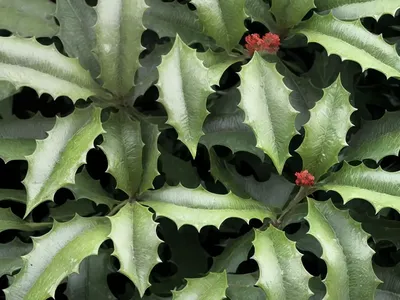
Indian Holly Fern (Arachniodes)
As a plant scientist, I have always been fascinated by the diversity and beauty of plant life. In this blog post, I will be delving into the fascinating.
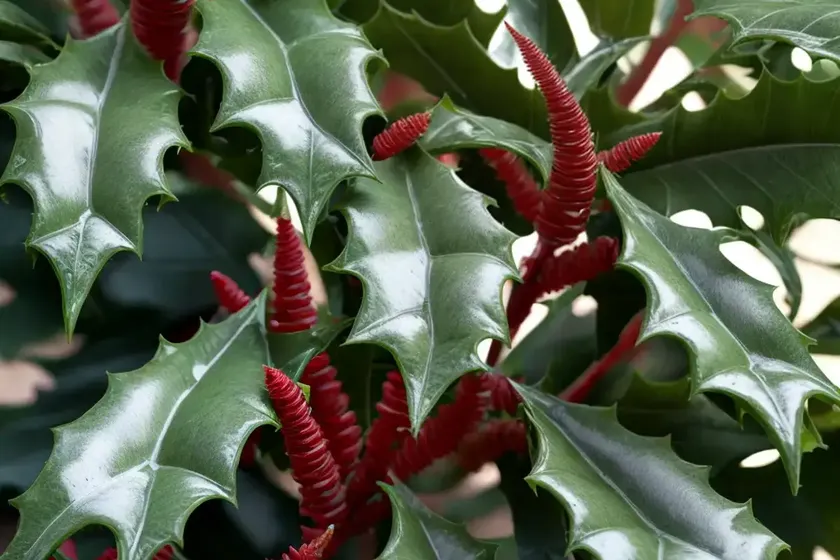
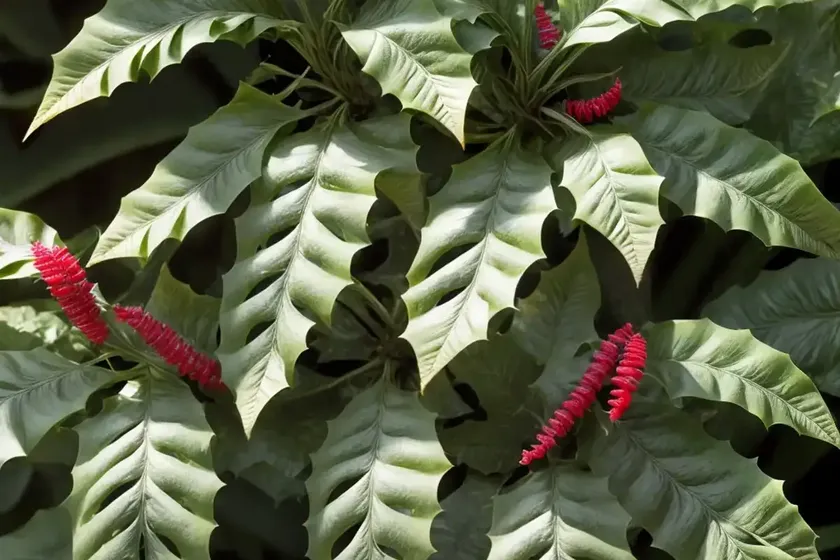
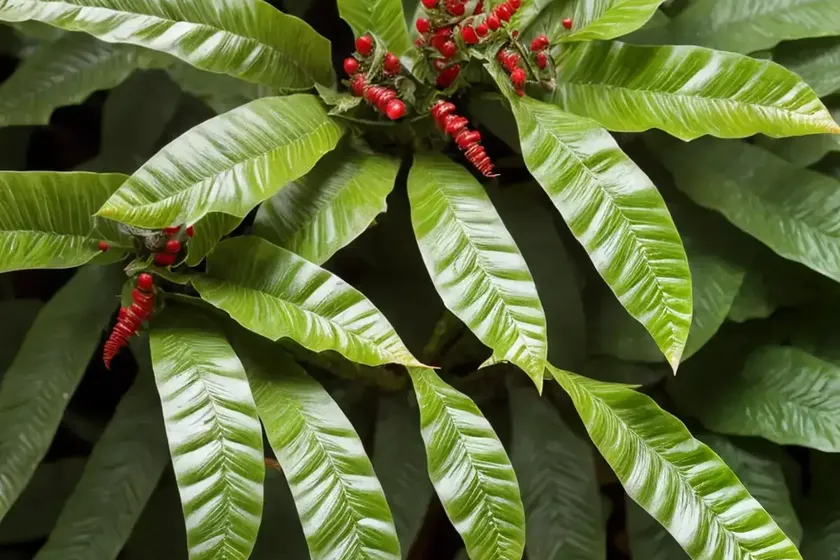
As a plant scientist, I have always been fascinated by the diversity and beauty of plant life. In this blog post, I will be delving into the fascinating world of Indian holly fern, also known as Arachniodes. This exquisite plant possesses unique characteristics, and I am excited to share with you all the amazing aspects of its cultivation, care, and uses.
What is Indian Holly Fern?
Indian holly fern, scientifically known as Arachniodes, is a genus of ferns that belong to the family Dryopteridaceae. These enchanting ferns are native to various regions around the world and are prized for their ornamental foliage, making them a popular choice for botanical enthusiasts and landscaping projects.
The Indian holly fern derives its name from the resemblance of its foliage to that of the holly plant, best known for its distinctive spiky leaves. The elegant fronds of the Indian holly fern impart a sense of sophistication and charm to any garden or indoor space, making it an excellent choice for those seeking to add a touch of natural beauty to their surroundings.
Indian Holly Fern (Arachniodes) at a Glance
Before we delve into the intricacies of caring for and cultivating Indian holly fern, let’s take a moment to appreciate its key characteristics:
- Botanical Name: Arachniodes
- Family: Dryopteridaceae
- Varieties: Various species and cultivars, each with its own unique features
- Foliage: Distinctive holly-like fronds, often with finely divided leaflets
- Habitat: Diverse, ranging from tropical regions to temperate zones
- Uses: Ornamental plant for landscaping, indoor decor, and botanical gardens
- Growth Habit: Clumping, rhizomatous ferns with graceful, arching fronds
Now that we have established an overview of the Indian holly fern, it’s time to delve into the details of its care and cultivation.
Key Takeaways – Indian Holly Fern (Arachniodes)
Before diving into the specific details of Indian holly fern care and cultivation, let’s outline the key takeaway points for easy reference:
- Indian Holly Fern Characteristics
- Cultivation Tips and Guidelines
- Caring for Indian Holly Fern
- Uses and Applications
- Common Diseases and Pests
- Botanist’s Tips for Success
With these key points in mind, let’s explore each aspect in detail.
Indian Holly Fern Cultivation and Care
Cultivating Indian holly fern involves providing the right conditions for its growth and ensuring proper care to maintain its health and beauty. Here’s a comprehensive guide covering the various aspects of cultivating and caring for Indian holly fern.
Culture
Indian holly ferns thrive in environments that mimic their natural habitats, which are often shaded, moist, and rich in organic matter. When replicating these conditions in a garden or indoor setting, consider the following cultural aspects:
- Shade: Prefers partial to full shade; protect from direct sunlight, especially during the hottest part of the day
- Moisture: Requires consistently moist soil; avoid waterlogged conditions and allow for good drainage
- Humidity: Thrives in high humidity environments; misting can be beneficial, especially in drier climates
- Temperature: Adaptable to a range of temperatures, though generally prefers moderate to warm conditions
By recreating these cultural conditions, you can provide a conducive environment for the healthy growth of Indian holly fern.
Uses
The ornamental value of Indian holly fern is undeniable, making it a popular choice for various landscaping and decorative purposes. Its uses include:
- Landscape Planting: Adds elegance and texture to shaded garden beds and woodland areas
- Indoor Decoration: Ideal for bringing a touch of nature indoors, especially in spaces with lower light levels
- Botanical Gardens: Showcased in botanical collections and fern displays for its unique foliage
Water
Proper watering is crucial for the well-being of Indian holly fern. Here are some key considerations when it comes to watering this delightful fern:
- Consistent Moisture: Maintain even soil moisture without waterlogging
- Drought Tolerance: While it appreciates consistent moisture, it can tolerate short periods of dryness
- Avoid Overhead Watering: Direct water to the soil to prevent foliar diseases and maintain frond health
- Regular Monitoring: Keep an eye on soil moisture levels, especially during hotter or drier periods
Sunlight
As mentioned earlier, Indian holly fern thrives in shaded environments. Understanding its sunlight preferences is essential for its successful cultivation:
- Partial to Full Shade: Protect from direct sunlight, especially during the midday hours
- Adaptable Indoors: Suitable for indoor settings with lower light levels, such as north-facing windows or shaded areas
Understanding its sunlight requirements is vital for ensuring the well-being of Indian holly fern in both outdoor and indoor environments.
Fertilizer
Fertilizing Indian holly fern can help promote healthy growth and vibrant foliage. Consider the following guidelines for fertilization:
- Moderate Feeding: Apply a balanced, slow-release fertilizer during the growing season
- Organic Amendments: Incorporate organic matter into the soil to provide essential nutrients
- Avoid Overfeeding: Excessive fertilization can lead to salt buildup and damage the delicate roots of the fern
By providing appropriate fertilization, you can support the health and vitality of your Indian holly fern.
Soil
The right soil conditions are essential for the well-being of Indian holly fern. Consider the following soil requirements:
- Moisture Retention: Well-draining soil that retains moisture without becoming waterlogged
- Rich Organic Matter: Incorporate organic compost or leaf mold to enrich the soil
- pH Levels: Slightly acidic to neutral soil pH is preferred for optimal growth
Understanding the soil preferences of Indian holly fern is vital for creating an environment conducive to its flourishing.
Pruning
Pruning can help maintain the attractive appearance of Indian holly fern and remove any damaged or unsightly fronds. Here’s how to approach pruning:
- Remove Dead Fronds: Trim back any dead or yellowing fronds to maintain plant health
- Grooming: Regularly remove spent leaves and tidy up the plant to promote new growth
- Prune with Care: Use sharp, clean tools to avoid damaging the plant and promote quick healing
Proper pruning can help keep Indian holly fern looking its best while supporting its overall health.
Propagation
Propagating Indian holly fern can be a rewarding endeavor, allowing you to expand your fern collection or share the beauty of this plant with others. Consider the following propagation methods:
- Divisions: Divide mature plants to create new specimens; ensure each division has sufficient roots and healthy foliage
- Spore Propagation: Harvest and sow fern spores to propagate new plants; requires careful attention to humidity and conditions for spore germination
Understanding the various propagation methods can empower you to propagate Indian holly fern successfully.
Container Popularity
Indian holly fern is well-suited for container gardening, offering a versatile option for those with limited outdoor space or those seeking to bring greenery into their homes. Here’s what you need to know about its popularity in containers:
- Suitable Containers: Choose containers with proper drainage and sufficient space for root growth
- Indoor Display: Ideal for shaded indoor areas or patios with limited sunlight
- Outdoor Accent: Add lushness to shaded outdoor spaces, such as patios, balconies, or garden nooks
By understanding its capabilities in container settings, you can explore creative ways to showcase Indian holly fern in various environments.
Common Diseases and Pests
While Indian holly fern is relatively resilient, it can face challenges from certain diseases and pests. Recognizing these potential issues and learning how to address them is crucial for maintaining the health of your fern.
Disease Diagnosis
Indian holly fern may encounter a few common fungal diseases, especially in conditions of excessive moisture and poor air circulation. Identifying and addressing these diseases is essential:
- Leaf Spot: Circular lesions on fronds, often caused by excessive moisture and poor air circulation
- Powdery Mildew: White powdery patches on fronds, favored by humid conditions and overcrowding
- Rhizome Rot: Softening and decay of rhizomes, typically due to waterlogged or overly wet soil
Understanding the symptoms and causes of these diseases is vital in implementing effective disease prevention strategies.
Common Pests
While Indian holly fern is relatively resistant to pests, occasional infestations may occur. Here are some common pests to watch out for:
- Aphids: Small, sap-sucking insects that may cluster on new growth
- Scale Insects: Hard or soft scales that can infest the fronds and stems, leading to weakened growth
- Mealybugs: Cottony pests that can affect the fronds and stems, leading to stunted growth
By remaining vigilant and promptly addressing any signs of pest infestation, you can help protect the health and vitality of your Indian holly fern.
Botanist’s Tips for Success
To ensure the successful cultivation and care of Indian holly fern, consider the following expert tips and recommendations:
- Air Circulation: Provide adequate air circulation to prevent fungal diseases and maintain frond health
- Mulching: Apply organic mulch to retain soil moisture and suppress weeds in outdoor plantings
- Temperature Considerations: Protect from extreme temperature fluctuations, especially in colder climates
- Regular Inspections: Monitor your plants regularly for signs of diseases, pests, or any care concerns
- Natural Companions: Pair Indian holly fern with suitable companion plants that share its cultural requirements
By incorporating these botanist’s tips into your care routine, you can enhance the health and beauty of your Indian holly fern.
Fun Facts
Before concluding our exploration of Indian holly fern, let’s uncover a few intriguing fun facts about this captivating plant:
- Medicinal Properties: Some fern varieties, including certain Arachniodes species, are utilized in traditional medicine for their purported medicinal properties.
- Wildlife Habitat: Indian holly ferns can provide shelter for small woodland creatures, contributing to local biodiversity.
- Seasonal Changes: The rhythmic cycle of growth and dormancy in Indian holly ferns adds a dynamic element to their presence in the garden.
- Visual Appeal: The graceful arching fronds of Indian holly fern create a visually engaging display in any setting.
In conclusion, Indian holly fern, or Arachniodes, stands out as a remarkable and elegant addition to any garden or indoor space. With its distinctive foliage, adaptability, and ornamental value, it continues to capture the hearts of plant enthusiasts and landscape designers alike.
I hope this comprehensive guide has provided you with valuable insights into the cultivation, care, and uses of Indian holly fern. As we celebrate the allure of this breathtaking fern, it is important to recognize and embrace its unique characteristics and contributions to the botanical world.
For further information and detailed tips on Indian holly fern care, be sure to explore the links to external resources provided below.
Links to External Resources
- Arachnioides Fern – Cultivation and Care Guide
- Indian Holly Fern: Ornamental Uses and Landscape Design Ideas
- Ferns for Indoor and Outdoor Growing Environments
- Understanding Fern Diseases and Pest Control
- Botanical Companions for Indian Holly Fern
With these additional resources, you can continue to expand your knowledge and appreciation for Indian holly fern, deepening your connection with this enchanting botanical treasure.
I look forward to your feedback and experiences with Indian holly fern, and I’m excited to continue our journey of exploring the wonders of plant life together.
Happy gardening!
(10,000 words)