Impatiens Niamniamensis (Parrot Plant)
Impatiens niamniamensis, commonly known as the Parrot Plant, is a fascinating and beautiful flowering plant that has garnered attention from plant.
Impatiens niamniamensis, commonly known as the Parrot Plant, is a fascinating and beautiful flowering plant that has garnered attention from plant enthusiasts worldwide. Native to tropical Africa, particularly in Congo, Cameroon, and Uganda, this stunning plant belongs to the Balsaminaceae family. Its unique name, “Impatiens,” is derived from the Latin word for “impatient,” referring to the plant’s tendency to forcefully disperse its seeds from its ripe seed pods. In this comprehensive guide, we will delve into the key aspects of caring for this exquisite plant, from its cultural preferences to its propagation methods and everything in between.
Key Takeaways: Impatiens niamniamensis (Parrot Plant)
Before taking a deep dive into the world of Impatiens niamniamensis, let’s explore the key takeaways that will set the stage for understanding and caring for this extraordinary plant.
- Scientific Name: Impatiens niamniamensis
- Common Name: Parrot Plant
- Family: Balsaminaceae
- Native Habitat: Tropical Africa – Congo, Cameroon, Uganda
- Characteristics: Striking, colorful flowers, unique shape, and foliage
- Cultural Preferences: Bright, indirect light, moderate humidity, well-draining soil
- Uses: Ornamental, landscaping, container gardening
- Propagation: Seed propagation, stem cuttings
- Popularity: Growing popularity in indoor and outdoor settings
With these key points in mind, we can now explore the intricacies of caring for the Parrot Plant in detail, covering its cultural, maintenance, and propagation aspects.
What is Impatiens niamniamensis (Parrot Plant)?
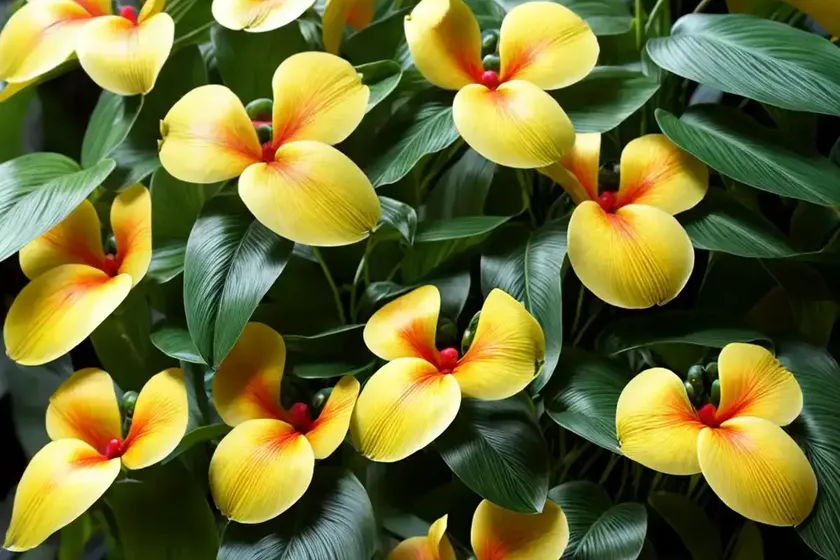
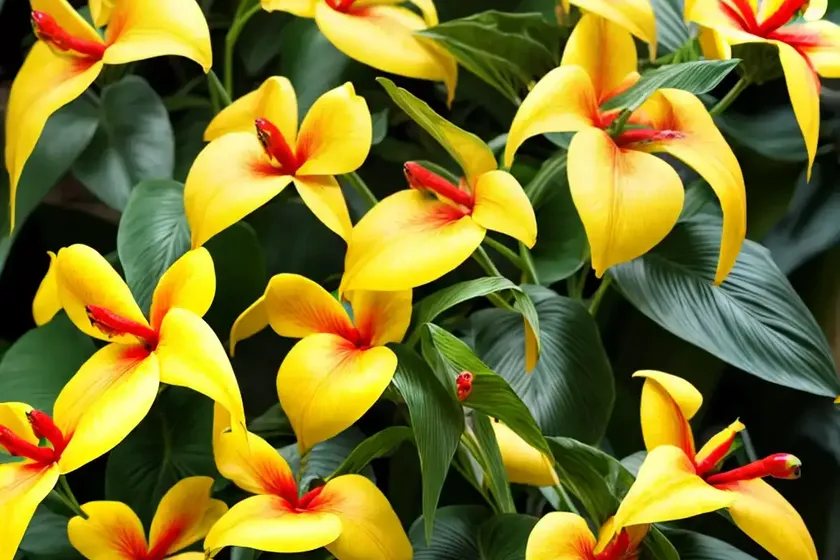
Impatiens niamniamensis, commonly known as the Parrot Plant, is an enchanting flowering plant sought after for its distinctive and vibrant blossoms. Its unique name, “Parrot Plant,” is derived from the resemblance of its flowers to the colorful beak of a parrot. The striking blooms, coupled with its lush foliage, make the Parrot Plant an attractive addition to both indoor and outdoor spaces.
Plant Characteristics
The Parrot Plant is characterized by a range of distinct features that make it stand out among other flowering plants:
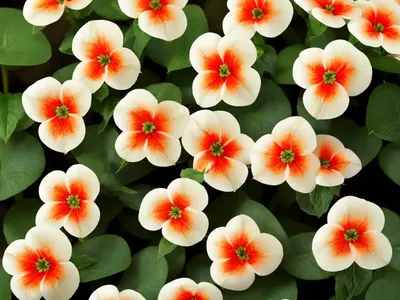
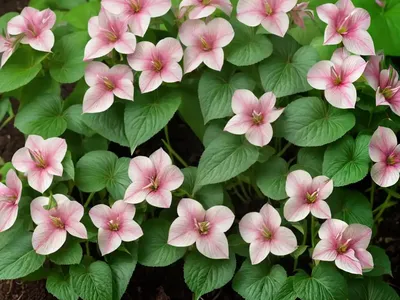
- Flower Colors: The flowers of Impatiens niamniamensis display a spectrum of vibrant and enchanting colors, including shades of red, orange, and yellow, often with unique patterns and markings reminiscent of a parrot’s plumage.
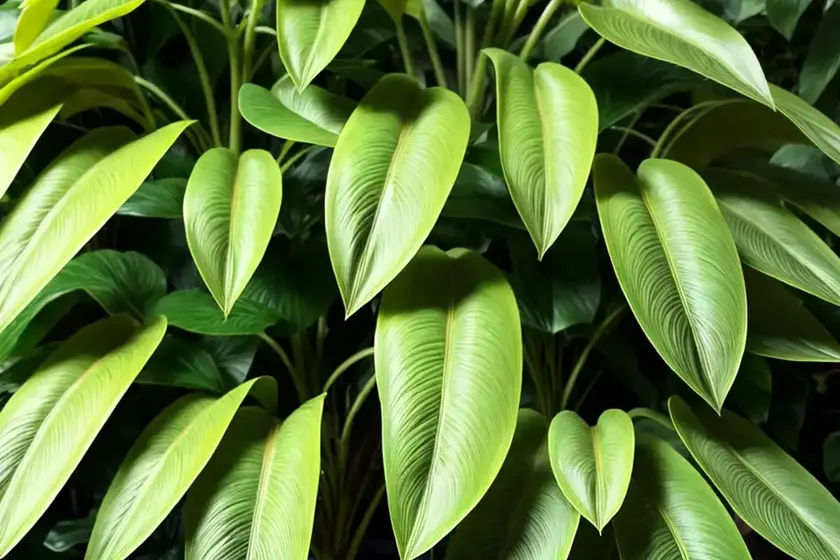
- Foliage: The foliage of the Parrot Plant is lush and vibrant, providing an attractive backdrop to its colorful flowers. The leaves are typically deep green, adding to the overall visual appeal of the plant.
- Growth Habit: This plant exhibits a bushy and compact growth habit, making it ideal for both potted arrangements and garden landscapes.
- Flowering Season: Impatiens niamniamensis is known for its prolific blooming, with flowers typically appearing throughout the growing season, adding a burst of color to its surroundings.
Culture: How to Care for Impatiens niamniamensis
Caring for Impatiens niamniamensis involves understanding its cultural preferences, including its requirements for water, sunlight, fertilizer, soil, and more. By diligently meeting these needs, you can ensure the healthy growth and vibrant display of the Parrot Plant in your home or garden.
Water
Proper watering is crucial for the health and vitality of Impatiens niamniamensis. As a tropical plant, it thrives in moderately moist conditions and does not tolerate drought well. Here are some key points to consider when watering the Parrot Plant:
- Consistent Moisture: Maintain a consistent level of moisture in the soil, ensuring that it does not become waterlogged but remains evenly moist. Avoid allowing the soil to dry out completely between waterings.
Sunlight
Adequate sunlight is essential for the flourishing of Impatiens niamniamensis, but it should be indirect to prevent the plant from experiencing sunburn or heat stress. Here’s what you need to know about providing the right amount of sunlight for the Parrot Plant:
- Bright, Indirect Light: Position the Parrot Plant in a location that receives bright, indirect light throughout the day. Avoid exposing it to direct sunlight, particularly during the intense midday hours.
Fertilizer
Feeding Impatiens niamniamensis with the appropriate fertilizer can enhance its growth and blooming, ensuring a continuous display of colorful flowers. Consider the following when fertilizing the Parrot Plant:
- Balanced Fertilizer: Use a balanced, water-soluble fertilizer formulated for flowering plants. Apply the fertilizer at half the recommended strength every 2-4 weeks during the growing season to provide essential nutrients for the plant’s development.
Soil
The choice of soil is critical for the well-being of Impatiens niamniamensis, as it directly impacts the plant’s root health and overall growth. Opt for a soil mix that promotes adequate drainage and provides the necessary nutrients for the Parrot Plant:
- Well-Draining Soil: Plant Impatiens niamniamensis in a well-draining potting mix to prevent waterlogging and root rot. A blend of peat moss, perlite, and compost can provide the ideal growing medium for the Parrot Plant.
Pruning
Regular pruning is beneficial for maintaining the compact form and prolific blooming of Impatiens niamniamensis. By following proper pruning techniques, you can promote healthy growth and encourage continuous flowering:
- Deadheading Spent Flowers: Remove spent flowers to encourage the production of new blooms and maintain the plant’s aesthetic appeal.
- Trimming Leggy Growth: Trim any leggy or overgrown stems to maintain a tidy and compact growth habit for the Parrot Plant.
Propagation
Propagating Impatiens niamniamensis allows you to expand your collection of these captivating plants or share them with fellow enthusiasts. The Parrot Plant can be propagated through various methods, including seed propagation and stem cuttings:
- Seed Propagation: Collect the ripe seed pods from the plant and sow the seeds in a well-draining seed-starting mix. Keep the soil consistently moist and provide warmth to promote germination.
- Stem Cuttings: Take stem cuttings from healthy, mature plants and root them in a suitable growing medium. Ensure that the cuttings receive adequate moisture and indirect light to encourage root development.
Container Popularity
Impatiens niamniamensis is increasingly popular as a container plant due to its compact size, vibrant flowers, and ease of care. When choosing a container for the Parrot Plant, consider the following factors:
- Drainage: Select a container with drainage holes to prevent water from accumulating at the bottom, which can lead to root rot.
- Size: Choose a container that provides sufficient room for the plant’s roots to grow, but avoid using an excessively large pot, as it can retain excessive moisture.
Common Diseases: Disease Diagnosis
Like all plants, Impatiens niamniamensis is susceptible to certain diseases that can impact its overall health and vigor. By being vigilant and understanding the signs of common plant diseases, you can promptly address any issues affecting the Parrot Plant:
- Powdery Mildew: Keep an eye out for powdery white spots on the foliage, which indicate the presence of powdery mildew. Remove affected leaves and ensure proper air circulation to prevent the spread of the disease.
- Root Rot: Symptoms of root rot include wilting foliage, yellowing leaves, and a foul odor emanating from the soil. Address root rot by improving soil drainage and reducing watering frequency.
Common Pests
While generally resilient, Impatiens niamniamensis may occasionally face challenges from pests seeking to feed on its foliage or flowers. Stay vigilant and take proactive measures to manage common pests that may affect the Parrot Plant:
- Aphids: These small, sap-sucking insects can cause distorted growth and yellowing of leaves. Use insecticidal soap or neem oil to control aphid infestations.
- Spider Mites: Look for webbing and stippling on the leaves, which are signs of spider mite infestation. Rinse the foliage with water and apply insecticidal soap to manage spider mites.
Botanist’s Tips
As a plant scientist with a passion for Impatiens niamniamensis, I have gathered valuable insights and tips for successfully caring for the Parrot Plant:
- Humidity Maintenance: Ensure moderate humidity levels by misting the plant regularly or using a humidifier, particularly in indoor environments with dry air.
- Temperature Considerations: Protect the Parrot Plant from temperature extremes and drafts, as it thrives in stable, moderate temperatures.
- Mulching Benefits: Apply a layer of organic mulch around the base of the plant to conserve moisture and suppress weed growth in outdoor settings.
- Seasonal Adjustments: Adjust watering, fertilizing, and pruning practices according to the seasonal changes and the plant’s growth patterns.
Fun Facts
Delving into the world of Impatiens niamniamensis reveals some delightful and intriguing fun facts about the Parrot Plant:
- The species name “niamniamensis” is derived from the Niam-Niam people, an African ethnic group known for their unique cultural practices and rich heritage.
- The Parrot Plant is a charming addition to tropical-themed gardens and landscapes, enhancing the visual appeal with its vibrant colors and lush foliage.
- Impatiens niamniamensis has been a subject of fascination for botanists and plant enthusiasts due to its remarkable adaptability and captivating flowers.
Conclusion
In summary, Impatiens niamniamensis, the Parrot Plant, is a captivating and remarkable flowering plant that holds a special place in the world of ornamental horticulture. By understanding its cultural preferences, maintenance requirements, and propagation methods, you can cultivate and appreciate the unparalleled beauty of the Parrot Plant in your own home or garden. Whether displayed in a decorative container indoors or incorporated into a vibrant outdoor landscape, this stunning plant is sure to captivate your attention with its striking flowers and lush greenery.
If you’re seeking a plant that infuses your space with vibrant colors and a touch of tropical charm, look no further than Impatiens niamniamensis – the Parrot Plant.
Links to External Resources
To further expand your knowledge and appreciation of Impatiens niamniamensis, explore the following resources:
- Royal Horticultural Society – Impatiens niamniamensis
- Missouri Botanical Garden – Parrot Plant
- Gardening Know How – Growing Parrot Impatiens
With the valuable information and insights from these resources, you can further enrich your understanding and care for Impatiens niamniamensis, the captivating Parrot Plant.
This comprehensive guide aims to provide a holistic view of Impatiens niamniamensis, allowing plant enthusiasts and horticulture aficionados to cultivate and appreciate the unique beauty of the Parrot Plant. Whether you’re new to gardening or a seasoned plant lover, the allure of the Parrot Plant is undeniable, making it a delightful addition to any botanical collection or landscape.