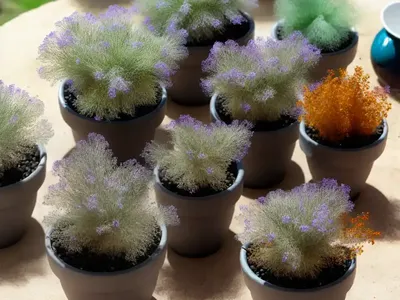
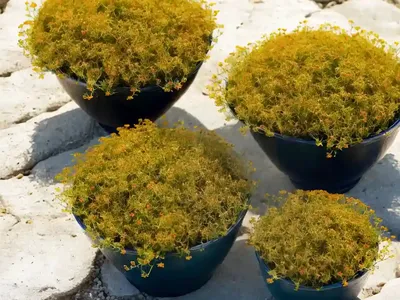
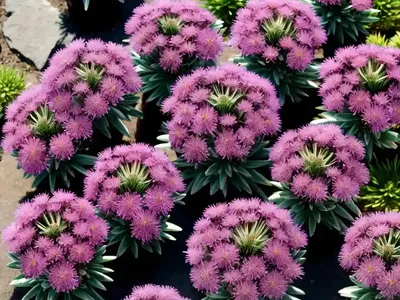
Iceplant (Delosperma Cooperi)
Iceplant, scientifically known as Delosperma cooperi, is a stunning succulent known for its vibrant blooms and hardy nature. Its low maintenance.
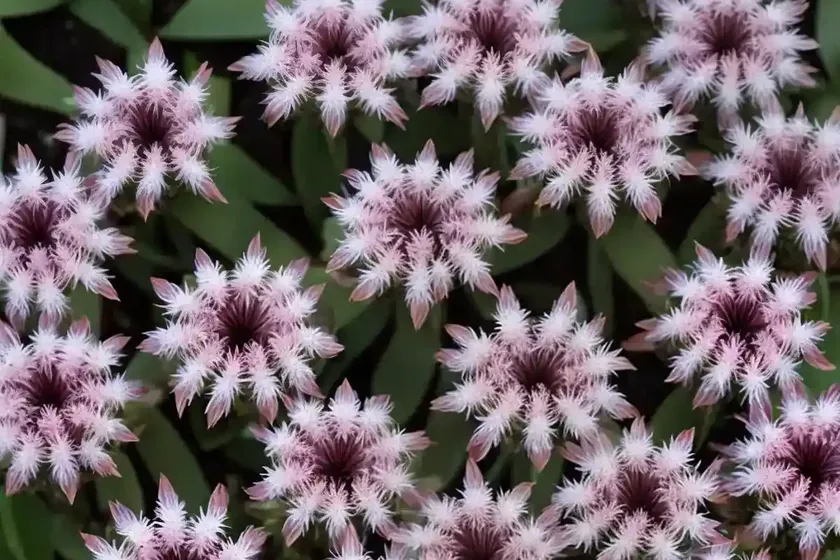
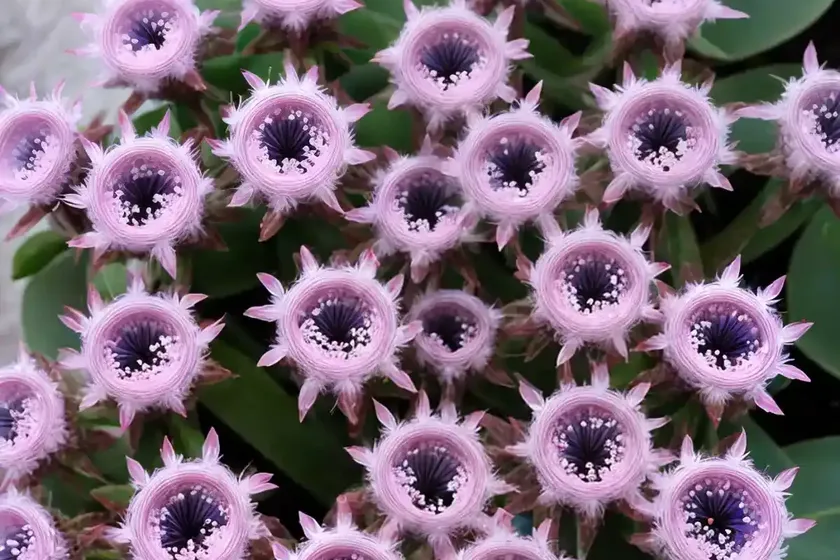
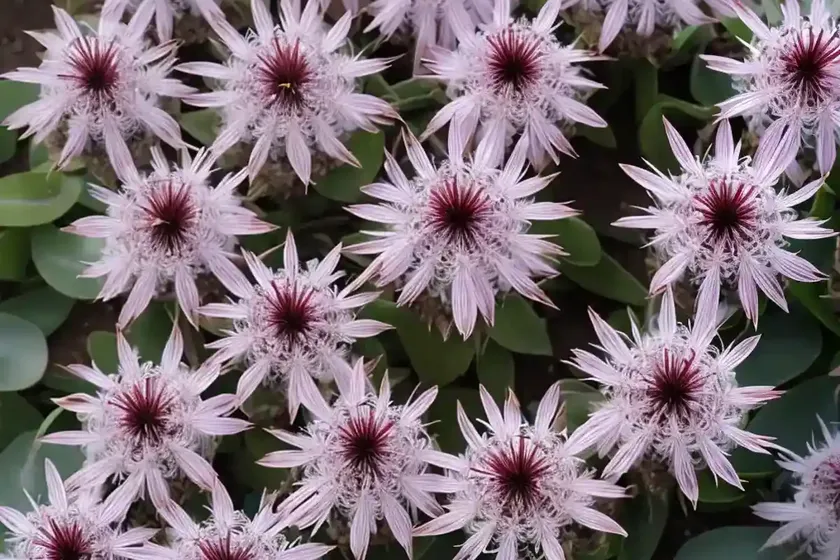
Iceplant, scientifically known as Delosperma cooperi, is a stunning succulent known for its vibrant blooms and hardy nature. Its low maintenance requirements, drought tolerance, and versatility make it a popular choice for gardeners and landscapers alike. In this comprehensive guide, we will delve into the cultivation, care, uses, and interesting facts about Iceplant, and provide valuable insights for anyone looking to incorporate this beautiful plant into their outdoor spaces.
What is Iceplant (Delosperma cooperi)?
Iceplant, also commonly referred to as cooper’s ice plant or hardy ice plant, is a species of flowering succulent in the Aizoaceae family. It is native to South Africa and is characterized by its sprawling growth habit, fleshy green leaves, and stunning daisy-like flowers that bloom in an array of vibrant colors, including shades of pink, purple, orange, yellow, and white.
Key Takeaways – Iceplant (Delosperma cooperi)
Before diving into the specifics of cultivating and caring for Iceplant, let’s highlight some key takeaways regarding this remarkable plant:
- Low Maintenance: Iceplant is prized for its low maintenance requirements, making it an ideal choice for busy gardeners or those looking to reduce the time and effort needed for plant care.
- Drought Tolerant: With its succulent leaves and stems, Delosperma cooperi exhibits excellent drought tolerance, making it well-suited for dry or arid environments and water-wise landscaping.
- Vibrant Blooms: The plant’s flowers, which come in a diverse range of striking colors, add a vibrant and eye-catching touch to any garden or landscape.
- Versatile: Iceplant is a versatile plant that can be used as ground cover, in rock gardens, in containers, and as an erosion control method, offering a range of landscaping possibilities.
Now, let’s explore the essential aspects of cultivating and caring for Iceplant, including its cultural preferences, uses, and maintenance requirements.
Culture
Successful cultivation of Iceplant (Delosperma cooperi) requires an understanding of its specific cultural needs, including water, sunlight, fertilizer, soil, and pruning practices.
Water
Iceplant is well-known for its ability to thrive in dry conditions, and as a succulent, it has adapted to store water in its leaves and stems. This makes it particularly well-suited for xeriscaping, where low water use is a priority. When it comes to watering your Iceplant, here are some key considerations:
- Well-Draining Soil: Iceplant prefers well-draining soil and is susceptible to root rot in excessively wet conditions. Ensure that the soil is porous and free-draining to prevent waterlogged roots.
- Moderate Watering: While Iceplant is drought-tolerant, it still requires occasional watering, particularly during prolonged dry spells. Water deeply when the soil is dry to the touch, but be cautious not to overwater, as this can lead to problems such as fungal diseases.
- Established Plants: Once established, Iceplant typically requires minimal supplemental watering, relying mainly on natural rainfall to meet its moisture needs.
Sunlight
Delosperma cooperi thrives in bright sunlight and is well-suited for sunny locations in the garden or landscape. When it comes to sunlight requirements, consider the following:
- Full Sun Exposure: This plant flourishes in full sun, meaning it requires a minimum of 6-8 hours of direct sunlight each day. Position it in a location with ample sunlight exposure to encourage robust growth and prolific flowering.
- Southern Exposure: In regions with hot summers, some afternoon shade can be beneficial to protect the plant from excessive heat and sunburn. However, in cooler climates, full sun exposure is generally well-tolerated.
Fertilizer
Iceplant, as a low-maintenance and adaptable plant, has relatively modest fertilizer needs. Here’s what you should keep in mind when it comes to fertilizing Delosperma cooperi:
- Minimal Fertilization: Iceplant is not a heavy feeder and generally thrives without the need for frequent fertilization. An annual application of a balanced, low-potency fertilizer in the spring is typically sufficient to support healthy growth and flowering.
- Dilute Application: When applying fertilizer, use a diluted solution at half or quarter strength to avoid overfeeding, which can lead to excessive vegetative growth at the expense of flowering.
- Organic Options: If preferred, organic or slow-release fertilizers can be used to provide a gentle, continuous nutrient supply to the plant over an extended period.
Soil
The soil composition and drainage play a crucial role in the successful cultivation of Iceplant. Consider the following guidelines for selecting and preparing the ideal soil for Delosperma cooperi:
- Well-Drained Soil: Iceplant thrives in sandy or gravelly soils with excellent drainage. Amending heavy clay soils with sand, perlite, or gravel can help improve drainage and prevent excess water retention.
- Neutral to Slightly Acidic pH: Aim for a soil pH in the range of 6.0 to 7.0, as Iceplant generally prefers slightly acidic to neutral soil conditions. Regular soil testing can help ensure that the pH remains within the appropriate range for optimal growth.
- Raised Beds or Slopes: In areas with heavy or poorly drained soils, planting Iceplant in raised beds, mounds, or on slopes can further enhance drainage and mitigate the risk of waterlogged conditions.
Pruning
Iceplant is a relatively low-maintenance plant, and pruning requirements are minimal. However, the following pruning practices can help maintain the plant’s appearance and promote healthy growth:
- Deadheading Spent Flowers: Regular deadheading, which involves the removal of faded or spent flowers, can encourage the plant to produce continuous blooms and prevent the formation of seed heads.
- Trimming Leggy Growth: If the plant becomes leggy or develops an unkempt appearance, light pruning can be performed in late spring or early summer to encourage a more compact and bushy growth habit.
- Trimming Winter Damage: In regions with cold winters, any winter damage or dieback can be trimmed in early spring to promote new growth and rejuvenate the plant for the upcoming growing season.
Uses
Iceplant (Delosperma cooperi) offers a range of practical and aesthetic uses in various landscaping and garden settings, thanks to its vibrant blooms, low maintenance requirements, and adaptability to diverse environmental conditions. Let’s explore the diverse uses of Iceplant:
- Ground Cover: Iceplant is commonly used as a ground cover in gardens, landscapes, and xeriscapes, where its spreading growth habit forms a dense mat that suppresses weeds and adds color to the ground.
- Rock Gardens: The low-growing and drought-tolerant nature of Delosperma cooperi makes it an excellent choice for rock gardens, where it can thrive in the well-draining soil and sunny conditions typical of these landscaping features.
- Containers: Iceplant is well-suited for container gardening, where its trailing stems and colorful flowers can spill over the edges of pots, hanging baskets, and other containers, adding visual interest to patios, decks, and balconies.
- Erosion Control: Due to its mat-forming growth and anchoring roots, Iceplant is often used to stabilize slopes, prevent soil erosion, and provide ground cover in erosion-prone areas.
- Xeriscaping: As a drought-tolerant plant, Iceplant is a staple in xeriscape designs, where it can thrive with minimal water input and contribute to water-efficient landscaping solutions.
- Pollinator Gardens: The nectar-rich flowers of Delosperma cooperi attract pollinators such as bees, butterflies, and other beneficial insects, making it a valuable addition to pollinator-friendly gardens.
Propagation
Propagating Iceplant (Delosperma cooperi) is relatively straightforward and can be accomplished through several methods, including division, stem cuttings, and seed sowing. Here’s an overview of the primary propagation techniques for Iceplant:
Division
Dividing established Iceplant clumps is an effective way to create new plants and rejuvenate older, overcrowded specimens. The best time to divide Iceplant is in early spring, just as new growth begins to emerge. Follow these steps for successful division:
- Prepare the New Planting Site: Choose a location with well-draining soil and adequate sunlight for the new divisions, ensuring that the soil is well-prepared and free of competing weeds.
- Lift and Divide the Clump: Gently lift the entire clump of Iceplant from the soil and use a sharp, clean knife or garden spade to separate it into smaller sections, each containing roots and growing points.
- Plant the Divisions: Replant the divided sections at the same depth as the original plant, ensuring that the roots are well-covered with soil. Water the newly planted divisions thoroughly to help them establish in their new location.
Stem Cuttings
Propagation via stem cuttings offers a simple and efficient way to expand your Iceplant collection or share the plant with others. Here’s how to propagate Iceplant from stem cuttings:
- Select Healthy Cuttings: Choose healthy, non-flowering stems from the parent plant, ensuring they are free of disease, damage, or signs of stress. Cuttings that are 4-6 inches long are typically ideal for propagation.
- Preparation and Planting: Remove the lower leaves from the stem cuttings, allowing them to callus for a day or two before placing them in a well-draining rooting medium, such as perlite or sand. Water the cuttings lightly and place them in a warm, bright location.
- Root Development: Over the following weeks, monitor the cuttings for root development, ensuring that the rooting medium remains slightly moist but not waterlogged. Once roots have formed, the cuttings can be potted into individual containers or directly planted in the garden.
Seed Sowing
While less commonly practiced, propagating Iceplant from seeds can be an engaging and rewarding process. Keep the following considerations in mind when sowing Iceplant seeds:
- Seed Collection: Collect mature seed heads from existing Iceplant plants once the flowers have faded and the seed heads have dried and turned brown. Carefully remove the seeds from the heads and store them in a cool, dry place until ready for sowing.
- Sowing Time: Sow Iceplant seeds in the spring, as the soil begins to warm and the risk of frost has passed. Choose a location with well-draining soil and minimal competition from weeds or other plants.
- Sowing Depth: Lightly cover the seeds with a thin layer of soil and water gently to settle the soil and promote germination. Keep the soil consistently moist but not waterlogged as the seeds germinate and new seedlings emerge.
Container Popularity
Iceplant’s suitability for container cultivation has contributed to its popularity among gardeners and landscapers, particularly those with limited space or a desire to add color and interest to patios, balconies, and other outdoor areas. Here are some key reasons why Iceplant is popular in container gardening:
- Trailing Habit: The trailing growth habit of Iceplant makes it well-suited for containers, where its stems can cascade over the edges, creating an attractive visual display.
- Portability: Containers provide the flexibility to move and rearrange Iceplant to achieve the desired aesthetic effect or to protect the plant from adverse weather conditions.
- Seasonal Interest: Iceplant’s colorful blooms and succulent foliage make it an appealing choice for seasonal containers, adding interest and vibrancy to outdoor spaces throughout the growing season.
- Low Maintenance: In container settings, Iceplant’s low maintenance requirements are especially advantageous, as it minimizes the need for frequent watering, fertilization, and pruning.
Common Diseases
While Iceplant is generally resilient and resistant to many pests and diseases, certain environmental conditions or cultural practices can predispose it to specific health issues. It’s essential to be aware of potential diseases that may affect Delosperma cooperi and the corresponding management strategies. Here are some common diseases that can impact Iceplant:
Disease Diagnosis
Root Rot (Phytophthora spp. and Pythium spp.): This fungal disease can occur in Iceplant when the soil remains excessively wet, leading to root damage and compromised plant health. Symptoms include yellowing or wilting foliage, stunted growth, and the presence of dark, water-soaked lesions on the roots. To prevent root rot, ensure proper soil drainage and avoid overwatering.
Powdery Mildew (Oidium spp.): Powdery mildew is a fungal disease characterized by the development of white, powdery patches on the leaves and stems of affected plants. Proper air circulation, adequate spacing, and the removal of plant debris can help minimize the risk of powdery mildew. Fungicidal sprays may be necessary in severe cases.
Crown and Stem Rot (Sclerotinia spp. and Botrytis cinerea): This disease can result from high humidity, poor air circulation, or excessive moisture around the crown and stems of Iceplant. Affected areas may develop dark, sunken lesions, and the plant may exhibit wilting or dieback. Avoid overhead watering, encourage good air movement, and promptly remove and discard infected plant material.
Common Pests
Iceplant is relatively resistant to most pests, owing to its succulent nature and resilient constitution. However, certain pests can still pose a threat to the plant under specific conditions. Here are some common pests that may affect Iceplant and the recommended control measures:
Aphids: These small, sap-sucking insects can infest the tender new growth of Iceplant, causing stunted growth, distorted leaves, and the presence of sticky honeydew. Control aphids by hosing them off with water, applying insecticidal soaps, or introducing natural predators such as ladybugs.
Spider Mites: Spider mites are tiny arachnids that can feed on the foliage of Iceplant, causing stippling, webbing, and overall decline in plant health. Mitigate spider mite infestations by increasing humidity, regularly hosing down the foliage, and using horticultural oils or insecticidal sprays.
Snails and Slugs: These mollusks can feed on the tender leaves of Iceplant, leaving behind ragged edges and visible slime trails. Control snails and slugs by handpicking them from the plant and surrounding area, and consider using barriers, such as copper tape, to prevent their access to the plant.
Botanist’s Tips
To ensure the successful cultivation and care of Iceplant, it’s important to consider some essential tips from botanists and horticultural experts. These tips can help maximize the plant’s potential and address common challenges that may arise during its cultivation. Here are some valuable tips for growing and caring for Iceplant:
- Well-Draining Soil: Ensure that the soil is well-draining to prevent waterlogged conditions that can lead to root rot. Amending the soil with sand, perlite, or gravel can improve drainage.
- Moderate Watering: While Iceplant is drought-tolerant, it still benefits from occasional deep watering during dry spells. Maintain a balance to avoid overwatering and subsequent issues.
- Sun Exposure: Provide ample sunlight for Iceplant to ensure robust growth and prolific flowering. However, in hotter climates, some afternoon shade may be beneficial.
- Minimal Fertilization: Use a balanced, low-potency fertilizer in the spring to support healthy growth and flowering, but avoid excessive fertilization that can promote excessive vegetative growth.
- Avoid Overcrowding: Provide adequate spacing between Iceplant and other plants to promote air circulation and reduce the risk of foliar diseases.
Fun Facts
Iceplant (Delosperma cooperi) boasts several fascinating characteristics and attributes that make it an intriguing addition to any garden or landscape. Here are some fun facts about this captivating plant:
- Succulent Adaptations: Iceplant’s succulent leaves and stems are adapted to store water, enabling the plant to thrive in arid or water-scarce environments.
- Edible Flowers: The colorful flowers of Iceplant are not only visually striking but are also edible, adding a unique culinary element to the plant’s appeal.
- Attracts Pollinators: The nectar-rich flowers of Delosperma cooperi attract a variety of pollinators, playing a valuable role in supporting local ecosystem health.
- Drought Tolerance: Iceplant’s ability to withstand prolonged periods of drought, coupled with its low water needs, serves as a testament to its resilience and adaptability.
- Versatile Landscaping: From ground cover to erosion control, rock gardens, and container gardening, Iceplant offers a range of landscaping possibilities and applications.
Links to External Resources
For further information on Iceplant (Delosperma cooperi), its cultivation, care, and uses, as well as additional insights from experts and horticultural organizations, consider exploring the following external resources:
- The Royal Horticultural Society – Delosperma cooperi
- University of California Agriculture & Natural Resources – Iceplant in the Garden
- Missouri Botanical Garden – Delosperma cooperi
- Plant Care Today – Propagating Hardy Ice Plant
- North Carolina State University Extension – Delosperma cooperi: Cooperative Extension
In conclusion, Iceplant (Delosperma cooperi) stands out as a resilient, low-maintenance plant with a remarkable capacity to add color, texture, and ecological value to a wide range of garden and landscape settings. Its adaptability to diverse soil and climate conditions, coupled with its stunning blooms and water-wise nature, make it a valuable addition to any outdoor space. Whether used as a ground cover, in rock gardens, or as a container specimen, Iceplant continues to capture the interest and appreciation of gardeners and plant enthusiasts worldwide.
By understanding the cultivation practices, care requirements, and diverse uses of Iceplant, individuals can harness the full potential of this remarkable succulent, creating beautiful, sustainable landscapes that celebrate the unique charm and resilience of Delosperma cooperi.
As with any plant, it’s encouraged to observe and adapt to the specific environmental conditions and microclimates in your area to ensure the successful cultivation and enjoyment of Iceplant in your own outdoor space. Happy gardening!