Ibunda (Dombeya Burgessiae)
In this comprehensive guide, we will delve into the world of Ibunda (Dombeya burgessiae), exploring its characteristics, cultivation, uses, care.
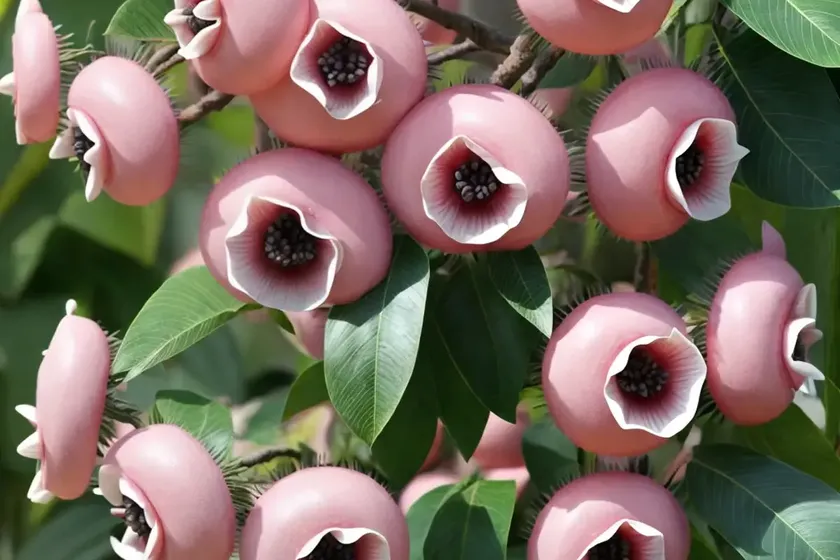
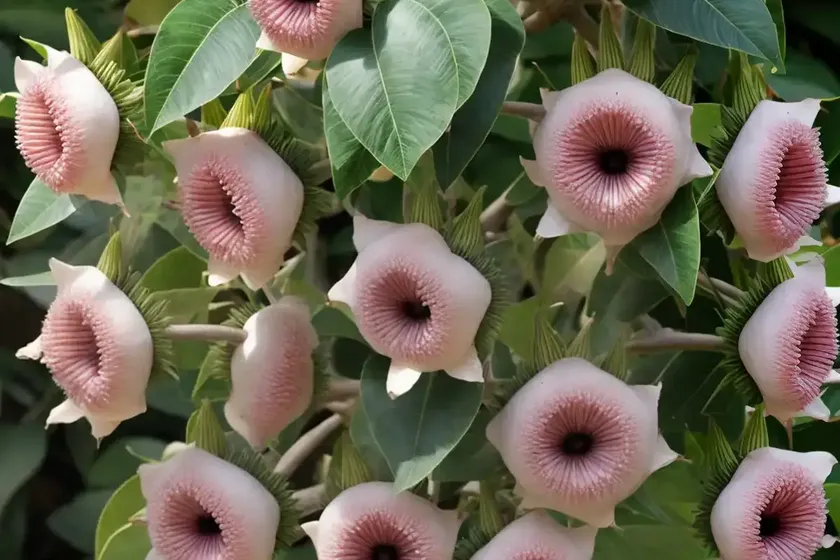
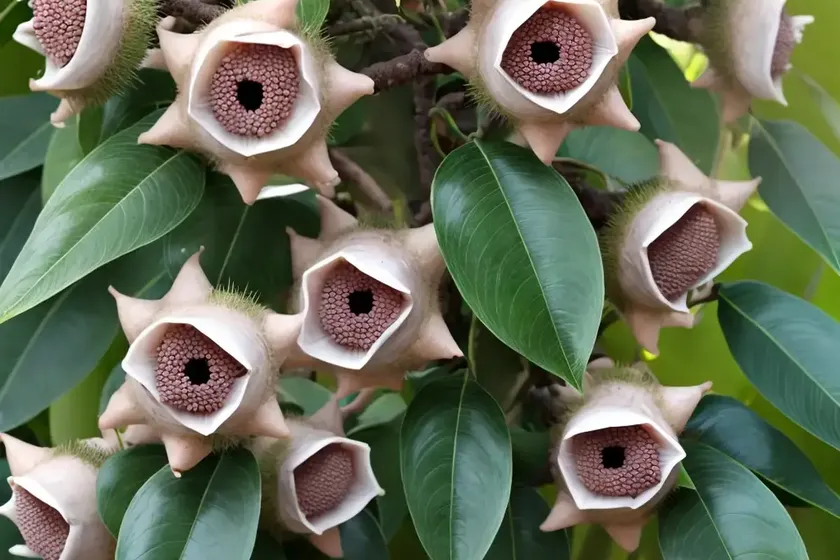
In this comprehensive guide, we will delve into the world of Ibunda (Dombeya burgessiae), exploring its characteristics, cultivation, uses, care requirements, and much more. Whether you are a seasoned gardener or just starting your plant journey, this blog post will equip you with the knowledge to successfully nurture and appreciate this stunning plant.
What is Ibunda (Dombeya burgessiae)?
Ibunda, scientifically known as Dombeya burgessiae, is a species of flowering plant in the family Malvaceae. It is native to South Africa, where it is cherished for its vibrant and abundant clusters of flowers. The plant is popular for its ornamental value, particularly in landscaping and gardens.
Key Takeaways
Ibunda (Dombeya burgessiae)
- Botanical Name: Dombeya burgessiae
- Common Name: Ibunda
- Family: Malvaceae
- Origin: South Africa
- Uses: Ornamental, Landscaping
- Watering: Regular
- Sunlight: Full to Partial Sun
- Soil: Well-Draining
- Pruning: Minimal
- Propagation: Seeds, Cuttings
- Container Friendly: Yes
- Popular for: Abundant Clusters of Flowers
Culture
Ibunda is deeply ingrained in the culture of South Africa, where it is admired for its striking blooms and overall visual appeal. It is often featured in traditional gardens, serving as a symbol of natural beauty and resilience. The plant’s cultural significance extends to its use in various ceremonies and events, where its abundance of flowers adds an enchanting touch to the surroundings.
Uses
Ornamental Value
One of the primary uses of Ibunda is its ornamental value. Due to its prolific flowering and the impressive display of color, it is often grown for purely decorative purposes. The plant’s large, showy flowers make it a stunning addition to gardens and landscapes, attracting an array of pollinators and admirers.
Landscaping
Ibunda is commonly utilized in landscaping projects, especially in regions with a compatible climate. Its eye-catching blooms and lush foliage can be incorporated in both residential and commercial landscapes to add an element of beauty and natural charm. Whether used as standalone specimens or as part of a mixed planting scheme, Ibunda can significantly enhance the visual appeal of outdoor spaces.
Water
Proper watering is essential for the health and vitality of Ibunda. While it is crucial to maintain moist soil, ensuring that the plant is never waterlogged is equally important. Overwatering can lead to root rot and other detrimental conditions. On the other hand, insufficient watering can result in wilted foliage and reduced flowering. It is advisable to water the plant thoroughly when the top inch of the soil feels dry to the touch, allowing any excess water to drain away.
Sunlight
Ibunda thrives in full to partial sunlight. Positioning the plant in a location that receives ample sunlight is pivotal in promoting robust growth and abundant flowering. However, in regions with intense heat, providing some protection from the harsh midday sun can prevent scorching of the foliage. Understanding the sunlight requirements of Ibunda and ensuring proper placement in the garden or landscape will contribute to its overall well-being.
Fertilizer
Applying a balanced, slow-release fertilizer during the growing season can significantly benefit the growth and blooming capacity of Ibunda. Opting for a fertilizer specifically formulated for flowering plants will provide the necessary nutrients to support healthy foliage and prolific flowering. However, it is important to follow the manufacturer’s instructions regarding dosage and frequency to prevent over-fertilization, which can be detrimental to the plant.
Soil
The soil requirements for Ibunda revolve around the need for a well-draining medium. It is best grown in rich, loamy soil with good drainage to prevent waterlogging and subsequent root damage. Incorporating organic matter such as compost during planting can enhance the soil’s fertility and texture, providing an optimal growing environment for the plant. Regularly amending the soil with organic supplements will help maintain its overall quality and structure.
Pruning
Ibunda typically requires minimal pruning, primarily for shaping and removing any dead or damaged growth. A light pruning session after the flowering period can help maintain the plant’s form and encourage healthy regrowth. It is important to use clean, sharp tools when pruning to prevent unnecessary damage to the plant. Additionally, regularly inspecting the plant for any signs of disease or pest infestations during pruning sessions is advisable.
Propagation
Ibunda can be propagated through various methods, including seeds and cuttings.
Seed Propagation
- Collect mature seeds from the plant.
- Sow the seeds in a well-draining seed-starting mix and lightly cover them.
- Maintain the soil moist and place the container in a warm, bright location.
- Once the seedlings have developed several sets of leaves, they can be transplanted into individual pots.
Cutting Propagation
- Take a cutting from a healthy, mature stem of the plant.
- Remove the lower leaves from the cutting and dip the cut end in a rooting hormone (if desired).
- Plant the cutting in a well-draining potting mix and keep it consistently moist.
- Provide the cutting with bright, indirect light, and monitor for root development.
Both methods of propagation can be successful with proper care and attention, allowing for the expansion of your Ibunda collection or sharing the plant with fellow enthusiasts.
Container Popularity
Ibunda is well-suited for container cultivation, making it a popular choice for individuals with limited garden space or those looking to adorn their patios, balconies, or indoor areas with its stunning presence. Its ability to thrive in containers expands the opportunities for plant enthusiasts to enjoy the beauty of Ibunda in various settings, regardless of outdoor growing space limitations.
Container Common Diseases
When growing Ibunda in containers, it is important to be mindful of potential diseases that may impact the plant’s health. Certain conditions, such as overwatering, inadequate drainage, and overcrowded root systems, can make the plant susceptible to diseases. Common container diseases that may affect Ibunda include root rot, powdery mildew, and botrytis blight.
Disease Diagnosis
Diagnosing diseases in Ibunda involves careful observation of the plant’s overall appearance, foliage, and any unusual symptoms. Common signs of disease include wilting, discoloration, stunted growth, and the presence of fungal growth on the plant. Additionally, inspecting the roots for any signs of rot or decay can provide valuable insight into the plant’s health. Upon identifying potential disease issues, timely intervention and appropriate treatments should be implemented to safeguard the plant.
Common Pests
Ibunda may be susceptible to several pests that can affect its growth and overall vigor. Common pests that pose a threat to Ibunda include aphids, spider mites, and scale insects. These pests can cause damage to the plant by feeding on its sap, leading to weakened growth and potential transmission of diseases. Regular monitoring and prompt action against pest infestations are essential to preserve the health and beauty of Ibunda.
Botanist’s Tips
Our journey with Ibunda wouldn’t be complete without a collection of valuable tips for cultivating and nurturing this remarkable plant. Whether you are a novice gardener or an experienced enthusiast, these expert recommendations will guide you toward success in growing Ibunda.
1. Adequate Drainage: Ensure that the container or planting site for Ibunda provides proper drainage to prevent waterlogged conditions.
2. Regular Inspections: Routinely inspect the plant for signs of pests, diseases, or any cultural issues to address them promptly.
3. Balanced Fertilization: Utilize a balanced, slow-release fertilizer specifically formulated for flowering plants to support Ibunda’s growth and blooming.
4. Protective Measures: In regions with intense heat, providing some protection from the harsh midday sun can prevent leaf scorching.
5. Pruning Caution: Exercise care when pruning Ibunda and use sharp, clean tools to minimize the risk of plant injury and disease spread.
Fun Facts
Let’s explore some intriguing and captivating facts about Ibunda:
- The plant’s botanical name, Dombeya burgessiae, commemorates the English botanist, Joseph Dombey.
- Ibunda is closely related to other ornamental Dombeya species, contributing to the diversity and visual appeal of the plant family in horticulture.
- In its native habitat, Ibunda has cultural significance and is often featured in traditional ceremonies and events, symbolizing natural beauty and vitality.
Links to External Resources
For additional information and resources on Ibunda (Dombeya burgessiae), explore the following links:
- Ibunda Plant Care & Cultivation Guide
- Dombeya burgessiae: A South African Ornamental Plant
- Growing Ibunda Indoors: Tips and Techniques
- Pest and Disease Control for Dombeya Species
In conclusion, Ibunda (Dombeya burgessiae) captivates enthusiasts and gardeners with its striking blooms, ornamental appeal, and cultural significance. By understanding its cultivation requirements, addressing potential challenges, and appreciating its unique attributes, the journey of nurturing Ibunda becomes a rewarding and fulfilling experience.
I hope this comprehensive guide provides you with the insights and inspiration needed to embark on, or enhance, your Ibunda gardening journey. Happy gardening!