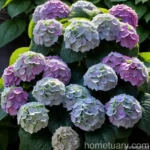
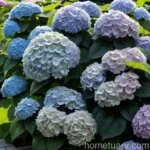
Hydrangea paniculata Fire Light Tidbit
Hydrangea paniculata, commonly known as panicle hydrangea, is a versatile and beautiful flowering shrub that is popular among gardeners and landscapers alike. Among the numerous cultivars of Hydrangea paniculata, “Fire Light Tidbit” stands out for its stunning pink flowers and compact size, making it an excellent choice for various gardening applications like container gardening, landscaping, and indoor cultivation.
In this comprehensive guide, we will delve into the essential aspects of caring for Hydrangea paniculata Fire Light Tidbit. From its cultural requirements and uses to potential diseases and pests, this article aims to provide valuable insights and tips for successfully growing and maintaining this captivating plant.
What is Hydrangea paniculata Fire Light Tidbit
Hydrangea paniculata Fire Light Tidbit is a dwarf cultivar renowned for its striking pink flower clusters that adorn the plant during the summer and fall seasons. This compact shrub typically reaches a height and spread of around 2 to 3 feet, making it an ideal choice for small gardens, urban landscapes, and container gardening.
Key Takeaways:
- Hydrangea paniculata ‘Fire Light Tidbit’ characteristics: This cultivar is celebrated for its compact size, vibrant pink flowers, and adaptable nature.
- Hydrangea paniculata ‘Fire Light Tidbit’ origins: The Fire Light Tidbit is a result of extensive breeding efforts focused on creating compact yet visually appealing hydrangea varieties.
- Fire Light Tidbit hydrangea information: This includes its growth habits, blooming season, maintenance requirements, and landscaping potential.
Now, let’s explore various aspects of caring for and cultivating Hydrangea paniculata Fire Light Tidbit.
Culture of Hydrangea paniculata Fire Light Tidbit
Uses
The Hydrangea paniculata Fire Light Tidbit offers a range of landscaping and gardening uses, including:
- Container Gardening: Its compact size makes it an excellent choice for growing in containers on patios, balconies, or small outdoor spaces.
- Landscaping: With its striking pink blooms and manageable size, it can be used in borders, mixed shrub plantings, and foundation plantings, adding a pop of color to any landscape.
- Indoor Cultivation: Due to its manageable dimensions, the Fire Light Tidbit can be grown indoors in suitable containers, bringing a touch of natural beauty to interior spaces.
Water
Proper watering is crucial for the health and vitality of Fire Light Tidbit hydrangeas. While these plants prefer consistently moist, well-draining soil, it’s essential to avoid overwatering, which can lead to root rot and other moisture-related issues. During hot and dry periods, regular watering is necessary to ensure the plant’s hydration.
Sunlight
When it comes to sunlight requirements, Hydrangea paniculata Fire Light Tidbit thrives in partial to full sun. However, in hotter climates, providing some afternoon shade can help protect the plant from excessive heat and sunburn. Adequate sunlight is essential for robust flowering and overall plant vigor.
Fertilizer
Applying a balanced, slow-release fertilizer in spring can help promote healthy growth and prolific flowering. Look for a fertilizer formulated for flowering shrubs, and follow the package instructions for application rates and methods. Avoid excessive use of high-nitrogen fertilizers, as this can encourage lush foliage at the expense of flower production.
Soil
The Fire Light Tidbit hydrangea prefers well-draining, organically rich soil with a slightly acidic to neutral pH range. Amending the soil with compost or well-rotted manure can improve its texture and fertility, creating an optimal growing environment for the plant.
Pruning
Regular pruning is essential to maintain the plant’s shape, remove dead or damaged wood, and encourage vigorous growth and flowering. For Fire Light Tidbit hydrangeas, pruning is typically done in late winter or early spring before new growth emerges. Remove spent flower heads and any weak or crossing branches to promote a tidy and healthy growth habit.
Propagation
Hydrangea paniculata Fire Light Tidbit can be propagated through various methods, including softwood cuttings, hardwood cuttings, and division. Softwood cuttings are usually taken in early summer, while hardwood cuttings are collected in late fall or early winter. Division can be carried out during the plant’s dormant season, ensuring that each divided section has sufficient roots and foliage for successful establishment.
Container Popularity
The compact size and visually appealing flowers of Fire Light Tidbit hydrangeas make them popular choices for container gardening. When grown in containers, these plants can brighten up patios, decks, and other outdoor spaces, providing a delightful display of pink blooms throughout the summer and fall.
Common Diseases and Pests
While Hydrangea paniculata Fire Light Tidbit is relatively resistant to diseases and pests, it can still be affected by certain issues under unfavorable conditions. Here are some common problems to watch out for:
Disease Diagnosis
- Powdery Mildew: This fungal disease can manifest as a powdery white coating on the leaves, often causing them to become distorted and discolored. Adequate air circulation and avoiding overhead watering can help prevent powdery mildew.
- Leaf Spot: Leaf spot diseases can result in the development of dark spots or lesions on the foliage, affecting the plant’s overall aesthetic appeal. Avoiding overhead watering and removing and disposing of affected leaves can help manage leaf spot issues effectively.
Common Pests
- Aphids: These small, sap-sucking insects can infest the tender shoots and foliage of hydrangeas, causing stunted growth and distorted leaves. Regular monitoring and the use of insecticidal soaps or horticultural oils can help control aphid populations.
- Spider Mites: Spider mites are common pests that can cause stippling and discoloration of the leaves. Keeping the plant well-hydrated and periodically spraying the foliage with water can help deter spider mite infestations.
Botanist’s Tips
To ensure the optimal health and beauty of Hydrangea paniculata Fire Light Tidbit, keep the following tips in mind:
- Provide consistent moisture, especially during periods of hot and dry weather, to support healthy growth and flowering.
- Monitor the plant for any signs of diseases or pests, and take prompt action to address issues before they escalate.
- Prune the plant annually to shape it and promote robust flowering, ensuring that you do so at the appropriate time to avoid interfering with the next season’s blooms.
Fun Facts
- The flowers of Hydrangea paniculata Fire Light Tidbit can undergo stunning color changes, transitioning from bright white or creamy tones to rich shades of pink as they mature.
- Despite being relatively compact, this cultivar is known for its strong branching and sturdy growth habit, making it resilient in various garden settings.
Links to External Resources
For further information on growing and caring for Hydrangea paniculata Fire Light Tidbit, consider exploring the following resources:
1. The American Hydrangea Society
2. University Extension Services – Hydrangea care guide
3. Royal Horticultural Society – Hydrangea paniculata cultivation advice
In this article, we have covered various aspects of nurturing and enjoying the beauty of Hydrangea paniculata Fire Light Tidbit. From its cultural requirements and landscaping uses to disease management and botanist’s tips, this guide is designed to equip you with the knowledge needed to cultivate and appreciate this delightful shrub. Whether you are a seasoned gardener or a novice enthusiast, the Fire Light Tidbit hydrangea is a rewarding plant to grow, adding grace and color to any garden or landscape.
Remember to tailor your care practices to the specific needs of your plants, observing their growth and responding accordingly to ensure their ongoing health and vitality. With proper attention and care, your Hydrangea paniculata Fire Light Tidbit can become a showstopping centerpiece in your outdoor or indoor spaces, captivating admirers with its charming pink blooms and compact, decorative form.