Hydrangea Paniculata Bobo: The Ultimate Guide to Care, Culture, and Maintenance
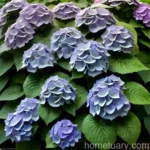
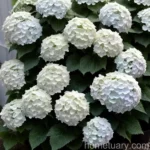
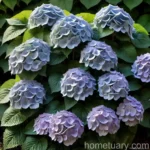
Hydrangea paniculata Bobo, also known as the “Bobo Hydrangea,” is a delightful and compact flowering shrub that has been capturing the hearts of gardeners and plant enthusiasts worldwide. With its abundant clusters of white blooms and its versatile nature, this cultivar has become a popular choice for gardens, containers, and landscapes. In this comprehensive guide, we will delve into the world of Hydrangea paniculata Bobo, exploring its cultivation, uses, maintenance, and so much more.
What is Hydrangea Paniculata Bobo?
Hydrangea paniculata Bobo is a deciduous flowering shrub prized for its compact and rounded growth habit, reaching a mature size of around 2-3 feet in height and width. This cultivar belongs to the Hydrangeaceae family and is renowned for its abundant panicle blooms that emerge in midsummer and last through fall.
Key Takeaways
- Plant Name: Hydrangea paniculata Bobo
- Growth Habit: Compact and rounded
- Height: 2-3 feet
- Bloom Time: Midsummer to Fall
- Flower Color: White
- Uses: Gardens, Containers, Landscapes
Now, let’s explore the culture, uses, and maintenance practices for the beautiful Hydrangea paniculata Bobo.
Culture
Water
Hydrangea paniculata Bobo thrives in moist, well-draining soil. While it is important to keep the soil consistently moist, it is equally crucial to ensure proper drainage to prevent waterlogging, which can lead to root rot. Regular watering, especially during the hot and dry summer months, is essential for promoting healthy growth and abundant blooms.
Sunlight
This cultivar thrives in partial to full sunlight. It is recommended to provide it with at least 4-6 hours of direct sunlight daily for optimal growth and prolific blooming. In areas with intense afternoon sun and high temperatures, providing some afternoon shade can be beneficial to prevent stress and sunburn.
Fertilizer
When it comes to fertilizer, a balanced, slow-release fertilizer formulated for flowering shrubs can be applied in spring, just as new growth begins. This will help provide the necessary nutrients for robust foliage and abundant blooms throughout the growing season. It is important to follow the manufacturer’s recommendations and to avoid over-fertilization, as excessive nitrogen can promote lush foliage at the expense of blooms.
Soil
Hydrangea paniculata Bobo prefers well-draining, loamy soil with a slightly acidic to neutral pH. Amending the soil with organic matter such as compost or well-rotted manure can enhance soil structure and fertility, providing a conducive environment for the roots to thrive.
Pruning
Pruning is an essential aspect of Hydrangea paniculata Bobo maintenance to ensure a compact and well-shaped habit. The best time to prune is in late winter or early spring before new growth emerges. Remove any dead or damaged wood, and consider selectively pruning to maintain the desired shape and size. Additionally, spent blooms can be deadheaded to promote continuous flowering and a neat appearance.
Propagation
Hydrangea paniculata Bobo can be propagated through various methods such as softwood cuttings, hardwood cuttings, and division. Softwood cuttings can be taken in early summer, while hardwood cuttings are typically done in late winter or early spring. Division can be carried out during the dormant season, with the root ball carefully divided into smaller sections for replanting.
Container Popularity
Due to its compact size and attractive blooms, Hydrangea paniculata Bobo is well-suited for container cultivation. It can be showcased on patios, decks, or balconies, adding a touch of elegance and charm to outdoor living spaces. When grown in containers, it is essential to monitor soil moisture regularly and provide adequate drainage to prevent waterlogged conditions.
Common Diseases
Hydrangea paniculata Bobo, like other hydrangea cultivars, is susceptible to certain diseases that can impact its health and vigor. It is important for gardeners to be vigilant and proactive in disease management to ensure the longevity and vitality of their plants.
Disease Diagnosis
Common diseases that can affect Hydrangea paniculata Bobo include:
-
Powdery Mildew: A fungal disease characterized by a white powdery growth on foliage, caused by various species of Erysiphales. It can lead to reduced photosynthesis and stunted growth if left unchecked.
-
Leaf Spot: Caused by fungal pathogens such as Cercospora and Pseudopeziza, leaf spot manifests as dark, irregular spots on the leaves, eventually leading to premature leaf drop and reduced plant vigor.
-
Botrytis Blight: This fungal disease, caused by Botrytis cinerea, can result in the development of gray mold on flowers and foliage, leading to aesthetic and physiological damage.
Common Pests
In addition to diseases, Hydrangea paniculata Bobo can also be targeted by certain pests that can compromise its overall health and flowering potential. Among the common pests are:
-
Aphids: These sap-sucking insects can cluster on young shoots and foliage, causing distortion and yellowing of leaves. They excrete honeydew, which can lead to the growth of sooty mold.
-
Spider Mites: These tiny arachnids can inflict damage by piercing leaf tissues and sucking out the plant’s juices, leading to stippling, discoloration, and the formation of fine webbing.
-
Japanese Beetles: The adult beetles feed on the foliage, skeletonizing the leaves and causing significant aesthetic damage. They can be particularly prevalent during the summer months.
While these pests and diseases can pose challenges, implementing integrated pest management strategies, practicing good cultural care, and maintaining plant vigor through proper nutrition and hydration can help mitigate the risks and keep Hydrangea paniculata Bobo in optimal condition.
Botanist’s Tips
-
Selecting Companion Plants: When designing landscapes or container gardens featuring Hydrangea paniculata Bobo, consider companion plants that complement its growth habits and aesthetic qualities. Plants such as Hostas, Heucheras, and Astilbes can provide a beautiful backdrop and contrast to the white blooms of Bobo.
-
Enhancing Soil Structure: Incorporating organic matter into the soil can improve its structure, drainage, and nutrient-holding capacity, creating a hospitable environment for the roots to establish and thrive.
-
Monitoring Moisture Levels: Regularly monitor soil moisture to ensure that the plant’s water requirements are met, especially during periods of high heat and dryness. Mulching can help retain soil moisture and regulate temperature, benefiting the overall health of the plant.
Fun Facts
- The compact nature of Hydrangea paniculata Bobo makes it an excellent choice for small gardens, urban landscapes, and container gardening.
- Bobo is known for its ability to produce an abundance of blooms, creating a stunning visual impact in garden beds and borders.
- This cultivar is renowned for its adaptability and low maintenance requirements, making it an ideal choice for both novice and experienced gardeners.
With its captivating blooms and versatile nature, Hydrangea paniculata Bobo continues to enchant gardeners and horticultural enthusiasts, adding beauty and charm to a variety of outdoor settings.