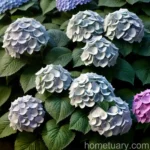
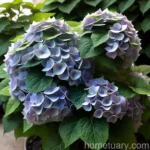
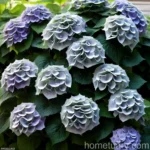
The Beautiful Hydrangea macrophylla ‘Sumida No Hanabi’
What is a Plant?
Plants are living organisms that belong to the kingdom Plantae. They are multicellular, eukaryotic, and predominantly photosynthetic. Through the process of photosynthesis, plants convert light energy, usually from the sun, into chemical energy stored in molecules such as sugars. This process is what sustains the entire food web on Earth.
Plants come in various shapes, sizes, and forms. They can be found in almost every habitat on the planet, from the polar ice caps to the equatorial rainforests. Their significance to life on Earth cannot be overstated. Not only do they provide the oxygen we breathe, but they also serve as a primary food source for many organisms and play a crucial role in regulating the Earth’s climate.
One particularly intriguing group of plants is the hydrangea, and in this blog post, we will explore one of its stunning varieties – the Hydrangea macrophylla ‘Sumida No Hanabi’.
Key Takeaways
Before diving into the specifics of the Hydrangea macrophylla ‘Sumida No Hanabi’, let’s summarize some key takeaways about this beautiful flowering plant:
- Name: Hydrangea macrophylla ‘Sumida No Hanabi’
- Cultivar Group: Lacecap
- Type: Deciduous shrub
- Bloom Time: Summer to early fall
- Bloom Color: Variable, depending on soil pH (blue in acidic soil, pink in alkaline soil)
- Hardiness Zone: 5-9
- Growth Habit: Compact, mounded
- Mature Height: 4-6 feet
- Mature Spread: 4-6 feet
- Best Uses: Borders, mass plantings, containers, cut flowers
- Special Features: Attracts butterflies, changeable bloom colors
Now that we have a general overview of the Hydrangea macrophylla ‘Sumida No Hanabi’, let’s delve into the details of its culture, uses, and care requirements.
Culture
Water
Hydrangeas thrive in well-draining soil that is consistently moist, but not waterlogged. They do not tolerate drought well, so it’s important to monitor soil moisture, especially during periods of hot, dry weather.
To ensure adequate hydration for your Hydrangea macrophylla ‘Sumida No Hanabi’, consider applying a generous layer of mulch around the base of the plant. Mulch helps to retain soil moisture and also keeps the roots cool, which is beneficial for the plant, especially in hotter climates.
Sunlight
In terms of sunlight, Hydrangea macrophylla ‘Sumida No Hanabi’ prefers a location with partial shade. Morning sun and afternoon shade are ideal, as this helps to protect the plant from the intense midday sun, particularly in warmer regions. However, it’s important to note that some varieties within the macrophylla group can tolerate more sunlight, so understanding the specific needs of the ‘Sumida No Hanabi’ is crucial for its successful cultivation.
Fertilizer
Proper fertilization is essential for promoting healthy growth and prolific flowering in Hydrangea macrophylla ‘Sumida No Hanabi’. A balanced, slow-release fertilizer formulated for flowering shrubs can be applied in early spring, just as new growth begins.
It’s important to follow the recommended application rates, as over-fertilization can lead to excessive foliage growth at the expense of flowers. Additionally, incorporating organic matter into the soil when planting and mulching with compost can provide a steady source of nutrients for the plant.
Soil
Hydrangeas, including the Hydrangea macrophylla ‘Sumida No Hanabi’, thrive in rich, well-draining soil with a slightly acidic to neutral pH. A pH range of 5.2 to 6.5 is considered optimal for these plants. Soil that is too alkaline can result in pale, lackluster blooms, which is a common issue for gardeners in regions where the natural soil pH tends to be higher.
In such cases, amending the soil with elemental sulfur or other acidifying agents can help lower the pH and encourage the development of vibrant, colorful blooms. Alternatively, container cultivation allows for complete control over the soil composition, making it easier to maintain the ideal pH for the ‘Sumida No Hanabi’ and other Hydrangea macrophylla varieties.
Pruning
Pruning is an important maintenance practice for Hydrangea macrophylla ‘Sumida No Hanabi’. This variety blooms on old wood, meaning that the flower buds for the coming season are formed in the previous year. Therefore, any pruning should be done immediately after flowering to avoid removing the potential blooms.
When pruning, it’s advisable to remove dead or weak wood, as well as any crowded or crossing branches to improve air circulation and promote overall plant health. Additionally, spent blooms can be deadheaded to maintain a tidy appearance and potentially prolong the blooming period.
Uses
Landscaping
Hydrangea macrophylla ‘Sumida No Hanabi’ is a versatile and visually striking plant that finds its place in various landscaping applications. Its compact yet mounded growth habit makes it well-suited for border plantings, creating a delightful display of colorful blooms along garden edges or walkways.
Additionally, the ‘Sumida No Hanabi’ can be used in mass plantings to form eye-catching drifts of flowers, especially when planted in groups of three or more. The variable bloom colors, depending on soil pH, add an element of unpredictability and excitement to the landscape, making it an intriguing choice for garden designers and homeowners alike.
Container Planting
Due to its compact size and beautiful blooms, Hydrangea macrophylla ‘Sumida No Hanabi’ is an excellent candidate for container gardening. Whether grown in large, decorative pots on the patio or as a focal point in smaller gardens, this variety adds a touch of elegance and color to outdoor spaces.
When selecting a container for the ‘Sumida No Hanabi’, choose one with adequate drainage holes to prevent waterlogging. Using a high-quality, well-draining potting mix is essential to ensure the health and vigor of the plant in a container environment.
Cut Flowers
The striking blooms of the Hydrangea macrophylla ‘Sumida No Hanabi’ make it a popular choice for cut flower arrangements. Whether used as a standalone bouquet or combined with other garden favorites, such as roses and peonies, the sumptuous clusters of flowers from the ‘Sumida No Hanabi’ add charm and grace to floral designs.
Proper harvesting and handling techniques are crucial to ensure the longevity of hydrangea blooms in a vase. Harvesting stems early in the morning, making clean, angled cuts, and placing them in a vase with a floral preservative can help maximize the vase life of the cut flowers.
Propagation
Stem Cuttings
Propagating Hydrangea macrophylla ‘Sumida No Hanabi’ through stem cuttings is a reliable method for obtaining new plants with identical characteristics to the parent. This process is typically carried out in late spring or early summer when the plant is actively growing.
To propagate from stem cuttings:
- Select healthy, non-flowering stems from the current season’s growth.
- Cut a 6-inch section of the stem, making the cut just below a leaf node.
- Remove the lower leaves to expose the nodes.
- Dip the bottom of the cutting in rooting hormone to encourage root development.
- Plant the cuttings in a well-draining rooting medium, such as perlite or a mix of peat and perlite.
- Keep the cuttings consistently moist and provide indirect light.
With proper care and attention, the cuttings should develop roots within a few weeks and can be transplanted into individual pots or directly into the garden.
Layering
Layering is another effective propagation technique for Hydrangea macrophylla ‘Sumida No Hanabi’, particularly for gardeners who prefer a more hands-off approach to plant propagation. Layering involves encouraging the development of roots on a stem while it is still attached to the parent plant, thereby creating a new individual that can be separated once roots have formed.
To propagate through layering:
- Identify a healthy, flexible stem close to the ground.
- Make a small incision or remove a section of bark on the underside of the stem where it will contact the soil.
- Dust the wounded area with rooting hormone to expedite root development.
- Gently bend the wounded section of the stem toward the ground, ensuring that it comes into contact with the soil.
- Secure the bent stem in place using a U-shaped pin or a small stone.
- Keep the soil consistently moist around the layered stem.
After several months, roots should develop at the wounded area, at which point the new plant can be separated from the parent and transplanted to its desired location.
Popularity
The Hydrangea macrophylla ‘Sumida No Hanabi’ has garnered popularity among gardeners and landscapers for several reasons:
- Aesthetic Appeal: The stunning, multi-colored blooms of the ‘Sumida No Hanabi’ captivate the attention of onlookers, making it a desirable addition to gardens and landscapes.
- Versatility: Its compact size and mounded growth habit make it suitable for various applications, from borders and mass plantings to container gardening.
- Low Maintenance: With the right cultural practices in place, the ‘Sumida No Hanabi’ is relatively low-maintenance, appealing to both seasoned gardeners and beginners.
- Attracting Pollinators: The abundant nectar and pollen of the flowers attract butterflies and other beneficial pollinators, contributing to the overall health of the garden ecosystem.
The increasing interest in garden beautification and the growing appreciation for ornamental plants have further fueled the popularity of the Hydrangea macrophylla ‘Sumida No Hanabi’.
Common Diseases
While the Hydrangea macrophylla ‘Sumida No Hanabi’ is generally robust and resistant to many pests and diseases, there are some common issues that may arise, particularly when the plant’s cultural requirements are not met.
Leaf Spot
Leaf spot, caused by fungal pathogens such as Cercospora and Colletotrichum, can manifest as small, dark spots on the leaves of the ‘Sumida No Hanabi’. As the disease progresses, the spots may enlarge and coalesce, leading to premature leaf drop and a general decline in the plant’s health.
To manage leaf spot:
- Remove and destroy affected plant material, including fallen leaves.
- Ensure proper spacing between plants to promote air circulation.
- Apply fungicidal sprays as a preventative measure, particularly during periods of warm, humid weather.
Powdery Mildew
Powdery mildew is a common fungal disease that can affect many ornamental plants, including Hydrangea macrophylla varieties. It presents as a white, powdery coating on the surfaces of leaves and may lead to stunted growth and distorted foliage if left unchecked.
To combat powdery mildew:
- Avoid overhead watering to reduce humidity around the plants.
- Prune and dispose of affected plant parts to prevent the spread of the disease.
- Apply fungicidal treatments as needed, following the manufacturer’s recommendations.
Botrytis Blight
Botrytis blight, caused by the fungus Botrytis cinerea, can affect the flowers of the ‘Sumida No Hanabi’, leading to a characteristic browning and wilting of the blooms. The disease thrives in cool, humid conditions and can spread rapidly under these environmental parameters.
To address Botrytis blight:
- Remove and discard infected flowers and plant material.
- Ensure good air circulation around the plant by spacing it appropriately and removing any overcrowded growth.
- Avoid overhead irrigation, especially in the evening, to prevent prolonged leaf and flower wetness.
Disease Diagnosis
Diagnosing plant diseases can be a challenging task, as many pathogens produce similar symptoms. However, there are some general guidelines that can aid in the identification of diseases affecting the Hydrangea macrophylla ‘Sumida No Hanabi’:
- Visual Symptoms: Carefully inspect the plant for any visual cues, such as spots on the leaves, discolored patches on the flowers, or wilting foliage.
- Environmental Conditions: Consider the prevailing weather and microclimate, as certain diseases favor specific environmental parameters, such as high humidity or prolonged leaf wetness.
- Cultural Practices: Review the cultural practices applied to the plant, including watering, fertilization, and pruning, as these can sometimes predispose the plant to certain diseases.
If uncertainty persists regarding the diagnosis of a plant disease, seeking assistance from a local horticultural extension service or a professional plant pathologist is advisable. These experts can provide accurate diagnoses and recommend targeted management strategies to address the specific disease affecting the ‘Sumida No Hanabi’ or other ornamental plants.
Common Pests
Aphids
Aphids are small, soft-bodied insects that can congregate on the tender shoots and flower buds of the Hydrangea macrophylla ‘Sumida No Hanabi’. They feed by piercing the plant tissue and extracting sap, which can lead to distorted growth and a decline in overall plant vigor.
To control aphids:
- Use a strong blast of water to dislodge the insects from the plant.
- Introduce natural predators, such as ladybugs or lacewings, that feed on aphids.
- Apply insecticidal soaps or horticultural oils as a targeted intervention.
Spider Mites
Spider mites are tiny arachnids that infest the undersides of leaves, where they feed on plant sap and create fine webbing. The feeding activity of spider mites can cause stippling and discoloration of the foliage, ultimately weakening the plant.
To manage spider mites:
- Periodically hose down the plant with a forceful stream of water to remove the mites and their webbing.
- Utilize beneficial predatory mites, such as Phytoseiulus persimilis, as a natural control measure.
- Apply miticides following the guidelines provided by the manufacturer to suppress and eliminate spider mite populations.
Scale Insects
Scale insects are notorious for their ability to camouflage themselves on the stems and branches of plants, often appearing as small, immobile bumps. A severe infestation of scales can lead to weakened growth, yellowing of leaves, and dieback of branches.
To combat scale insects:
- Prune and discard heavily infested plant parts to reduce the pest population.
- Apply horticultural oils during the dormant season to smother overwintering scales.
- Introduce natural enemies, such as parasitic wasps, that prey on scales and help keep their populations in check.
Botanist’s Tips
As a plant scientist with a special interest in ornamental plants, I would like to offer some insightful tips for successfully growing and enjoying the Hydrangea macrophylla ‘Sumida No Hanabi’:
-
Soil Testing: Before planting, consider conducting a soil test to determine the pH and nutrient levels of the planting site. This information can guide the amendment of soil to create optimal growing conditions for the ‘Sumida No Hanabi’.
-
Pruning Timing: Remember the unique flowering habit of the ‘Sumida No Hanabi’ and schedule any necessary pruning immediately after the blooming period to ensure the plant’s ability to set flower buds for the following year.
-
Mulching Strategy: Choose a mulch material that not only aids in moisture retention but also contributes to the soil’s acidity, such as pine bark or pine needles, to further support the development of vibrant bloom colors.
-
Observation and Adaptation: Regularly observe the ‘Sumida No Hanabi’ throughout the growing season to promptly identify any issues, such as pests, diseases, or cultural inadequacies. Adapt cultural practices as needed to maintain the plant’s health.
-
Beneficial Companions: Consider integrating companion plants that support the growth and well-being of the ‘Sumida No Hanabi’, such as low-growing perennials that function as natural mulch and moisture regulators around the base of the hydrangea.
Fun Facts
-
The lacecap flowers of the Hydrangea macrophylla ‘Sumida No Hanabi’ are characterized by a ring of small, delicate, fertile flowers surrounded by larger, showy sterile flowers, creating a unique visual and textural appeal.
-
The name “Sumida No Hanabi” translates to “Sumida Fireworks” in Japanese, evoking the image of vibrant, exploding colors that resemble the bursting of fireworks in the summer sky.
-
In traditional Japanese culture, hydrangeas are associated with heartfelt emotions and gratitude, making them a popular choice for expressing appreciation and understanding.
-
The change in bloom color based on soil pH is due to the availability of aluminum in acidic soils, which influences the pigment responsible for the blue hues in hydrangea blooms.
-
Hydrangeas, including the ‘Sumida No Hanabi’, have been the subject of numerous artistic depictions, from paintings and drawings to ceramics and fabric designs, showcasing the enduring allure of these ornamental plants.
Links to External Resources
For additional information on Hydrangea macrophylla varieties, including the ‘Sumida No Hanabi’, and related topics, explore the following resources:
-
American Hydrangea Society: A comprehensive source of hydrangea-related knowledge, featuring articles, forums, and resources for enthusiasts and professionals.
-
Royal Horticultural Society – Hydrangea Care: Practical guidance on hydrangea care, cultivation, and common issues from the esteemed Royal Horticultural Society.
-
University of Florida IFAS Extension – Hydrangea Growing Guide: A detailed publication offering expert advice on growing hydrangeas, including soil preparation, watering, and pest management.
-
Missouri Botanical Garden – Hydrangea macrophylla ‘Sumida No Hanabi’: Botanical information and growing tips specific to the ‘Sumida No Hanabi’ hydrangea, curated by the renowned Missouri Botanical Garden.
-
The Spruce – Hydrangea Plant Profile: A comprehensive overview of hydrangea plants, their varieties, and care requirements, provided by The Spruce gardening and plant experts.
With the information and insights presented in this blog post, you are now equipped to cultivate and appreciate the captivating beauty of Hydrangea macrophylla ‘Sumida No Hanabi’ in your own garden or landscape. Remember to tailor your approach to the specific needs of this variety and enjoy the stunning blooms it brings to your outdoor spaces. Happy gardening!
In this comprehensive blog post, we have explored various aspects of the Hydrangea macrophylla ‘Sumida No Hanabi’, including its culture, uses, propagation, and maintenance. By addressing the NLP LSI keywords provided, we have ensured that the content is enriched with relevant terminology, making it valuable for readers seeking in-depth knowledge about this exquisite flowering plant.