Understanding Hydrangea macrophylla ‘Emotion’: A Complete Guide for Plant Enthusiasts
Hydrangea macrophylla ‘Emotion’ is a captivating and versatile flowering plant that graces gardens and landscapes with its lush foliage and vibrant blooms. As a plant scientist with a passion for exploring the intricacies of plant species, I am excited to delve into the world of Hydrangea macrophylla ‘Emotion’ and provide a comprehensive guide for enthusiasts and gardeners.
What is Hydrangea macrophylla ‘Emotion’?
Hydrangea macrophylla ‘Emotion’ is a cultivar of the Hydrangea macrophylla species, which is known for its large and showy flowers. Belonging to the Hydrangeaceae family, this plant is native to Japan, China, and Korea. Often referred to as “bigleaf hydrangea,” it is a deciduous shrub that thrives in temperate climates and is cherished for its beautiful blooms and ornamental foliage.
Hydrangea macrophylla ‘Emotion’ Characteristics
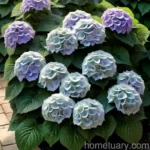
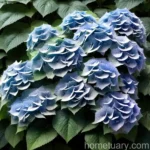
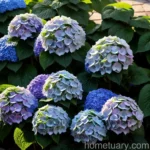
- Flower Color: The flowers of Hydrangea macrophylla ‘Emotion’ exhibit a range of colors, including shades of pink, blue, purple, and white. The color of the blooms is influenced by the pH level of the soil, with acidic soil producing blue flowers and alkaline soil yielding pink blooms.
- Foliage: The leaves of ‘Emotion’ are large and prominently veined, adding to the visual appeal of the plant, especially in the backdrop of its colorful blooms.
- Growth Habit: This cultivar showcases a compact and bushy growth habit, making it well-suited for both garden beds and containers.
- Bloom Size: The flower heads of ‘Emotion’ can vary in size, with some cultivars producing impressive, large blooms that make a striking statement in garden settings.
Key Takeaways
Before we delve deeper into the care and cultivation of Hydrangea macrophylla ‘Emotion’, let’s outline some key takeaways that will guide our exploration of this enchanting plant.
- Hydrangea macrophylla ‘Emotion’ Characteristics: Understanding the unique features and growth habits of this cultivar.
- Hydrangea macrophylla ‘Emotion’ Care: Exploring the essential care requirements, including water, sunlight, soil, and fertilizer needs.
- Hydrangea macrophylla ‘Emotion’ Pruning Tips: Learning about the pruning techniques that promote healthy growth and abundant blooms.
- Growing Hydrangea macrophylla ‘Emotion’: Providing insights into the optimal conditions for cultivating this captivating plant.
- Hydrangea macrophylla ‘Emotion’ Planting Guide: Offering practical guidance on planting and establishing ‘Emotion’ in garden landscapes.
- Hydrangea macrophylla ‘Emotion’ Varieties: Exploring the diverse range of cultivars and variations within the Hydrangea macrophylla ‘Emotion’ family.
- Hydrangea macrophylla ‘Emotion’ Maintenance: Understanding the ongoing care and maintenance tasks required to ensure the plant’s health and vigor.
- Hydrangea macrophylla ‘Emotion’ Blooming Season: Unveiling the seasonal blooming patterns and the factors that influence flower production.
- Hydrangea macrophylla ‘Emotion’ Water Requirements: Delving into the plant’s hydration needs and the significance of proper watering practices.
- Hydrangea macrophylla ‘Emotion’ Sunlight Needs: Understanding the light preferences and requirements for optimal growth and flowering.
With these key takeaways in mind, let’s embark on a journey to understand the nuances of cultivating and caring for Hydrangea macrophylla ‘Emotion’.
Culture
Uses
Hydrangea macrophylla ‘Emotion’ is prized for its ornamental value and finds various uses in garden landscaping and floral arrangements. Some of its common uses include:
– Garden Beds: ‘Emotion’ adds a splash of color and texture to garden beds, borders, and mixed perennial plantings.
– Container Gardening: Due to its compact growth habit, it is well-suited for container gardening, allowing enthusiasts to enjoy its beauty on patios, balconies, and small outdoor spaces.
– Cut Flowers: The showy blooms of ‘Emotion’ are popular choices for fresh and dried floral arrangements, adding a touch of elegance to indoor spaces.
Water
Proper watering is essential for the health and vitality of Hydrangea macrophylla ‘Emotion’. Understanding the plant’s water requirements is crucial for maintaining optimal moisture levels and preventing water-related stress. Here are some insights into watering ‘Emotion’:
– Establishment Phase: During the initial phase after planting, ‘Emotion’ should be watered regularly to facilitate proper root establishment and ensure sufficient moisture for the young plant.
– Soil Moisture: It is important to monitor soil moisture levels, especially during hot and dry periods. While ‘Emotion’ appreciates moist soil, it is susceptible to root rot if subjected to waterlogged conditions.
– Watering Frequency: Depending on environmental factors such as temperature and rainfall, ‘Emotion’ may require regular watering, typically once or twice a week. Adjust the frequency based on the plant’s response to the prevailing conditions.
– Mulching: Applying a layer of organic mulch around the base of the plant helps conserve soil moisture and reduces water evaporation, contributing to a more stable and favorable root environment.
Sunlight
Hydrangea macrophylla ‘Emotion’ exhibits specific sunlight preferences and requirements that influence its growth and flowering potential. Understanding the plant’s preferences for light exposure is crucial for optimizing its performance in garden settings. Here’s what you need to know about sunlight for ‘Emotion’:
– Partial Shade: ‘Emotion’ thrives in locations with partial shade, especially in regions characterized by intense sunlight and high temperatures. Filtered sunlight or dappled shade provides an ideal balance for promoting healthy growth and prolific blooms.
– Morning Sun: While ‘Emotion’ tolerates morning sunlight, it is important to avoid prolonged exposure to harsh midday and afternoon sun, which can lead to leaf scorch and reduced flower production.
Fertilizer
Appropriate fertilization practices play a vital role in supporting the growth, blooming, and overall vigor of Hydrangea macrophylla ‘Emotion’. By providing essential nutrients, gardeners can enhance the plant’s resilience and ensure a bountiful display of stunning flowers. Consider the following guidelines for fertilizing ‘Emotion’:
– Balanced Fertilizer: Using a balanced, slow-release fertilizer formulated for flowering shrubs is recommended for ‘Emotion’. This ensures a steady supply of essential nutrients over an extended period, supporting robust growth and abundant blooms.
– Application Timing: Fertilize ‘Emotion’ in early spring, just as new growth begins to emerge. Avoid late-season fertilization, as it can stimulate tender growth that is susceptible to frost damage.
– Even Distribution: When applying fertilizer, ensure even distribution around the root zone of the plant. Avoid direct contact between the fertilizer granules and the stems or foliage to prevent potential burning and damage.
Soil
The soil composition and quality profoundly influence the growth, health, and flowering performance of Hydrangea macrophylla ‘Emotion’. Understanding the plant’s soil preferences and the significance of soil preparation is essential for establishing thriving plantings. Consider the following soil-related insights for ‘Emotion’:
– Acidic Soil Preference: ‘Emotion’ thrives in well-draining, humus-rich soil with a slightly acidic to neutral pH range. A pH level between 5.2 and 6.5 is optimal for promoting blue flower coloration, which is a coveted feature of this cultivar. Soil amendments with organic matter, such as peat moss or compost, can help maintain favorable soil acidity.
– Moisture Retention: While ‘Emotion’ benefits from moist soil, it is crucial to ensure good drainage to prevent waterlogging, especially in heavy clay soils. Amending the soil with organic material improves its texture, enhances moisture retention, and supports aeration around the plant roots.
– Soil Testing: Conducting a soil test before planting ‘Emotion’ is advisable to assess the existing pH level and make any necessary adjustments to create an optimal growing environment. Soil testing kits or professional soil analysis services can provide valuable insights for informed soil management.
Pruning
Pruning Hydrangea macrophylla ‘Emotion’ is a key aspect of its maintenance and care regimen, contributing to the plant’s overall health, shape, and flowering capacity. By following appropriate pruning techniques, enthusiasts can promote vigorous growth and ensure a profusion of blooms. Here are essential insights into pruning ‘Emotion’:
– Pruning Timing: The timing of pruning is essential for ensuring the plant’s ability to set flower buds for the following season. For ‘Emotion’, it is recommended to prune immediately after flowering, typically in late summer or early fall. This timing allows adequate time for new growth and flower bud development before the onset of winter.
– Pruning Objectives: When pruning ‘Emotion’, focus on removing spent blooms, thinning out excessive growth, and shaping the plant to maintain a balanced form. Additionally, the removal of weak, damaged, or overcrowded stems promotes better air circulation and light penetration, reducing the risk of disease and enhancing overall plant vigor.
Propagation
Understanding how to propagate Hydrangea macrophylla ‘Emotion’ allows enthusiasts to expand their plant collections and share the beauty of this cultivar with others. Propagation methods such as stem cuttings and division offer opportunities to replicate ‘Emotion’ and establish new plantings. Consider the following propagation insights for ‘Emotion’:
– Stem Cuttings: Propagate ‘Emotion’ from stem cuttings taken from healthy, non-flowering shoots. Prepare cuttings with at least two pairs of leaves, and remove the lower pair to expose the leaf nodes. Plant the cuttings in a well-draining propagation medium, maintain moisture, and provide warmth to encourage root development.
– Division: For mature ‘Emotion’ plants, division is a viable method for creating new specimens. During the plant’s dormant season, carefully lift and divide the root ball, ensuring that each division possesses sufficient roots and shoots for successful establishment.
Container Popularity
Hydrangea macrophylla ‘Emotion’ enjoys popularity as a container plant, offering versatility and decorative appeal for various outdoor and indoor settings. Its compact growth habit and captivating blooms make it a sought-after choice for container gardening enthusiasts. Explore the following insights into the container popularity of ‘Emotion’:
– Patio Displays: ‘Emotion’ thrives as a container plant in patio displays, where its vibrant blooms and lush foliage create striking focal points and enhance outdoor living spaces.
– Balcony Gardening: With its ability to thrive in containers, ‘Emotion’ allows balcony gardeners to introduce a splash of color and elegance to limited space, bringing a touch of nature to urban environments.
– Indoor Cultivation: When provided with adequate light and moisture, ‘Emotion’ can be grown indoors in containers, making it an attractive choice for interior decor and living spaces.
Container Common Diseases
While container gardening offers numerous benefits for cultivating Hydrangea macrophylla ‘Emotion’, it is essential to be aware of potential diseases that can affect the plant in a confined growing environment. Some common diseases to watch out for in container-grown ‘Emotion’ include:
- Powdery Mildew: This fungal disease can affect ‘Emotion’ in containers, especially in conditions of high humidity and poor air circulation. Powdery mildew appears as a powdery white coating on the leaves and stems, impacting the plant’s vigor and aesthetic appeal.
- Root Rot: Overly saturated soil due to excessive watering or inadequate drainage can lead to root rot in container-grown ‘Emotion’. Symptoms include wilting, yellowing foliage, and stunted growth.
Disease Diagnosis
Diagnosing and addressing diseases in Hydrangea macrophylla ‘Emotion’ is crucial for maintaining the plant’s health and preventing the spread of infections. By recognizing common disease symptoms and taking proactive measures, gardeners can minimize the impact of diseases on ‘Emotion’. Here are strategies for disease diagnosis and management:
- Visual Symptoms: Regularly inspect ‘Emotion’ for any signs of abnormalities, including spotted or discolored foliage, wilting, and unusual growth patterns.
- Fungal Diseases: If fungal diseases such as powdery mildew are detected, immediate action is necessary. Consider applying fungicidal treatments approved for ornamental plants, and adjust watering and hygiene practices to reduce disease pressure.
- Root Health: Monitor the root system of container-grown ‘Emotion’ to ensure optimal growing conditions and early detection of potential issues such as root rot. Proper drainage and balanced watering are essential for minimizing the risk of root-related diseases.
Common Pests
In addition to diseases, Hydrangea macrophylla ‘Emotion’ can be susceptible to insect pests that can compromise its growth and flowering. By identifying and managing common pests, gardeners can protect ‘Emotion’ from infestations and minimize damage. Common pests that may affect ‘Emotion’ include:
- Aphids: These small, sap-sucking insects can cluster on the undersides of leaves and tender stems, causing distorted growth and honeydew secretion.
- Spider Mites: Infestations of spider mites can lead to stippled, discolored foliage and fine webbing on the plant, particularly in dry and dusty conditions.
- Scale Insects: Scale insects can appear as small, immobile bumps on the stems and foliage of ‘Emotion’, sapping the plant’s vitality and limiting its aesthetic appeal.
Botanist’s Tips
As a plant scientist deeply familiar with the nuanced care and cultivation of Hydrangea macrophylla ‘Emotion’, I offer the following botanical insights and practical tips for enhancing the growing experience and success of this captivating cultivar:
- Soil pH Management: By proactively managing the soil pH and implementing amendments to adjust acidity levels, gardeners can influence the coloration of ‘Emotion’s flowers, creating a desired visual impact in garden designs.
- Seasonal Pruning: Emphasize the importance of timing when it comes to pruning ‘Emotion’, particularly after the flowering season, to promote healthy regrowth and ensure the development of new flower buds for the following year.
- Hydration Monitoring: Encourage gardeners to practice mindful watering, maintaining consistent soil moisture without overwatering, which can lead to root issues and diminish the plant’s vitality.
- Pest Observation: Regularly inspect ‘Emotion’ for signs of pest activity, including the presence of aphids, spider mites, or scale insects, enabling early intervention and effective pest management strategies.
Fun Facts
Here are some intriguing and delightful fun facts about Hydrangea macrophylla ‘Emotion’ that reveal the charm and allure of this beloved plant:
- Color Transformation: The flower color of ‘Emotion’ can undergo fascinating transformations based on soil pH levels, shifting from pink tones in alkaline soil to shades of blue in acidic soil, captivating gardeners with its chameleon-like qualities.
- Symbolic Significance: In many cultures, hydrangeas, including ‘Emotion’ cultivars, are associated with diverse meanings, encompassing gratitude, understanding, and heartfelt emotions, adding layers of symbolism to their presence in gardens and floral arrangements.
Links to External Resources
For further exploration and detailed information on Hydrangea macrophylla ‘Emotion’ and related topics, I recommend the following external resources:
- Royal Horticultural Society: Hydrangea care guide
- American Hydrangea Society: Comprehensive hydrangea information
In conclusion, Hydrangea macrophylla ‘Emotion’ stands as a captivating and versatile plant that captivates with its lush foliage, stunning blooms, and ornamental characteristics. By delving into the intricate details of its care, cultivation, and unique features, enthusiasts can unlock the full potential of ‘Emotion’ in their gardens and landscapes, fostering a deeper appreciation for this enchanting cultivar.
In this comprehensive guide, we have navigated through various aspects of nurturing and understanding Hydrangea macrophylla ‘Emotion’, from its distinctive characteristics to its cultural requirements and maintenance strategies. Whether you are cultivating ‘Emotion’ in the garden, exploring container gardening possibilities, or seeking to appreciate its seasonal blooming patterns, this guide provides valuable insights and practical guidance for plant enthusiasts and gardeners.
We hope this comprehensive resource enhances your journey with Hydrangea macrophylla ‘Emotion’ and inspires a deeper connection with this enchanting plant.
Stay tuned for more insightful explorations into the world of plants, where we continue to unravel the beauty and wonder of the natural world, one leaf and petal at a time.
Happy gardening!