Hydrangea macrophylla Cityline� Paris: A Comprehensive Guide to Care and Cultivation
Hydrangea macrophylla, commonly known as bigleaf hydrangea, is a popular ornamental plant valued for its large, showy flowers and lush foliage. Among the numerous cultivars of Hydrangea macrophylla, the Cityline� Paris variety stands out for its compact size and vibrant floral displays. In this comprehensive guide, we will explore the key aspects of caring for and cultivating Hydrangea macrophylla Cityline� Paris, including its cultural requirements, propagation, common diseases, pests, and various interesting facts.
What is Hydrangea macrophylla Cityline� Paris?
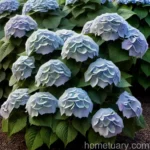
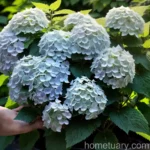
Hydrangea macrophylla Cityline� Paris is a cultivar of Hydrangea macrophylla, a deciduous shrub native to Japan and China. Cityline� Paris is popular for its compact growth habit, making it suitable for small gardens, container cultivation, and decorative landscaping. The plant features large, rounded flower clusters, known as mopheads, which bloom in vivid shades of pink or blue, depending on the soil pH. Its glossy, dark green foliage and striking flowers make it a desirable addition to gardens and landscapes.
Key Takeaways
Before delving into the specific care and cultivation practices for Hydrangea macrophylla Cityline� Paris, it is essential to understand some key takeaways about this beautiful plant.
- Cultural Uses: Cityline� Paris variety is widely used in garden borders, mass plantings, and decorative containers to add color and texture to outdoor spaces.
- Water: It requires regular watering, especially during the growing season, to maintain consistent moisture levels in the soil.
- Sunlight: While it thrives in part shade to filtered sunlight, it benefits from receiving several hours of direct sunlight each day.
- Fertilizer: Proper fertilization with a balanced, slow-release fertilizer promotes healthy growth and prolific flowering.
- Soil: Well-draining, slightly acidic soil with good fertility is ideal for optimal growth and performance.
- Pruning: Selective pruning, primarily for deadheading and rejuvenation, helps maintain a tidy and shapely appearance.
- Propagation: Cityline� Paris can be propagated through stem cuttings and division, enabling gardeners to create new plants from existing ones.
- Container Popularity: Its compact size and ornamental appeal make it a popular choice for container gardening in various outdoor settings.
- Common Diseases: The plant is susceptible to certain diseases, including powdery mildew and fungal leaf spots, which can impact its overall health and appearance.
Now, let’s explore each of these aspects in detail to gain a comprehensive understanding of how to care for and cultivate Hydrangea macrophylla Cityline� Paris.
Culture
Water
Proper watering is essential for the health and vitality of Hydrangea macrophylla Cityline� Paris. During the active growing season, which typically spans from spring to early fall, the plant should be consistently moist, but not waterlogged. Adequate moisture ensures the development of robust foliage and a profusion of vibrant flowers.
- Watering Frequency: Depending on the climate and local conditions, it is advisable to water the plant deeply at least once or twice a week. In hot and dry periods, more frequent watering may be necessary to prevent the soil from drying out completely.
- Consistent Moisture: Cityline� Paris prefers soil that provides consistent moisture, especially during the flowering period, to support the development of large, colorful blooms. Mulching the soil surface helps retain moisture and reduces water evaporation.
Sunlight
Hydrangea macrophylla Cityline� Paris thrives in locations with filtered sunlight or partial shade. While it appreciates some protection from intense midday sun, it benefits from receiving several hours of direct sunlight each day, especially in the morning or late afternoon.
- Partial Shade: Planting Cityline� Paris in areas with dappled sunlight or light shade, such as beneath tall trees or near structures, helps protect it from the harsh, direct rays of the sun.
- Morning Sun: Exposure to morning sunlight is particularly beneficial as it provides the plant with the necessary light energy for photosynthesis while minimizing the risk of sunscald and leaf damage.
Fertilizer
To support vigorous growth and abundant flowering, periodic fertilization is recommended for Hydrangea macrophylla Cityline� Paris. Choosing the right type of fertilizer and applying it at the appropriate time can significantly enhance the plant’s overall performance.
- Balanced Fertilizer: Using a balanced, slow-release fertilizer with a formulation such as 10-10-10 or 12-12-12 provides essential nutrients, including nitrogen, phosphorus, and potassium, to promote healthy foliage and prolific blooms.
- Application Timing: Fertilize the plant in early spring as new growth begins, and again in mid-summer to replenish nutrients lost during the flowering period.
Soil
The soil conditions play a crucial role in determining the overall health and vigor of Hydrangea macrophylla Cityline� Paris. It thrives in well-draining, fertile soil with a slightly acidic pH, which creates an optimal environment for root development and nutrient uptake.
- Acidic Soil: Cityline� Paris prefers soil with a pH ranging from 5.2 to 6.5. Amending the soil with organic matter such as peat moss or compost can help lower the pH and enhance soil fertility.
- Drainage: Ensuring proper drainage is essential to prevent waterlogging, which can lead to root rot and other moisture-related problems. Amending heavy clay soils with organic matter improves their drainage capacity.
Pruning
Pruning is an integral aspect of maintaining the health, shape, and flowering performance of Hydrangea macrophylla Cityline� Paris. With proper pruning techniques, gardeners can encourage new growth, remove spent flowers, and rejuvenate the plant for the coming seasons.
- Deadheading: Removing faded flowers promptly not only enhances the plant’s visual appeal but also encourages the development of new flower buds for subsequent blooming cycles.
- Rejuvenation Pruning: Performing rejuvenation pruning by selectively removing older, woody stems near the base of the plant in late winter or early spring helps invigorate the shrub, resulting in fresh growth and abundant blooms.
Propagation
Hydrangea macrophylla Cityline� Paris can be propagated through several methods, including stem cuttings and division. These propagation techniques enable gardeners to create new plants from existing ones, expand their hydrangea collection, or share the beauty of Cityline� Paris with others.
- Stem Cuttings: Propagating Cityline� Paris from stem cuttings involves selecting healthy, non-flowering stems, rooting them in a suitable growing medium, and providing the right environmental conditions for successful establishment.
- Division: Dividing mature Cityline� Paris plants in early spring or late autumn allows gardeners to create multiple plants from a single specimen, each with its own roots and growing points.
Container Popularity
The compact size and ornamental appeal of Hydrangea macrophylla Cityline� Paris make it an excellent choice for container gardening. Whether placed on patios, balconies, or as focal points in outdoor spaces, Cityline� Paris adds a vibrant touch to the surroundings and thrives in well-managed containers.
- Container Selection: Choose large containers with adequate drainage holes to ensure proper circulation of air and water. This prevents waterlogging and enhances overall root health.
- Potting Mix: Utilize a well-draining, fertile potting mix that provides ample moisture retention without becoming waterlogged. Adding organic matter to the potting mix promotes healthy root development.
Common Diseases
While Hydrangea macrophylla Cityline� Paris is generally resilient, it can be susceptible to certain diseases that can impact its health and appearance if left unmanaged. Common diseases include powdery mildew, Botrytis blight, and fungal leaf spots.
- Powdery Mildew: This fungal disease appears as powdery white patches on the leaves, causing them to distort and wither. Proper air circulation and fungicidal treatments can help control its spread.
- Botrytis Blight: Also known as gray mold, this disease affects flowers and leaves, leading to a gray, fuzzy fungal growth. Removing affected plant parts and promoting good air circulation can minimize its impact.
- Fungal Leaf Spots: Dark, irregular spots on the foliage indicate the presence of fungal leaf spot diseases. Pruning out infected leaves and avoiding overhead watering can reduce the risk of infection.
Disease Diagnosis
Diagnosing diseases in Hydrangea macrophylla Cityline� Paris involves thorough observation and, if necessary, consulting with gardening experts or plant pathologists for accurate identification and appropriate management strategies.
- Symptom Recognition: Recognizing the distinct symptoms associated with common diseases, such as leaf discoloration, powdery growth, or irregular spotting, is crucial for early detection and prompt intervention.
- Professional Consultation: Seeking the advice of professional horticulturists or local extension services can provide valuable insights into disease diagnosis and effective treatment options tailored to specific growing environments.
Common Pests
While Hydrangea macrophylla Cityline� Paris is relatively resistant to pest infestations, certain insects and mites can occasionally pose a threat to its foliage and flowers. Being aware of common pests and implementing preventive measures can help safeguard the plant from potential damage.
- Aphids: Soft-bodied, pear-shaped insects that feed on the sap of the plant, often clustering on new growth and tender shoot tips. Insecticidal soaps or horticultural oils can effectively control aphid populations.
- Spider Mites: These tiny arachnids can cause stippling and discoloration of leaves, particularly in dry, dusty conditions. Regularly spraying the foliage with water and using miticides can mitigate spider mite infestations.
Now that we’ve covered the fundamental aspects of caring for and cultivating Hydrangea macrophylla Cityline� Paris, it’s time to delve into botanist’s tips, fun facts, and external resources to enhance our understanding and appreciation of this exceptional plant.
Botanist’s Tips
- pH Management: Monitoring and adjusting the soil pH based on the desired flower color (pink in alkaline soil, blue in acidic soil) allows gardeners to control the visual appearance of Cityline� Paris blooms.
- Mulching Benefits: Applying organic mulch around the base of the plant conserves soil moisture, regulates soil temperature, and suppresses weed growth, contributing to overall plant health.
- Winter Protection: Providing a protective mulch layer and situating the plant in a sheltered location shields it from harsh winter conditions and promotes better cold tolerance.
Fun Facts
- The name “Hydrangea” is derived from the Greek words “hydor” meaning water and “angeion” meaning vessel, alluding to the plant’s affinity for moisture.
- Cityline� Paris flowers undergo a fascinating color transformation based on soil pH, with acidic conditions yielding blue hues and alkaline conditions resulting in pink hues.
- In traditional herbal medicine, certain parts of Hydrangea macrophylla were used to prepare medicinal infusions and remedies for various ailments.
Now let’s explore some valuable external resources to further expand our knowledge and gain insights from authoritative sources on Hydrangea macrophylla Cityline� Paris and related topics.
Links to External Resources
- American Hydrangea Society: https://www.americanhydrangeasociety.org/
- United States National Arboretum: https://www.usna.usda.gov/
- Royal Horticultural Society: https://www.rhs.org.uk/
- American Society for Horticultural Science: https://ashs.org/
- North Carolina State University Extension: https://content.ces.ncsu.edu/
By leveraging the insights and expertise offered by these reputable organizations, enthusiasts and horticulturalists can gain a deeper understanding of Hydrangea macrophylla Cityline� Paris, its cultivation, and the broader realm of ornamental plant care.
In conclusion, the allure of Hydrangea macrophylla Cityline� Paris extends far beyond its captivating flowers and compact form. By understanding and embracing its cultural requirements, propagation techniques, and pest and disease management strategies, we can foster the optimal growth and beauty of this exceptional ornamental shrub. Whether grown in garden landscapes, ornamental containers, or as part of decorative arrangements, Cityline� Paris stands as a testament to nature’s beauty and the joy it brings to all who encounter it.
With this comprehensive guide, botanists, gardeners, and plant enthusiasts can embark on a journey to appreciate and cultivate Hydrangea macrophylla Cityline� Paris, fostering its lush foliage and bountiful blooms in a variety of horticultural settings.
Remember, the careful cultivation and nurturing of Cityline� Paris yields bountiful rewards in the form of exquisite flowers, dynamic foliage, and the enduring beauty of nature’s wonders.
So, whether you’re a seasoned horticulturalist or an aspiring gardener, let Hydrangea macrophylla Cityline� Paris grace your outdoor spaces with its enchanting presence, captivating colors, and everlasting charm.
Happy gardening!
References
- “Hydrangea macrophylla.” Missouri Botanical Garden. Accessed October 5, 2021. http://www.missouribotanicalgarden.org/
- Dirr, Michael A. “Hydrangeas for American Gardens.” Timber Press, 2004. https://www.timberpress.com/
- “Hydrangea.” Royal Horticultural Society. Accessed October 5, 2021. https://www.rhs.org.uk/
- “Hydrangea macrophylla Cityline� Paris.” Monrovia. Accessed October 5, 2021. https://www.monrovia.com/
- “An Introduction to the United States National Arboretum.” United States National Arboretum. Accessed October 5, 2021. https://www.usna.usda.gov/
This comprehensive guide was created to provide a thorough understanding of Hydrangea macrophylla Cityline� Paris, offering insights into its care, cultivation, and broader horticultural significance. Whether you’re a novice or an experienced plant enthusiast, may this guide inspire and empower you to foster the beauty and wonder of this exceptional shrub.