Hybrid Tea Rose (Rosa ‘Dainty Bess’)
Hybrid tea roses are a class of roses that are known for their elegance, beauty, and fragrance. Among the many varieties of hybrid tea roses, Rosa ‘Dainty Bess’ stands out for its delicate blooms and captivating fragrance. In this article, we will explore the culture, uses, care, and maintenance of this exquisite rose variety.
What is a Hybrid Tea Rose?
Hybrid tea roses are a cross between hybrid perpetual and tea roses, resulting in a distinct class of roses that are characterized by their large, shapely blooms and long stems. These roses are popular for their beauty, fragrance, and suitability for cutting and display. They are often considered the traditional rose in floral arrangements and are prized for their classic rose shape and petal count.
Rosa ‘Dainty Bess’
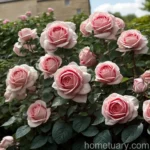
Rosa ‘Dainty Bess’ is a beloved hybrid tea rose known for its soft, silvery pink blooms and strong, sweet fragrance. This rose variety was first introduced in 1925 and has continued to captivate rose enthusiasts with its timeless charm.
Key Takeaways – Hybrid Tea Rose (Rosa ‘Dainty Bess’)
Before delving into the specifics of the culture, care, and maintenance of Rosa ‘Dainty Bess’, let’s highlight the key takeaways:
- Hybrid tea roses, including Rosa ‘Dainty Bess’, are cherished for their large, shapely blooms and captivating fragrance.
- Rosa ‘Dainty Bess’ is distinguished by its soft, silvery pink blooms and strong, sweet fragrance.
With these key points in mind, let’s explore the various aspects of cultivating and caring for Rosa ‘Dainty Bess’.
Culture
Cultivating hybrid tea roses involves understanding the specific requirements of each variety, including soil, sunlight, water, and more.
Water
Proper watering is essential for the health and vitality of hybrid tea roses. While they need regular watering, it’s important to avoid overwatering, which can lead to root rot. Deep, thorough watering is preferred over frequent, shallow watering. A good practice is to water the roses at the base to keep the leaves dry and minimize the risk of fungal diseases.
Sunlight
Hybrid tea roses thrive in full sunlight, requiring at least 6 hours of direct sunlight per day. Adequate sunlight promotes strong growth, vibrant blooms, and overall plant health. When selecting a site for planting Rosa ‘Dainty Bess’, ensure that it receives ample sunlight to support its growth and blooming potential.
Fertilizer
Fertilizing hybrid tea roses is crucial for supporting their growth and blooming capacity. A balanced, slow-release fertilizer formulated for roses can be applied in spring as new growth begins. Additionally, a second application in late spring or early summer can further boost the plant’s vigor and flower production.
Soil
Well-draining, fertile soil is ideal for cultivating hybrid tea roses. The soil should be rich in organic matter and have good drainage to prevent waterlogging, which can be detrimental to the plants. Amending the soil with compost or well-rotted manure can enhance its structure and fertility, creating a favorable environment for Rosa ‘Dainty Bess’ to thrive.
Pruning
Pruning is an essential aspect of caring for hybrid tea roses, including Rosa ‘Dainty Bess’. Proper pruning helps maintain the plant’s shape, remove dead or diseased wood, and encourage new growth and flowering.
- Pruning should be carried out in late winter or early spring, before the plant begins to leaf out.
- Remove any dead, damaged, or crossing branches to promote airflow and reduce the risk of diseases.
- When pruning, make clean cuts at a 45-degree angle just above a healthy bud to encourage strong regrowth.
Propagation
Propagating Rosa ‘Dainty Bess’ can be achieved through several methods, including:
- Cuttings: Taking semi-hardwood cuttings in late spring or early summer and rooting them in a suitable propagation medium.
- Grafting: Joining a bud or stem of Rosa ‘Dainty Bess’ onto a compatible rootstock to propagate the desired characteristics.
Container Popularity
While hybrid tea roses are often grown in traditional garden beds, they can also thrive in containers, making them popular choices for patio and balcony gardens. When cultivating Rosa ‘Dainty Bess’ in containers, it’s essential to select a large enough pot to accommodate the plant’s root system and provide adequate drainage to prevent waterlogging.
Common Diseases
Hybrid tea roses, including Rosa ‘Dainty Bess’, are susceptible to certain diseases that can impact their health and vigor. Common diseases that affect hybrid tea roses include:
- Powdery Mildew: A fungal disease that appears as a powdery white coating on the leaves and stems.
- Black Spot: Characterized by black spots on the leaves, this fungal disease can lead to defoliation and weaken the plant.
- Botrytis Blight: Also known as gray mold, this fungal disease thrives in humid conditions and can cause flower buds to rot.
Disease Diagnosis
When diagnosing and addressing potential diseases affecting Rosa ‘Dainty Bess’, it’s important to closely inspect the plant for symptoms such as unusual spots, discoloration, or deformities on the leaves and stems. Proper diagnosis of the specific disease is crucial for implementing targeted treatment and prevention strategies.
Common Pests
In addition to diseases, hybrid tea roses may also face challenges from common pests that can affect their growth and blooming potential. Common pests that can infest Rosa ‘Dainty Bess’ and other hybrid tea roses include:
- Aphids: These small, soft-bodied insects can cluster on the buds and young growth, causing damage and transmitting viruses.
- Thrips: Thrips are tiny, slender insects that can cause damage by feeding on the leaves and flower buds.
- Spider Mites: These arachnids can infest the undersides of leaves, causing stippling and discoloration.
Botanist’s Tips
As a botanist specializing in roses, I would like to share some additional tips for cultivating and caring for Rosa ‘Dainty Bess’:
- Mulching: Applying a layer of organic mulch around the base of the plant can help conserve moisture, suppress weeds, and regulate soil temperature.
- Good Air Circulation: Ensuring adequate spacing between rose plants can promote airflow, reducing the risk of fungal diseases.
- Regular Inspection: Conducting regular inspections of the plants for signs of pests, diseases, or nutrient deficiencies can help address issues promptly.
Fun Facts
Here are some intriguing and delightful facts about Rosa ‘Dainty Bess’ and hybrid tea roses in general:
- The term “tea” in hybrid tea roses is derived from the fragrance of the blooms, which is often reminiscent of the scent of tea.
- Hybrid tea roses were first developed in the late 19th century through the deliberate crossbreeding of specific rose varieties.
Now that we have explored the culture, uses, care, and maintenance of Rosa ‘Dainty Bess’, it’s essential to provide access to external resources where readers can find further information and guidance on growing and enjoying hybrid tea roses.
Links to External Resources
For comprehensive information on hybrid tea roses, including care guides, disease management, and landscaping ideas, here are some valuable external resources:
-
American Rose Society: The American Rose Society provides a wealth of resources on rose cultivation, including hybrid tea roses.
-
Royal Horticultural Society – Growing Roses: The Royal Horticultural Society offers expert guidance on growing and caring for roses, including hybrid tea varieties.
-
University of California Agriculture and Natural Resources – Roses: Planting and Care: This resource offers detailed information on planting and caring for roses, addressing various aspects of rose cultivation.
-
The Old Farmer’s Almanac – Growing Roses: The Old Farmer’s Almanac provides practical advice on growing roses, including hybrid tea varieties like Rosa ‘Dainty Bess’.
By accessing these external resources, readers can further expand their knowledge and expertise in cultivating hybrid tea roses and fostering healthy, vibrant gardens.
In conclusion, the alluring beauty and captivating fragrance of hybrid tea roses, exemplified by Rosa ‘Dainty Bess’, have made them perennial favorites among gardeners, florists, and rose enthusiasts. By understanding the specific cultural requirements, diligent care, and proactive disease and pest management, individuals can cultivate and enjoy the splendor of this timeless rose variety, enhancing their outdoor spaces and enriching their lives with the enduring allure of hybrid tea roses.
Remember, get your gardening gloves on, and let the beauty of Rosa ‘Dainty Bess’ grace your garden with its timeless elegance and fragrance.
In Markdown:
“`markdown
Hybrid Tea Rose (Rosa ‘Dainty Bess’)
Key Takeaways – Hybrid Tea Rose (Rosa ‘Dainty Bess’)
Culture
Water
Sunlight
Fertilizer
Soil
Pruning
Propagation
Container Popularity
Common Diseases
Disease Diagnosis
Common Pests
Botanist’s Tips
Fun Facts
Links to External Resources
“`