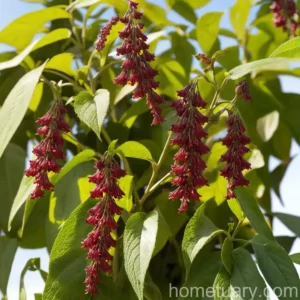
Honeysuckle (Lonicera flava): A Comprehensive Care Guide
Honeysuckle, scientifically known as Lonicera flava, is a beautiful and versatile plant with a rich history and a wide range of uses. In this detailed guide, we will delve into the various aspects of caring for honeysuckle, including its culture, uses, water and sunlight requirements, fertilizer needs, soil preferences, pruning techniques, propagation methods, common diseases, pests to watch out for, and much more. Whether you are a seasoned gardener or a novice plant enthusiast, this guide will equip you with the knowledge to cultivate and maintain honeysuckle plants successfully.
What is Honeysuckle (Lonicera flava)?
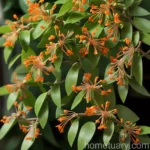
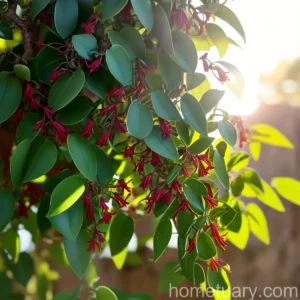
Honeysuckle (Lonicera flava) is a species of flowering plant belonging to the Caprifoliaceae family. It is native to North America, where it grows in a variety of habitats including forests, woodlands, and along stream banks. This deciduous vine is well-known for its showy, tubular flowers which exude a sweet fragrance, attracting pollinators such as hummingbirds and butterflies. The plant derives its common name, honeysuckle, from the nectar found in its blossoms, which is known to be particularly attractive to hummingbirds.
Key Takeaways – Honeysuckle (Lonicera flava)
Before we delve into the specifics of caring for honeysuckle, let’s take a look at some key takeaways:
- Scientific Name: Lonicera flava
- Family: Caprifoliaceae
- Native Habitat: North America
- Growth Habit: Deciduous vine
- Flowering: Showy, tubular flowers with a sweet fragrance, attracting pollinators
- Uses: Ornamental plant, wildlife attraction, medicinal and culinary applications
Now, let’s explore the various aspects of caring for honeysuckle in detail.
Culture
Cultivating honeysuckle requires an understanding of its specific cultural needs, ranging from water and sunlight requirements to soil preferences and fertilizer needs.
Uses
Honeysuckle serves multiple purposes, from adding ornamental beauty to landscapes to attracting wildlife and even serving in medicinal and culinary applications.
Ornamental Plant
The showy blossoms and sweet, lingering fragrance make honeysuckle a popular choice for ornamental plantings in gardens and landscapes.
Wildlife Attraction
Honeysuckle’s nectar-rich flowers attract a variety of wildlife, including hummingbirds and butterflies, making it a delightful addition for wildlife enthusiasts.
Medicinal and Culinary Applications
Some species of honeysuckle have a history of traditional medicinal use, and certain parts of the plant have been utilized in herbal remedies. Additionally, some honeysuckle species have edible parts that have been incorporated into culinary practices.
The versatile uses of honeysuckle make it a valuable and multifaceted addition to any garden or landscape.
Water
Honeysuckle generally prefers moist, well-drained soil. Adequate watering is crucial, especially during the establishment period. Once established, it can tolerate some drought but will thrive with regular watering during dry spells.
Sunlight
Honeysuckle plants thrive in full to partial sunlight. While they can tolerate some shade, optimal flowering and growth occur when they receive adequate sunlight.
Fertilizer
Fertilizing honeysuckle can promote healthy growth and abundant flowering. A balanced, slow-release fertilizer applied in spring can provide the necessary nutrients for vigorous growth and blooming.
Soil
Honeysuckle plants prefer moderately fertile, well-drained soils. Amending the soil with organic matter can enhance its fertility and structure, ensuring optimal conditions for the plant’s growth.
Pruning
Proper pruning is essential to maintain the health and shape of honeysuckle plants. Regular pruning can also encourage robust flowering and prevent the plant from becoming unruly. Pruning should typically be done in late winter or early spring before new growth begins.
Propagation
Honeysuckle can be propagated through various methods, including seeds, cuttings, and layering. Each method has its own advantages and considerations, allowing for flexibility in propagating new plants.
Container Popularity
Due to its climbing nature, honeysuckle is popularly grown in containers, making it a versatile addition to balconies, patios, and small outdoor spaces.
Container Common Diseases
While honeysuckle plants are generally resilient, they may be susceptible to certain diseases. Recognizing common diseases and their symptoms is essential for maintaining the plant’s health and vigor.
Disease Diagnosis
The diagnosis of diseases affecting honeysuckle is crucial for implementing appropriate treatment and preventive measures. Early identification can help in mitigating the spread of diseases and safeguarding the plant’s well-being.
Common Pests
Honeysuckle plants can fall prey to various pests, including aphids, scales, and powdery mildew. Regular monitoring and prompt intervention are crucial for managing these pests effectively.
Botanist’s Tips
As a plant scientist, I have observed honeysuckle in various environments and have gathered valuable insights on its care and maintenance. Here are some tips distilled from my experience:
- Regularly inspect the plant for signs of pests and diseases, as early detection can prevent extensive damage.
- Prune honeysuckle plants with care, removing dead or weak growth to encourage healthy, vigorous shoots.
Fun Facts
Honeysuckle is a fascinating plant with a rich history and a myriad of intriguing characteristics. Here are some fun facts about honeysuckle:
- In folklore, honeysuckle is associated with themes of love, happiness, and good fortune, making it a symbol of devotion and affection in various cultures.
- Some species of honeysuckle are used in traditional Chinese medicine for their potential medicinal properties, reflecting the plant’s diverse cultural and medicinal significance.
Links to External Resources
For further information and resources on honeysuckle (Lonicera flava) care and cultivation, consider exploring the following links:
- Honeysuckle Care and Cultivation Guide – The Royal Horticultural Society
- Growing Honeysuckle – University of Florida Extension
- Lonicera flava – Missouri Botanical Garden
- Honeysuckle: A Wildlife Favorite – National Wildlife Federation
In conclusion, honeysuckle (Lonicera flava) is a captivating plant with a host of practical, aesthetic, and ecological benefits. By understanding its specific requirements and caring for it attentively, you can enjoy the beauty of its blossoms and contribute to a thriving garden ecosystem. Whether you are drawn to its ornamental charm, its value to wildlife, or its cultural and medicinal heritage, honeysuckle is a plant that continues to captivate and inspire. With this comprehensive guide, you are well-equipped to embark on a rewarding journey of cultivating and nurturing honeysuckle plants.