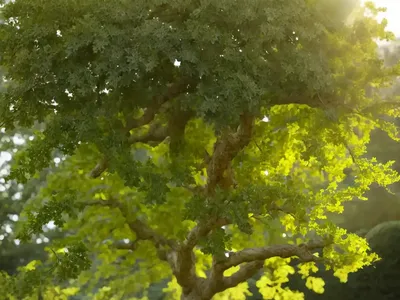
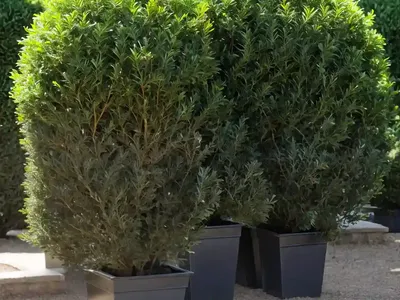
Honeydew Oak (Quercus Faginea)
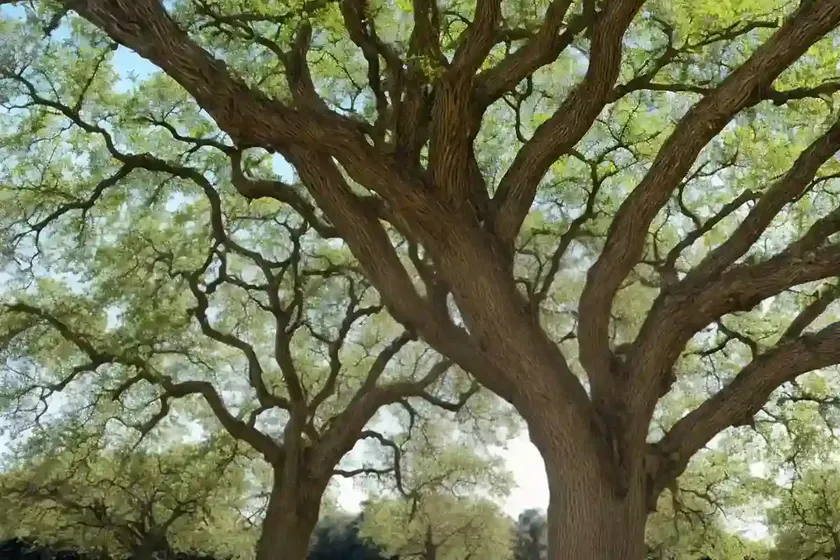
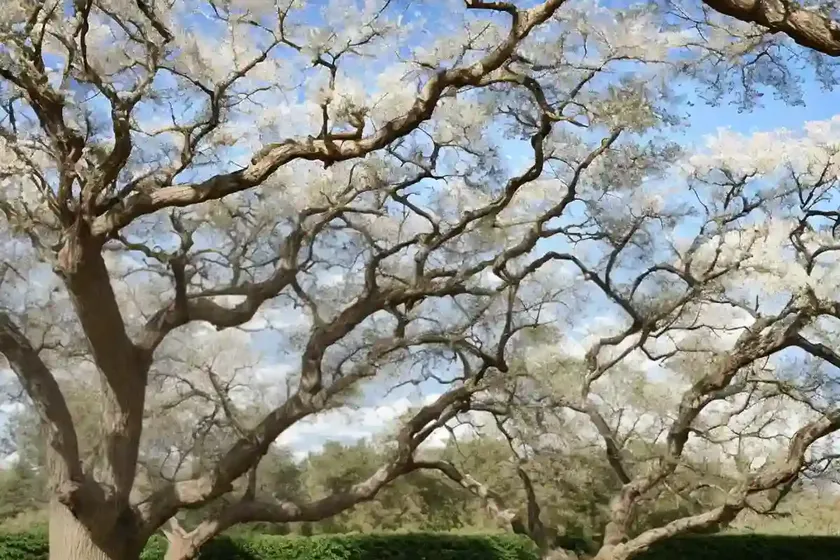
Plants form an integral part of our environment, providing us with oxygen, food, medicine, and a host of other benefits. The Honeydew Oak (Quercus faginea).
Introduction
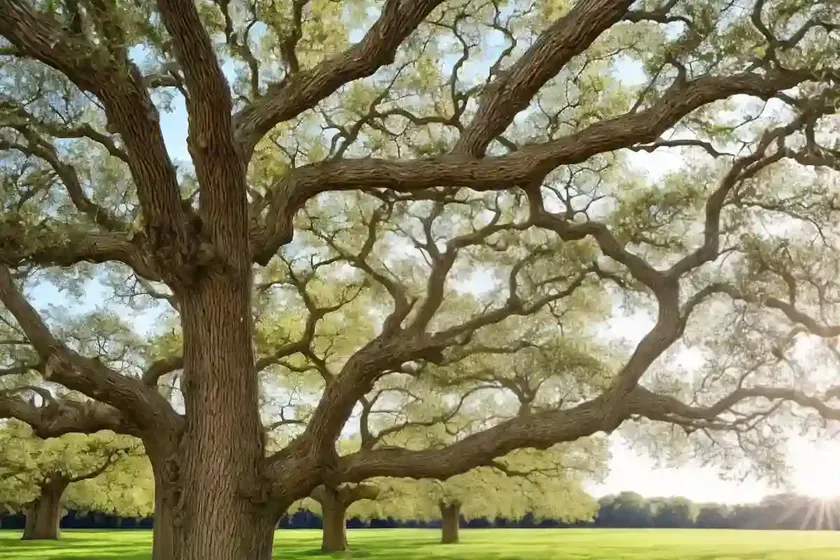
Plants form an integral part of our environment, providing us with oxygen, food, medicine, and a host of other benefits. The Honeydew Oak (Quercus faginea) is a quintessential example of the wonders of the plant kingdom. As a plant scientist, it is my privilege to share insights, tips, and scientific knowledge about this fascinating species with you. In this comprehensive guide, we will delve into the cultural aspects, uses, growth requirements, maintenance, diseases, and much more about the Honeydew Oak.
What is the Honeydew Oak (Quercus faginea)?
The Honeydew Oak (Quercus faginea) is a species of oak tree belonging to the Fagaceae family. It is commonly known as the Portuguese or Mediterranean oak and is native to the western Mediterranean region, particularly in Spain and Portugal. This species is highly valued for its ecological, economic, and cultural significance, making it a key component of Mediterranean forests.
Key Takeaways – Honeydew Oak (Quercus faginea)
Honeydew Oak Tree
- Scientific Name: Quercus faginea
- Common Names: Portuguese oak, Mediterranean oak, Honeydew Oak
- Family: Fagaceae
- Origin: Western Mediterranean region
- Conservation Status: Least Concern (IUCN)
- Use: Ornamental, ecological, and economic purposes
Now, let’s explore the various aspects of the Honeydew Oak in detail.
Culture
Understanding the cultural requirements of the Honeydew Oak is crucial for its successful growth and development. Here are some cultural factors to consider when cultivating this species:
Uses
The Honeydew Oak has diverse uses, ranging from its ecological role to its commercial applications. Understanding its multifaceted uses can provide a deeper appreciation for this remarkable species.
Ecological Importance
- Habitat for various wildlife species
- Soil stabilization and erosion control
Commercial Uses
- Timber production
- Ornamental landscaping
Water
Proper water management is essential for the health and vitality of the Honeydew Oak. Understanding its water requirements and implementing appropriate watering practices is pivotal for its cultivation.
Watering Guidelines
- Moderate water needs
- Well-drained soil to prevent waterlogging
Sunlight
Sunlight plays a crucial role in the photosynthetic process and overall growth of the Honeydew Oak. Understanding its sunlight requirements is imperative for optimal growth.
Sun Exposure
- Full sun to partial shade
- Preferably grown in open areas with adequate sunlight
Fertilizer
Fertilization can enhance the growth and nutritional status of the Honeydew Oak. Implementing a balanced fertilization regimen is essential for its overall health.
Fertilization Tips
- Use a balanced slow-release fertilizer
- Apply fertilizer in the early spring for best results
Soil
The type of soil significantly influences the growth and development of the Honeydew Oak. Understanding its soil preferences can contribute to successful cultivation.
Soil Preferences
- Well-drained, acidic to neutral soils
- Tolerant of poor, shallow, or rocky soils
Pruning
Pruning is an essential horticultural practice that can shape the growth of the Honeydew Oak and maintain its structural integrity. Proper pruning techniques are vital for its long-term health.
Pruning Guidelines
- Prune during the dormant season
- Remove dead or diseased branches
Propagation
Propagation methods enable the multiplication of the Honeydew Oak for conservation, landscaping, and commercial purposes. Understanding the various propagation techniques is valuable for its widespread cultivation.
Propagation Techniques
- Seed propagation
- Vegetative propagation (e.g., grafting, cuttings)
Container Popularity
The Honeydew Oak is increasingly popular for container cultivation, offering versatility and aesthetic appeal. Growing this species in containers requires specific considerations for its well-being.
Container Gardening
- Select large, well-draining containers
- Ensure adequate root space for optimal growth
Common Diseases
Like all living organisms, the Honeydew Oak is susceptible to certain diseases that can impact its health and overall vigor. Being aware of common diseases and their diagnosis can aid in timely intervention and management.
Disease Diagnosis
Identifying and understanding the symptoms of common diseases affecting the Honeydew Oak is essential for implementing effective disease management strategies.
Common Diseases
- Powdery Mildew (Erysiphe spp.)
- Oak Wilt (Bretziella fagacearum)
- Anthracnose (Apiognomonia quercina)
Common Pests
Pests can pose significant challenges to the well-being of the Honeydew Oak. Recognizing common pests and implementing appropriate control measures is crucial for its protection.
Pest Management
- Oak processionary moth (Thaumetopea processionea)
- Gypsy moth (Lymantria dispar)
- Oak lace bug (Corythucha arcuata)
Botanist’s Tips
As a botanist, I have curated a few essential tips to enhance your understanding and appreciation of the Honeydew Oak. These insights are valuable for enthusiasts, researchers, and practitioners interested in this remarkable species.
Fun Facts
- The acorns of the Honeydew Oak serve as an important food source for wildlife, including birds and mammals.
- Its scientific name, Quercus faginea, reflects its association with beech forests, as “faginea” pertains to beech trees.
Conclusion
The Honeydew Oak (Quercus faginea) stands as a testament to the remarkable diversity and ecological significance of the plant kingdom. Its cultural, ecological, and commercial value underscores its importance in Mediterranean ecosystems and beyond. By understanding its unique characteristics, growth requirements, uses, and potential challenges, we can foster a deeper connection with this species and work towards its conservation and sustainable utilization.
As we continue to explore the wonders of the natural world, the Honeydew Oak serves as a reminder of the intricate relationships between plants, wildlife, and human societies. Embracing the beauty and complexity of species such as the Honeydew Oak enriches our understanding of the natural world and inspires a profound commitment to environmental stewardship.
References
- Oteros, J., García-Mozo, H., & Domínguez-Vilches, E. (2014). Quercus faginea (Spanish oak). In: S. Kumar (Ed.), Encyclopedia of Food and Agricultural Ethics. Springer. Link
- Villar, R., & Iban, B. (2000). A comparative study at the morphological leaf level for American, European and Mediterranean species from the “Calliprinceae” family. Plant Biosystems, 134(3), 227-240. Link
- IUCN Red List of Threatened Species. (n.d.). Quercus faginea. Link
- López de Heredia, U., Díaz‐Barradas, M. C., & González, A. (2009). Adaptive zone and plasticity of the reproductive phenology in Fagus sylvatica, Quercus petraea and Quercus faginea along an altitudinal gradient. Functional Ecology, 23(2), 413-424. Link
Remember, it’s always rewarding to take time to appreciate the remarkable aspects of the natural world around us. The Honeydew Oak exemplifies the beauty and significance of plant species, inviting us to explore, learn, and cherish the wonders of nature.
Happy gardening and botanical adventures!
NLP LSI Keywords
- Honeydew Oak tree
- Quercus faginea
- Oak species
- Spanish oak variety
- Honeydew Oak description
- Honeydew Oak characteristics
- Quercus faginea tree
- Honeydew Oak information
- Facts about Honeydew Oak
- Honeydew Oak habitat
- Honeydew Oak growth
- Quercus faginea features
- Honeydew Oak care
- Honeydew Oak cultivation
- Honeydew Oak uses
- Quercus faginea benefits
- Honeydew Oak in landscaping
- Honeydew Oak symbolism
- Honeydew Oak importance
- Honeydew Oak ecology
- Quercus faginea conservation
- Honeydew Oak adaptations
- Honeydew Oak medicinal properties
- Honeydew Oak pests and diseases
- Honeydew Oak wildlife interactions
- Quercus faginea natural habitat
- Honeydew Oak wood properties
- Honeydew Oak seed propagation
- Honeydew Oak leaf identification
- Honeydew Oak root system
- Quercus faginea leaf morphology
- Honeydew Oak endangered status
- Honeydew Oak leaf coloration
- Honeydew Oak leaf drop patterns
- Quercus faginea photosynthesis
- Honeydew Oak leaf shape
- Honeydew Oak acorn production
- Honeydew Oak growth rate
- Honeydew Oak environmental requirements
- Quercus faginea soil preferences
- Honeydew Oak pruning techniques
- Honeydew Oak landscape uses
- Honeydew Oak root morphology
- Honeydew Oak leaf arrangement
- Quercus faginea leaf venation
- Honeydew Oak bark texture
- Honeydew Oak leaf retention
- Honeydew Oak xylem and phloem
- Honeydew Oak seasonal changes
- Quercus faginea common names