Homalomena Selby (Homalomena Hybrid)
Plants play an essential role in our lives, not only as sources of food and oxygen but also for their aesthetic and therapeutic value. Among the wide.
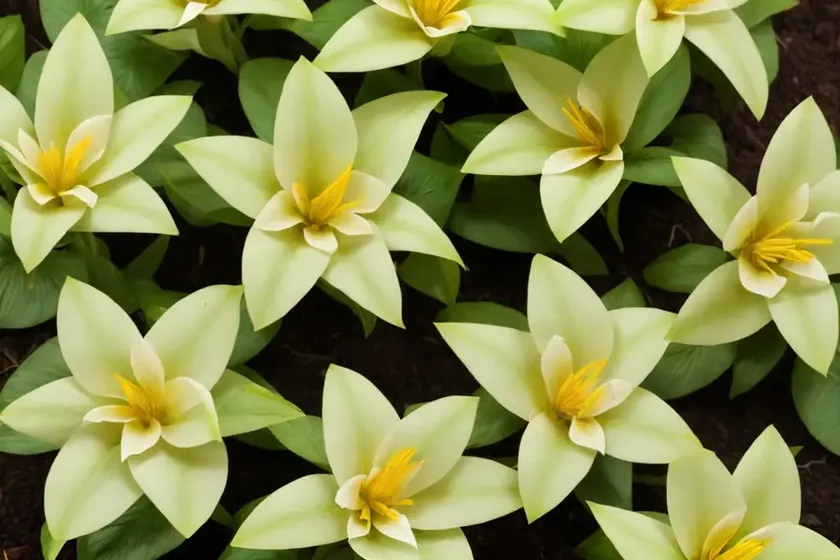
Plants play an essential role in our lives, not only as sources of food and oxygen but also for their aesthetic and therapeutic value. Among the wide variety of plants, the Homalomena Selby (Homalomena hybrid) is a particularly fascinating specimen. In this blog post, we’ll explore the key aspects of the Homalomena Selby, including its culture, uses, care requirements, common diseases, and much more. Whether you’re an experienced plant enthusiast or a beginner with an interest in indoor gardening, this comprehensive guide will provide you with valuable insights into the world of Homalomena Selby.
What is Plant: Homalomena Selby (Homalomena hybrid)
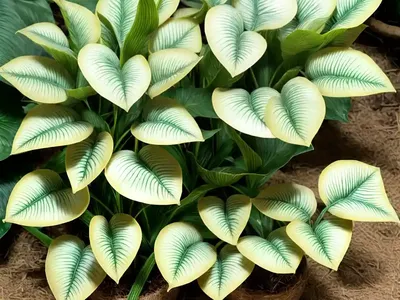
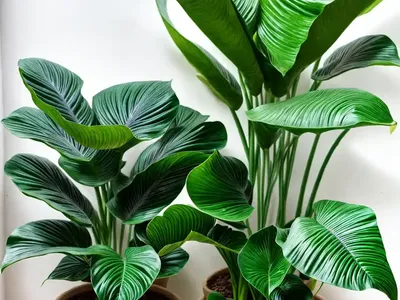
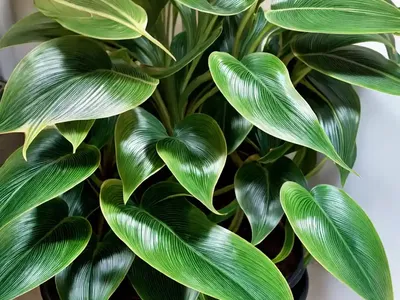
The Homalomena Selby, also known as the Homalomena hybrid, is a delightful tropical plant that belongs to the Araceae family. This evergreen perennial is native to tropical regions and is renowned for its lush foliage, making it a popular choice for indoor and outdoor ornamental use. With its attractive, glossy, heart-shaped leaves and low-maintenance nature, the Homalomena Selby has garnered a dedicated following among plant enthusiasts and interior designers alike.
Key Takeaways – Homalomena Selby (Homalomena hybrid)
Before delving into the specifics of caring for the Homalomena Selby, let’s highlight the key takeaways about this captivating plant:
- Scientific Name: Homalomena hybrid
- Family: Araceae
- Common Names: Homalomena Selby, Homalomena
- Plant Type: Perennial, evergreen
- Foliage: Glossy, heart-shaped leaves
- Uses: Ornamental purposes, indoor and outdoor decoration
- Care Level: Low-maintenance
- Special Features: Air purifying, decorative, lush foliage
Now that we have a general overview of the Homalomena Selby, let’s explore its culture, uses, and specific care requirements in more detail.
Culture
Understanding the cultural requirements of the Homalomena Selby is fundamental to ensuring its optimal growth and health. Let’s delve into the various aspects of its culture, including water, sunlight, fertilizer, soil, and pruning.
Water
Proper watering is crucial for the well-being of the Homalomena Selby. While it’s important to keep the soil consistently moist, overwatering should be avoided to prevent root rot. It’s recommended to water the plant when the top layer of the soil feels dry to the touch. During the growing season, typically spring and summer, the frequency of watering may need to be increased, while a reduced watering schedule is suitable for the plant’s dormant period in winter.
Sunlight
As a tropical plant, the Homalomena Selby thrives in bright, indirect light. While it can tolerate some degree of shade, exposing it to direct sunlight for extended periods should be avoided, as it may cause the leaves to scorch. Placing the plant near a north or east-facing window is ideal for providing the adequate light it requires.
Fertilizer
A balanced, water-soluble fertilizer can contribute to the healthy growth of the Homalomena Selby. During the growing season, from spring to summer, a diluted fertilizer application every 6 to 8 weeks is recommended. However, it’s important to refrain from overfertilizing, as this can lead to fertilizer burn and adversely impact the plant’s health.
Soil
The Homalomena Selby thrives in well-draining, loose potting soil. A high-quality, peat-based potting mix that retains moisture without becoming waterlogged is well-suited for this plant. Enriching the soil with organic matter can also contribute to the overall vitality and resilience of the Homalomena Selby.
Pruning
Regular pruning can help maintain the attractive appearance of the Homalomena Selby. Removing yellowing or damaged leaves not only enhances the plant’s aesthetic appeal but also prevents the spread of diseases. Additionally, pruning any overgrown or leggy stems can promote a more compact and bushy growth habit.
Uses
The Homalomena Selby is a versatile plant with a wide range of uses, both indoors and outdoors. Let’s explore some of its most popular applications:
- Indoor Decor: The lush, glossy foliage of the Homalomena Selby makes it an excellent choice for indoor decoration. Whether placed in living rooms, offices, or lobbies, this plant adds a touch of elegance and natural beauty to any space.
- Outdoor Ornament: In suitable climates, the Homalomena Selby can be utilized as an outdoor ornamental plant, enhancing the visual appeal of gardens, patios, and shaded areas with its vibrant foliage.
- Air Purification: Like many other tropical plants, the Homalomena Selby possesses air-purifying properties, helping to cleanse the air by filtering out toxins and impurities.
Care
Ensuring the optimal care and maintenance of the Homalomena Selby is essential for promoting its growth and longevity. Let’s delve deeper into its care requirements, including watering, sunlight, fertilization, soil, and pruning.
Water
Proper watering is critical for the health of the Homalomena Selby. The following are some essential considerations for watering this plant:
- Consistent Moisture: While it’s important to keep the soil consistently moist, it’s equally crucial to avoid waterlogging, as this can lead to root rot. Checking the moisture level of the soil regularly and adjusting the watering frequency accordingly is essential.
- Seasonal Adjustments: Adapting the watering schedule to the plant’s seasonal needs is essential. During the growing season, the Homalomena Selby may require more frequent watering, while a reduced schedule is suitable during its dormant phase.
Sunlight
Providing the appropriate sunlight conditions can significantly impact the health and growth of the Homalomena Selby. Consider the following tips for ensuring optimal lighting:
- Indirect Light: The plant thrives in bright, indirect light. Placing it near a window with indirect sunlight exposure, such as a north or east-facing window, can provide the ideal lighting conditions.
- Sunlight Avoidance: Direct sunlight should be avoided, as it can cause leaf scorching and negatively impact the plant’s overall health.
Fertilizer
Applying a balanced fertilizer can support the healthy growth of the Homalomena Selby. Here are some guidelines for fertilizing this plant:
- Growing Season Fertilization: During the active growing season, from spring to summer, a diluted, balanced fertilizer application every 6 to 8 weeks can provide the necessary nutrients for the plant.
- Avoid Overfertilization: Overfertilizing should be avoided, as it can lead to fertilizer burn and adversely affect the plant’s health. Carefully following the recommended dosage and frequency is essential.
Soil
Choosing the right soil type is crucial for the well-being of the Homalomena Selby. Consider the following soil-related care tips for this plant:
- Well-Draining Soil: The plant thrives in well-draining, loose potting soil. Selecting a high-quality peat-based potting mix that retains moisture without becoming waterlogged is ideal for the Homalomena Selby.
- Organic Enrichment: Incorporating organic matter into the soil can contribute to the overall vitality and resilience of the plant, supporting its optimal growth and development.
Pruning
Regular pruning can help maintain the attractiveness of the Homalomena Selby while also promoting its overall health and vitality. The following are some essential aspects of pruning this plant:
- Yellowing Leaf Removal: Regularly removing yellowing or damaged leaves not only enhances the plant’s appearance but also prevents the spread of diseases.
- Promoting Compact Growth: Pruning any overgrown or leggy stems can encourage a more compact and bushy growth habit, contributing to the plant’s overall aesthetic appeal.
Propagation
The propagation of the Homalomena Selby can be achieved through various methods, including division and stem cuttings. Here’s a detailed overview of the propagation techniques for this plant:
Division
Dividing mature Homalomena Selby plants is a popular method of propagation. It involves separating the plant into smaller sections, each with its own roots and shoots, thus creating new individual plants. The following steps outline the process of propagating the Homalomena Selby through division:
- Prepare the Plant: Carefully remove the plant from its pot, ensuring that the roots and rhizomes are accessible for division.
- Separate the Sections: Gently divide the plant into smaller sections, ensuring that each division has a healthy portion of roots and shoots.
- Repotting: Plant the divided sections in separate pots with suitable potting mix, ensuring that the soil is moist and well-draining.
- Care and Maintenance: Provide the newly propagated plants with the necessary care, including proper watering, sunlight, and fertilization, to encourage their establishment and growth.
Stem Cuttings
Propagating the Homalomena Selby through stem cuttings is another effective method. It involves taking a section of the plant’s stem and encouraging it to develop roots, eventually leading to the formation of a new plant. The following steps outline the process of propagating the Homalomena Selby through stem cuttings:
- Selecting the Cutting: Choose a healthy, non-flowering stem from the parent plant, ensuring that it has several nodes.
- Cutting Preparation: Trim the stem to obtain a section of approximately 4-6 inches, making the cut just below a node.
- Rooting Medium: Place the cutting in a suitable rooting medium, such as a mix of perlite and peat, ensuring that the lower nodes are buried in the medium.
- Rooting Environment: Provide the cutting with the right environment, including sufficient humidity and indirect light, to facilitate the development of roots.
- Establishing the New Plant: Once roots have developed, carefully transplant the rooted cutting into a pot with suitable potting mix and provide it with the necessary care for continued growth.
Container Popularity
The Homalomena Selby’s popularity as a container plant is due to its adaptability to indoor environments and its attractive foliage. Whether utilized as a standalone decorative piece or as part of an indoor plant arrangement, the Homalomena Selby’s container appeal is undeniable. Its lush, glossy leaves and low-maintenance nature make it an ideal choice for enhancing the aesthetic appeal of interior spaces.
Container Common Diseases
Despite being a resilient plant, the Homalomena Selby may be susceptible to certain diseases, affecting its overall health and appearance. Understanding the common diseases that can afflict this plant is essential for effective management and prevention.
Disease Diagnosis
Identifying and diagnosing diseases afflicting the Homalomena Selby is crucial for implementing the appropriate treatment measures. The following are some common diseases that can affect this plant, along with their symptoms and management:
- Root Rot: Overwatering and poorly draining soil can lead to root rot in the Homalomena Selby, resulting in yellowing and wilting of the leaves. To manage root rot, it’s essential to adjust the watering schedule, improve soil drainage, and consider repotting the plant in fresh, well-draining soil.
- Leaf Spot: Leaf spot diseases can manifest as dark, water-soaked spots on the plant’s foliage, potentially leading to leaf discoloration and defoliation. Managing leaf spot involves practicing proper watering, ensuring good air circulation, and applying fungicidal treatments if necessary.
- Botrytis Blight: This fungal disease can cause wilting, browning, and decay of the plant’s leaves and stems. Management strategies for botrytis blight include maintaining optimal humidity levels, improving air circulation, and promptly removing affected plant parts.
Understanding the symptoms and management techniques for common diseases can help safeguard the health and vitality of the Homalomena Selby, enabling it to thrive in indoor environments.
Common Pests
Like many plants, the Homalomena Selby is susceptible to certain pests that can impact its growth and appearance. Recognizing and addressing these common pests is essential for maintaining the plant’s health and vitality.
Botanist’s Tips
As a plant scientist specializing in the study of Homalomena Selby, I’m delighted to share some exclusive botanist’s tips for ensuring the optimal care and maintenance of this remarkable plant:
- Merging Aesthetics: Utilize the Homalomena Selby’s lush, heart-shaped foliage to create visually striking indoor displays, either as standalone specimens or as part of mixed plant arrangements.
- Temperature Considerations: Pay attention to temperature fluctuations, as the Homalomena Selby thrives in stable, warm environments, and is sensitive to cold drafts.
- Disease Vigilance: Regularly inspect the plant for any signs of disease or pest infestations, addressing any issues promptly to prevent their escalation.
Fun Facts
Let’s uncover some fascinating fun facts about the Homalomena Selby, shedding light on its unique characteristics and cultural significance:
- The Homalomena Selby is often referred to as the “Queen of Hearts” due to the distinctive shape of its leaves, which resemble hearts.
- In traditional folklore, the Homalomena Selby is associated with themes of love and affection, making it a symbolic gift for expressing heartfelt emotions.
Links to External Resources
For further information and resources on the care and cultivation of the Homalomena Selby, I recommend exploring the following external links:
In conclusion, the Homalomena Selby (Homalomena hybrid) is a captivating and versatile plant with a plethora of uses and qualities. Whether adorning indoor spaces with its lush, heart-shaped leaves or contributing to air purification, this plant enriches our lives in numerous ways. By understanding and implementing the appropriate care and maintenance practices, plant enthusiasts and indoor gardeners can experience the beauty and vitality of the Homalomena Selby firsthand. I trust that this comprehensive guide has provided valuable insights into the world of Homalomena Selby, offering a deeper appreciation for its unique attributes and cultural significance.
As a plant scientist, I am intrigued by the diverse array of plant species and their immense ecological and cultural value. Exploring the nuances of plants such as the Homalomena Selby allows us to appreciate their intricate beauty and the vital role they play in enriching our environment and lives.