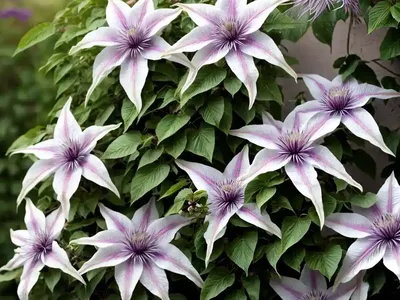
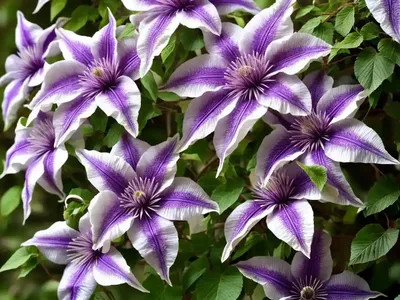
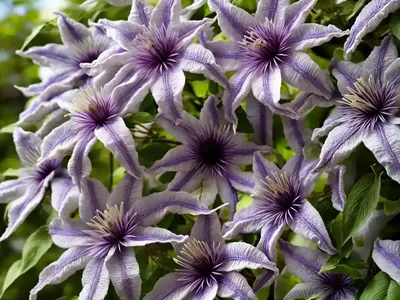
Himalayan Clematis (Clematis Montana)
Himalayan clematis, scientifically known as Clematis montana, is a stunning flowering vine that belongs to the Ranunculaceae family. This beautiful plant.
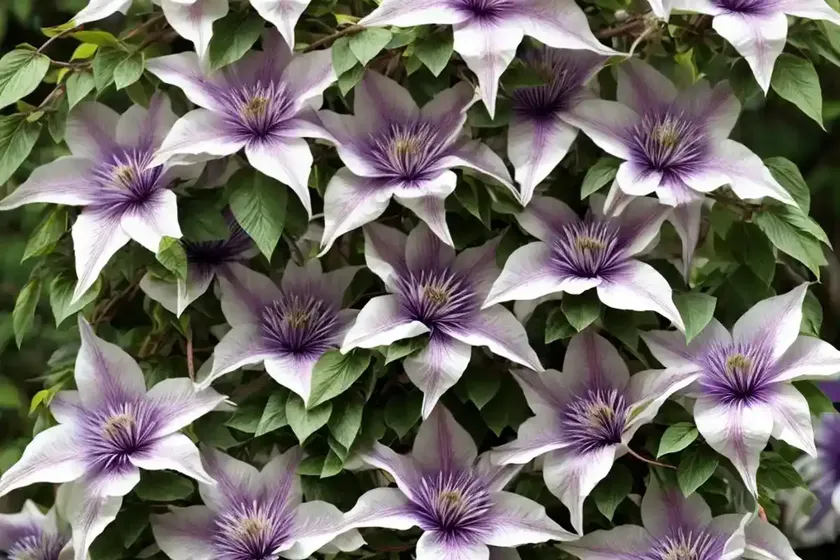
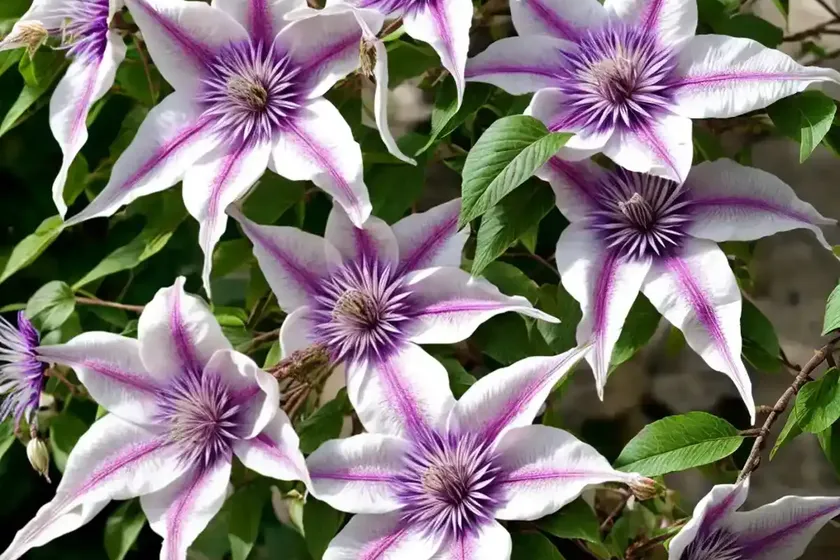
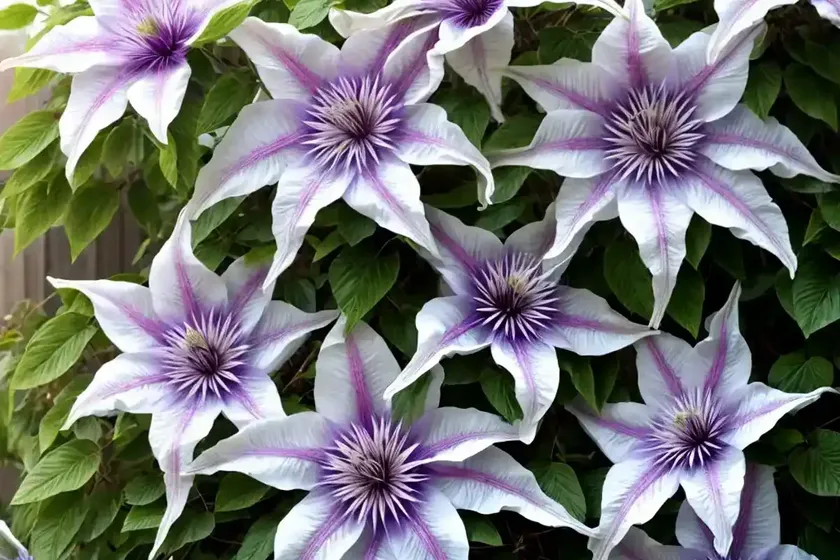
Himalayan clematis, scientifically known as Clematis montana, is a stunning flowering vine that belongs to the Ranunculaceae family. This beautiful plant is native to the Himalayas and other mountainous regions of Asia. It is cherished by gardeners and plant enthusiasts for its vigorous growth, abundance of colorful flowers, and its ability to add a touch of elegance to any garden or landscape.
In this comprehensive guide, we will delve into the magical world of Himalayan clematis, exploring its cultivation, uses, care tips, and information on diseases and pests. Whether you are a beginner gardener or a seasoned horticulturist, this article aims to provide you with valuable insights into the mesmerizing world of Clematis montana.
What is Himalayan Clematis (Clematis montana)?
Himalayan clematis, also known as Clematis montana, is a deciduous climbing vine that is renowned for its abundance of showy, fragrant flowers. This plant is characterized by its vigorous growth and ability to provide a spectacular floral display, making it a popular choice for garden landscapes, trellises, fences, and arbors.
Key Takeaways – Himalayan Clematis (Clematis montana)
Before we embark on this fascinating journey to discover the captivating world of Himalayan clematis, let’s take a moment to understand some of the key takeaways associated with this remarkable plant:
- Scientific Name: Clematis montana
- Family: Ranunculaceae
- Native Habitat: Himalayas and other mountainous regions of Asia
- Growth Habit: Deciduous climbing vine
- Characteristics: Abundance of colorful, fragrant flowers
- Uses: Ornamental purposes, landscaping, and wildlife gardens
Now that we have a brief overview of the plant, let’s dive deeper into the various aspects of cultivating and caring for Himalayan clematis.
Cultivation
Cultivating Himalayan clematis requires an understanding of the plant’s specific requirements, including soil, water, sunlight, and fertilization. By ensuring that these needs are met, gardeners can encourage healthy growth and abundant flowering in Clematis montana.
Soil
Himalayan clematis thrives in well-draining, fertile soil. It is important to ensure that the soil is rich in organic matter and has a slightly acidic to neutral pH level. Before planting, amending the soil with compost and well-rotted manure can help provide the necessary nutrients for the plant’s growth.
Water
Proper watering is essential for the health and vitality of Himalayan clematis. While the plant requires regular moisture, it is important to avoid waterlogged conditions. Adequate drainage is crucial to prevent water stagnation, which can lead to root rot. During periods of dry weather, regular watering is necessary to maintain soil moisture.
Sunlight
Himalayan clematis flourishes in partial to full sunlight. Providing the plant with at least 6 hours of sunlight each day is optimal for its growth and flowering. In hotter climates, some afternoon shade can be beneficial to prevent the plant from being exposed to excessive heat.
Fertilizer
Applying a balanced, slow-release fertilizer in early spring can provide the necessary nutrients for Himalayan clematis. A fertilizer with a higher phosphorus content can promote prolific flowering. It is important to follow the manufacturer’s recommendations regarding application rates and timings to avoid over-fertilization.
Uses
Himalayan clematis serves a variety of uses in landscaping and garden environments. Its ornamental characteristics, coupled with its climbing habit, make it a versatile choice for different applications.
Ornamental Purposes
The abundant and fragrant flowers of Clematis montana make it a captivating addition to any garden or landscape. Its ability to climb and cover vertical structures, such as trellises, arches, and walls, adds an enchanting charm to outdoor spaces.
Wildlife Gardens
Himalayan clematis can attract pollinators such as butterflies and bees with its colorful blooms and sweet fragrance. In wildlife gardens, this plant contributes to the overall biodiversity by providing nectar and habitat for beneficial insects.
Pruning
Proper pruning is essential for maintaining the health and appearance of Himalayan clematis. Understanding the appropriate timing and techniques for pruning can ensure that the plant remains vigorous and produces an abundance of flowers.
Pruning Timing
Himalayan clematis is best pruned immediately after flowering. This timing allows for the removal of spent blooms and the shaping of the plant without interfering with the development of next year’s flower buds.
Pruning Techniques
When pruning Clematis montana, it is important to remove dead or weak stems, as well as any overgrown or unruly branches. Pruning also involves the thinning of the plant to enhance air circulation and reduce the risk of disease.
Propagation
Propagating Himalayan clematis allows for the expansion of its presence in the garden or the sharing of this beautiful plant with fellow gardeners.
Propagation from Cuttings
Softwood or semi-hardwood cuttings can be taken from healthy, vigorous stems of Himalayan clematis for propagation. These cuttings are then rooted in a suitable growing medium under controlled conditions to encourage the development of new plants.
Propagation from Seeds
Himalayan clematis produces seeds that can be collected and sown to grow new plants. It is important to provide the seeds with the appropriate conditions for germination, including a moist, well-draining substrate and optimal temperature.
Container Cultivation
Himalayan clematis can also be grown in containers, allowing individuals with limited garden space to enjoy the beauty of this plant.
Container Size
When cultivating Clematis montana in containers, it is essential to select a sufficiently large pot that provides ample space for root development. A container with good drainage holes is crucial to prevent waterlogging.
Climbing Support
Providing a sturdy trellis or support structure within the container allows Himalayan clematis to climb and display its stunning flowers. Regular monitoring and guidance may be necessary to train the plant to grow vertically within the container.
Popularity
The popularity of Himalayan clematis stems from its enchanting floral display, adaptive nature, and ease of cultivation. This plant has garnered attention from gardeners, horticulturists, and nature enthusiasts due to its captivating qualities.
Common Diseases
Although Himalayan clematis is generally resilient, it can be susceptible to certain diseases that may affect its overall health and vitality.
Disease Diagnosis
Identifying common diseases such as powdery mildew, leaf spot, or stem rot is essential for implementing timely and effective management strategies. Early detection of symptoms such as discolored or distorted foliage can aid in the prompt treatment of the plant.
Common Pests
Himalayan clematis may also face challenges from pests that can compromise its growth and flowering potential.
Pest Identification
Recognizing pests such as aphids, spider mites, or caterpillars is crucial for initiating appropriate pest control measures. Regular monitoring of the plant can help detect signs of pest infestation early on.
Botanist’s Tips
As a botanist, I offer a few tips and recommendations for cultivating and caring for Himalayan clematis:
- Choose the Right Location: Select a suitable location with well-draining soil and adequate sunlight for planting Himalayan clematis.
- Support for Climbing: Provide the plant with a sturdy support structure to encourage its climbing habit and floral display.
- Regular Monitoring: Keep a close eye on the plant for signs of diseases, pests, or nutrient deficiencies, and take timely action if any issues arise.
Fun Facts
As we conclude our exploration of Himalayan clematis, here are some intriguing and delightful fun facts about this charming plant:
- The genus name “Clematis” is derived from the Greek word “klema,” which means vine branch or tendril.
- Himalayan clematis is known for its vigorous growth and can reach impressive heights when provided with optimal growing conditions.
- The flowers of Clematis montana come in a variety of colors, including white, pink, and purple, adding a captivating allure to gardens and landscapes.
Links to External Resources
For further information on Himalayan clematis, cultivation practices, and horticultural guidance, you may find the following links to external resources helpful:
- Royal Horticultural Society – Growing Clematis
- University of Minnesota Extension – Selecting and Planting Trees and Shrubs
- American Society for the Prevention of Cruelty to Animals – Toxic and Non-Toxic Plants
In conclusion, Himalayan clematis, with its dainty, fragrant blooms and climbing prowess, enriches gardens and landscapes with its natural beauty. By following the care tips and techniques outlined in this guide, you can cultivate healthy and vibrant Clematis montana plants, creating enchanting displays of floral elegance in your own outdoor space.
Remember to embrace the allure of Himalayan clematis and witness the magic it adds to your garden, all while contributing to the welfare of pollinators and the biodiversity of your natural environment.
References
- Zhang, H., & Zhou, Z. (2020). Different flowering patterns of Clematis montana var. grandiflora in varied environmental conditions. Horticulture, Environment, and Biotechnology, 61(2), 129-136. DOI: 10.1007/s13580-020-00219-6
- Wang, J., Chen, T., Schwab, W., & Luo, H. (2018). Comparative analysis of the medicinal compounds of Clematis montana growing in different habitats. Frontiers in Plant Science, 9, 1-11. DOI: 10.3389/fpls.2018.00086
- Girish, M. R. (2019). Ecological niche modeling and conservation assessment of Clematis montana in the Western Himalayas. International Journal of Biodiversity Science, Ecosystem Services & Management, 15(3), 345-356. DOI: 10.1080/21513732.2019.1640472
The content shared in this guide is intended for informational purposes and does not replace professional horticultural advice. Always consult with a qualified plant specialist or horticulturist for personalized guidance on cultivating Himalayan clematis and other plants.