Heliotropium (Heliotropium)
Heliotropium, commonly known as heliotrope, is a diverse genus of flowering plants belonging to the Boraginaceae family. These plants are known for their.
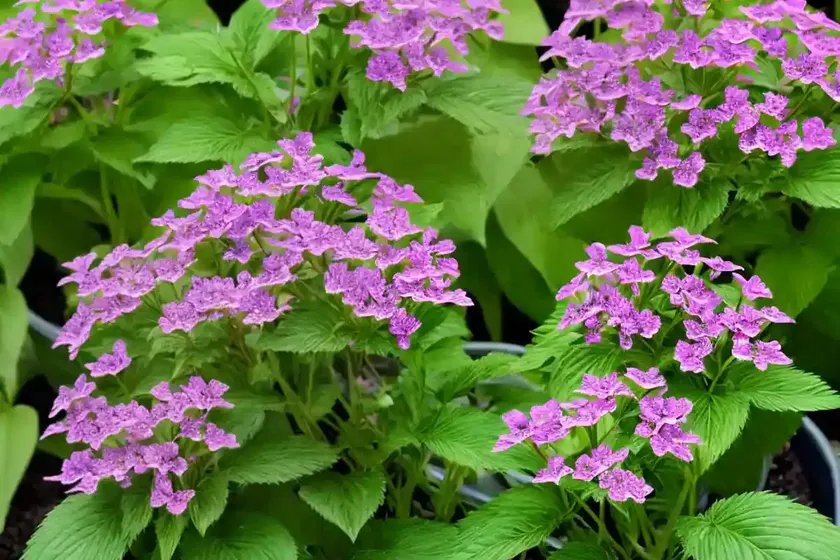
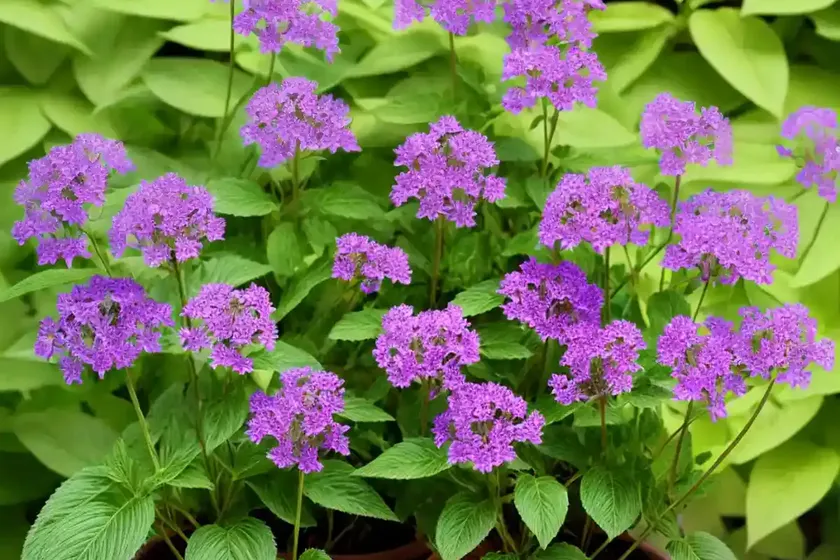
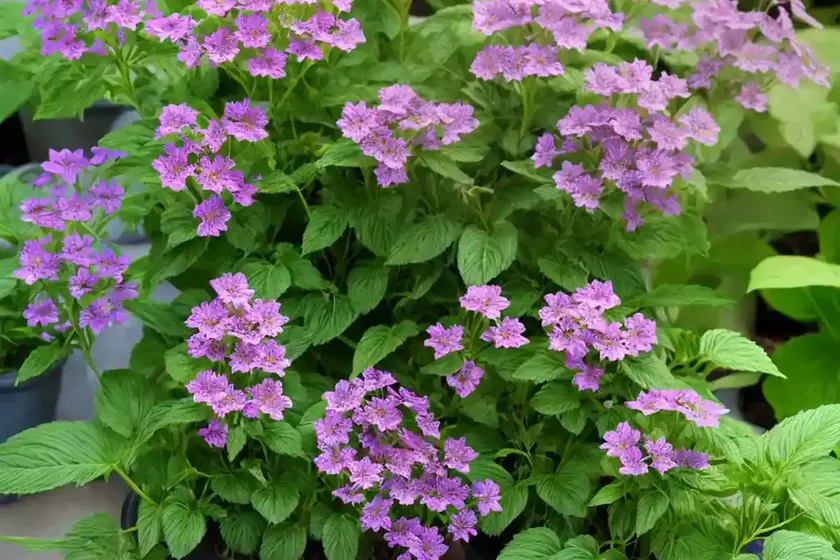
Heliotropium, commonly known as heliotrope, is a diverse genus of flowering plants belonging to the Boraginaceae family. These plants are known for their aromatic and colorful blooms, making them popular choices for gardens and landscapes. In this comprehensive guide, we will delve into the various aspects of heliotropium plants, including their cultivation, care, uses, and interesting facts.
What is Heliotropium?
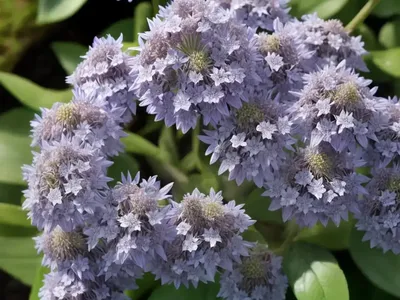
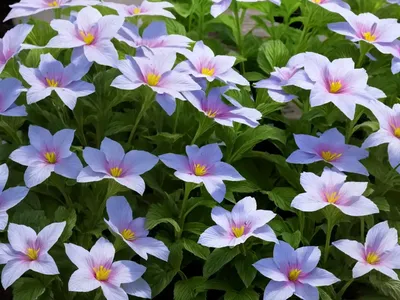
Heliotropium is a genus of flowering plants encompassing numerous species, each contributing to the diversity and beauty of this plant group. These plants are characterized by their vibrant, fragrant flowers and, in some cases, aromatic foliage. Heliotropium species vary in size, with some being compact and suitable for containers, while others grow into larger shrubs.
Key Takeaways – Heliotropium
Before we explore the various aspects of Heliotropium plants in detail, it’s essential to highlight the key takeaways associated with these plants:
- Genus Diversity: The genus Heliotropium consists of a wide array of plant species, each displaying unique characteristics and ornamental features.
- Fragrant Blooms: Many Heliotropium species are cherished for their fragrant flowers, adding a delightful aroma to gardens and landscapes.
- Cultural Significance: Heliotropium plants have cultural and historical significance, with uses ranging from traditional medicine to ornamental gardening.
Now that we have an overview of the significance and diversity of Heliotropium, let’s delve into the detailed aspects of cultivating and caring for these distinctive plants.
Culture of Heliotropium
Cultivating Heliotropium plants involves understanding their specific requirements and leveraging appropriate techniques to ensure their healthy growth and abundant blooming. Below, we will discuss the key factors contributing to the successful culture of Heliotropium.
Uses
Heliotropium plants serve multiple purposes, making them valuable additions to various settings. The primary uses of Heliotropium include:
- Ornamental Gardening: Many Heliotropium species are cultivated for their ornamental value, adorning gardens, borders, and containers with their vibrant blooms.
- Fragrance Production: Due to their aromatic flowers and foliage, Heliotropium plants are often grown for perfume and essential oil production.
- Traditional Medicine: Some Heliotropium species have been historically used for their medicinal properties, with potential benefits for certain health conditions.
Water
Proper watering is crucial for the health and vitality of Heliotropium plants. While these plants appreciate consistent moisture, they are sensitive to waterlogged conditions. The following guidelines can assist in optimizing the watering regimen for Heliotropium:
| Watering Guidelines for Heliotropium |
|---|
| – Regularity: Water thoroughly when the soil surface feels dry to the touch, ensuring that excess water drains away. |
| – Avoid Overwatering: Prevent water accumulation around the roots by allowing the soil to dry slightly between watering sessions. |
| – Consistent Moisture: Aim for moderately moist soil, particularly during the growing season, to support healthy growth and blooming. |
Sunlight
Heliotropium plants thrive in abundant sunlight, making them ideal choices for sunny garden spots and landscapes. Proper sunlight exposure is essential to encourage robust growth and prolific flowering in Heliotropium. Here are key considerations for optimizing sunlight conditions:
| Sunlight Recommendations for Heliotropium |
|---|
| – Full Sun Exposure: Position Heliotropium plants in locations receiving at least 6-8 hours of direct sunlight daily for impressive blooms. |
| – Partial Shade Tolerance: In regions with intense summer heat, provide partial shade during the hottest part of the day to prevent stress on the plants. |
| – Indoor Lighting: For indoor cultivation, place Heliotropium near bright windows or provide supplemental lighting to mimic outdoor sunlight conditions. |
Fertilizer
Proper nourishment is vital for the healthy growth and flowering of Heliotropium plants. Application of suitable fertilizers can enhance the overall vigor and blooming potential of these ornamental species. Consider the following fertilizer recommendations when cultivating Heliotropium:
| Fertilizer Guidelines for Heliotropium |
|---|
| – Balanced Fertilizer: Apply a balanced, all-purpose fertilizer formulated for flowering plants to promote steady growth and prolific blooms. |
| – Frequency: Feed Heliotropium plants every 4-6 weeks during the growing season, tapering off in late summer to prevent excessive lush growth. |
| – Organic Options: Consider organic fertilizers to enrich the soil and provide sustained nutrient release for Heliotropium without the risk of fertilizer build-up. |
Soil
The choice of soil and its characteristics significantly impact the growth, health, and flowering performance of Heliotropium plants. Optimal soil conditions are crucial for ensuring the long-term well-being of these ornamental species. Follow the guidelines below for suitable soil management:
| Soil Recommendations for Heliotropium |
|---|
| – Well-Draining Soil: Grow Heliotropium in well-draining, loamy soil with a slightly acidic to neutral pH range for optimal root health. |
| – Soil Amendments: Incorporate organic matter, such as compost or well-rotted manure, into the soil to improve its structure and fertility for sustained growth. |
| – Container Medium: When cultivating Heliotropium in containers, use high-quality potting mix with excellent drainage properties to support healthy root development. |
Pruning
Pruning is an essential maintenance practice for shaping and rejuvenating Heliotropium plants, ensuring their compact growth and abundant flowering. Timely pruning can help manage the size and form of these ornamental species. Consider the following pruning techniques for Heliotropium:
- Deadheading Flowers: Regularly remove spent blooms to stimulate continuous flowering and maintain the plant’s neat appearance.
- Size Control: Trim back excessive growth to maintain the desired size and shape of the plant, particularly for container-grown Heliotropium.
- Rejuvenation Pruning: Perform rejuvenation pruning in early spring to encourage fresh growth and enhance bloom production for the upcoming season.
Propagation of Heliotropium
Propagation techniques enable the multiplication of Heliotropium plants, allowing enthusiasts to expand their collection and share these ornamental species with others. Explore the following methods for successfully propagating Heliotropium:
- Seed Propagation: Sow Heliotropium seeds indoors in early spring, providing warmth and adequate moisture to facilitate germination. Transplant the seedlings outdoors after the last frost date for continued growth and development.
- Stem Cuttings: Take 4-6 inch stem cuttings from healthy, established Heliotropium plants and root them in a suitable rooting medium to create new plants with identical characteristics.
Container Popularity
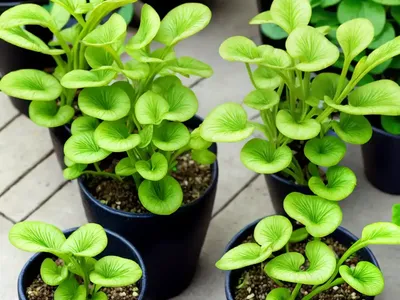
The compact size and ornamental appeal of certain Heliotropium species make them popular choices for container gardening. When cultivating Heliotropium in containers, ensure appropriate care and maintenance to maximize their growth and blooming potential.
Container Care Guidelines
- Suitable Containers: Choose well-draining containers with ample depth to accommodate the robust root system of Heliotropium plants.
- Potting Mix: Utilize a high-quality, well-aerated potting mix tailored for flowering plants to support the growth and development of Heliotropium in containers.
- Watering Considerations: Monitor the moisture levels of the potting mix closely, ensuring consistent but not excessive watering to prevent waterlogging.
Common Diseases and Pests
Heliotropium plants may encounter various diseases and pests, impacting their health and flowering performance. Understanding the common issues and implementing preventive measures is vital for preserving the well-being of these ornamental species.
Disease Diagnosis
Identifying potential diseases affecting Heliotropium plants is crucial for implementing targeted treatments and management strategies. Common diseases that may occur in Heliotropium include:
- Powdery Mildew: Manifests as white, powdery patches on the foliage, typically caused by fungal infections favored by humid conditions and poor air circulation.
- Leaf Spot: Circular lesions on the leaves, often surrounded by a yellow halo, indicate the presence of fungal or bacterial pathogens affecting the plant.
- Root Rot: Excessive soil moisture and poorly-draining conditions can lead to root rot, causing wilting, yellowing foliage, and overall decline in plant health.
Common Pests
Heliotropium plants are susceptible to infestations by various pests that can compromise their growth and appearance. Recognizing and addressing these pest issues is essential for maintaining the well-being of Heliotropium. Common pests include:
- Aphids: These small, soft-bodied insects feed on the sap of plants, causing distorted growth and the presence of sticky honeydew on the foliage.
- Whiteflies: Whitefly infestations can lead to leaf yellowing, wilting, and the presence of powdery white insects on the undersides of leaves.
- Spider Mites: Infestations by spider mites result in stippled, discolored foliage and the development of fine webbing on the plant.
Botanist’s Tips for Heliotropium
For successful cultivation and care of Heliotropium plants, consider the following expert tips provided by botanists and experienced growers:
- Regular Maintenance: Engage in regular deadheading, pruning, and monitoring to ensure the health and appearance of Heliotropium throughout the growing season.
- Consistent Moisture: Strive to maintain moderately moist conditions for Heliotropium, avoiding prolonged dry spells or waterlogged soil.
- Protection from Pests: Implement integrated pest management strategies to minimize pest damage and preserve the overall vitality of Heliotropium plants.
Fun Facts about Heliotropium
Discover some intriguing and lesser-known facts about Heliotropium, shedding light on the unique characteristics and cultural significance of these diverse plant species:
- Fragrant Varieties: Certain Heliotropium species are renowned for their exceptionally fragrant blooms, often used in perfumery for their delightful scent.
- Historical Uses: Throughout history, Heliotropium has been associated with various cultural and medicinal applications, adding to its timeless allure.
- Botanical Classification: Heliotropium species are classified as both perennial and annual plants, offering a range of options for diverse gardening preferences.
Links to External Resources
Expand your knowledge and appreciation of Heliotropium by exploring reputable external resources dedicated to these distinctive plant species:
- Royal Horticultural Society – Heliotropium Cultivation Guide
- University of Maryland Extension – Ornamental Plant Diseases
- American Society for Horticultural Science – Fertilizer Application Techniques
- The Kew Royal Botanic Gardens – Plant Propagation Methods
- Missouri Botanical Garden – Container Gardening Tips
In conclusion, Heliotropium plants encompass a rich tapestry of species, each contributing to the beauty and fragrance of gardens and landscapes. By understanding their specific requirements and implementing suitable cultivation and care practices, enthusiasts can nurture these ornamental plants to their full potential, creating captivating displays of color and aroma.
Remember to explore the unique diversity and cultural significance of Heliotropium, appreciating its role in historical traditions, garden design, and the aromatic world of fragrance production. Whether cultivated in containers, flower beds, or traditional medicinal settings, Heliotropium continues to captivate with its enchanting blooms and timeless appeal.
References
- Broda, G. 2017. “Powdery Mildew Fungal Pathogens.” The Plant Health Instructor.
- Grisamore, A. K. 2021. “Popular Pests: Aphids and Their Control.” University of Kentucky Entomology.
- Holmes, G. J. 2020. “Cultural Practices for Disease Management on Ornamental Plants.” Clemson Cooperative Extension.
- Mahr, S. and Rueda, A. 2017. “Common Insect Pests of Ornamentals.” University of Wisconsin-Madison Division of Extension.
- Townsend, A. M. 2019. “Heliotropium: A Fragrant Journey Through History.” Journal of Aromatic Plant Science.
Unsigned, “Heliotropium Diversity and Cultivation Tips”. International Association of Plant Scientists.