Heliotropium Gnaphalodes (Sea Lavender)
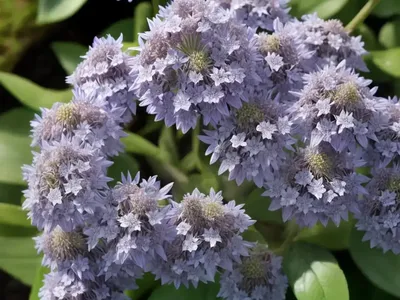
Heliotropium gnaphalodes, commonly known as Sea Lavender, is a fascinating coastal plant species that belongs to the Heliotrope family. This unique plant.
Introduction
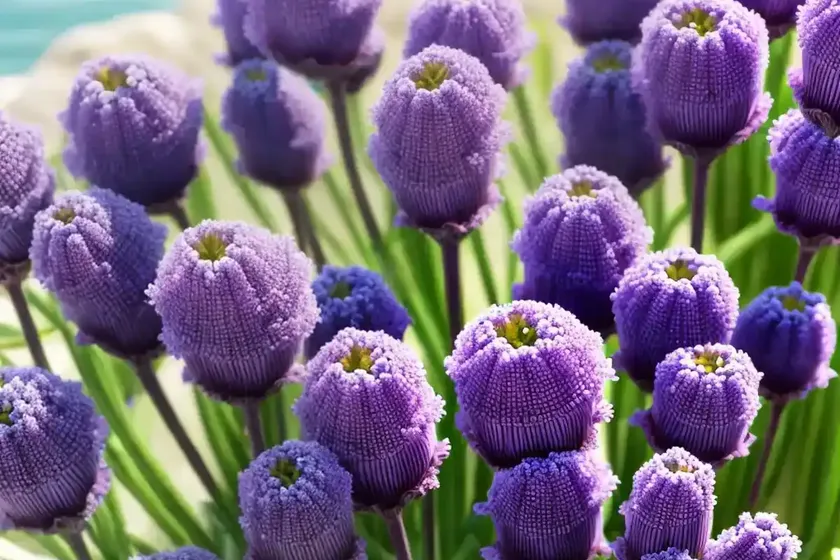
Heliotropium gnaphalodes, commonly known as Sea Lavender, is a fascinating coastal plant species that belongs to the Heliotrope family. This unique plant is renowned for its lavender-like flowers and salt-tolerant nature, making it a popular choice for coastal gardening and landscaping. In this comprehensive guide, we will explore the various aspects of Sea Lavender, including its cultural significance, uses, growth requirements, care tips, and much more.
What is Heliotropium gnaphalodes?
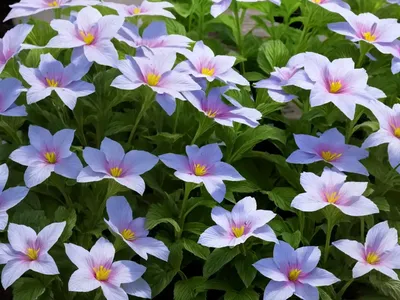
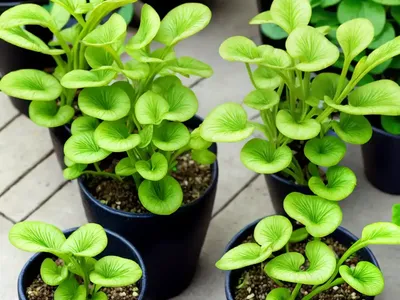
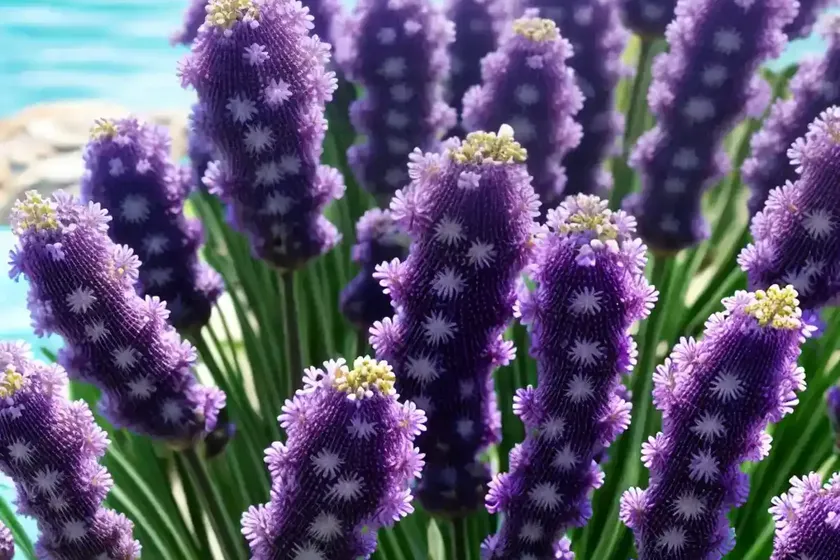
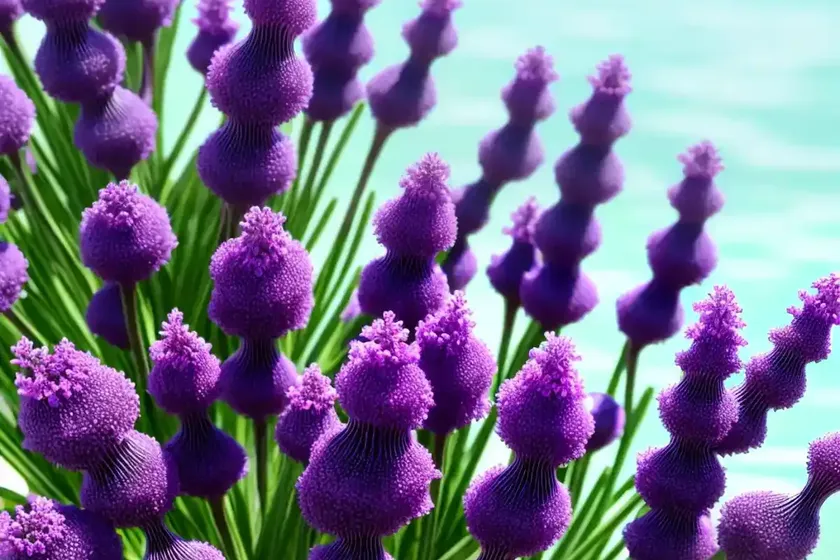
Heliotropium gnaphalodes, also known as Seashore Heliotrope, is a species of flowering plant that is native to coastal regions. It is characterized by its vibrant purple flowers and lance-shaped leaves, creating a visually striking appearance. The plant is well-adapted to thrive in sandy and salty environments, making it an ideal choice for gardens and landscapes along the coast.
Key Takeaways – Heliotropium gnaphalodes (Sea Lavender)
Culture
- Culturally significant as a coastal plant species
- Symbolic importance in coastal ecosystems
- Used in landscape design for its unique foliage and flowers
- Known for its medicinal properties in traditional remedies
Uses
- Ornamental plant in gardens and landscapes
- Floral arrangements and bouquets
- Wildlife interactions, serving as a nectar source and habitat for various organisms
- Commercial uses in coastal tourism and environmental conservation efforts
Water
- Moderate water requirements
- Tolerant to occasional saltwater exposure
- Well-drained soil is essential to prevent waterlogging
Sunlight
- Thrives in full sunlight to partial shade
- Adaptable to various light conditions, but optimal growth in direct sunlight
Fertilizer
- Minimal fertilization required
- Application of a balanced, slow-release fertilizer in spring
- Avoid excessive nitrogen to prevent lush foliage at the expense of flowers
Soil
- Well-drained sandy or loamy soil
- Tolerant of high salinity levels in the soil
- pH preference ranges from slightly acidic to alkaline
Pruning
- Light pruning to maintain shape and remove spent flowers
- Prune back in late winter or early spring to stimulate new growth
- Minimal grooming required due to its natural growth habit
Propagation
- Easily propagated from seeds or cuttings
- Seed propagation in spring or summer
- Cuttings root easily in a well-draining rooting medium
Container Popularity
- Growing popularity in coastal container gardening
- Suitable for container cultivation in regions with poor soil quality
- Enhances coastal-themed container gardens and patios
Common Diseases
- Resistant to most common plant diseases
- Occasional susceptibility to root rot in poorly drained soil
- Pragmatic disease management through proper cultural practices
Disease Diagnosis
- Symptoms such as wilting, yellowing leaves, and stem lesions may indicate disease
- Conduct a thorough inspection for signs of fungal or bacterial infections
- Consult with a plant health professional for accurate diagnosis and treatment recommendations
Common Pests
- Generally resistant to pests due to its salt-tolerant nature
- Occasional susceptibility to aphids and spider mites
- Natural predators and beneficial insects help control pest populations
Botanist’s Tips
- Incorporate Sea Lavender in coastal-themed landscapes and garden designs
- Experiment with different companion plants to enhance its visual appeal
- Use organic mulch to conserve soil moisture and suppress weed growth
- Monitor soil salinity levels and adjust watering practices accordingly
Fun Facts
- Sea Lavender’s flowers are renowned for their long-lasting color and freshness, making them ideal for floral arrangements and bouquets.
- The plant’s resilience in coastal environments reflects its remarkable adaptability and ecological significance.
- While primarily known for its ornamental uses, Sea Lavender exhibits certain medicinal properties in traditional herbal remedies.
Links to External Resources
Conclusion
Heliotropium gnaphalodes, or Sea Lavender, is a captivating coastal plant species with a rich cultural heritage and diverse environmental benefits. Its salt-tolerant nature, vibrant flowers, and low-maintenance requirements make it an appealing choice for coastal gardens, landscapes, and conservation efforts. By understanding its unique characteristics and cultivation needs, plant enthusiasts can appreciate the ecological and aesthetic value that Sea Lavender contributes to coastal ecosystems and horticultural practices.
Now that we have explored the various aspects of Sea Lavender, ranging from its cultural significance to its botanical attributes, we can truly appreciate the charm and resilience of this coastal plant species. Whether used for its ornamental beauty, ecological contributions, or traditional uses, Heliotropium gnaphalodes continues to captivate and inspire plant enthusiasts and environmental stewards alike.