Heliotropium Curassavicum (Salt Heliotrope)
As a plant scientist, I am excited to share with you an in-depth guide on Heliotropium curassavicum, commonly known as Salt Heliotrope. This beautiful and.
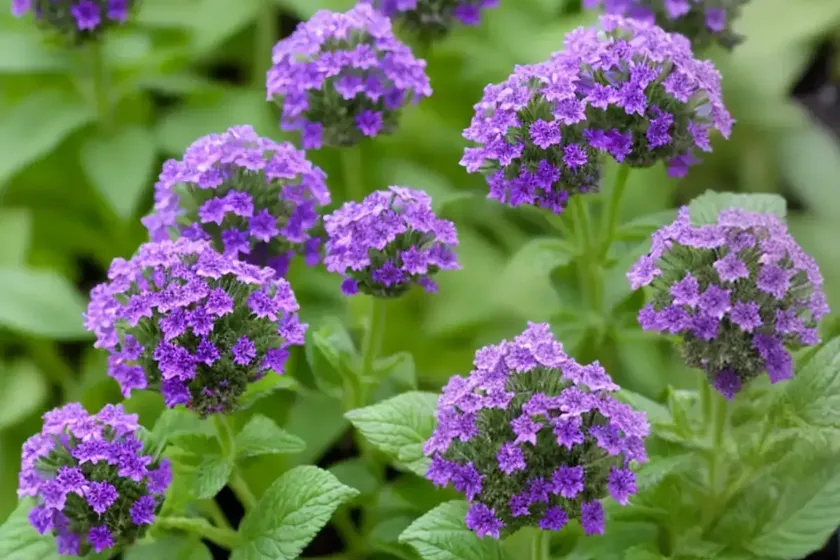
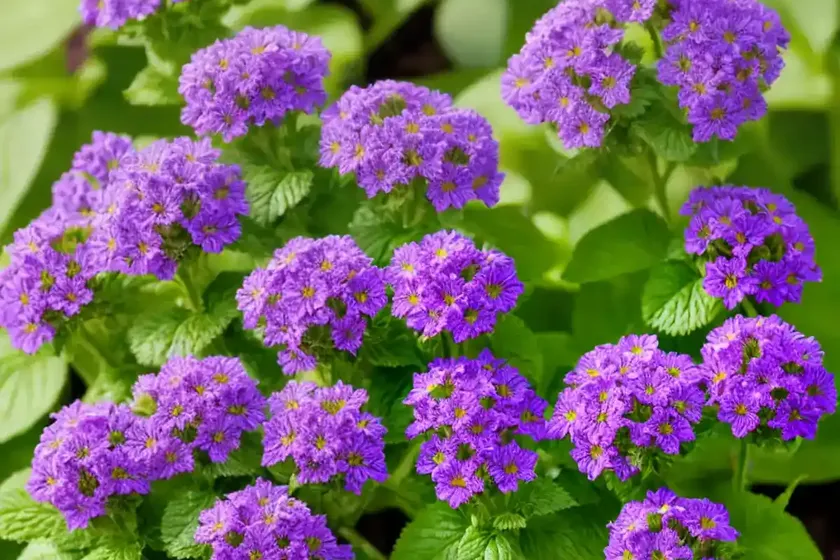
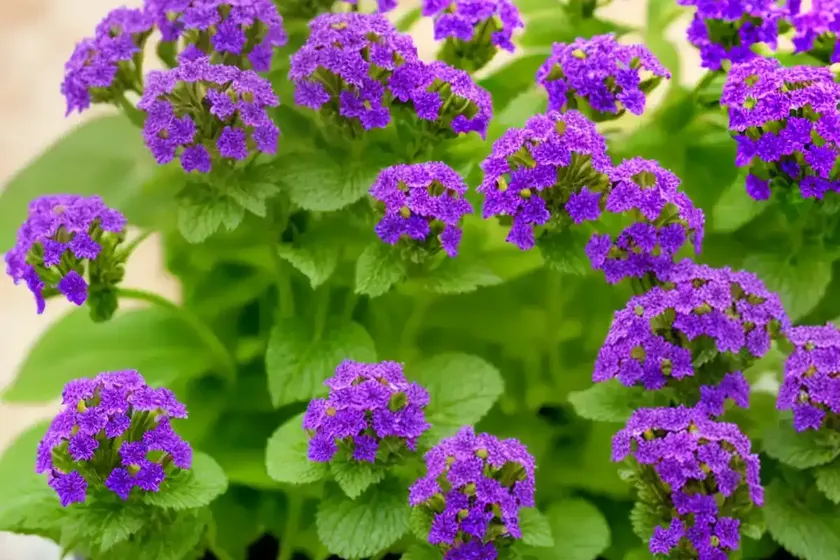
As a plant scientist, I am excited to share with you an in-depth guide on Heliotropium curassavicum, commonly known as Salt Heliotrope. This beautiful and resilient plant has captured the attention of plant enthusiasts, gardeners, and researchers due to its unique characteristics and adaptations to coastal environments.
In this comprehensive guide, I will delve into various aspects of Salt Heliotrope, including its cultural preferences, uses, growth requirements, propagation, common diseases and pests, as well as interesting facts and folklore associated with this remarkable plant.
By the end of this guide, you will have a deep understanding of Heliotropium curassavicum, equipping you with the knowledge to cultivate and appreciate this coastal gem in various settings, from gardens to coastal restoration projects.
Let’s embark on an enlightening journey into the world of Salt Heliotrope!
What is Heliotropium curassavicum?
Before we delve into the specific aspects of Heliotropium curassavicum, it’s essential to understand the fundamental characteristics and taxonomy of this plant. Heliotropium curassavicum, a member of the Boraginaceae family, is a herbaceous perennial that is native to coastal regions and is known for its remarkable tolerance to saline conditions.
Taxonomy and Nomenclature
- Scientific Name: Heliotropium curassavicum
- Family: Boraginaceae
- Common Names: Salt Heliotrope, Quail Plant, and Salt Heliotrope
- Synonyms: Other synonyms for Heliotropium curassavicum include Tournefortia hirsutissima, Heliotropium gatense, and Heliotropium strigosum.
Morphological Characteristics
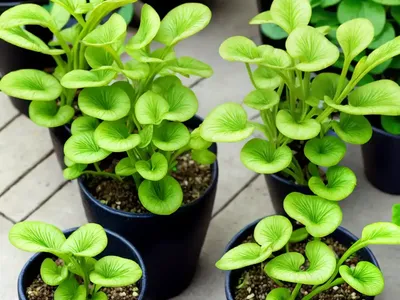
- Leaves: The leaves of Heliotropium curassavicum are lanceolate to oblanceolate and are often covered in fine hairs, giving them a distinctive texture and appearance.
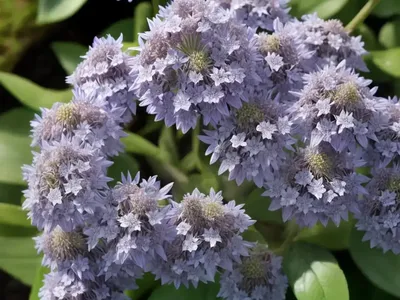
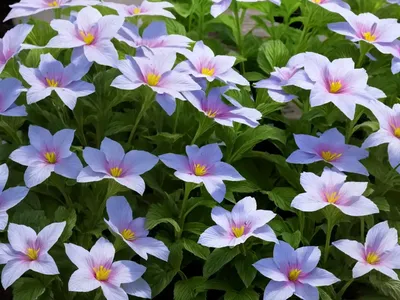
- Flowers: The plant produces clusters of small, tubular, white to pale lavender flowers that are arranged in coiled inflorescences, adding to its ornamental appeal.
- Habit: Salt Heliotrope typically grows in a low, spreading habit, forming dense mats in its natural coastal habitats.
Adaptations to Saline Environments
One of the most intriguing aspects of Heliotropium curassavicum is its remarkable adaptation to saline environments. Salt Heliotrope possesses specialized mechanisms that enable it to thrive in coastal areas with high salt content in the soil and air. These adaptations include salt excretion, salt tolerance, and osmotic regulation, allowing the plant to flourish in challenging coastal habitats.
Now that we have gained insight into the fundamental characteristics of Heliotropium curassavicum, let’s explore the key takeaways of this remarkable plant.
Key Takeaways – Heliotropium curassavicum (Salt Heliotrope)
Cultural Preferences
Uses
- Ornamental: Heliotropium curassavicum is valued as an ornamental plant in coastal gardens, xeriscapes, and landscapes where its salt tolerance and low-growing habit make it a desirable addition.
- Coastal Restoration: Due to its ability to thrive in saline environments, Salt Heliotrope is utilized in coastal restoration projects aimed at stabilizing dunes, controlling erosion, and enhancing biodiversity in coastal ecosystems.
- Medicinal: In traditional medicine, parts of Heliotropium curassavicum have been used for their purported medicinal properties, including as a diuretic and for addressing skin conditions.
Water
- Tolerance to Saline Irrigation: Salt Heliotrope exhibits notable tolerance to saline irrigation water, making it suitable for landscaping in coastal areas with limited access to freshwater resources.
Sunlight
- Full Sun to Partial Shade: Heliotropium curassavicum thrives in full sun to partial shade conditions, making it adaptable to a range of light intensities in coastal and garden settings.
Fertilizer
- Low Nutrient Requirements: This plant is well-adapted to low-nutrient environments, and excessive fertilizer application should be avoided to prevent potential negative effects on its performance.
Soil
- Well-Drained Soil: Salt Heliotrope thrives in well-drained, sandy, or loamy soils with good aeration, reflecting its adaptation to coastal substrate conditions.
Pruning
- Minimal Pruning Requirements: Due to its low-growing habit and spreading nature, Salt Heliotrope generally requires minimal pruning, primarily to shape or control its spread in landscaping applications.
Propagation
- Seed Propagation: Heliotropium curassavicum can be propagated from seeds, with the collection and sowing of mature seeds being a viable method for propagating new plants.
Container Popularity
- Coastal and Xeriscape Containers: Salt Heliotrope is a popular choice for containers in coastal and xeriscape gardens, where it adds unique texture and resilience to container plantings.
Common Diseases
- No Major Disease Susceptibility: Heliotropium curassavicum exhibits robust resistance to many common diseases, making it a low-maintenance and resilient plant in garden and coastal settings.
Common Pests
- Minimal Pest Pressure: While specific pests such as aphids and whiteflies may occasionally affect Salt Heliotrope, the overall pest pressure on this plant is typically low.
Now that we have explored the key takeaways related to the cultural preferences, uses, propagation, and pest and disease considerations for Heliotropium curassavicum, it’s time to dive deeper into each aspect to gain a comprehensive understanding of this intriguing coastal species.
Heliotropium curassavicum Facts and Characteristics
Salt-Loving Plant Characteristics
As a salt-loving plant, Heliotropium curassavicum exhibits a unique set of characteristics that distinguish it from non-saline tolerant species. These characteristics serve as adaptations to the challenges posed by high salt concentrations in the soil and air in coastal environments, reflecting the plant’s remarkable resilience and survival strategies.
Osmotic Regulation
Heliotropium curassavicum has developed specialized mechanisms for osmotic regulation, which allows it to maintain proper water balance in its cells despite the presence of high salt concentrations. This adaptation enables the plant to thrive in saline soils and prevents excessive water loss under stressful conditions.
Salt Excretion
One of the defining features of Salt Heliotrope is its ability to excrete excess salts through specialized salt glands located on the surface of its leaves. These salt glands actively secrete salt crystals, aiding the plant in managing salt uptake and maintaining favorable ion concentrations within its tissues.
Salt Tolerance
Salt Heliotrope has evolved to tolerate high levels of sodium and chloride ions, which are abundant in coastal soils and can be detrimental to many other plant species. The plant’s salt tolerance mechanisms, including ion compartmentalization and exclusion, contribute to its ability to thrive in saline environments.
Growth Requirements
Understanding the growth requirements of Heliotropium curassavicum is essential for successfully cultivating and utilizing this plant in various settings, from coastal gardens to ecological restoration projects. By addressing its specific cultural preferences, one can optimize its growth potential and ornamental value in diverse landscapes.
Sunlight Requirements
-
Full Sun: Heliotropium curassavicum thrives in full sun conditions, where it can express its optimal growth and flowering potential. Adequate sunlight is essential for promoting the plant’s vigor and ornamental appeal, making it well-suited for sun-drenched coastal landscapes and gardens.
-
Partial Shade Tolerance: While Salt Heliotrope prefers full sun, it also exhibits some degree of tolerance to partial shade, allowing for its successful integration into landscapes with varying light conditions.
Watering Needs
-
Moderate Water Requirements: Despite its adaptation to saline environments, Heliotropium curassavicum benefits from regular watering, especially during the establishment phase and in periods of prolonged drought.
-
Saline Irrigation Tolerance: This plant exhibits a commendable ability to tolerate saline irrigation water, an important consideration for coastal gardens and landscapes where access to freshwater for irrigation may be limited.
Soil Preferences
-
Well-Drained, Sandy Soils: Salt Heliotrope prefers well-drained, sandy soils with good aeration, reflecting its native habitat in coastal regions where such soil conditions prevail near shorelines and dunes.
-
Saline Soil Tolerance: Heliotropium curassavicum demonstrates resilience in saline soils, an adaptation that allows it to thrive where other plants would struggle due to the high salt content.
Fertilization
- Low Nutrient Requirements: Salt Heliotrope is well-adapted to low-nutrient environments and generally requires minimal fertilization. Excessive fertilization can lead to negative effects on plant performance and should be approached with caution.
Propagation Methods
Propagation of Heliotropium curassavicum allows for the expansion of its presence in gardens, restoration projects, and research initiatives. Understanding the viable propagation methods can enable widespread cultivation and utilization of this salt-tolerant plant species.
Seed Propagation
-
Collection and Sowing: The collection and sowing of mature seeds from Salt Heliotrope plants is a viable method for propagating new individuals. The seeds can be collected from mature flower heads and sown under suitable growing conditions to establish new plantings.
-
Germination Considerations: Germination of Heliotropium curassavicum seeds may benefit from pre-treatment methods such as scarification or stratification to promote uniform and successful germination.
Ornamental and Ecological Significance
In addition to its cultural uses and ecological adaptations, Heliotropium curassavicum holds ornamental and ecological significance that has contributed to its popularity and conservation value in coastal landscapes and natural habitats.
Ornamental Appeal
-
Coastal Landscapes: Salt Heliotrope adds unique texture and resilience to coastal landscapes, where its low-growing habit, salt tolerance, and clusters of delicate flowers enhance the visual appeal of gardens and restoration projects.
-
Container Plantings: The ornamental value of Heliotropium curassavicum extends to container plantings in coastal and xeriscape gardens, where it serves as an attractive and resilient feature in containers and mixed plantings.
Ecological Importance
-
Coastal Restoration: In coastal restoration and conservation efforts, Salt Heliotrope plays a crucial role in stabilizing dunes, controlling erosion, and providing habitat and forage for wildlife in coastal ecosystems.
-
Biodiversity Support: The presence of Heliotropium curassavicum contributes to the diversity of coastal plant communities and supports pollinators and other wildlife through its nectar-rich flowers and habitat provision.
Ethnobotanical and Medicinal Uses
The ethnobotanical and medicinal uses of Heliotropium curassavicum shed light on its historical and cultural significance, as well as its potential contributions to traditional medicine and pharmacological research.
Ethnobotanical Significance
-
Traditional Uses: In various cultures, Salt Heliotrope has been utilized for its purported medicinal properties and symbolic significance, with its presence in folklore and traditional practices highlighting its cultural relevance.
-
Symbolism and Folklore: The plant’s symbolism in literature, folklore, and traditional customs offers insights into the human appreciation of its resilience, coastal adaptations, and ecological associations in coastal environments.
Medicinal Properties
-
Traditional Remedies: Parts of Heliotropium curassavicum have been used in traditional medicine for addressing conditions such as skin irritations, inflammations, and as a diuretic, reflecting the plant’s historical medicinal uses.
-
Pharmacological Potential: Ongoing research efforts explore the pharmacological potential of Salt Heliotrope constituents, seeking to uncover bioactive compounds with potential medicinal applications and therapeutic properties.
Salt Heliotrope Plant Care Tips
1. Coastal Gardening Considerations
-
Salty Environment Management: In coastal gardens, incorporating plants with salt tolerance, such as Heliotropium curassavicum, requires considerations for managing salt exposure and ensuring optimal plant performance in saline conditions.
-
Soil Amendments: Amending coastal soils with organic matter and soil conditioners can improve their structure and drainage, supporting the growth of salt-tolerant plants like Heliotropium curassavicum.
2. Irrigation Practices
-
Saline Water Management: For gardens with access to saline irrigation water, proper management of water quality and soil moisture levels is essential to prevent potential salt accumulation and its adverse effects on plant health.
-
Regular Monitoring: Monitoring the moisture levels and salinity of the soil can guide irrigation scheduling and adjustments, ensuring that Salt Heliotrope and other coastal plants receive appropriate water without excessive salt buildup.
3. Container Planting Guidelines
-
Container Selection: When planting Heliotropium curassavicum in containers, choose pots with adequate drainage and consider using salt-resistant materials to mitigate potential salt damage to the containers.
-
Soil Mix Considerations: Using well-draining, sandy soil mixes with supplemental organic matter can create an optimal growing medium for Salt Heliotrope in containers, promoting healthy growth and mitigating the challenges of saline conditions.
4. Pruning and Maintenance
-
Controlled Spread: In landscaping applications, regular monitoring and selective pruning can help manage the spread of Salt Heliotrope, ensuring that it maintains an aesthetically pleasing form while minimizing its invasive potential in certain settings.
-
Removal of Spent Flowers: Removing spent flowers can promote continued blooming and prevent self-seeding in garden and landscape environments, contributing to the plant’s maintenance and aesthetic appeal.
5. Coastal Landscape Design
-
Coastal Plant Selection: Incorporating Salt Heliotrope into coastal landscape designs requires consideration of its growth habit, salt tolerance, and ornamental characteristics, with a focus on creating sustainable and visually appealing plant compositions.
-
Erosion Control Plantings: Utilizing Salt Heliotrope in erosion control plantings and stabilization efforts contributes to the resilience and ecological functionality of coastal landscapes, offering a natural solution to erosion challenges.
6. Wildlife Habitat Enhancement
-
Pollinator Attraction: Creating habitat features and plantings that support pollinators and wildlife around Salt Heliotrope can enhance the ecological value and biodiversity of coastal gardens and restoration sites.
-
Forage Provision: The nectar-rich flowers of Heliotropium curassavicum provide a forage resource for pollinators, contributing to the sustainability of coastal plant-pollinator interactions and ecosystem dynamics.
By incorporating these care tips and considerations, gardeners, landscapers, and conservationists can optimize the performance and ecological contributions of Heliotropium curassavicum in various coastal and garden settings.
Disease Diagnosis and Management
1. Disease Susceptibility
-
Minimal Disease Susceptibility: Heliotropium curassavicum displays robust resistance to many common diseases, reflecting its resilience and low-maintenance nature in garden and coastal environments.
-
Optimized Growing Conditions: Providing optimal cultural conditions, such as well-drained soil, appropriate irrigation, and adequate sunlight, can promote the plant’s vigor and natural resistance to stress-related issues.
2. Common Stress-Related Symptoms
-
Leaf Yellowing: Excessive soil salt accumulation or underwatering can lead to leaf yellowing in Salt Heliotrope, signaling potential stress from suboptimal growing conditions.
-
Reduced Vigor: Environmental stressors, such as high soil salinity or prolonged drought, may result in reduced plant vigor, underscoring the importance of managing these stress factors for optimal growth and health.
3. Integrated Pest and Disease Management
-
Cultural Practices: Emphasizing cultural practices, such as proper irrigation and soil management, can contribute to the overall vigor and disease resistance of Heliotropium curassavicum, reducing the need for chemical interventions.
-
Monitoring and Early Detection: Regular monitoring for signs of disease or stress-related symptoms enables early detection and intervention, enhancing the plant’s resilience and minimizing potential impacts on its health.
4. Salinity-Related Leaf Burn
-
Symptoms: In particularly saline environments, Salt Heliotrope may exhibit leaf burn or desiccation due to salt accumulation, highlighting the need for proper irrigation and soil management to mitigate these effects.
-
Salt Leaching Measures: Implementing leaching practices to remove excess salts from the soil can be beneficial in reducing the risk of leaf burn and optimizing the growing conditions for Salt Heliotrope.
Common Pests and Integrated Pest Management
1. Aphid and Whitefly Considerations
-
Occasional Pest Pressure: While Salt Heliotrope experiences minimal pest pressure overall, aphids and whiteflies may occasionally be observed on the plant, necessitating targeted pest management practices.
-
Natural Predators: Encouraging the presence of natural predators, such as beneficial insects and birds, can contribute to pest control and the maintenance of ecological balance in garden and coastal environments.
2. Pest Monitoring and Intervention
-
Early Detection: Regular inspection of Salt Heliotrope for signs of pest activity enables early detection and intervention, preventing potential pest outbreaks and minimizing damage to the plant.
-
Non-Chemical Pest Control: Utilizing non-chemical pest control methods, such as insecticidal soaps or horticultural oils, can effectively address aphid and whitefly infestations while minimizing the impact on non-target organisms.
3. Environmental Considerations
-
Pest Favorability Factors: Environmental factors, such as temperature and humidity, can influence pest population dynamics, with integrated pest management strategies adapting to these varied conditions in garden and coastal settings.
-
Beneficial Habitat Promotion: Creating diverse and habitat-rich environments around Salt Heliotrope supports the presence of natural enemies and beneficial organisms that contribute to pest control and ecological stability.
Botanist’s Tips for Heliotropium curassavicum
1. Research and Observation
-
Species Interactions: Observing the ecological relationships and interactions of Heliotropium curassavicum with other coastal plant species can provide insights into its role in coastal ecosystems and community dynamics.
-
Adaptation Studies: Research focusing on the adaptations and physiological responses of Salt Heliotrope to saline environments contributes to our understanding of plant stress tolerance and coastal plant ecology.
2. Protected Areas and Conservation
-
Habitat Preservation: Identifying and conserving natural habitats where Heliotropium curassavicum thrives contributes to the long-term preservation of this species and its ecological contributions in coastal environments.
-
Conservation Plantings: Integrating Salt Heliotrope into conservation plantings and habitat restoration initiatives supports the sustainability of coastal plant communities and the services they provide to native wildlife.
3. Community Engagement and Education
-
Ecological Awareness: Engaging the community in educational initiatives that highlight the ecological importance of Salt Heliotrope fosters a greater appreciation for coastal plant species and the conservation of their habitats.
-
Coastal Stewardship: Promoting coastal stewardship and the responsible use of coastal plant species, including Heliotropium curassavicum, contributes to the preservation of coastal ecosystems and their ecological functions.
Fun Facts about Heliotropium curassavicum
- Coastal Adaptations: Salt Heliotrope’s resilience in saline environments showcases its specialized adaptations for thriving in