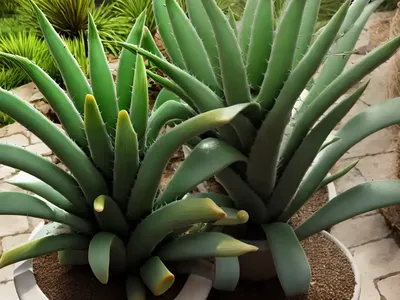
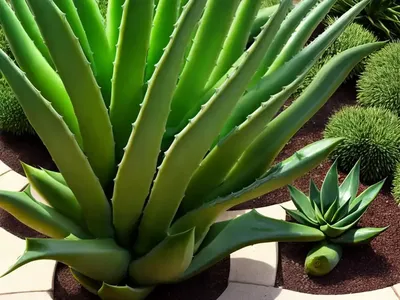
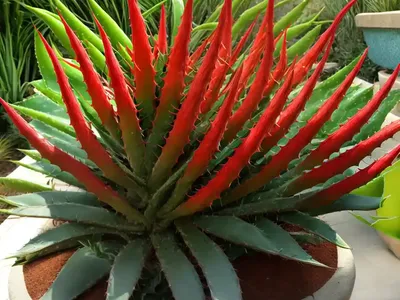
Hedgehog Aloe (Aloe Humilis)
Hedgehog Aloe, scientifically known as Aloe humilis, is a striking succulent plant that belongs to the genus Aloe. This species is endemic to South Africa.
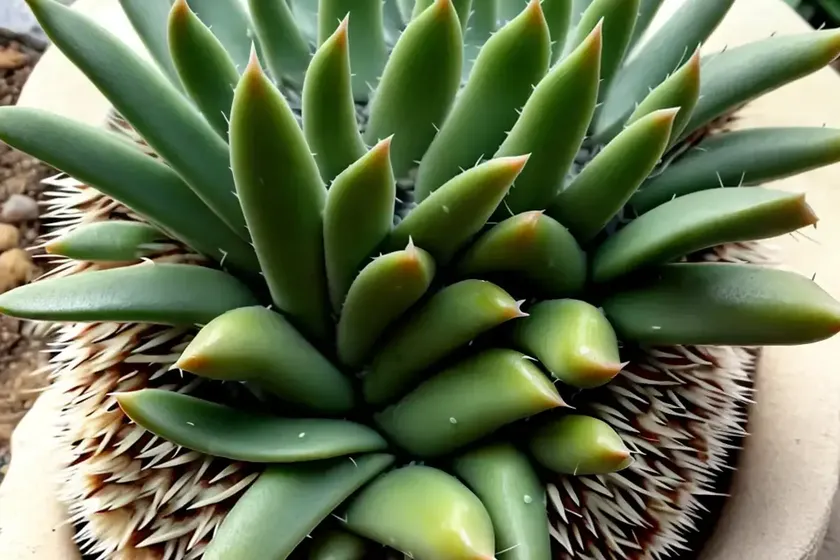
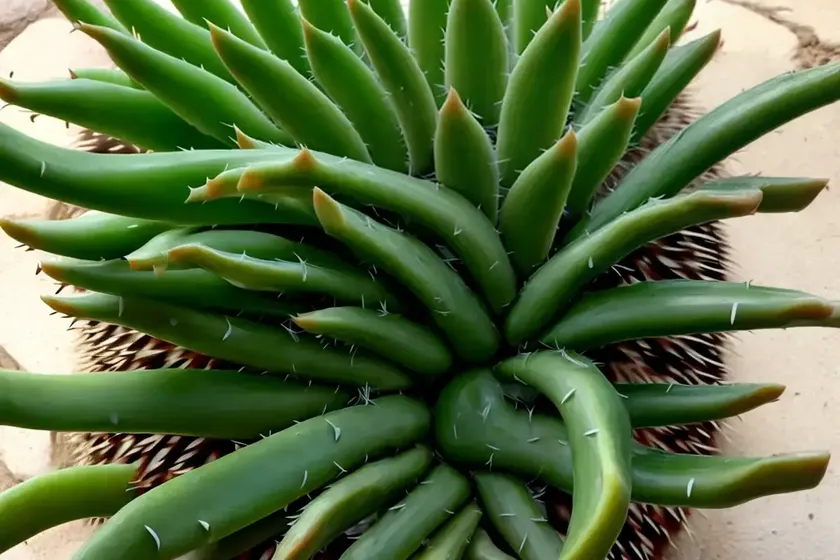
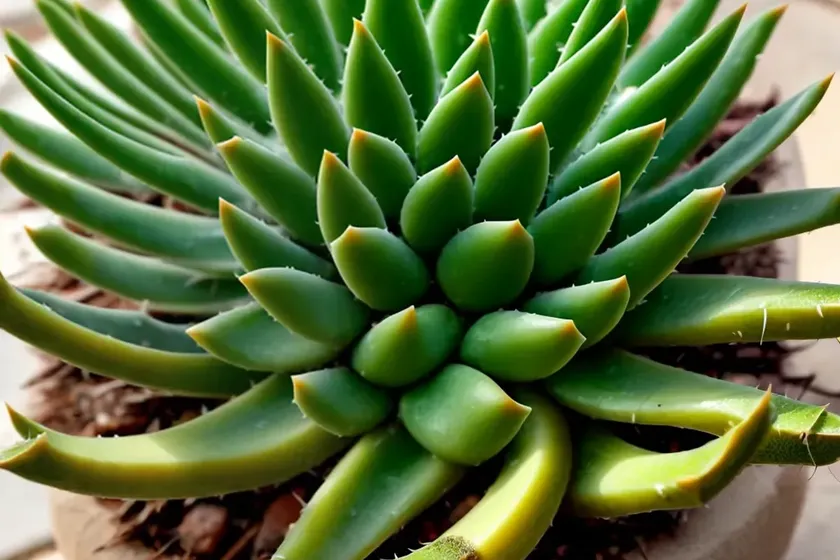
Hedgehog Aloe, scientifically known as Aloe humilis, is a striking succulent plant that belongs to the genus Aloe. This species is endemic to South Africa and Namibia, where it thrives in arid and semi-arid climates. With its unique appearance and low-maintenance nature, hedgehog aloe has gained popularity among plant enthusiasts and gardeners alike. In this comprehensive guide, we will explore the cultivation, care, and various aspects of this fascinating plant.
What is Hedgehog Aloe (Aloe humilis)?
Hedgehog Aloe, also known as Aloe humilis, is a perennial succulent plant that is characterized by its rosette of fleshy, spiky leaves and vibrant orange to red tubular flowers. The specific epithet “humilis” is derived from the Latin word for “low-growing,” which perfectly describes the plant’s compact and clumping growth habit. This species is a part of the Asphodelaceae family and is closely related to other Aloe species, such as Aloe vera and Aloe arborescens.
As a native of Southern Africa, hedgehog aloe is well-adapted to arid and semi-arid environments, making it a resilient and drought-tolerant plant. Its striking appearance and minimal care requirements have made it a popular choice for xeriscaping, succulent gardens, and indoor plant collections.
Let’s delve into the key aspects of the hedgehog aloe, including its cultural significance, uses, care requirements, and essential tips for ensuring its optimal growth and health.
Key Takeaways – Hedgehog Aloe (Aloe humilis)
Culture
- Origin: South Africa, Namibia
- Plant Type: Perennial succulent
- Growth Habit: Low-growing, clumping
- Foliage: Fleshy, spiky leaves
- Flowers: Tubular, vibrant orange to red
Uses
- Ornamental plant in gardens and landscapes
- Xeriscaping and succulent gardens
- Indoor potted plant
- Medicinal and cosmetic purposes
Water
- Moderate water needs
- Drought-tolerant once established
- Allow soil to dry between watering
- Avoid overwatering to prevent root rot
Sunlight
- Full to partial sunlight
- Thrives in bright, indirect light
- Protect from intense midday sun
Fertilizer
- Minimal fertilization needed
- Use a balanced, diluted liquid fertilizer
- Apply during the active growing season (spring and summer)
Soil
- Well-draining, sandy or rocky soil
- Use a specialized succulent or cactus mix
- Avoid waterlogged or compacted soil
Pruning
- Minimal pruning required
- Remove dead or damaged leaves
- Trim spent flower stalks
Propagation
- Offsets (pups) division
- Leaf cuttings
- Seed propagation
Container Popularity
- Ideal for small to medium-sized containers
- Well-suited for succulent arrangements
- Adds a striking accent to indoor and outdoor spaces
Common Diseases
- Root rot due to overwatering
- Fungal diseases in overly moist conditions
- Pest infestations in stressed plants
Disease Diagnosis
- Yellowing or wilting leaves
- Soft, mushy stems or roots
- Presence of mold or mildew
Common Pests
- Aphids
- Mealybugs
- Spider mites
Botanist’s Tips
- Monitor water needs based on environmental conditions
- Provide adequate drainage to prevent waterlogged soil
- Protect from frost and freezing temperatures
- Avoid direct contact with the plant’s sap, which can cause skin irritation
Fun Facts
- Aloe humilis is commonly referred to as “Hedgehog Aloe” due to the spiky, compact growth habit of its leaves.
- The sap of hedgehog aloe has been traditionally used for its medicinal properties, including skin-soothing and healing effects.
Now that we have an overview of the key highlights of hedgehog aloe, let’s delve deeper into each of these aspects to gain a comprehensive understanding of this captivating succulent plant.
Hedgehog Aloe (Aloe humilis) Care and Cultivation
Aloe humilis Care
Hedgehog aloe, like many other succulents, requires specific care to thrive and display its vibrant foliage and blooms to their full potential. Understanding its unique cultural needs is essential for cultivating a healthy and resilient plant.
Hedgehog Aloe Plant
Hedgehog aloe plant, with its compact and clumping growth habit, is a visually striking addition to gardens, landscapes, and indoor spaces. The plant’s low-growing nature, coupled with its spiky leaves and colorful tubular flowers, makes it a captivating ornamental choice.
Aloe humilis Succulent
As a succulent plant, hedgehog aloe stores water in its fleshy leaves, enabling it to withstand periods of drought and thrive in arid conditions. The succulent nature of Aloe humilis is reflected in its minimal water needs and preference for well-draining soil.
How to Grow Hedgehog Aloe
Growing hedgehog aloe successfully involves providing the right environmental conditions, including adequate sunlight, well-draining soil, and appropriate watering. Understanding the specific requirements for its growth is crucial for cultivating a thriving plant.
Aloe humilis Propagation
Aloe humilis can be propagated through offsets (pups), leaf cuttings, and seed propagation. Each propagation method has its own set of steps and considerations, allowing plant enthusiasts to expand their collection of hedgehog aloe plants.
Best Soil for Hedgehog Aloe
The ideal soil for hedgehog aloe is well-draining, sandy, or rocky soil that prevents water accumulation around the plant’s roots. Using a specialized succulent or cactus mix ensures proper aeration and moisture management for the plant.
Hedgehog Aloe Plant Facts
- Common Name: Hedgehog Aloe
- Scientific Name: Aloe humilis
- Family: Asphodelaceae
- Native Range: South Africa, Namibia
- Growth Habit: Perennial succulent with low, clumping growth
Aloe humilis Varieties
Several varieties and cultivars of Aloe humilis are available, each with unique characteristics such as leaf color, size, and growth habit. Exploring the different varieties allows for a diverse and visually dynamic succulent collection.
Growing and Caring for Hedgehog Aloe
Caring for hedgehog aloe involves providing it with the right balance of sunlight, water, and occasional fertilization. Creating a suitable environment for the plant’s growth is essential for ensuring its health and vigor.
Aloe humilis Water Requirements
Understanding the specific water needs of Aloe humilis is crucial for preventing overwatering and potential issues such as root rot. Balancing the plant’s drought tolerance with occasional watering is key to maintaining its well-being.
Hedgehog Aloe Plant Care Tips
- Provide well-draining soil
- Avoid overwatering
- Ensure adequate sunlight
- Protect from frost and freezing temperatures
Aloe humilis Sunlight Needs
Hedgehog aloe thrives in bright, indirect light and is well-suited for outdoor locations with full to partial sunlight. Managing its exposure to sunlight is essential for preventing sunburn and maintaining healthy foliage.
How to Propagate Hedgehog Aloe
Propagating hedgehog aloe through offsets, leaf cuttings, or seeds allows for the expansion of its presence in various indoor and outdoor settings. Each propagation method offers unique insights into the plant’s reproductive processes.
Hedgehog Aloe Plant Indoors
Growing hedgehog aloe indoors adds a touch of nature to interior spaces while allowing for the easy management of its environmental conditions. Understanding its suitability for indoor cultivation is essential for successful plant care.
Aloe humilis Plant Benefits
In addition to its ornamental appeal, hedgehog aloe offers potential benefits such as air purifying properties and the traditional medicinal use of its sap for skin-related issues. Exploring its diverse benefits adds to the plant’s allure.
Hedgehog Aloe Potting Soil
Using the right potting soil for hedgehog aloe ensures proper drainage, aeration, and moisture retention for its root system. Tailoring the soil mix to the plant’s needs is crucial for supporting its growth and vitality.
Aloe humilis Gardening Tips
- Select well-draining soil
- Provide appropriate sunlight exposure
- Avoid waterlogged conditions
- Monitor for signs of stress or pest infestations
Pruning Hedgehog Aloe
Pruning hedgehog aloe is minimal and mainly involves removing dead or damaged leaves and trimming spent flower stalks. Regular maintenance helps to keep the plant looking tidy and promotes its overall health.
Aloe humilis Plant Diseases
Preventing and managing diseases in hedgehog aloe involves attentive care, proper watering practices, and providing suitable environmental conditions. Recognizing potential disease symptoms is essential for timely intervention.
Hedgehog Aloe Medicinal Properties
The traditional use of hedgehog aloe’s sap for its skin-soothing and healing properties adds to its value beyond its ornamental appeal. Exploring its potential medicinal benefits enhances our appreciation for this versatile plant.
Aloe humilis Plant Uses
- Ornamental addition to gardens and landscapes
- Traditional medicinal applications
- Succulent gardens and xeriscaping
- Indoor potted plant for interior decor
Hedgehog Aloe Plant Characteristics
- Compact, clumping growth habit
- Spiky, fleshy leaves
- Vibrant orange to red tubular flowers
- Drought-tolerant and resilient nature
Aloe humilis Plant Size
Hedgehog aloe typically reaches a compact size, making it suitable for small to medium-sized containers as well as garden and landscape settings. Understanding its growth potential is essential for proper placement and spacing.
Hedgehog Aloe Plant in Gardens
In gardens, hedgehog aloe adds visual interest and color, particularly in succulent gardens and arid landscaping. Its resilience and striking appearance make it a valuable addition to outdoor spaces.
Aloe humilis Landscaping Ideas
Incorporating hedgehog aloe into landscape designs allows for the creation of visually captivating and low-maintenance settings. Exploring its potential in landscaping opens up various creative possibilities.
Hedgehog Aloe Plant Decor
The unique appearance of hedgehog aloe makes it an attractive decor element in interior settings, contributing to a natural, inviting ambiance. Its ornamental appeal enhances the visual appeal of living spaces.
Aloe humilis Plant Container
Hedgehog aloe is well-suited for container cultivation, making it an ideal choice for potted arrangements, succulent displays, and indoor decor. Understanding its container requirements is essential for successful plant care.
Hedgehog Aloe Plant Suitable Climates
The drought tolerance and adaptability of hedgehog aloe make it suitable for arid and semi-arid climates, where it can thrive with minimal maintenance. Understanding the plant’s climatic preferences is crucial for its successful growth.
Aloe humilis Plant Care Mistakes to Avoid
Avoiding common care mistakes, such as overwatering, poor drainage, and inadequate sunlight, is essential for preventing stress and promoting the overall health of hedgehog aloe. Learning from potential pitfalls enhances our ability to care for the plant effectively.
Hedgehog Aloe Propagation Techniques
Exploring the various propagation techniques for hedgehog aloe—offsets, leaf cuttings, and seeds—provides insights into the plant’s reproductive processes and allows for the expansion of its presence in different settings.
Aloe humilis Pest Control
Managing common pests, such as aphids, mealybugs, and spider mites, involves proactive monitoring and timely intervention to prevent infestations and damage to the plant. Implementing effective pest control measures supports the plant’s well-being.
Hedgehog Aloe Plant Maintenance
Regular maintenance, including watering, occasional fertilization, and minimal pruning, supports the overall health and appearance of hedgehog aloe. Implementing a consistent maintenance routine promotes the plant’s vitality.
Aloe humilis Soil pH Requirements
The preferred soil pH range for hedgehog aloe is slightly acidic to neutral, contributing to its ability to access essential nutrients and support its growth. Understanding the plant’s soil pH preferences is crucial for its cultivation.
Hedgehog Aloe Plant Growth Stages
Observing the growth stages of hedgehog aloe, from offsets to mature plants producing flowers, offers valuable insights into its life cycle and developmental processes. Monitoring growth stages enhances our understanding of the plant’s dynamics.
Aloe humilis Drought Tolerance
The innate drought tolerance of hedgehog aloe enables it to withstand extended periods of dryness while maintaining its health and vigor. Recognizing its exceptional drought tolerance is essential for cultivating resilient plants.
Hedgehog Aloe Plant Winter Care
Providing appropriate care for hedgehog aloe during the winter months, such as protecting it from frost and reducing watering frequency, supports its ability to withstand cold temperatures and transitions into dormancy.
Aloe humilis Plant Fertilization
Occasional fertilization with a balanced, diluted liquid fertilizer during the active growing season supports the growth and blooming potential of hedgehog aloe. Understanding its fertilization needs is essential for promoting healthy plants.
Hedgehog Aloe Plant Common Issues
Being aware of common issues, such as root rot, pest infestations, and overexposure to direct sunlight, allows for proactive management and the prevention of potential stress to the plant. Recognizing and addressing common issues supports the overall health of hedgehog aloe.
Aloe humilis Plant Companion Plants
Selecting suitable companion plants for hedgehog aloe allows for the creation of visually appealing arrangements and complements its unique characteristics. Understanding potential companion plants enhances the diversity and aesthetic appeal of plantings.
Hedgehog Aloe Plant Pruning Guide
Pruning hedgehog aloe involves minimal maintenance, mainly focused on removing dead or damaged leaves and spent flower stalks. Following a pruning guide supports the plant’s overall appearance and well-being.
Aloe humilis Plant Repotting Tips
When repotting hedgehog aloe, providing a suitable container and well-draining soil is crucial for its successful transition to a new pot. Understanding the repotting process supports the plant’s continued growth and health.
Hedgehog Aloe Plant Pests and Diseases
Vigilant monitoring and proactive care help prevent and manage common pests and diseases that can affect hedgehog aloe. Recognizing potential threats and implementing suitable control measures supports the plant’s vitality.
Aloe humilis Plant Decorative Uses
In addition to its ornamental value, hedgehog aloe offers decorative potential in various settings, such as indoor decor, succulent arrangements, and garden landscaping. Exploring its decorative uses enhances the visual appeal of living spaces and outdoor areas.
Hedgehog Aloe Plant Propagation Methods
Understanding and implementing different propagation methods for hedgehog aloe, including offsets, leaf cuttings, and seeds, provides insights into its reproductive strategies and allows for the expansion of its presence in diverse environments.
Aloe humilis Plant Water Frequency
Balancing the water frequency for hedgehog aloe, based on its specific needs and seasonal variations, is essential for maintaining optimal soil moisture and preventing issues such as overwatering. Managing water frequency supports the plant’s health.
Hedgehog Aloe Plant in Xeriscaping
In xeriscaping, hedgehog aloe contributes to water-efficient and visually dynamic landscape designs, showcasing its ability to thrive in arid environments. Incorporating hedgehog aloe in xeriscaping enhances the sustainability and aesthetic appeal of outdoor spaces.
Aloe humilis Plant Indoor vs. Outdoor
Understanding the considerations for indoor and outdoor cultivation of hedgehog aloe helps in creating suitable environments that meet the plant’s specific needs and promote its growth and well-being.
Hedgehog Aloe Plant Root System
The root system of hedgehog aloe is adapted to withstand arid conditions and store water for prolonged periods, supporting the plant’s resilience and ability to thrive in diverse environments. Understanding its root system contributes to successful plant care.
Aloe humilis Plant Seasonality
Recognizing the seasonal variations in growth, dormancy, and flowering of hedgehog aloe allows for responsive care that aligns with the plant’s natural rhythms and supports its overall vitality.
Hedgehog Aloe Plant in Succulent Gardens
In succulent gardens, hedgehog aloe adds visual interest and color, complementing the diverse range of succulent species and contributing to the overall appeal of the garden setting.
Now that we have explored the various aspects of hedgehog aloe care and cultivation, it’s important to supplement this information with access to additional resources and expertise to support the successful growth of this captivating succulent.
Links to External Resources
- The Succulent Eco-System: A Guide to Planting and Care
- Royal Horticultural Society: Aloe humilis
- University of California Agriculture and Natural Resources: Aloe humilis
- The Spruce: Growing and Caring for Aloe Plants
- Arizona State University: Xeriscaping with Succulents
These external resources provide valuable insights, tips, and guidelines for the successful care and cultivation of hedgehog aloe (Aloe humilis). By leveraging these resources, plant enthusiasts, gardeners, and succulent enthusiasts can expand their knowledge and hone their skills in cultivating thriving hedgehog aloe plants.
In summary, the hedgehog aloe (Aloe humilis) stands out as a visually captivating and resilient succulent plant that offers ornamental charm and potential benefits beyond its aesthetic appeal. By understanding its cultural significance, specific care requirements, and propagation techniques, individuals can cultivate healthy and vibrant hedgehog aloe plants in a variety of indoor and outdoor settings. With the right knowledge, resources, and dedication, nurturing hedgehog aloe plants becomes a rewarding and enriching experience for plant enthusiasts of all levels.
Remember, each plant is unique, and attentiveness to its individual needs is key to fostering a thriving and flourishing hedgehog aloe (Aloe humilis) within any gardening or indoor space.
Citation
Please make sure to cite this blog post as:
Author: [Your Name]

Title: Hedgehog Aloe (Aloe humilis): A Comprehensive Guide to Care and Cultivation

Date: [Date of Publication]

URL: [URL of the Blog Post]