Plant Scientist Blog: Exploring the Wonders of Hedge Maple (Acer campestre)
In this blog post, we will delve into the fascinating world of the hedge maple, scientifically known as Acer campestre. This resilient and versatile tree has captured the attention of plant enthusiasts, gardeners, and horticulturists due to its exceptional characteristics, practical uses, and adaptability to various environmental conditions. Throughout this article, we will uncover the key aspects of hedge maple, including its cultural requirements, propagation techniques, common diseases and pests, interesting facts, and much more. Let’s embark on an insightful journey to discover the hedge maple and gain valuable insights into its care and maintenance.
What is Hedge Maple (Acer campestre)?
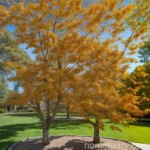
Hedge maple, also referred to as Acer campestre, belongs to the family Aceraceae and is indigenous to Europe and Western Asia. This deciduous tree is known for its compact and rounded crown, making it a popular choice for ornamental and landscape purposes. The hedge maple typically reaches a height of 25 to 35 feet, with a spread of 25 to 35 feet, creating a visually appealing and well-balanced presence in outdoor settings.
Hedge Maple Characteristics:
The hedge maple exhibits a variety of distinctive characteristics, making it an attractive addition to gardens, parks, and urban landscapes. Some key features of the hedge maple include:
- Compact and rounded crown
- Deeply lobed, palmate leaves
- Yellowish-green flowers in spring
- Small, winged fruits (samaras)
Acer campestre is renowned for its adaptability and resilience, thriving in diverse climatic conditions and soil types. Its versatility and moderate size make it an excellent choice for small gardens, urban areas, and as an understory tree.
Key Takeaways – Hedge Maple (Acer campestre)
Culture
- Hardiness Zone: USDA zones 5-8
- Growth Rate: Moderate
- Lifespan: Typically 100+ years
Uses
- Ornamental Tree: Ideal for landscaping and ornamental purposes
- Wildlife Habitat: Provides shelter and food for birds and small mammals
- Privacy Screen: Often used to create natural privacy barriers
Water
- Watering Needs: Requires regular watering, particularly during periods of drought
Sunlight
- Light Requirements: Prefers full sun to partial shade
Fertilizer
Soil
- Soil Type: Adaptable to a wide range of soil types
- pH Range: Tolerant of slightly acidic to slightly alkaline soils
Pruning
- Pruning Schedule: Best pruned during the dormant season to maintain shape and remove dead/diseased branches
Propagation
- Propagation Methods: Can be propagated from seeds or hardwood cuttings
- Transplanting Tips: Transplant when dormant to minimize stress
Container Popularity
- Suitability: Well-suited for container growth in urban and limited space environments
Common Diseases
- Disease Susceptibility: Relatively resistant to diseases
- Bark Diseases: Occasionally susceptible to bark diseases
- Leaf Diseases: Prone to leaf spot diseases under certain conditions
Disease Diagnosis
- Visual Symptoms: Keep an eye out for leaf discoloration, wilting, or unusual growth patterns
- Consultation: Seek professional advice for accurate diagnosis and treatment recommendations
Common Pests
- Pest Resistance: Generally resistant to major pest infestations
- Potential Pests: Watch for aphids, scale insects, and caterpillars
Botanist’s Tips
- Species Varieties: Explore different hedge maple cultivars for unique characteristics
- Winter Care: Provide adequate protection during harsh winters
- Urban Landscapes: Assess its suitability for urban planting based on local conditions
Fun Facts
- Wood Properties: Historically used in woodworking for its fine grain and durability
- Traditional Medicine: Some cultural traditions utilize parts of the hedge maple for medicinal purposes
- Historical Significance: Played a role in the gardens and landscapes of historical civilizations
Links to External Resources
Throughout the article, we will link to credible external resources that provide in-depth information about hedge maple.
By understanding these key takeaways, plant enthusiasts and horticulturalists can gain valuable insights into the cultivation and care of hedge maple, ensuring its optimal growth and longevity in various settings.
Stay tuned for the in-depth exploration of each aspect of hedge maple, from its planting and growth requirements to its interaction with wildlife and its historical significance in gardens and landscapes.
References
- “Acer campestre – Hedge Maple” Royal Horticultural Society. Link
- “Hedge Maple – Acer campestre” Missouri Botanical Garden. Link
- “Acer campestre – Hedge Maple” Arbor Day Foundation. Link
- “Hedge Maple (Acer campestre)” University of Florida IFAS Extension. Link
Hedge Maple (Acer campestre) – Planting and Growth Guide
In this section, we will delve into the details of planting and growing hedge maple (Acer campestre), providing comprehensive insights into its cultural requirements, propagation techniques, and its role in landscaping and urban environments.
Acer campestre Information
Hedge maple, or Acer campestre, is a deciduous tree that belongs to the family Acerace. Indigenous to Europe and Western Asia, this resilient tree has gained popularity in horticulture and landscape design due to its exceptional characteristics and adaptability to various growing conditions.
Growing Hedge Maple Trees
Best Conditions for Hedge Maple
To ensure the healthy and robust growth of hedge maple trees, it is essential to provide them with the optimal conditions, including:
- Hardiness Zone: Acer campestre thrives in USDA zones 5-8, where it can withstand a range of temperatures and climatic variations.
- Sunlight: Prefers full sun to partial shade, allowing for balanced growth and development of its foliage and structure.
- Soil: Adaptable to various soil types, from loamy to clay and sandy soils, with a pH range of slightly acidic to slightly alkaline, enabling it to thrive in diverse environments.
- Water: Requires regular watering, particularly during the establishment phase and prolonged dry periods, ensuring adequate moisture for healthy growth.
Hedge Maple Planting Guide
When planting hedge maple trees, it is crucial to follow a systematic approach to optimize their establishment and long-term growth. Some essential steps to consider include:
- Site Selection: Choose a suitable location with adequate sunlight, well-drained soil, and sufficient space for the tree’s mature size.
- Preparing the Planting Hole: Create a spacious planting hole that accommodates the tree’s root ball, ensuring proper soil preparation and amendment, if necessary.
- Planting Depth: Place the tree at the same depth as it was in the nursery container, ensuring the root flare is at ground level.
- Backfilling and Watering: Fill the planting hole with soil, tamp it gently to remove air pockets, and water thoroughly to promote root establishment.
By following these planting guidelines, individuals can facilitate the successful establishment of hedge maple trees, setting the stage for their long-term growth and development.
Best Fertilizer for Hedge Maple
While Acer campestre is adaptable to a wide range of soil types, the application of an appropriate fertilizer can enhance its growth and vitality. Utilizing a balanced fertilizer with a formulation such as 10-10-10 or 8-8-8 can provide the necessary nutrients, promoting healthy foliage, root development, and overall vigor. It is crucial to apply the fertilizer according to the manufacturer’s instructions and to avoid over-fertilization, which can lead to adverse effects on the tree’s health.
Hedge Maple in Landscaping
Acer campestre holds significant value in landscaping and ornamental horticulture, offering a range of benefits and considerations for its incorporation into diverse outdoor settings.
Hedge Maple Tree Varieties
Numerous cultivars of hedge maple are available, each featuring unique characteristics such as leaf coloration, growth habits, or seasonal interest. By exploring different varieties, landscapers and garden enthusiasts can select the most suitable cultivars to complement their design objectives and environmental conditions.
Hedge Maple Growth Rate
Hedge maple trees exhibit a moderate growth rate, allowing for steady and sustainable development in landscapes and gardens. This characteristic enables individuals to anticipate and plan for the tree’s size and form as it matures over time, ensuring its integration into the overall landscape design.
Drought Tolerance of Acer campestre
A notable attribute of hedge maple is its moderate drought tolerance, rendering it well-suited for regions with periodic water scarcity or dry spells. While regular watering is essential for optimal growth, Acer campestre can withstand temporary periods of reduced moisture, displaying its resilience in challenging environmental conditions.
Using Hedge Maple as a Privacy Screen
Due to its dense foliage and compact crown, hedge maple is often used to create natural privacy screens and windbreaks in residential and commercial landscapes. When planted in close proximity or in hedge formations, it forms an effective barrier, providing privacy, shelter, and aesthetic appeal.
Hedge Maple Root System
The root system of hedge maple is relatively shallow and non-invasive, making it suitable for planting near structures, walkways, and utility lines. Its compact root system minimizes the risk of root-related issues, offering flexibility in landscaping and urban plantings.
Pruning Hedge Maple
Pruning hedge maple is an essential aspect of its maintenance and care, contributing to its health, aesthetics, and structural integrity. By adhering to the following pruning techniques and guidelines, individuals can ensure the optimal growth and appearance of their hedge maple trees:
- Pruning Schedule: Best performed during the dormant season to minimize stress and promote recovery.
- Shape Maintenance: Trim and shape the tree to maintain a compact and rounded crown, removing any dead, damaged, or unwanted branches.
- Size Control: Regular pruning can manage the tree’s size and prevent overcrowding in the landscape, ensuring its harmonious integration with other plantings.
By incorporating these pruning practices, individuals can preserve the health and beauty of hedge maple, promoting its longevity and vitality in outdoor environments.
Hedge Maple in Urban Environments
The adaptability of hedge maple to urban environments makes it a valuable asset for city planners, landscape architects, and urban gardeners. Several notable considerations for its utilization in urban settings include:
- Tolerance to Pollution: Acer campestre exhibits a degree of tolerance to urban pollutants, enabling it to thrive in cities and developed areas.
- Compact Size: Its moderate stature and compact crown make it suitable for streetscapes, parks, and green spaces within urban landscapes.
- Wildlife Support: Provides habitat and food for birds and small mammals, contributing to urban biodiversity and ecological conservation efforts.
By harnessing these attributes, hedge maple can contribute to the greening and enhancement of urban environments, enriching the quality of life for residents and supporting ecological balance.
References
- “Hedge Maple: A Tree for All Reasons” The Morton Arboretum. Link
- “Acer campestre – Hedge Maple” University of Kentucky College of Agriculture, Food, and Environment. Link
- “Hedge Maple or Acer campestre: A Delight for Small Spaces” Grower Direct. Link
Hedge Maple (Acer campestre) – Disease and Pest Management
Ensuring the health and vitality of hedge maple (Acer campestre) involves implementing proactive measures to address potential disease issues and pest infestations. By understanding the common diseases and pests affecting this resilient tree, individuals can take informed steps to protect and maintain its well-being.
Hedge Maple Tree Diseases
Disease Susceptibility
Hedge maple is generally resistant to major diseases, displaying robust and healthy growth under favorable conditions. Despite its resilience, it can occasionally experience susceptibility to certain diseases, necessitating careful monitoring and prompt intervention when symptoms arise.
Bark Diseases
In some instances, hedge maple trees may be susceptible to bark diseases, including cankers and fungal infections. These issues can manifest as changes in bark texture, discoloration, or the presence of lesions, impacting the tree’s vascular system and overall health.
Leaf Diseases
Leaf spot diseases can affect the foliage of hedge maple, leading to the development of discolored spots, irregular patterns, or premature leaf drop. These conditions can be attributed to various fungal pathogens or environmental stressors, highlighting the importance of attentive care and management.
Disease Diagnosis
Accurate and timely diagnosis of potential diseases is essential for implementing targeted treatment strategies and mitigating the impact on hedge maple trees. Individuals can employ the following approaches to identify and address disease concerns:
- Visual Symptoms: Regularly inspect the tree for any signs of disease, including changes in foliage color, texture, or overall appearance.
- Consultation: Seek guidance from certified arborists or plant health professionals to analyze symptoms, conduct diagnostic tests if necessary, and formulate effective treatment plans.
Common Pests
While hedge maple exhibits resilience to significant pest pressures, it can encounter occasional infestations from insect pests, necessitating vigilance and appropriate pest management techniques.
Pest Resistance
Hedge maple typically demonstrates resistance to major pest species, reflecting its natural defense mechanisms and adaptability. However, specific pests may pose localized challenges, necessitating targeted control measures.
Potential Pests
Some common pests that may affect hedge maple trees include aphids, scale insects, and caterpillars. These pests can impact the foliage and overall health of the tree, requiring timely intervention to prevent substantial damage.
Hedge Maple Tree Pruning Techniques
Pruning plays a crucial role in disease and pest management, enabling individuals to address and prevent potential issues while promoting the tree’s vigor and resilience. By following appropriate pruning techniques, individuals can contribute to the overall health and longevity of hedge maple trees:
- Remove Dead or Diseased Branches: Regularly inspect the tree and promptly remove any dead, damaged, or diseased branches to prevent the spread of pathogens and minimize pest habitat.
- Maintain Air Circulation: Prune the tree to enhance air circulation within the canopy, reducing the risk of fungal infections and creating an unfavorable environment for pest proliferation.
- Monitor and Manage Growth: Control the growth and density of the tree’s foliage through selective pruning, optimizing its health and reducing susceptibility to diseases and pests.
Best Fertilizer for Hedge Maple
Applying a balanced fertilizer with a formulation such as 10-10-10 or 8-8-8 can enhance the resilience and immune response of hedge maple, contributing to its ability to combat potential disease and pest pressures. By providing essential nutrients, the tree can maintain robust growth and fortify its natural defenses against environmental stressors.
Hedge Maple Tree Winter Care
Proper winter care is essential for protecting hedge maple from potential disease and pest issues, particularly during periods of dormancy and environmental stress. By implementing the following winter care practices, individuals can safeguard the health and vitality of their hedge maple trees:
- Mulching: Apply a layer of mulch around the base of the tree to insulate the soil, maintain moisture, and protect the root system from temperature fluctuations.
- Watering: Hydrate the tree adequately before the onset of winter to ensure its resilience and preparedness for cold conditions.
- Monitoring: Conduct periodic inspections during winter to identify any signs of disease or pest activity, addressing concerns as needed.
By incorporating these disease and pest management practices, individuals can fortify the health and resilience of hedge maple trees, promoting their longevity and vitality in outdoor settings.
References
- “Hedge Maple: Acer campestre – Diseases & Insects” University of Wisconsin-Madison Division of Extension. Link
- “Acer campestre – Hedge Maple” The Ohio State University Extension. Link
Hedge Maple (Acer campestre) – Planting and Growth Guide
In this section, we will delve into the details of planting and growing hedge maple (Acer campestre), providing comprehensive insights into its cultural requirements, propagation techniques, and its role in landscaping and urban environments.
Acer campestre Information
Hedge maple, or Acer campestre, is a deciduous tree that belongs to the family Acerace. Indigenous to Europe and Western Asia, this resilient tree has gained popularity in horticulture and landscape design due to its exceptional characteristics and adaptability to various growing conditions.
Growing Hedge Maple Trees
Best Conditions for Hedge Maple
To ensure the healthy and robust growth of hedge maple trees, it is essential to provide them with the optimal conditions, including:
- Hardiness Zone: Acer campestre thrives in USDA zones 5-8, where it can withstand a range of temperatures and climatic variations.
- Sunlight: Prefers full sun to partial shade, allowing for balanced growth and development of its foliage and structure.
- Soil: Adaptable to various soil types, from loamy to clay and sandy soils, with a pH range of slightly acidic to slightly alkaline, enabling it to thrive in diverse environments.
- Water: Requires regular watering, particularly during the establishment phase and prolonged dry periods, ensuring adequate moisture for healthy growth.
Hedge Maple Planting Guide
When planting hedge maple trees, it is crucial to follow a systematic approach to optimize their establishment and long-term growth. Some essential steps to consider include:
- Site Selection: Choose a suitable location with adequate sunlight, well-drained soil, and sufficient space for the tree’s mature size.
- Preparing the Planting Hole: Create a spacious planting hole that accommodates the tree’s root ball, ensuring proper soil preparation and amendment, if necessary.
- Planting Depth: Place the tree at the same depth as it was in the nursery container, ensuring the root flare is at ground level.
- Backfilling and Watering: Fill the planting hole with soil, tamp it gently to remove air pockets, and water thoroughly to promote root establishment.
By following these planting guidelines, individuals can facilitate the successful establishment of hedge maple trees, setting the stage for their long-term growth and development.
Best Fertilizer for Hedge Maple
While Acer campestre is adaptable to a wide range of soil types, the application of an appropriate fertilizer can enhance its growth and vitality. Utilizing a balanced fertilizer with a formulation such as 10-10-10 or 8-8-8 can provide the necessary nutrients, promoting healthy foliage, root development, and overall vigor. It is crucial to apply the fertilizer according to the manufacturer’s instructions and to avoid over-fertilization