Hedge Cactus (Cereus Hildmannianus)
Cacti, also known as cactus plants, are a diverse group of succulent plants that have adapted to various climatic conditions, particularly arid.
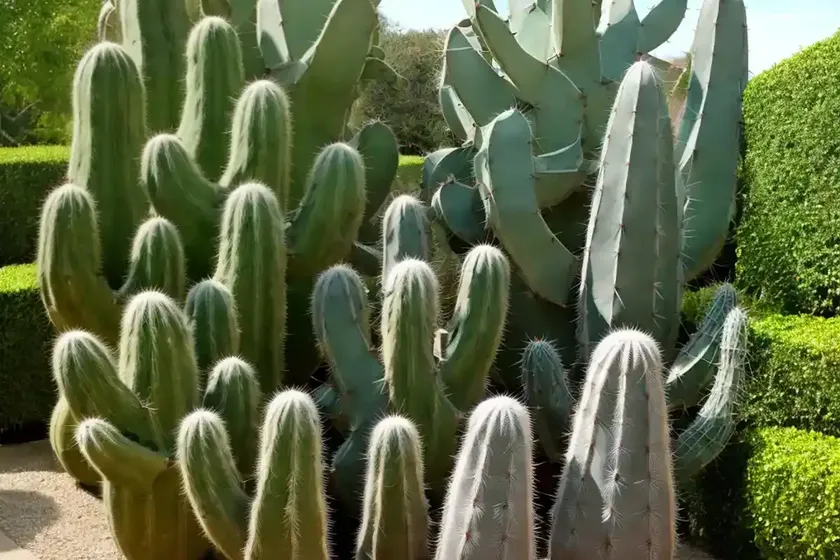
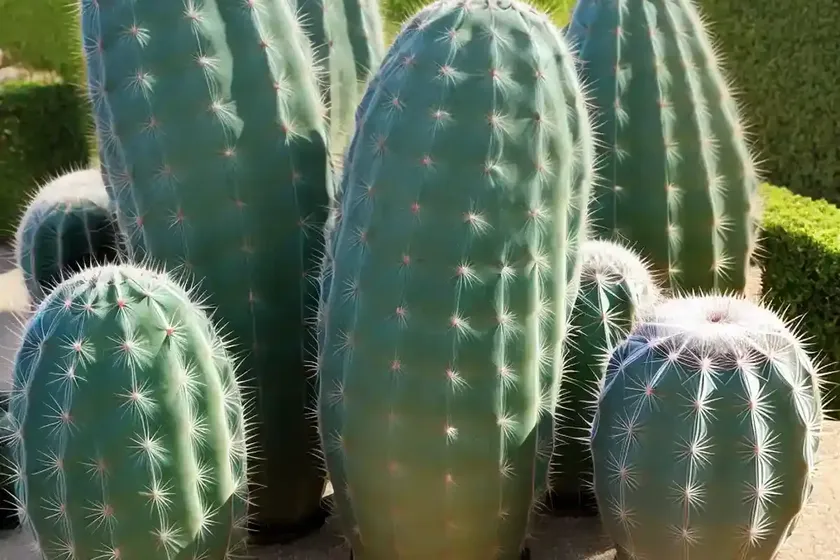
Cacti, also known as cactus plants, are a diverse group of succulent plants that have adapted to various climatic conditions, particularly arid environments. Among the vast array of cactus species, the Hedge Cactus, scientifically known as Cereus hildmannianus, stands out for its unique characteristics and adaptability. In this comprehensive guide, we will delve into the culture, uses, care, propagation, and other essential aspects of this fascinating plant. So, if you are a cactus enthusiast or looking to enhance your indoor or outdoor garden with unique and low-maintenance plants, read on to discover the captivating world of Hedge Cactus.
What is a Plant: Hedge Cactus (Cereus hildmannianus)
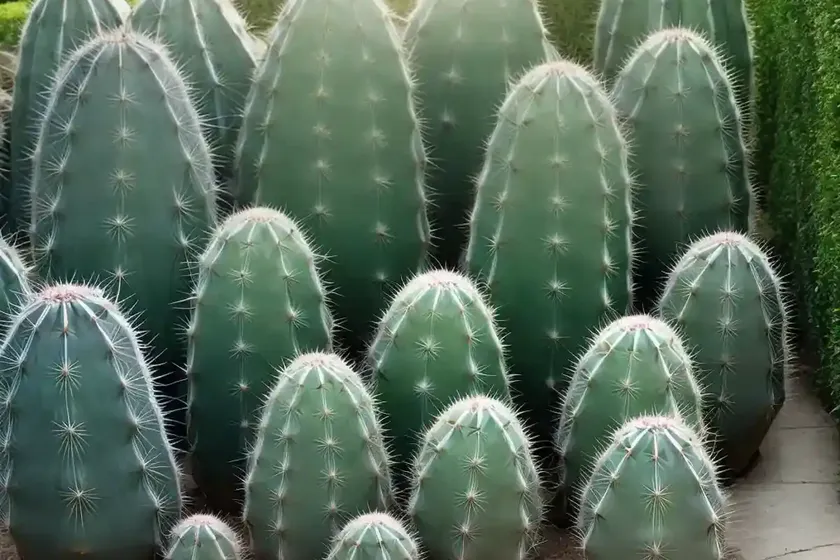
The Hedge Cactus, or Cereus hildmannianus, is a species of cactus native to the South American countries of Brazil, Paraguay, Uruguay, and Argentina. It belongs to the Cactaceae family and is characterized by its columnar growth habit and dense spines. This plant typically grows in clusters, forming dense hedges in its natural habitat, which has earned it the common name “Hedge Cactus.”
Key Takeaways – Hedge Cactus (Cereus hildmannianus)
Before delving into the specific aspects of the Hedge Cactus, let’s take a quick look at the key takeaways pertaining to this unique cactus species:
- Scientific Name: Cereus hildmannianus
- Family: Cactaceae
- Common Name: Hedge Cactus
- Native Habitat: South America (Brazil, Paraguay, Uruguay, Argentina)
- Growth Habit: Columnar, clumping
- Distinctive Feature: Dense spines, hedge-like growth
- Uses: Ornamental plant, xeriscaping, indoor decoration
With these key points in mind, let’s explore the culture, care, uses, and interesting facts related to the Hedge Cactus.
Culture
Understanding the natural habitat and cultural requirements of the Hedge Cactus is fundamental to successfully cultivating and caring for this species. It is essential to mimic its native environment to ensure optimal growth and vitality.
Natural Habitat
The natural habitat of the Hedge Cactus provides valuable insights into its cultural requirements. This species is predominantly found in the grasslands and scrublands of South America, thriving in arid and semi-arid regions with well-drained, sandy soils. The climate in its native range is characterized by hot, dry summers and mild, relatively wet winters.
Ideal Growing Conditions
To successfully cultivate Hedge Cactus, replicating its ideal growing conditions is crucial. Here are the key factors to consider:
- Temperature: Thrives in warm to hot temperatures, with a preference for a winter minimum of 50°F (10°C).
- Sunlight: Requires full sunlight to partial shade, with a penchant for direct sunlight for a significant part of the day.
- Watering: Adaptable to minimal water and prefers to dry out between watering sessions.
- Soil: Well-draining soil mix, preferably sandy or gritty, with a slightly acidic to neutral pH level.
- Fertilizer: Sparingly fertilize during the growing season with a balanced, diluted cactus fertilizer.
By creating an environment that mirrors these natural conditions, you can ensure the healthy growth and development of the Hedge Cactus.
Uses
The Hedge Cactus, with its striking appearance and low-maintenance nature, serves various practical and ornamental purposes. Understanding its uses can help in determining the most suitable environment for its cultivation.
Ornamental Plant
One of the primary uses of the Hedge Cactus is as an ornamental plant. Its unique columnar growth habit, coupled with dense spines and occasional showy flowers, makes it an attractive addition to xeriscapes, rock gardens, and arid landscapes. It can be cultivated as a standalone specimen or in clusters to create natural-looking hedges or barriers.
Xeriscaping
In regions with limited water resources or arid climates, xeriscaping has become increasingly popular. Hedge Cactus can be a valuable addition to xeriscape designs, providing visual interest and structure while requiring minimal water once established. Its ability to thrive in drought-prone conditions makes it an ideal candidate for water-wise landscaping.
Indoor Decoration
For enthusiasts of indoor gardening or individuals seeking low-maintenance houseplants, the Hedge Cactus offers an excellent option. When provided with sufficient sunlight and well-draining soil, this cactus species can thrive indoors, adding a touch of desert charm to interior spaces.
Medicinal and Cultural Uses
In its native habitat, certain traditional cultures may have had medicinal or cultural uses for the Hedge Cactus, although these are not widely documented. It’s important to note that the consumption or use of cacti for any purpose should be approached with caution and respect for cultural traditions.
Water
Watering is a crucial aspect of caring for the Hedge Cactus, given its affinity for arid conditions and minimal moisture. Understanding the watering requirements and best practices is essential to prevent overwatering, which can be detrimental to cacti.
Watering Frequency
Hedge Cactus is adapted to survive prolonged periods of drought, and as such, it is essential to avoid overwatering. During the growing season, typically spring through fall, it is advisable to allow the soil to dry out completely between watering sessions. This may translate to watering every 2-3 weeks, depending on environmental factors such as temperature and humidity.
Watering Technique
When watering the Hedge Cactus, it is best to employ the soak and dry method. This entails thoroughly saturating the soil around the plant and allowing excess water to drain out completely. It is crucial to avoid waterlogging the soil, which can lead to root rot and other moisture-related issues.
Winter Watering
During the winter months, when the Hedge Cactus is in a state of dormancy, it is advisable to reduce watering significantly. Only minimal, infrequent watering should be conducted to prevent the roots from desiccating entirely.
Signs of Overwatering and Underwatering
Monitoring the plant for signs of overwatering or underwatering is essential for maintaining its health. Common indicators of overwatering include yellowing or softening of the cactus body, soft and blackened roots, or a musty odor from the soil. On the other hand, signs of underwatering may include shriveled or wrinkled appearance, accompanied by dry, brown patches on the cactus body.
Adhering to these watering guidelines can contribute to the overall health and vitality of the Hedge Cactus, ensuring it thrives in its intended environment.
Sunlight
As with most cactus species, adequate sunlight is fundamental to the growth and development of the Hedge Cactus. Understanding its sunlight requirements and optimizing its exposure can significantly impact its overall well-being.
Sunlight Requirements
Hedge Cactus thrives in bright, direct sunlight. As a general guideline, it is advisable to provide the plant with at least 6-8 hours of sunlight per day, preferably in the morning or late afternoon when the sun is less intense. Adequate sunlight exposure promotes healthy growth and may stimulate the formation of flower buds in mature specimens.
Indoor Sunlight
For indoor cultivation, it is crucial to position the Hedge Cactus in a location that receives ample sunlight. South-facing windows typically offer the most light exposure, although supplemental grow lights can be utilized to provide the necessary intensity and duration of light.
Sunburn Prevention
While Hedge Cactus is adapted to arid and sun-drenched environments, it is essential to acclimate the plant gradually to direct sunlight if it has been grown in lower light conditions. Sudden exposure to intense sunlight can lead to sunburn, characterized by discolored or bleached patches on the cactus body.
By ensuring that the Hedge Cactus receives the appropriate amount of sunlight, either indoors or outdoors, you can enhance its overall vigor and appearance.
Fertilizer
Proper fertilization can contribute to the growth, resilience, and flowering potential of the Hedge Cactus. Selecting an appropriate fertilizer and adhering to a suitable feeding regimen can positively impact its overall health.
Fertilizer Type
When selecting a fertilizer for the Hedge Cactus, it is advisable to opt for a balanced, diluted cactus fertilizer. These specialized formulations are designed to provide the essential nutrients while taking into account the specific requirements of cacti and succulents. Additionally, slow-release or organic fertilizers can be beneficial in providing sustained nutrition to the plant.
Feeding Schedule
During the active growing season, typically from spring to late summer, Hedge Cactus can benefit from monthly fertilization. It is crucial to dilute the fertilizer to half or quarter strength, given the plant’s adaptation to nutrient-poor environments. Ceasing fertilization during the fall and winter months aligns with the plant’s natural growth cycle, allowing it to enter a period of dormancy.
Application Method
When applying fertilizer to the Hedge Cactus, it is essential to ensure that the soil is moist before feeding. This can help prevent potential root damage and allows for even distribution of the nutrients. Furthermore, it is advisable to avoid direct contact between the fertilizer and the cactus body, as it can lead to burns or discoloration.
By following a well-considered fertilization plan, you can provide the Hedge Cactus with the necessary nutrients to support its growth and vitality.
Soil
The choice of soil is critical in creating a suitable growing medium for the Hedge Cactus. Well-draining, nutrient-poor substrates that mimic the plant’s native habitat are essential for promoting healthy root development and overall growth.
Ideal Soil Mix
For cultivating Hedge Cactus, a well-draining soil mix that replicates its native environment is recommended. A combination of sandy, gravelly, or gritty soil with minimal organic matter serves the plant well. This type of substrate facilitates rapid drainage, preventing waterlogging and potential rot issues.
pH Level
The ideal soil pH for Hedge Cactus cultivation ranges from slightly acidic to neutral, typically between 5.5 and 7.0. Ensuring a suitable pH level fosters optimal nutrient uptake and overall physiological functions within the plant.
Soil Amendment
In situations where the native soil or commercially available potting mixes are not conducive to cactus cultivation, amending the soil with additional sand, perlite, or pumice can enhance its drainage and aeration properties. This amendment aids in creating an environment that closely mirrors the preferred growing conditions of the Hedge Cactus.
Pruning
Pruning Hedge Cactus is generally minimal, given its natural growth habit and low-maintenance nature. However, there are specific instances where pruning may be necessary or beneficial for the plant’s overall health and appearance.
Pruning Purposes
Pruning Hedge Cactus primarily serves the following purposes:
- Shape Control: Trimming or selective removal of branches can help maintain a desirable shape and prevent overcrowding in clustered specimens.
- Health Maintenance: Pruning out dead or diseased sections promotes overall plant health and prevents the spread of potential issues.
- Propagation: Collecting stem cuttings for propagation purposes often involves careful pruning of mature segments.
Pruning Best Practices
When pruning Hedge Cactus, it is essential to adhere to the following best practices:
- Use Clean Tools: Utilizing sanitized cutting tools, such as sharp pruning shears or a clean knife, helps prevent the introduction of pathogens to the plant.
- Sterilize Wounds: Treating any open wounds or cut surfaces with a fungicidal or rooting hormone can reduce the likelihood of infection and promote successful healing.
- Mindful Timing: Pruning activities are ideally conducted in the spring or early summer when the plant is actively growing and can recover swiftly from the trimming.
By approaching pruning activities thoughtfully and purposefully, you can effectively manage the growth and appearance of the Hedge Cactus while promoting its overall well-being.
Propagation
The propagation of Hedge Cactus offers an opportunity to expand your cactus collection or share the plant with fellow enthusiasts. Understanding the various methods of propagation and their associated best practices is essential for achieving successful results.
Stem Cuttings
Propagating Hedge Cactus from stem cuttings is a straightforward and effective method. Here is a basic guide to propagating the plant through stem cuttings:
- Selecting Cuttings: Choose healthy, mature stems with a minimum length of 4-6 inches for optimal results.
- Callusing: Allow the cut ends of the stem segments to callus over for a few days, typically in a dry, shaded area to prevent moisture-related issues.
- Planting: Once callused, the cuttings can be inserted into a well-draining, slightly moist propagating medium, such as a mixture of sand and perlite.
- Rooting and Growth: Place the planted cuttings in a warm, bright location and maintain soil moisture to facilitate the development of roots and subsequent growth.
Seed Propagation
While less commonly practiced due to the extended time frame and variability in seedling characteristics, propagating Hedge Cactus from seeds can yield a diverse array of new plants. Here are key considerations for propagating from seeds:
- Seed Collection: Harvest ripe seeds from mature fruits and allow them to air-dry before storage.
- Sowing Depth: Plant the seeds in a shallow layer of well-draining, sterile propagating mix, covering them lightly with substrate.
- Germination Environment: Maintain consistent warmth and moderate moisture levels to support germination, typically in a controlled, enclosed environment.
By employing these propagation methods and adhering to recommended practices, you can expand your Hedge Cactus collection or share its beauty with others.
Container Cultivation
For individuals with limited outdoor space or those interested in cultivating Hedge Cactus indoors, container gardening provides a practical and visually appealing option. Understanding the considerations specific to container cultivation can enhance the plant’s overall well-being.
Container Selection
Selecting suitable containers for cultivating Hedge Cactus is essential for promoting healthy growth and preventing potential issues. Here are key points to consider when choosing containers:
- Drainage: Opt for containers with adequate drainage holes to facilitate excess water removal and prevent waterlogging.
- Size: Select a container that accommodates the current size of the plant while allowing room for gradual growth. A slightly larger container is preferable to frequent repotting.
- Material: Porous materials such as terracotta or unglazed ceramic are favored for their breathability and moisture regulation.
Potting Mix
Utilizing a well-draining potting mix tailored to cactus and succulent cultivation is essential for container-grown Hedge Cactus. Commercial cactus mixes or a blend of sand, perlite, and well-rotted compost can provide the necessary drainage and aeration properties.
Placement and Environment
Positioning the containers in a location that receives ample sunlight and good air circulation is crucial for the health of the Hedge Cactus. Additionally, ensuring a suitable indoor environment, such as optimal temperature and humidity levels, can contribute to its overall vitality.
Repotting
Periodic repotting may be necessary as the Hedge Cactus continues to grow. When the plant outgrows its current container or demonstrates signs of stress, such as stunted growth or waterlogged soil, transitioning to a larger container can support its continued development.
By paying attention to container considerations and implementing best practices for container gardening, you can successfully cultivate Hedge Cactus in indoor or limited outdoor spaces.
Popularity
While the Hedge Cactus may not receive the same level of attention as some iconic or widely cultivated cactus species, it is gaining popularity among enthusiasts of low-maintenance and distinctive plants. Its resilient nature, striking appearance, and adaptability to various growing conditions contribute to its appeal.
Contemporary Trends
In recent years, there has been a noticeable surge in interest and appreciation for cacti and other succulents, driven by factors such as sustainability, urban gardening, and the pursuit of unique plant varieties. This trend has likely played a role in the growing popularity of Hedge Cactus among plant enthusiasts and gardeners.
Ornamental Value
The striking appearance of the Hedge Cactus, with its dense spines, columnar growth habit, and occasional display of showy flowers, enhances its ornamental value. As a result, landscape designers and gardeners seeking visually impactful and low-maintenance plant options are increasingly turning to this species.
Low-Maintenance Appeal
The low-maintenance requirements of the Hedge Cactus, including minimal watering, infrequent fertilization, and adaptability to diverse lighting conditions, make it an attractive choice for individuals seeking fuss-free plants. Its ability to thrive despite neglect or challenging environmental conditions further contributes to its growing popularity.
Common Diseases
While cacti, including the Hedge Cactus, are generally resistant to many pests and diseases due to their succulent nature and adaptation to arid conditions, certain issues can still affect their health. Understanding common cactus diseases and their preventive measures can help maintain the plant’s vigor.
Root Rot
Overwatering and waterlogged soil are primary contributors to root rot in cacti, including Hedge Cactus. The proliferation of fungal pathogens in excessively moist conditions can lead to root damage and decay, causing visible symptoms such as yellowing, softening, or wilting of the plant.
Powdery Mildew
Under conditions of high humidity and poor air circulation, cacti may be susceptible to powdery mildew, characterized by the development of powdery white patches on the plant’s surface. Preventing excess moisture and improving air circulation can mitigate this issue.
Bacterial Rot
Bacterial rot can occur as a result of physical damage to the plant, particularly punctures or wounds caused by handling or environmental factors. It typically manifests as soft, sunken lesions on the cactus body, potentially leading to tissue decay and further complications.
Disease Prevention
Implementing preventive measures such as proper watering practices, suitable soil and container selection, and vigilance in monitoring the plant’s health can go a long way in preventing the onset and spread of diseases. Additionally, quarantine techniques can be employed for new acquisitions to prevent potential disease transmission to existing plants.
Disease Diagnosis
As a plant enthusiast or gardener cultivating Hedge Cactus, being able to recognize and diagnose common diseases is essential for implementing timely interventions and preventing widespread issues. By familiarizing yourself with the symptoms and signs of prevalent diseases, you can address them effectively.
Visual Symptoms
Several visual cues may indicate the presence of diseases in Hedge Cactus:
- Yellowing or Browning: Discoloration of the plant body, accompanied by softening or wilting, can be indicative of potential disease or rot issues.
- Powdery Residues: The appearance of powdery, mold-like residues on the plant’s surface signals the potential presence of mildew or fungal diseases.
- Lesions and Blemishes: Sunken, discolored lesions or blemishes may signal bacterial or fungal infections, often resulting from damage or poor cultural conditions.
Pest Damage vs. Disease Symptoms
Distinguishing between symptoms caused by pests and those arising from diseases is essential for accurate diagnosis and treatment. While pests may leave distinctive patterns of feeding damage, diseases often manifest as localized or systemic issues affecting the plant’s health.
Seeking Professional Assistance
In situations where disease diagnosis or management becomes challenging, consulting with a qualified horticulturist, plant pathologist, or experienced botanist can provide valuable insights and guidance. Their expertise can help identify the underlying cause of the plant’s condition and recommend appropriate remedial actions.
By honing your observational skills and familiarizing yourself with the common diseases affecting cacti, including the Hedge Cactus