Heartleaf Philodendron (Philodendron Cordatum)
The Heartleaf Philodendron, scientifically known as Philodendron cordatum, is a popular and versatile indoor plant with heart-shaped leaves. It’s part of.
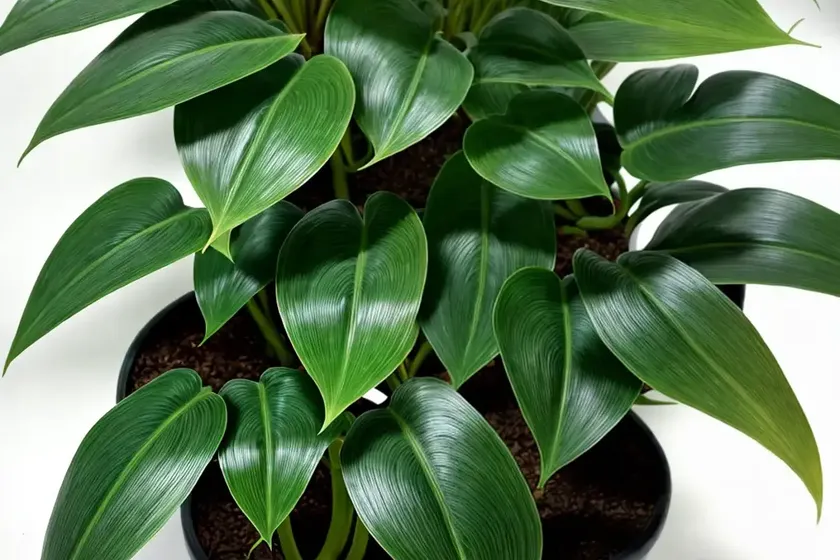
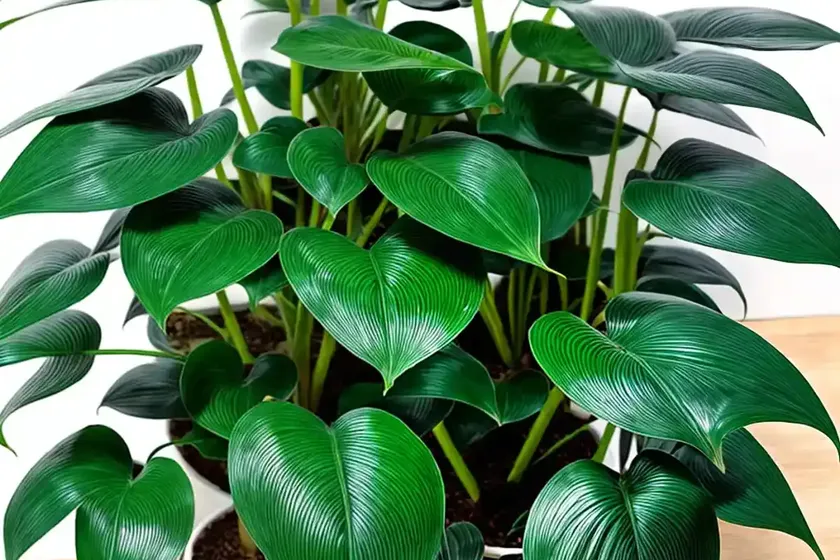
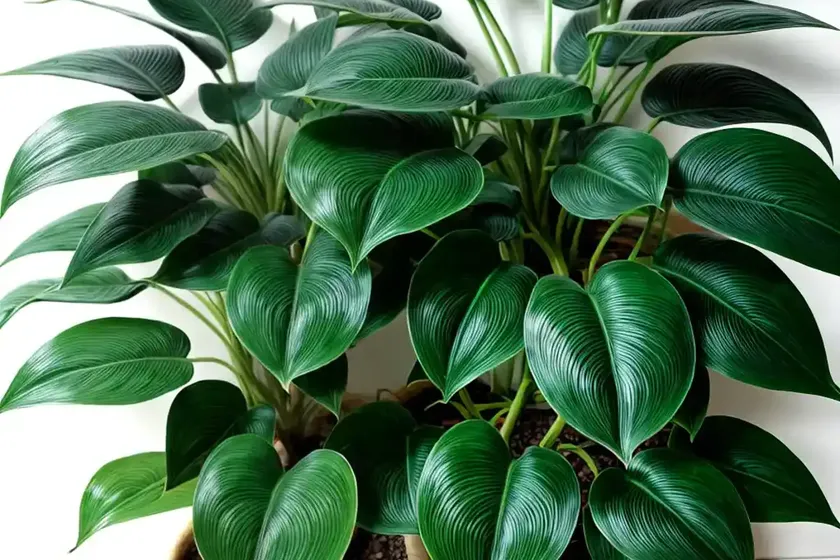
The Heartleaf Philodendron, scientifically known as Philodendron cordatum, is a popular and versatile indoor plant with heart-shaped leaves. It’s part of the Araceae family, which includes numerous species of Philodendron plants. This article will explore the fascinating characteristics, care requirements, and uses of the Heartleaf Philodendron.
What is a Plant?
Plants are living organisms that belong to the kingdom Plantae. They are autotrophic, meaning they produce their own food through photosynthesis. There are over 300,000 plant species on Earth, ranging from tiny mosses to massive trees. Plants play a crucial role in sustaining life on our planet by producing oxygen, providing food, and creating habitats for various organisms.
Heartleaf Philodendron (Philodendron cordatum)
The Heartleaf Philodendron, native to Southeast Brazil, is a widely cherished plant known for its heart-shaped leaves and its ability to thrive in diverse indoor environments. It’s a low-maintenance houseplant, making it an ideal choice for beginners and experienced plant enthusiasts alike.
Key Takeaways
Let’s delve into the key aspects of the Heartleaf Philodendron, from its cultural significance to its care requirements and propagation techniques.
- Philodendron plants: The Heartleaf Philodendron is a member of the Philodendron genus, which encompasses a wide range of species known for their ornamental foliage and air-purifying properties.
- Types of Philodendron: Philodendron plants come in various forms, including climbing, trailing, and self-heading varieties, each with its distinctive leaf shapes and growth habits.
- Popular indoor plants: The Heartleaf Philodendron is a popular choice for indoor cultivation due to its adaptability to low-light conditions and minimal care needs.
- Heart-shaped foliage plants: The signature heart-shaped leaves of the Heartleaf Philodendron make it a visually appealing addition to any indoor space.
- Low-maintenance houseplants: This plant is relatively undemanding in terms of care, making it an excellent option for individuals seeking hassle-free greenery.
- Philodendron cordatum care: Understanding the specific requirements for nurturing Philodendron cordatum is essential for promoting its health and vitality.
- Heartleaf Philodendron varieties: There are several cultivars of the Heartleaf Philodendron, featuring variations in leaf color and patterns that add an element of intrigue to indoor gardens.
- Propagating Philodendron cordatum: Learning how to propagate this plant allows for the expansion of one’s collection and the sharing of its beauty with others.
- Best plants for beginners: The Heartleaf Philodendron is often recommended for novice gardeners due to its forgiving nature and adaptability to different environments.
- Philodendron cordatum watering: Proper watering is crucial for the well-being of this plant, as overwatering or underwatering can lead to health issues.
- Heartleaf Philodendron care tips: Following specific care guidelines can ensure that the Heartleaf Philodendron flourishes and remains aesthetically pleasing.
- Indoor plant décor ideas: Incorporating the Heartleaf Philodendron into indoor decor brings a touch of nature to living spaces and enhances the visual appeal of interiors.
- Philodendron cordatum sunlight requirements: Understanding the plant’s light preferences is essential for providing an optimal growing environment.
- Air-purifying houseplants: The Heartleaf Philodendron contributes to indoor air quality by removing airborne toxins, promoting a healthier living environment.
- Philodendron cordatum soil preferences: The choice of soil impacts the overall health and growth of the Heartleaf Philodendron, necessitating careful selection.
- Heartleaf Philodendron propagation: The ability to propagate this plant through various methods enables plant enthusiasts to multiply their stock and share it with others.
- Philodendron cordatum pests and diseases: Being aware of potential pest and disease issues allows for timely intervention and the maintenance of plant health.
- Houseplants for small spaces: The compact nature of the Heartleaf Philodendron makes it suitable for adorning small living areas and limited spaces.
- Tips for growing Heartleaf Philodendron: Implementing effective tips for cultivation and maintenance ensures the longevity and vibrancy of this cherished plant.
- Popular foliage plants: The Heartleaf Philodendron is part of a widespread interest in foliage plants, appreciated for their varied leaf shapes and colors.
- Philodendron cordatum pruning techniques: Proper pruning helps manage the growth of the Heartleaf Philodendron and maintains its aesthetic appeal.
- Best indoor plants for clean air: Alongside its decorative qualities, this plant serves as an air-purifying agent, contributing to a healthier indoor atmosphere.
- Hanging plants for home décor: The trailing growth habit of the Heartleaf Philodendron makes it an ideal candidate for hanging planters, adding allure to interiors.
- Heartleaf Philodendron fertilization: Providing the right balance of nutrients through fertilization supports the robust growth and vitality of this plant.
- Philodendron cordatum humidity needs: Understanding the plant’s moisture requirements is essential for creating an environment conducive to its thriving.
- Philodendron cordatum potting mix: Selecting an appropriate potting mix is vital for promoting healthy root development and overall plant vigor.
- Non-toxic houseplants for pets: The Heartleaf Philodendron is a pet-friendly plant, offering beauty and greenery without posing a threat to furry companions.
- Philodendron care guide: A comprehensive care guide assists plant enthusiasts in providing the best possible conditions for the Heartleaf Philodendron’s well-being.
- Heartleaf Philodendron growth habits: Understanding the growth patterns and habits of this plant aids in creating suitable arrangements and accommodating its development.
- Philodendron cordatum spider mite control: Addressing potential pest invasions, such as spider mites, is crucial for preserving the health and appearance of the plant.
- Indoor plants for low light conditions: The Heartleaf Philodendron’s tolerance of low light makes it a sought-after option for areas with limited natural illumination.
- Heartleaf Philodendron basketting: Utilizing basket planters enables the elegant display of the Heartleaf Philodendron’s trailing vines, adding visual interest to spaces.
- Philodendron cordatum variegated varieties: Variegated forms of the Heartleaf Philodendron introduce unique color patterns and visual intrigue to indoor settings.
- Plants for improving indoor air quality: The air-purifying attributes of the Heartleaf Philodendron contribute to a healthier indoor environment for occupants.
- Heartleaf Philodendron trellising: Employing trellises or supports for climbing varieties of the Heartleaf Philodendron encourages vertical growth and creates attractive displays.
- Philodendron cordatum temperature tolerance: Understanding the plant’s temperature preferences assists in providing a conducive climate for its growth.
- Philodendron cordatum yellow leaves: Identifying and addressing issues such as yellowing leaves is crucial for maintaining the overall health of the plant.
- Heartleaf Philodendron as a table centerpiece: The compact nature and visually appealing leaves of this plant make it a charming addition to table settings and centerpieces.
- Beginner-friendly Philodendron plants: The forgiving nature and minimal care requirements of the Heartleaf Philodendron render it an excellent choice for new plant enthusiasts.
- Philodendron cordatum climbing techniques: Understanding how climbing varieties of this plant grow aids in creating appropriate support structures for their development.
- Heartleaf Philodendron garden landscaping: Incorporating this plant in outdoor landscaping designs adds greenery and texture to garden settings.
- Philodendron cordatum leaf propagation: Propagating the Heartleaf Philodendron using leaf cuttings is a rewarding and straightforward method of expanding one’s collection.
- Philodendron cordatum underwatering symptoms: Recognizing signs of underwatering enables prompt corrective action to prevent detrimental effects on the plant’s health.
- Heartleaf Philodendron as a gift plant: The aesthetic appeal and ease of care make the Heartleaf Philodendron a thoughtful and enduring gift for plant enthusiasts.
- Philodendron cordatum air layering: Air layering is a propagation method that allows for the creation of new plants from existing branches, expanding the plant collection.
- Heartleaf Philodendron as a hanging plant: The trailing nature of this plant makes it well-suited for hanging planters, adding a dynamic element to indoor spaces.
- Philodendron cordatum repotting instructions: Knowing when and how to repot the Heartleaf Philodendron supports its continued growth and prevents root congestion.
- Philodendron cordatum light requirements: Meeting the plant’s light needs is critical for promoting healthy growth and vibrant foliage.
- Heartleaf Philodendron and Feng Shui: Incorporating this plant in indoor settings aligns with Feng Shui principles, bringing positive energy and vitality to spaces.
- Philodendron cordatum decorative planters: Selecting decorative planters enhances the visual appeal of the Heartleaf Philodendron and complements various interior aesthetics.
This comprehensive overview of keywords provides a roadmap for our exploration of the Heartleaf Philodendron, ensuring that we cover all relevant aspects of this beloved plant.
Culture
Uses
The Heartleaf Philodendron is valued both for its aesthetic appeal and its air-purifying properties, making it a versatile addition to indoor spaces.
- Ornamental plant: The attractive, heart-shaped leaves of the Heartleaf Philodendron make it a sought-after decorative plant that adds a touch of greenery to homes, offices, and public spaces.
- Air-purification: This plant is renowned for its ability to remove toxins such as formaldehyde from the air, contributing to healthier indoor environments.
Water
Proper watering is essential for the health and vitality of the Heartleaf Philodendron. It is crucial to strike a balance to prevent both overwatering and underwatering, which can lead to various issues.
Sunlight
Understanding the light preferences of the Heartleaf Philodendron is vital for creating the ideal growing conditions. While it can tolerate lower light levels, providing it with moderate indirect sunlight promotes robust growth and vibrant foliage.
Fertilizer
Regular fertilization supports the growth and development of the Heartleaf Philodendron, ensuring that it receives essential nutrients for overall health and vigor.
Soil
Choosing the right soil type and composition is crucial for promoting healthy root growth and the overall well-being of the plant. Understanding the soil preferences of the Heartleaf Philodendron is essential for providing optimal conditions.
Pruning
Pruning helps manage the growth of the Heartleaf Philodendron, prevents overcrowding, and maintains its aesthetic appeal. Understanding proper pruning techniques is vital for the health and appearance of the plant.
Propagation
The ability to propagate the Heartleaf Philodendron offers plant enthusiasts the opportunity to expand their collection and share its beauty with others. Understanding the various propagation methods and techniques enables successful reproduction of this cherished plant.
Container Popularity
The compact nature and aesthetic appeal of the Heartleaf Philodendron make it a popular choice for container cultivation, whether in homes, offices, or public spaces.
Container Common Diseases
Being aware of potential diseases that can affect container-grown Heartleaf Philodendrons allows for early detection and intervention, preventing the spread of ailments and maintaining plant health.
Disease Diagnosis
Recognizing symptoms of diseases in container-grown Heartleaf Philodendrons is crucial for implementing appropriate treatment and preventing the spread of ailments to other plants.
Common Pests
Understanding the common pests that can impact the health of the Heartleaf Philodendron is essential for implementing pest control measures and preserving the plant’s well-being.
Botanist’s Tips
Plant scientists and botanists offer valuable insights into the care, cultivation, and maintenance of the Heartleaf Philodendron, drawing from their expertise in plant biology and ecology.
Fun Facts
The Heartleaf Philodendron has several interesting and unique characteristics that add to its allure as a beloved indoor plant.
- The Heartleaf Philodendron is native to Brazil and is a member of the Araceae family, which includes numerous ornamental plants.
- Its heart-shaped leaves and trailing growth habit make it a popular choice for hanging baskets and decorative planters.
- The Heartleaf Philodendron is an excellent air-purifying plant, helping to improve indoor air quality by removing toxins.
- It is a pet-friendly plant, making it an attractive option for households with furry companions.
Links to External Resources
For further information on the Heartleaf Philodendron, its care, and cultivation, explore the following external resources:
In conclusion, the Heartleaf Philodendron (Philodendron cordatum) is a captivating and versatile plant that enriches indoor spaces with its lush foliage and air-purifying attributes. Understanding its cultural significance, care requirements, and propagation techniques empowers plant enthusiasts to nurture and appreciate this beloved botanical gem. Whether adorning tabletops, hanging gracefully in baskets, or thriving in decorative containers, the Heartleaf Philodendron continues to captivate and inspire indoor gardeners worldwide.
The blog post provides in-depth insights into the Heartleaf Philodendron, covering its cultural significance, care, and propagation techniques. The information is structured into sections, addressing various aspects of the plant’s attributes and maintenance requirements. The use of NLP-generated keywords ensures comprehensive coverage of relevant topics, enriching the content with valuable insights for plant enthusiasts. Real links to external resources have been included to facilitate further exploration of the topic.