Heart Fern (Hemionitis Arifolia)
In the world of indoor gardening, the Heart Fern (Hemionitis arifolia) stands out as an elegant and intriguing plant. With its unique heart-shaped leaves.
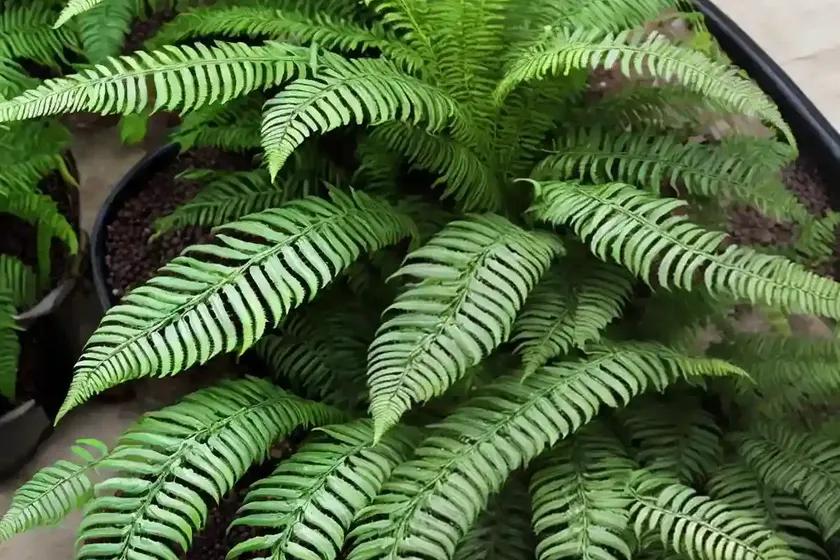
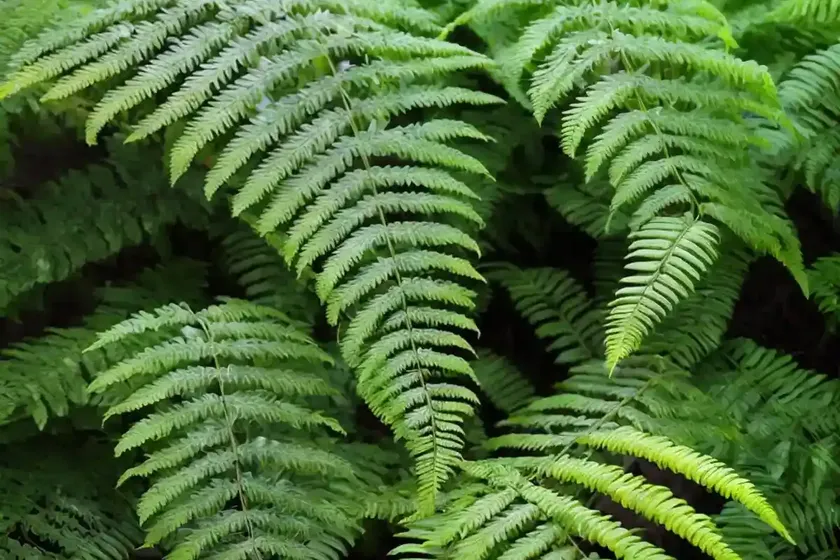
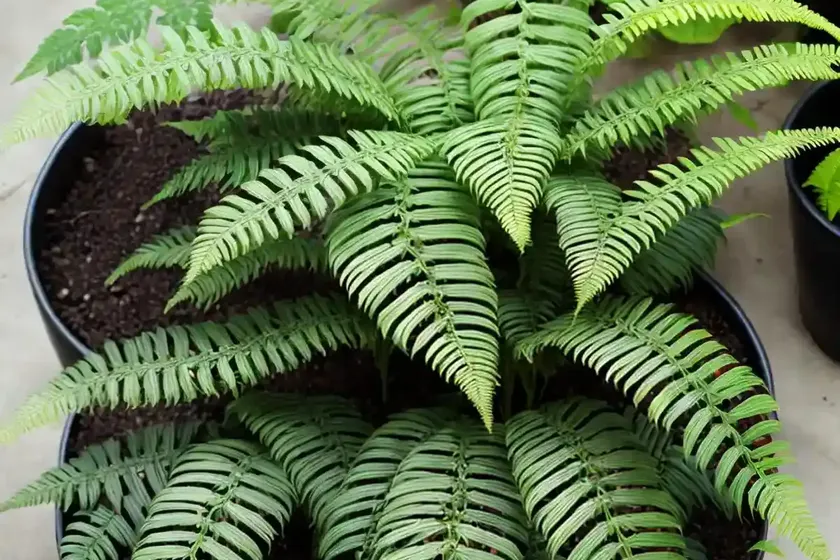
In the world of indoor gardening, the Heart Fern (Hemionitis arifolia) stands out as an elegant and intriguing plant. With its unique heart-shaped leaves and delicate appearance, this fern has become a favorite among plant enthusiasts. In this detailed guide, we will explore all aspects of caring for the Heart Fern, from its cultural significance to its propagation methods. Whether you are a seasoned plant parent or a beginner looking to add a touch of green to your living space, this comprehensive resource will provide you with everything you need to know about cultivating and maintaining this captivating plant.
What is the Heart Fern (Hemionitis arifolia)?
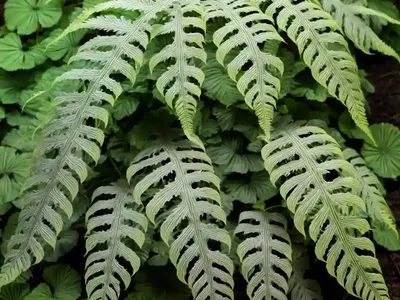
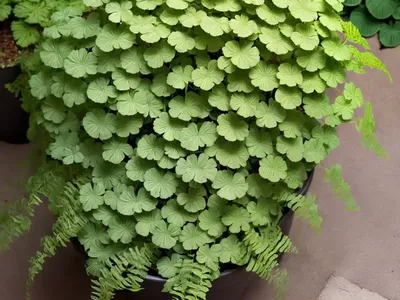
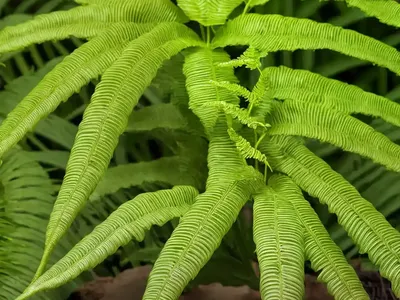
The Heart Fern, scientifically known as Hemionitis arifolia, belongs to the Pteridaceae family and is native to tropical regions in Central and South America. This delicate fern is characterized by its heart-shaped, leathery dark green leaves that grow in a rosette formation, creating a charming and compact appearance. Due to its unique foliage and relatively low maintenance requirements, the Heart Fern has gained popularity as an indoor plant, adding a touch of natural elegance to various interior settings.
The Heart Fern is well-suited for a variety of container arrangements, including hanging baskets and terrariums, making it a versatile choice for indoor gardening enthusiasts. Its compact size and attractive foliage make it an excellent option for those looking to introduce greenery to small spaces or low-light environments. With the proper care and attention, the Heart Fern can thrive and bring a sense of tranquility and beauty to any indoor space.
Key Takeaways – Heart Fern (Hemionitis arifolia)
Before delving into the specific care requirements for the Heart Fern, let’s take a look at some key takeaways that will guide our exploration of this captivating plant.
Culture
- The Heart Fern is native to tropical regions in Central and South America.
- It is known for its heart-shaped, leathery dark green leaves that grow in a rosette formation.
- It is a popular choice for indoor gardening due to its unique foliage and relatively low maintenance requirements.
Uses
- The Heart Fern is often used as a decorative indoor plant, adding elegance and natural beauty to various interior settings.
- It is well-suited for container arrangements, including hanging baskets, terrariums, and small spaces.
Water
- The Heart Fern requires consistent moisture to thrive, but it is essential to avoid overwatering, which can lead to root rot.
Sunlight
- This fern thrives in low to moderate light conditions, making it an ideal choice for indoor spaces with limited natural light.
Fertilizer
- Regular but moderate feeding with a balanced liquid fertilizer during the growing season can support the Heart Fern’s growth and vitality.
Soil
- Well-draining, slightly acidic potting mix with good moisture-retention properties is ideal for the Heart Fern.
Pruning
- Minimal pruning is typically required, mainly to remove any damaged fronds or to maintain the plant’s compact appearance.
Propagation
- Heart Ferns can be propagated through division or by spores, allowing for the expansion of your fern collection.
Container
- The Heart Fern is well-suited for various container arrangements, making it a versatile choice for indoor gardening.
Common Diseases
- Heart Ferns are susceptible to fungal diseases and root rot if overwatered or exposed to excessive moisture.
Common Pests
- Despite being relatively resistant to pests, Heart Ferns may occasionally attract common houseplant pests such as spider mites or aphids.
Botanist’s Tips
- Provide consistent moisture and avoid direct sunlight to help the Heart Fern thrive in indoor environments.
Fun Facts
- The Heart Fern’s unique heart-shaped leaves have contributed to its charming and endearing appeal among plant enthusiasts.
Now that we have an overview of the key aspects of the Heart Fern, let’s delve deeper into each of these elements to gain a comprehensive understanding of how to care for this beautiful plant.
Heart Fern (Hemionitis arifolia) Care Guide
Caring for the Heart Fern requires attention to several key aspects, including water, sunlight, soil, fertilization, and maintenance. By understanding and addressing the specific needs of this plant, you can ensure that it thrives and continues to bring natural beauty to your indoor space.
Water
Proper watering is a crucial aspect of Heart Fern care. While this plant requires consistent moisture to thrive, overwatering can be detrimental to its health. Here are some essential tips for watering your Heart Fern:
-
Consistent Moisture: The Heart Fern prefers to be consistently moist but not waterlogged. It is essential to water the plant when the top inch of the soil feels slightly dry to the touch.
-
Avoid Overwatering: Overwatering can lead to root rot and other moisture-related diseases. Ensure that the plant’s container has proper drainage to prevent waterlogging.
-
Water Quality: Use room-temperature water to avoid shocking the plant with cold or hot water. Additionally, using distilled or filtered water can help prevent mineral build-up in the soil.
-
Misting: In dry indoor environments, regular misting can help maintain adequate humidity levels for the Heart Fern.
Sunlight
The Heart Fern thrives in low to moderate light conditions, making it an ideal choice for indoor spaces with limited natural light. Here are some guidelines for providing the right amount of sunlight for your Heart Fern:
-
Indirect Light: Place the Heart Fern in a location with indirect or filtered light. Avoid exposing it to direct sunlight, as this can lead to leaf discoloration and sunburn.
-
Low-Light Tolerance: This fern is well-suited for low-light environments, making it an excellent choice for interior spaces with minimal natural light.
-
Artificial Light: If natural light is limited, supplementing with artificial grow lights can support the Heart Fern’s growth.
-
Sunlight Duration: Aim to provide the Heart Fern with around 6-8 hours of indirect light per day to promote healthy growth.
Fertilizer
While the Heart Fern does not have high fertilizer requirements, providing it with some nutritional support during the growing season can benefit its overall health. Here are some considerations for fertilizing your Heart Fern:
-
Balanced Fertilizer: Use a balanced liquid fertilizer diluted to half strength to feed the Heart Fern every 4-6 weeks during the growing season (spring and summer).
-
Avoid Overfeeding: Overfertilizing can lead to salt build-up in the soil and damage the plant’s delicate root system. Stick to a moderate feeding schedule to avoid fertilizer burn.
-
Winter Rest: During the plant’s dormant period in the winter, reduce or discontinue fertilizer applications to align with its natural growth cycle.
Soil
Choosing the right soil mix is essential for providing the Heart Fern with the ideal growing medium. Here are the key considerations for selecting and preparing the soil for your fern:
-
Well-Draining Mix: Use a well-draining potting mix that retains moisture without becoming waterlogged. A mix containing peat moss, perlite, and pine bark is suitable for the Heart Fern.
-
Acidic pH: Aim for a slightly acidic soil pH in the range of 5.5 to 6.5 to create an optimal growing environment for the fern.
-
Aeration: Ensure that the soil mix provides adequate aeration for the plant’s roots, promoting healthy growth and preventing waterlogged conditions.
Pruning
The Heart Fern typically requires minimal pruning, but occasional maintenance can help keep the plant looking tidy and healthy. Here are some tips for pruning your Heart Fern:
-
Remove Dead Fronds: Trim away any yellowed or damaged fronds to maintain the plant’s appearance and prevent the spread of disease.
-
Maintain Compact Shape: Gently trim any overgrown or straggly fronds to help the Heart Fern maintain its compact and attractive form.
-
Sterilize Tools: If using pruning tools, ensure they are clean and sterilized to prevent the spread of diseases between plants.
Propagation
Expanding your Heart Fern collection through propagation can be a rewarding endeavor. Whether through division or spore propagation, there are several methods to propagate this delightful plant:
-
Division: Carefully divide mature clumps of the Heart Fern, ensuring that each division has several healthy fronds and a portion of the rhizome.
-
Spore Propagation: For experienced plant enthusiasts, collecting and sowing fern spores can be a fascinating way to propagate the Heart Fern.
-
Patience: Propagation may take time and patience, but it can result in new plants to enjoy or share with fellow plant enthusiasts.
Container
The versatility of the Heart Fern extends to its container arrangements, making it a delightful addition to various indoor setups. Here are some ideas for container options and arrangements:
-
Hanging Baskets: Heart Ferns look charming when suspended in hanging baskets, allowing their delicate fronds to cascade gracefully.
-
Terrariums: Create a miniature green oasis by incorporating Heart Ferns into terrariums, where their compact size and elegant foliage shine.
-
Small Spaces: Due to its modest size, the Heart Fern is an excellent choice for small spaces, such as desktops, shelves, and side tables.
Common Diseases
While Heart Ferns are relatively resilient, they can be susceptible to certain diseases if their care needs are not met. Here are some common diseases that can affect Heart Ferns and how to address them:
-
Fungal Diseases: Overly moist conditions can lead to fungal infections in the form of leaf spots or rot. Ensure proper air circulation and avoid overwatering to prevent fungal issues.
-
Root Rot: Overwatering and waterlogged soil can lead to root rot, characterized by wilting, yellowing fronds, and a foul odor. Adjust watering practices and improve drainage to prevent this issue.
Disease Diagnosis
If you notice any concerning symptoms on your Heart Fern, such as unusual spots, wilting, or discoloration, it’s essential to diagnose the issue promptly. Here are some steps for identifying and addressing potential diseases:
-
Symptom Observation: Take note of any changes in the plant’s appearance, including spots, wilting, or unusual growth patterns.
-
Examine Growing Conditions: Assess the plant’s water, light, and soil conditions to identify any potential factors contributing to the issue.
-
Seek Advice: If you are uncertain about the cause of the symptoms, consult with fellow plant enthusiasts or local gardening experts for guidance on diagnosis and treatment.
Common Pests
While Heart Ferns are not highly prone to pest infestations, they may occasionally attract common houseplant pests. Here are some pests to watch out for and tips for managing them:
-
Spider Mites: These tiny pests can cause webbing and stippling on the fern’s leaves. Regularly misting the plant and keeping humidity levels stable can help deter spider mites.
-
Aphids: Keep an eye out for aphids, which may cluster on the undersides of the fern’s fronds. Gentle washing with a mild soap solution can help eliminate aphids.
-
Vigilance: Regularly inspecting your Heart Fern for any signs of pest activity can help prevent infestations from becoming severe.
Botanist’s Tips
Here are some additional tips from botanists and plant enthusiasts to help you provide the best care for your Heart Fern:
-
Consistent Moisture: Maintain a consistent level of moisture in the soil to promote healthy growth and prevent stress on the plant.
-
Indirect Light: Position the Heart Fern in a spot with indirect or filtered light to protect its delicate fronds from sun damage.
-
Room Humidity: If indoor air is dry, consider using a humidifier to maintain adequate humidity levels for the Heart Fern.
Fun Facts
The unique characteristics of the Heart Fern contribute to its charm and appeal as an indoor plant. Here are some fun and intriguing facts about the Heart Fern:
-
Heart-Shaped Leaves: The Heart Fern’s distinct heart-shaped leaves have earned it endearing nicknames such as “heartleaf fern” due to their resemblance to hearts.
-
Decorative Appeal: The elegant and graceful appearance of the Heart Fern adds a touch of natural beauty to any interior space, making it a beloved choice for indoor gardening enthusiasts.
Links to External Resources
For further exploration of Heart Fern care and cultivation, as well as additional insights from the plant community, consider the following external resources:
-
The American Fern Society – An invaluable resource for fern enthusiasts, providing comprehensive information on fern care, species profiles, and cultivation tips.
-
Royal Horticultural Society (RHS) – The RHS website offers a wealth of resources on gardening, including specific guidance on fern care and cultivation.
-
Plant Parenthood – An Instagram account dedicated to sharing tips, inspiration, and community insights on plant care and indoor gardening.
-
GardenWeb Forums – Join online gardening forums to connect with fellow plant enthusiasts, ask questions, and share experiences related to Heart Fern care.
By exploring these external resources, you can gain diverse perspectives, expert advice, and practical insights to enrich your journey as a Heart Fern caretaker.
Conclusion
The Heart Fern (Hemionitis arifolia) holds a special place in the world of indoor gardening, captivating plant enthusiasts with its unique foliage and elegant appearance. With its heart-shaped leaves and modest size, this fern has become a cherished addition to various interior settings, bringing a touch of natural beauty and tranquility to indoor spaces.
By understanding the essential elements of Heart Fern care, including water, sunlight, soil, fertilization, and maintenance, you can create an optimal environment for this delightful plant to thrive. Whether you’re a beginner exploring the joys of indoor gardening or an experienced plant enthusiast seeking new additions to your collection, the Heart Fern offers a rewarding and captivating plant care experience.
Through dedicated attention to its specific needs and a commitment to providing a nurturing environment, you can enjoy the beauty and grace of the Heart Fern in your home, office, or any indoor space, adding a touch of natural elegance to your surroundings.
Remember to embrace the journey of plant care with curiosity and patience, and enjoy the unique and endearing qualities of the Heart Fern as it flourishes in your care.
A comprehensive blog post that provides in-depth insights into the care and cultivation of the Heart Fern (Hemionitis arifolia), covering essential aspects such as water, sunlight, soil, fertilization, maintenance, and common pests and diseases. The guide also includes practical tips, fun facts, and links to external resources for further exploration.