Haworthia Viscosa (Haworthia Viscosa)
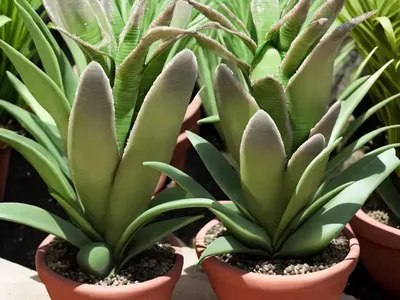
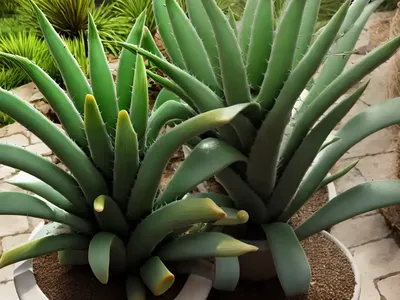
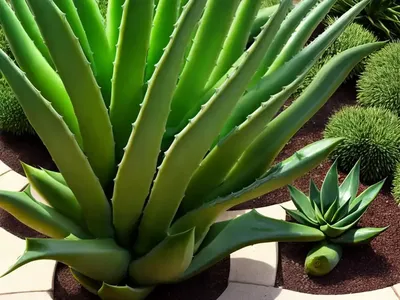
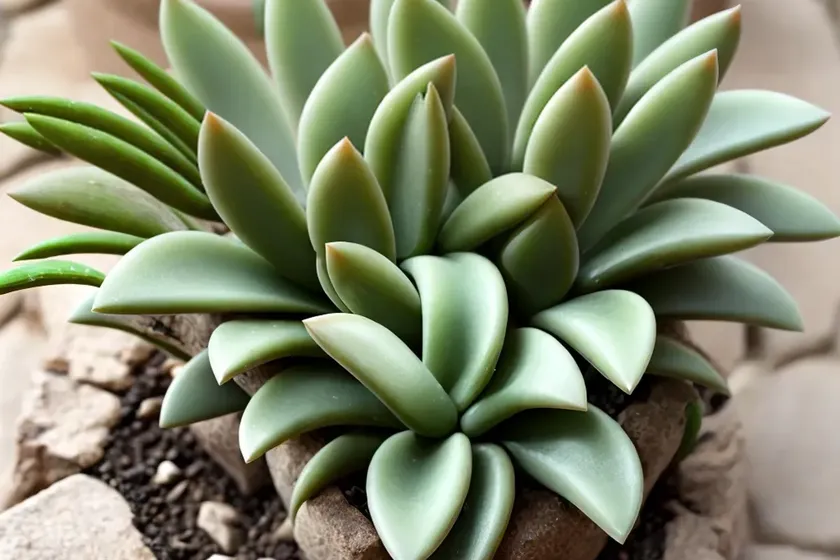
Haworthia Viscosa, commonly known as “Haworthia,” is a charming succulent plant that belongs to the Asphodelaceae family. This species is native to the.
Introduction to Haworthia Viscosa
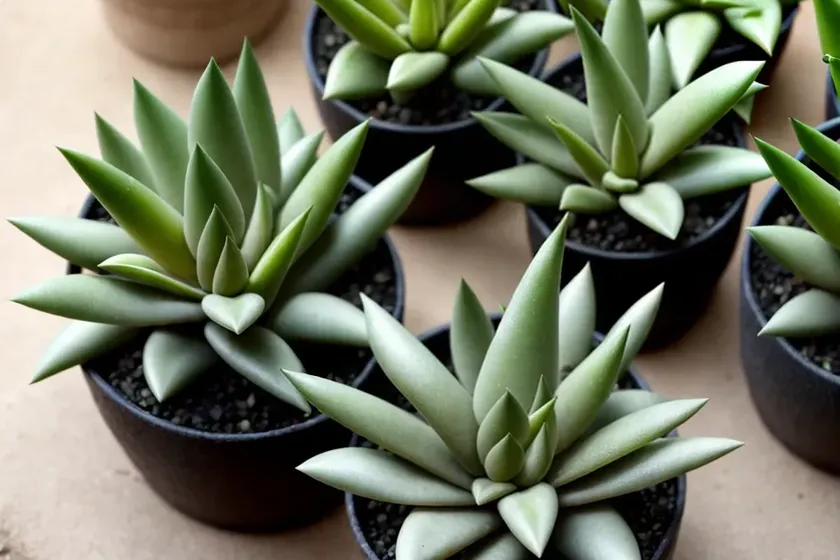
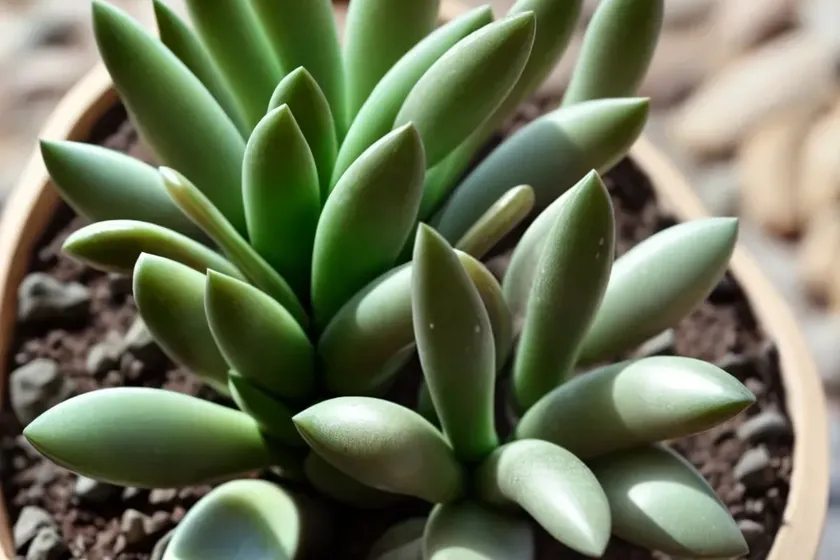
Haworthia Viscosa, commonly known as “Haworthia,” is a charming succulent plant that belongs to the Asphodelaceae family. This species is native to the Eastern Cape province of South Africa, where it thrives in arid and semi-arid regions. The name “Haworthia” is a tribute to the accomplished botanist Adrian Hardy Haworth, while “Viscosa” refers to the plant’s sticky nature when cut or injured.
Appreciated for its striking appearance and low-maintenance requirements, Haworthia Viscosa has gained popularity among gardeners, both beginners and experienced. This plant’s unique beauty and adaptability have made it a sought-after addition to indoor and outdoor gardens worldwide.
In this comprehensive guide, we will delve into the various aspects of Haworthia Viscosa, including its cultural needs, uses, propagation methods, and tips for maintaining its health and vigor. Whether you are a seasoned gardener or a novice plant enthusiast, this guide will equip you with the knowledge and insights to cultivate and care for Haworthia Viscosa successfully.
Key Takeaways – Haworthia Viscosa
Before delving into the specifics of Haworthia Viscosa, let’s explore the key takeaways associated with this remarkable succulent:
- Haworthia Viscosa is a resilient succulent with captivating rosettes of fleshy leaves, making it an excellent choice for indoor and outdoor gardens.
- This plant is known for its low maintenance requirements, making it an ideal option for beginners and busy individuals seeking green companionship.
- The striking colors and patterns on the leaves of Haworthia Viscosa add elegance to any setting, making it a popular decorative plant in homes, offices, and botanical collections.
- With proper care and attention to its cultural needs, Haworthia Viscosa can thrive and remain healthy for many years, rewarding growers with its enduring beauty.
Now, let’s delve into the specific aspects of caring for Haworthia Viscosa, encompassing its cultural needs, propagation, potential uses, and common pests and diseases.
Culture
Uses
Haworthia Viscosa is primarily cultivated for ornamental purposes due to its visually appealing foliage and ease of care. Due to its modest size and vibrant appearance, it serves several purposes in home and garden settings:
- Indoor Plant: Haworthia Viscosa is a popular choice for indoor cultivation, adorning windowsills, desks, and shelves. Its compact size and slow growth make it well-suited for indoor environments.
- Terrariums and Dish Gardens: The miniature nature of Haworthia Viscosa makes it an ideal candidate for terrariums and dish gardens, adding a touch of greenery to these enclosed ecosystems.
- Xeriscaping: In regions with arid or semi-arid climates, Haworthia Viscosa is utilized in xeriscaping projects, where water-conserving landscaping techniques are employed to enhance sustainable gardening practices.
- Rock Gardens: Its ability to thrive in nutrient-poor soils and dry conditions makes Haworthia Viscosa a valuable addition to rock gardens, where it can add visual interest to rocky landscapes.
Water
As a succulent plant, Haworthia Viscosa exhibits traits that enable it to store water in its fleshy leaves, allowing it to endure dry periods without frequent watering. However, it’s essential to provide adequate moisture without overwatering, as excessive dampness can lead to root rot and other issues. Here are essential guidelines for watering Haworthia Viscosa:
- Moderation: Water Haworthia Viscosa moderately, allowing the top inch of the soil to dry out between watering sessions. This practice mimics the plant’s natural habitat, where it experiences periods of drought punctuated by rainfall.
- Seasonal Adjustments: During the plant’s active growing season in spring and summer, increase watering frequency. Scale back on watering during the plant’s dormancy period in fall and winter to prevent waterlogged soil.
- Water Quality: Use room-temperature water to avoid shocking the plant with extreme temperature variances. Additionally, consider using distilled water or rainwater to minimize the accumulation of salts and minerals in the soil.
By adhering to these watering practices, you can maintain optimal growing conditions for your Haworthia Viscosa, helping it thrive and remain healthy.
Sunlight
In its native habitat, Haworthia Viscosa experiences bright, indirect sunlight and partial shade, sheltered by rocks and other natural coverings. When cultivating this succulent in home environments, it’s crucial to replicate these lighting conditions to promote healthy growth. Here’s how to provide the appropriate sunlight for your Haworthia Viscosa:
- Indoor Placement: Position the plant near a bright window that receives indirect sunlight for several hours a day. Avoid exposing it to intense, direct sunlight, as this can lead to leaf scorch and sun damage.
- Outdoor Cultivation: If growing Haworthia Viscosa outdoors, provide it with dappled sunlight or partial shade. If the region experiences particularly hot and sunny summers, consider providing afternoon shade to shield the plant from excessive sunlight.
By striking the right balance between light exposure and shade, you can ensure that your Haworthia Viscosa receives the optimal light conditions necessary for its health and vitality.
Fertilizer
Given its modest nutritional requirements, Haworthia Viscosa does not demand heavy feeding and can thrive in relatively poor soils. When provided with appropriate soil and cultural conditions, the plant can prosper without frequent fertilization. However, supplementing the soil with a balanced, diluted fertilizer can support its growth and overall well-being. Consider the following guidelines for fertilizing Haworthia Viscosa:
- Minimal Fertilization: Apply a diluted, balanced liquid fertilizer designed for succulents at half or quarter strength during the plant’s active growing season in spring and summer. Reduce or cease fertilization during fall and winter, as the plant’s growth slows down during this period.
- Frequency: Fertilize Haworthia Viscosa every two to four weeks during the growing season, ensuring that the soil is moist before applying the diluted fertilizer to prevent potential root damage.
- Application Method: Pour the diluted fertilizer directly onto the soil, avoiding contact with the leaves to prevent potential burning or damage.
By practicing minimal and strategic fertilization, you can provide Haworthia Viscosa with the necessary nutrients to support its growth and development without overwhelming its system with excess fertilizers.
Soil
The choice of soil is critical in ensuring the proper growth and development of Haworthia Viscosa, given its preference for well-draining, sandy substrates that mimic its natural habitat. When cultivating this succulent, it’s essential to use a well-suited potting mix to facilitate optimal root health and moisture management. Here are essential considerations for selecting and preparing soil for Haworthia Viscosa:
- Well-Draining Mix: Utilize a well-draining potting mix designed for succulents and cacti, or prepare a custom mix by combining standard potting soil with coarse sand or perlite to enhance drainage and aeration.
- Avoid Waterlogging: The soil should allow excess moisture to drain freely, preventing the accumulation of water around the plant’s roots, which can lead to rot and other issues.
- pH Considerations: Aim for a slightly acidic to neutral pH range (6.0-7.0) in the soil, providing a suitable environment for nutrient uptake and overall plant health.
By providing a well-composed, well-draining soil mix, you can offer a conducive growing medium for Haworthia Viscosa, promoting healthy root development and minimizing the risk of water-related issues.
Pruning
Due to its compact and slow-growing nature, Haworthia Viscosa generally requires minimal pruning, primarily focused on removing withered or damaged leaves. Pruning serves to maintain the plant’s aesthetic appeal and eliminate spent foliage, promoting overall cleanliness and tidiness. Here are essential guidelines for pruning Haworthia Viscosa:
- Sanitary Practices: Use clean, sharp scissors or pruning shears to remove discolored, withered, or damaged leaves, cutting close to the base of the leaf to enhance the plant’s appearance.
- Aesthetic Considerations: Regularly inspect your Haworthia Viscosa for any unsightly or diseased foliage, promptly removing such leaves to maintain the plant’s visual appeal and prevent potential disease spread.
By following these simple pruning practices, you can keep your Haworthia Viscosa in an attractive and healthy state, enhancing its overall appearance and vitality.
Propagation
Leaf Propagation
Propagating Haworthia Viscosa can be an enriching experience, allowing you to expand your plant collection and share the beauty of this species with fellow gardening enthusiasts. Leaf propagation is a popular method for reproducing Haworthia Viscosa, offering relatively predictable and rewarding results. Here’s a step-by-step guide to propagating Haworthia Viscosa through leaf propagation:
- Selecting Healthy Leaves: Choose healthy, mature leaves from the parent plant, ensuring that they are free from damage, disease, or deformities.
- Drying Period: Allow the selected leaves to dry and callus over for a few days in a warm, shaded area. This drying process helps prevent rot and infection during the propagation process.
- Potting Mix: Prepare a well-draining, succulent-friendly potting mix or use the same mix as the parent plant for consistency.
- Planting the Leaves: Gently press the dried leaf cuttings into the prepared soil, burying approximately one-third of the leaf to promote stability and encourage root development.
- Moisture Management: Water the planted leaf cuttings lightly, ensuring that the soil is evenly moist but not waterlogged. Place the pot in a bright, indirect light location, shielding it from intense sunlight.
By following these propagation steps and providing the appropriate care, you can witness the emergence of new plantlets from the base of the leaf cuttings over several weeks, marking the successful propagation of Haworthia Viscosa.
Offset Propagation
Aside from leaf propagation, Haworthia Viscosa produces offsets or “pups” as part of its natural growth cycle. These offsets can be carefully removed and cultivated as independent plants, offering a convenient and reliable method of propagation. Here’s a summary of the offset propagation process for Haworthia Viscosa:
- Identifying Offsets: Inspect the base of the parent plant for small offshoots or offsets, which are miniature replicas of the mature plant, connected by a short stem.
- Separation: Gently detach the offsets from the parent plant, ensuring that they have developed their root systems or allowing them to callus over for a few days before planting to minimize the risk of rot.
- Planting: Set the separated offsets in a well-draining potting mix, ensuring that the base of the offset is planted at an appropriate depth for stability and root establishment.
- Care and Maintenance: Water the newly planted offsets lightly, placing them in a bright, indirect light area for optimal growth conditions.
By embracing these propagation techniques, you can propagate new generations of Haworthia Viscosa, expand your collection, and share the beauty of this succulent with others.
Container Popularity
With its charming and compact nature, Haworthia Viscosa is well-suited for container gardening, both indoors and outdoors. The following are common reasons why this succulent is an appealing choice for container cultivation:
- Space Efficiency: The modest size and slow growth rate of Haworthia Viscosa make it an excellent fit for containers, allowing it to thrive in limited spaces such as windowsills, shelves, and tabletops.
- Decorative Appeal: The striking rosettes of fleshy leaves and intricate patterns of Haworthia Viscosa enhance the visual allure of containers, serving as captivating ornamental pieces in home and garden settings.
- Accessibility: Container gardening enables individuals living in apartments, urban environments, or areas with limited outdoor space to cultivate and appreciate the beauty of Haworthia Viscosa within a manageable and contained setting.
By harnessing the benefits of container gardening, you can showcase the elegance of Haworthia Viscosa, introducing its captivating charm to a variety of indoor and outdoor spaces.
Common Diseases
While Haworthia Viscosa is generally resilient and resistant to many pests and diseases, it may still encounter certain health issues under unfavorable conditions. By promptly identifying and addressing these diseases, you can safeguard the health and vigor of your Haworthia Viscosa. Let’s explore some common diseases that may affect this succulent:
- Root Rot: Excessive moisture or waterlogged soil can lead to root rot in Haworthia Viscosa, manifesting as soft, discolored, and decaying roots. To address this issue, adjust watering practices and improve soil drainage to prevent further rot and salvage the plant.
- Leaf Spotting: Fungal infections or bacterial pathogens can cause unsightly spots or lesions on the leaves of Haworthia Viscosa, compromising their aesthetic appeal and potentially weakening the plant. Treat affected plants with appropriate fungicides or bactericides and isolate them to prevent disease spread.
- Underwatering Stress: Inadequate watering and prolonged drought conditions can lead to dehydration and shriveling of the leaves in Haworthia Viscosa. Amend watering habits to ensure that the plant receives the appropriate moisture to recover from dehydration.
By remaining vigilant and responsive to these potential diseases, you can maintain the health and vitality of your Haworthia Viscosa, fostering its resilience and longevity.
Disease Diagnosis
When diagnosing diseases in Haworthia Viscosa, it’s crucial to observe and identify the specific symptoms and signs that manifest on the plant. By recognizing these indicators, you can gain insights into the underlying issues and take appropriate measures to rectify the situation. Here are essential steps to diagnose diseases in Haworthia Viscosa:
- Visual Examination: Inspect the plant for any visible abnormalities, such as leaf discoloration, spotting, wilting, or signs of decay on the roots.
- Assessment of Watering Practices: Evaluate the frequency and volume of watering, ensuring that it aligns with the plant’s moisture requirements, and adjust the schedule if necessary.
- Soil Inspection: Examine the soil for signs of excess moisture or compacted, poorly draining conditions that may contribute to root rot or stagnant water around the roots.
- Isolation: If you suspect disease presence, consider isolating the affected plant to prevent the potential spread of pathogens to other nearby plants.
By conducting a thorough disease diagnosis and taking proactive measures, you can effectively address diseases in Haworthia Viscosa, promoting the plant’s recovery and future well-being.
Common Pests
Haworthia Viscosa is generally resistant to most pests, owing to its succulent nature and resilience. However, certain pests may occasionally target this plant, requiring prompt intervention to mitigate their impact. Here are some common pests that may affect Haworthia Viscosa:
- Mealybugs: These small, white, cottony insects can infest the leaves and crevices of Haworthia Viscosa, sucking sap and potentially weakening the plant. Use insecticidal soap or neem oil to control mealybug populations, spraying the affected areas with the solution.
- Spider Mites: These tiny arachnids can infest the undersides of the leaves, spinning fine webs and causing stippling or discoloration on the foliage. Utilize miticidal sprays or neem oil to combat spider mites and mitigate their impact on the plant.
- Scale Insects: Scale insects may attach themselves to the leaves and stems of Haworthia Viscosa, feeding on the plant’s sap and potentially causing yellowing or wilting. Remove scale insects manually with cotton swabs dipped in rubbing alcohol, ensuring that you reach all affected areas.
By implementing proactive pest management strategies and promptly addressing any pest sightings, you can safeguard the health and vitality of your Haworthia Viscosa, shielding it from potential pest-related damage.
Botanist’s Tips
As a botanist with a passion for succulent plants, I’ve accumulated valuable insights and practical tips for cultivating and caring for Haworthia Viscosa. Here are some expert recommendations:
- Adequate Drainage: Ensure that the container or pot used for growing Haworthia Viscosa provides sufficient drainage holes to prevent waterlogging and promote soil aeration.
- Minimal Disturbance: Minimize the frequency of repotting and handling of Haworthia Viscosa to reduce stress and potential damage to the plant’s delicate roots and leaves.
- Adequate Air Circulation: Provide gentle airflow around the plant to discourage the development of fungal diseases and maintain optimal growing conditions.
- Observational Care: Regularly observe and interact with your Haworthia Viscosa, paying attention to its growth patterns, foliage health, and responses to environmental changes.
By integrating these botanist-approved tips into your Haworthia Viscosa care routine, you can foster strong, resilient plants and appreciate the rewarding experience of cultivating this captivating succulent.
Fun Facts
As we explore the captivating world of Haworthia Viscosa, it’s fascinating to unravel some fun and intriguing facts about this cherished succulent:
- Drought Adaptation: Haworthia Viscosa has evolved remarkable adaptations to survive arid conditions, exemplified by its water-storing foliage and robust root system.
- Botanical Classification: Within the Asphodelaceae family, Haworthia Viscosa is grouped alongside other notable succulent genera, showcasing the diverse and captivating nature of succulent plants.
- Leaf Variations: The leaves of Haworthia Viscosa display a striking range of shapes, textures, and patterns, adding an artistic and aesthetic dimension to its overall appeal.
- International Appreciation: Haworthia Viscosa has gained admirers and enthusiasts across the globe, gracing gardens, botanical collections, and indoor environments in diverse climates and settings.
By embracing these fun facts, you can deepen your appreciation for Haworthia Viscosa and share its unique charm with others, fostering an enduring passion for succulent plants.
Links to External Resources
To further enrich your knowledge and exploration of Haworthia Viscosa, consider delving into these valuable external resources:
- Guide to Succulent Care and Propagation
- Gardening Know How: Haworthia Plant Info
- The Spruce: How to Grow and Care for Haworthia
These external resources offer a wealth of information, insights, and practical guidance for cultivating and caring for Haworthia Viscosa, enriching your journey with this beloved succulent.
In conclusion, Haworthia Viscosa, with its resplendent foliage, modest care requirements, and adaptability, stands as an enchanting centerpiece in succulent collections and gardens. By honoring its cultural needs, embracing propagation techniques, and addressing potential challenges, you can relish the enduring beauty and vitality of Haworthia V