Haworthia Venosa (Haworthiopsis Venosa)
As a plant scientist with a passion for succulents, I’m excited to delve into the world of Haworthia venosa (formerly known as Haworthiopsis venosa). This.
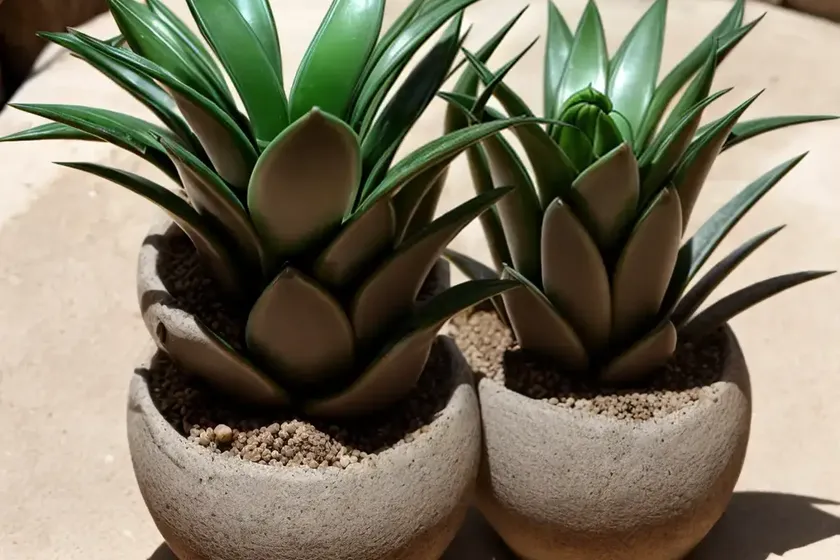
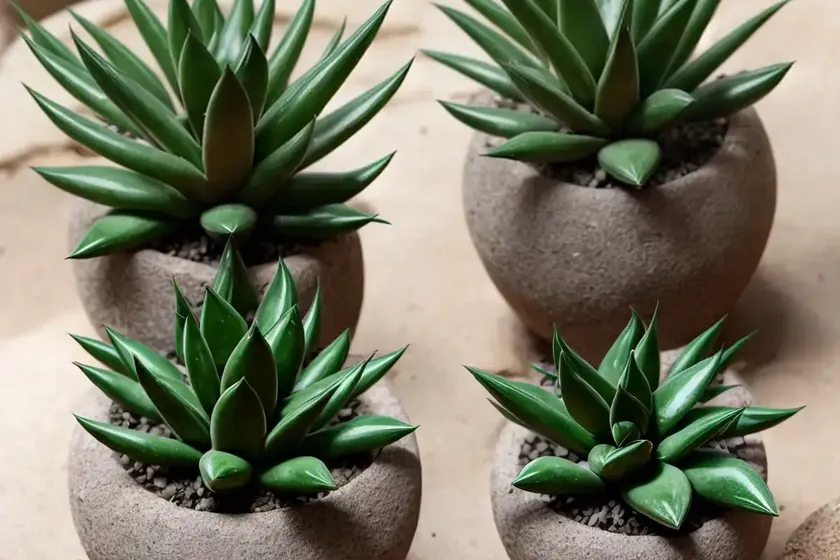
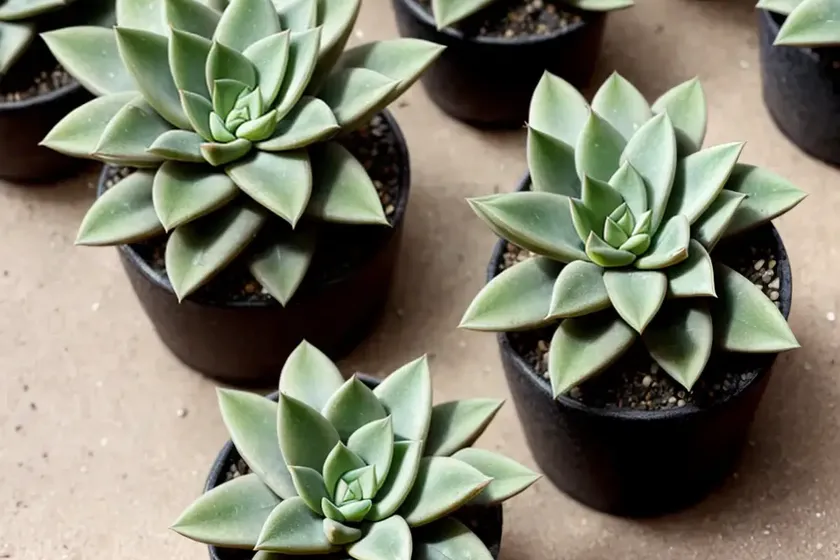
As a plant scientist with a passion for succulents, I’m excited to delve into the world of Haworthia venosa (formerly known as Haworthiopsis venosa). This unique succulent, characterized by its rosettes of thick, fleshy leaves, has gained popularity among plant enthusiasts for its low maintenance and striking appearance. In this comprehensive guide, we will explore everything there is to know about Haworthia venosa, from its cultural requirements to its uses, propagation, common diseases, and more. Whether you’re a seasoned succulent aficionado or a novice plant parent, this article aims to provide valuable insights into the care and cultivation of Haworthia venosa.
What is Haworthia venosa (Haworthiopsis venosa)?
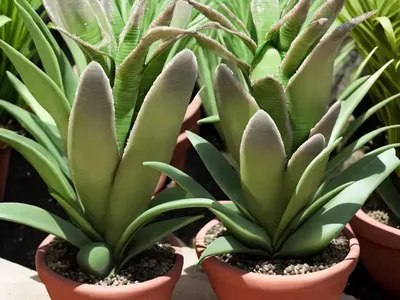
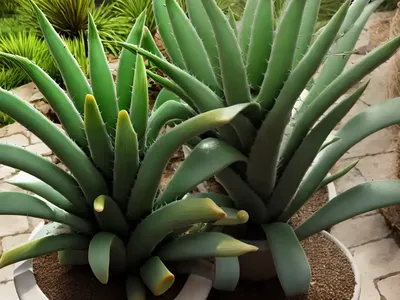
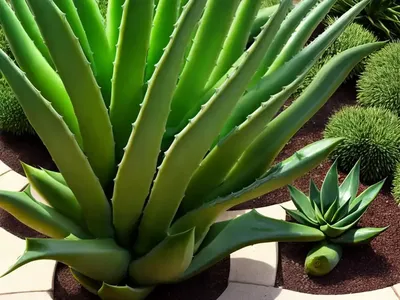
Haworthia venosa, commonly referred to as the “zebra plant,” is a species of succulent plant belonging to the Asphodelaceae family. Native to the Eastern Cape region of South Africa, Haworthia venosa thrives in arid environments and is well-adapted to conserving water, making it an excellent choice for cultivation in dry climates or as a low-maintenance indoor plant.
Key Takeaways – Haworthia venosa (Haworthiopsis venosa)
Before we delve into the specifics of caring for Haworthia venosa, let’s highlight some key takeaways about this fascinating succulent:
- Scientific Name: Haworthia venosa (formerly classified as Haworthiopsis venosa)
- Common Names: Zebra plant, Haworthia Zebra
- Family: Asphodelaceae
- Native Habitat: Eastern Cape, South Africa
- Characteristics: Rosettes of fleshy, patterned leaves
- Cultural Attributes: Low maintenance, drought-tolerant
- Uses: Ornamental houseplant, succulent gardens
- Popularity: Widely cultivated for its unique appearance and low care requirements
- Special Features: Water-retaining adaptations, striking leaf patterns
- Propagation: Easily propagated through offsets or leaf cuttings
Now that we have an overview of Haworthia venosa, let’s delve into the specific care requirements and cultural aspects of this intriguing succulent.
Culture
Successfully cultivating Haworthia venosa requires an understanding of its cultural needs, including water, sunlight, soil, and fertilizer requirements. By creating the ideal growing conditions, you can ensure that your zebra plant thrives and continues to display its distinctive rosettes of succulent foliage.
Uses
Haworthia venosa is primarily cultivated for its ornamental value, serving as a striking addition to both indoor and outdoor environments. With its unique patterned leaves and low maintenance requirements, this succulent is well-suited for various uses, including:
- Indoor Décor: Haworthia venosa is a popular choice for indoor plant displays, adding a touch of greenery to offices, living spaces, and other interior settings.
- Succulent Gardens: In warmer climates, Haworthia venosa can be incorporated into succulent gardens, rock gardens, and arid landscaping designs.
- Terrariums and Miniature Gardens: Due to its compact size and visually appealing foliage, the zebra plant is an excellent choice for terrariums and miniature garden arrangements.
- Drought-Tolerant Landscapes: In regions with limited water availability, Haworthia venosa can be used to create water-wise landscapes and xeriscapes, contributing to water conservation efforts.
Water
Proper watering is crucial for the health and vitality of Haworthia venosa. As a succulent adapted to arid conditions, this plant is well-suited to infrequent watering and has specific requirements to prevent root rot and other moisture-related issues.
Watering Guidelines for Haworthia venosa:
- Frequency: Water Haworthia venosa when the soil has completely dried out, typically every 2-3 weeks during the growing season. Reduce watering to once a month or less during the dormant winter period.
- Soil Moisture: Allow the soil to dry out between waterings to prevent waterlogged conditions, which can lead to root rot and other complications.
- Watering Method: Apply water directly to the soil at the base of the plant, avoiding wetting the rosette of leaves to minimize the risk of fungal infections and rot.
Sunlight
In its natural habitat, Haworthia venosa thrives in bright, indirect light and can tolerate periods of partial sunlight. When grown as a houseplant, providing the right amount of sunlight is essential to promote healthy growth and vibrant leaf coloring.
Sunlight Requirements for Haworthia venosa:
- Indoor Placement: Position Haworthia venosa in a location with bright, indirect sunlight, such as a south- or west-facing window, to ensure optimal growth and leaf patterning. Avoid prolonged exposure to intense, direct sunlight, as it may cause leaf scorching.
- Outdoor Cultivation: If grown outdoors, select a location with partial shade, especially in regions with hot, intense sunlight. Filtered light or dappled shade is ideal for preventing sunburn and maintaining the plant’s health.
- Winter Sunlight: During the winter months, ensure that Haworthia venosa continues to receive adequate light, as reduced daylight hours may necessitate adjustments to its positioning indoors.
Fertilizer
While Haworthia venosa is relatively low-maintenance, providing occasional fertilization during the growing season can support its overall health and development. However, it’s essential to apply fertilizer sparingly to avoid overfeeding and potential damage to the plant.
Fertilization Guidelines for Haworthia venosa:
- Frequency: Apply a balanced, diluted fertilizer solution to Haworthia venosa every 2-3 months during the growing season (spring and summer). Refrain from fertilizing during the dormant winter period when the plant’s growth slows.
- Fertilizer Type: Use a specialized succulent or cactus fertilizer, or a general-purpose, balanced liquid fertilizer diluted to half-strength to prevent nutrient excess.
- Application Method: Water the soil lightly before applying fertilizer to avoid direct contact with the plant’s roots. Apply the diluted fertilizer solution according to the manufacturer’s recommendations.
Soil
A well-draining soil mix is essential for the successful cultivation of Haworthia venosa, as it prevents waterlogging and promotes healthy root development. Tailoring the soil composition to mimic the plant’s native growing conditions is key to ensuring its long-term vitality.
Ideal Soil Mix for Haworthia venosa:
- Components: Prepare a well-draining soil mix using a combination of succulent potting mix, coarse sand, and perlite to enhance drainage and aeration. Avoid heavy, moisture-retentive soils that can lead to root rot.
- Acidity and pH: Aim for a neutral to slightly acidic soil pH range (6.0-7.0) to create a favorable growing environment for Haworthia venosa.
- Containers: Utilize pots with drainage holes to promote excess water runoff and prevent water accumulation at the plant’s roots.
Pruning
While Haworthia venosa generally requires minimal pruning, removing dead or withered leaves as they occur can help maintain the plant’s aesthetic appeal and prevent potential pest or disease issues. Use clean, sharp scissors or pruning shears to carefully trim any damaged or discolored foliage, ensuring that the cuts are clean and precise to minimize the risk of infection.
Propagation
One of the appealing aspects of Haworthia venosa is its ease of propagation, which allows plant enthusiasts to expand their collection or share new plants with friends and family. This succulent can be propagated through offsets (pups) or leaf cuttings, providing multiple options for expanding its presence in your garden or indoor spaces.
Propagation Methods for Haworthia venosa:
- Offset Propagation: Haworthia venosa naturally produces offsets, or pups, around the base of the parent plant. Gently separate these offsets from the main plant and allow the cut edges to callus before planting them in a new container with well-draining soil.
- Leaf Cutting Propagation: Carefully remove healthy leaves from the parent plant and allow the cut ends to callus for several days. Plant the callused ends in a shallow tray or pot with well-draining soil, maintaining a lightly moist environment for successful root development.
Container Popularity
The compact size and visually appealing foliage of Haworthia venosa have contributed to its popularity as a container plant, suitable for a wide range of indoor and outdoor settings. Due to its modest space requirements and adaptability to container culture, this succulent is well-suited for various styles of planters and decorative containers.
Common Container Types for Haworthia venosa:
- Terracotta Pots: Classic terracotta pots provide excellent drainage and airflow for Haworthia venosa, supporting its overall health and growth.
- Ceramic Planters: Decorative ceramic planters add a touch of elegance to indoor displays, complementing the zebra plant’s unique leaf patterns.
- Hanging Containers: Haworthia venosa can thrive in hanging planters, making it an attractive option for vertical gardening and space-saving arrangements.
- Succulent Dish Gardens: Incorporate Haworthia venosa into succulent dish gardens or arrangements, creating visually appealing and low-maintenance displays.
- Terrariums: Due to its compact size and water-wise nature, Haworthia venosa is well-suited for inclusion in terrariums and miniature garden settings.
Common Diseases
While Haworthia venosa is generally resilient and resistant to many common plant diseases, it can still be susceptible to certain issues under specific conditions. Vigilant monitoring and proactive care can help prevent and address potential disease concerns, ensuring the plant’s continued health and vitality.
Disease Diagnosis for Haworthia venosa:
- Root Rot: Overwatering or poorly draining soil can lead to root rot in Haworthia venosa, resulting in yellowing, mushy roots and wilting foliage. To address root rot, carefully assess the soil moisture levels and adjust the plant’s watering regimen. Trimming affected roots and repotting the plant in fresh, well-draining soil can aid in recovery.
- Fungal Infections: Excessive moisture or high humidity levels can create favorable conditions for fungal diseases, such as powdery mildew or leaf spot. Maintain adequate airflow around the plant, avoid overhead watering, and provide proper spacing between plants to minimize the risk of fungal issues.
- Pest-Related Damage: While not a disease in the traditional sense, pest infestations can impact Haworthia venosa’s health and appearance. Keep an eye out for common succulent pests, such as spider mites or mealybugs, and address any infestations promptly using natural or targeted pest control methods.
Common Pests
Haworthia venosa is generally resistant to many common plant pests, thanks to its succulent nature and ability to store water within its leaves. However, certain pests may still pose a threat to the plant, requiring vigilant monitoring and appropriate intervention to maintain its health and appearance.
Common Pests Affecting Haworthia venosa:
- Spider Mites: These tiny arachnids can infest Haworthia venosa, causing stippled, discolored leaves and visible webbing. Use insecticidal soap or neem oil to address spider mite infestations, ensuring thorough coverage of the affected plant parts.
- Mealybugs: Mealybugs are soft-bodied insects that may appear as white, cottony masses on Haworthia venosa. Use a cotton swab dipped in rubbing alcohol to target and remove individual mealybugs, or apply insecticidal soap as directed to control larger infestations.
- Scale Insects: Scale insects may latch onto the foliage or stems of Haworthia venosa, feeding on plant sap and causing yellowing or wilting. Use a soft brush or cotton swab to remove scale insects, and consider applying horticultural oil to suffocate and control their populations.
Botanist’s Tips
As a botanist specializing in succulent plants, I’d like to share some additional tips and insights to help you successfully care for and appreciate the unique qualities of Haworthia venosa. These guidelines are based on my experience working with a diverse array of succulent species and aim to enhance your understanding of this captivating plant.
Botanist’s Tips for Haworthia venosa Care:
- Optimal Air Circulation: Ensure adequate air circulation around Haworthia venosa to prevent moisture-related issues and promote overall plant vigor. Good airflow can also discourage pest infestations and fungal problems.
- Appropriate Watering Technique: When watering Haworthia venosa, direct the water to the soil at the base of the plant, allowing the excess to drain out freely. Avoid spraying water directly onto the rosette of leaves to minimize the risk of rot and disease.
- Dormant Period Considerations: During the plant’s dormant winter period, reduce watering frequency and avoid fertilization to align with its natural growth cycle and conserve energy.
- Temperature Moderation: Protect Haworthia venosa from extreme temperature fluctuations, ensuring that it is shielded from frost in cooler climates and sheltered from excessive heat in warmer regions.
Fun Facts
To further enrich your appreciation for Haworthia venosa, here are some intriguing and lesser-known facts about this captivating succulent:
- The distinctive striped patterning on Haworthia venosa’s leaves mimics the appearance of zebra stripes, inspiring its common name, “zebra plant.”
- In addition to its ornamental appeal, Haworthia venosa has been studied for its potential air purification capabilities, actively removing toxins from indoor environments.
- The rosette structure of Haworthia venosa’s leaves serves as a natural adaptation for gathering and storing water, enabling the plant to thrive in arid conditions.
- Haworthia venosa is classified as a pet-friendly plant, making it a suitable choice for households with curious pets with a tendency to explore greenery.
Links to External Resources
As an advocate for continuous learning and exploration, I’ve compiled a selection of reliable external resources that offer valuable insights into Haworthia venosa care, cultivation, and related topics. Whether you’re seeking in-depth botanical knowledge or practical gardening advice, these resources can serve as valuable references for your plant-related endeavors:
- The Haworthia Society: The official website of The Haworthia Society, providing comprehensive information and resources on the Haworthia genus, including Haworthia venosa.
- Succulent Plant Care: Succulents and Sunshine is a trusted source for succulent care guides, cultivation tips, and practical advice for plant enthusiasts.
In conclusion, Haworthia venosa stands out as a captivating and low-maintenance succulent, offering both visual appeal and ease of care for plant enthusiasts. By understanding its specific cultural requirements, propagation methods, and potential pest and disease concerns, you can cultivate thriving specimens of Haworthia venosa and enjoy their striking presence in your indoor or outdoor spaces. Whether you’re drawn to its zebra-like foliage or its ability to thrive in water-wise environments, this unique succulent has much to offer as a fascinating addition to your plant collection.
I hope that this comprehensive guide has provided you with valuable insights and practical guidance for cultivating and appreciating Haworthia venosa. As you embark on your journey with this remarkable succulent, may you find joy in observing its growth, patterns, and unique adaptations, and may it enrich your connection to the diverse world of plants.
Happy gardening!
Keywords: Haworthia venosa care, Haworthia venosa propagation, Haworthiopsis venosa plant, Haworthia venosa succulent, Haworthia venosa indoor, Haworthia venosa outdoor, Haworthia venosa watering, Haworthia venosa sunlight requirements, Haworthia venosa soil, Haworthia venosa potting, Haworthia venosa repotting, Haworthia venosa pests, Haworthia venosa diseases, Haworthia venosa growth, Haworthia venosa leaves, Haworthia venosa stems, Haworthia venosa roots, Haworthia venosa flowers, Haworthia venosa propagation methods, Haworthia venosa care tips, Haworthia venosa maintenance, Haworthia venosa pot selection, Haworthia venosa fertilizer, Haworthia venosa pruning, Haworthia venosa humidity requirements, Haworthia venosa temperature tolerance, Haworthia venosa seasonal changes, Haworthia venosa hybrid varieties, Haworthia venosa natural habitat, Haworthia venosa native range, Haworthia venosa water retention, Haworthia venosa succulent characteristics, Haworthia venosa color variations, Haworthia venosa patterned leaves, Haworthia venosa growth rate, Haworthia venosa preferred light levels, Haworthia venosa best potting mix, Haworthia venosa air purification, Haworthia venosa therapeutic benefits, Haworthia venosa drought tolerance, Haworthia venosa temperature and humidity requirements, Haworthia venosa pet-friendly, Haworthia venosa low maintenance plant, Haworthia venosa unique features, Haworthia venosa toxicity, Haworthia venosa water storage adaptation, Haworthia venosa succulent garden ideas, Haworthia venosa soil drainage, Haworthia venosa container gardening tips