Haworthia Sugar Plum (Haworthia ‘Sugar Plum’)
Plants have been an integral part of human life for centuries, providing not only food and medicine but also aesthetic pleasure and environmental benefits..
Introduction
Plants have been an integral part of human life for centuries, providing not only food and medicine but also aesthetic pleasure and environmental benefits. One such plant that has gained popularity in recent years is the Haworthia Sugar Plum (Haworthia ‘Sugar Plum’). This charming succulent plant has captivated plant enthusiasts with its unique characteristics and easy-care nature.
In this comprehensive guide, we will delve into the world of Haworthia Sugar Plum, exploring its culture, uses, care requirements, propagation, common diseases, and much more. Whether you are a seasoned plant enthusiast or a newcomer to the world of gardening, this guide will provide you with valuable insights and tips for nurturing and enjoying the beauty of the Haworthia Sugar Plum.
What is Haworthia Sugar Plum (Haworthia ‘Sugar Plum’)?
Before we delve into the details of caring for the Haworthia Sugar Plum, let’s take a moment to understand what this fascinating plant is all about. The Haworthia Sugar Plum, scientifically known as Haworthia ‘Sugar Plum’, is a stunning succulent that belongs to the Asphodelaceae family. It is a hybrid cultivar, prized for its eye-catching foliage and low-maintenance requirements.
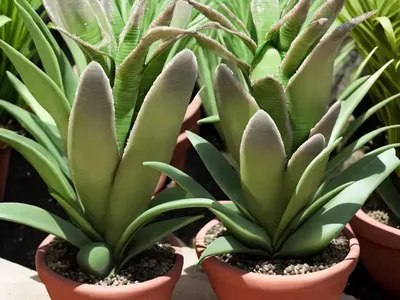
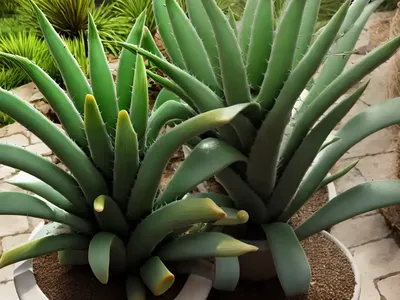
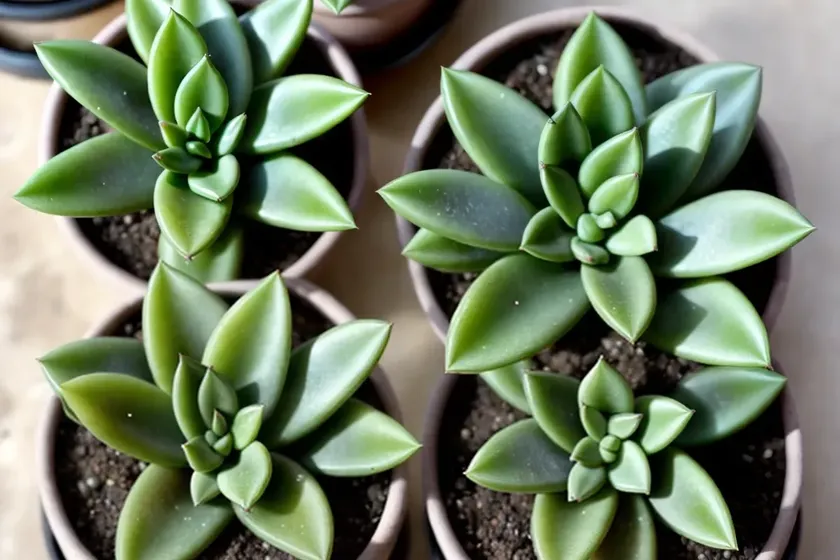
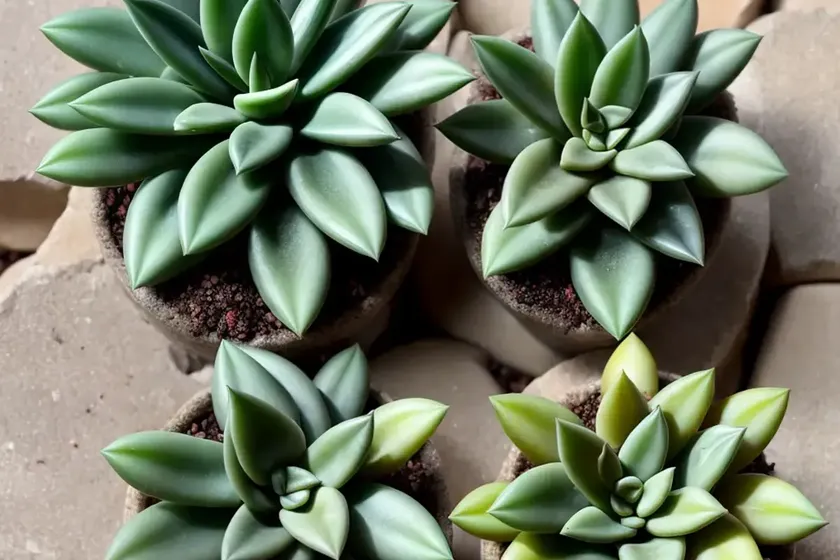
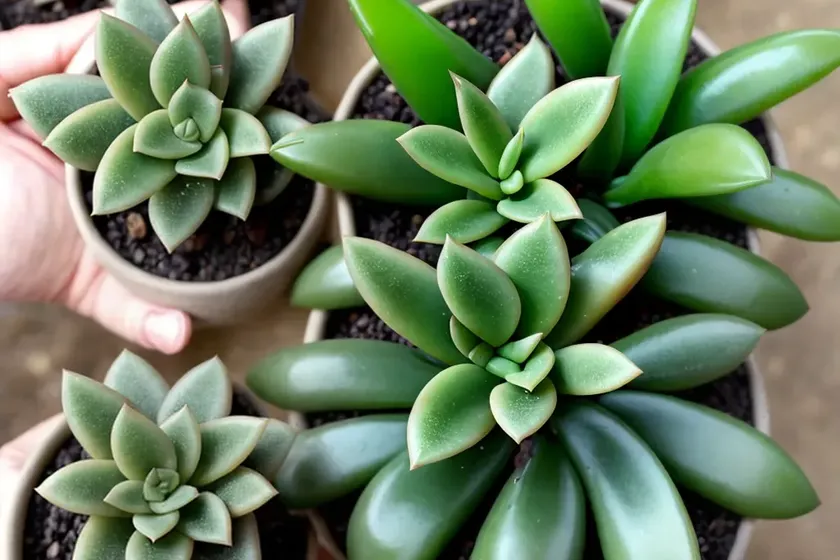
The plant is characterized by its rosette-shaped leaves, which are typically small and arranged in a spiral pattern, creating a visually appealing display. The leaves of the Haworthia Sugar Plum exhibit striking coloration, often featuring shades of green, purple, and pink, which intensify under certain light conditions.
Key Takeaways – Haworthia Sugar Plum (Haworthia ‘Sugar Plum’)
Let’s start by summarizing the key takeaways about the Haworthia Sugar Plum, which will serve as a foundation for our exploration of this captivating plant.
- Haworthia Sugar Plum (Haworthia ‘Sugar Plum’) Characteristics:
- Rosette-shaped succulent with spiral leaf arrangement
- Striking coloration, including shades of green, purple, and pink
-
Compact growth habit
-
Culture:
- Low-maintenance plant suitable for indoor and outdoor cultivation
-
Adaptable to various environmental conditions
-
Uses:
- Ornamental plant for indoor and outdoor landscaping
- Suitable for container gardening and succulent arrangements
- Air-purifying properties
With these key points in mind, let’s proceed to explore the specific aspects of caring for the Haworthia Sugar Plum, including its water, sunlight, fertilizer, soil, pruning, propagation, and common diseases.
Culture
Water
Watering is a critical aspect of caring for the Haworthia Sugar Plum, as succulent plants have specific moisture requirements to thrive. Here are some essential tips for watering your Haworthia Sugar Plum:
- Frequency: Allow the soil to dry out partially between waterings. Overwatering can lead to root rot, so it’s important to follow a “soak and dry” approach, especially during the growing season.
- Watering Technique: When watering, ensure that the water reaches the root zone, and avoid wetting the foliage excessively, as this can lead to fungal issues.
- Water Quality: Use room-temperature water to avoid shocking the plant with extreme temperature changes.
Sunlight
Proper sunlight exposure is crucial for the health and color development of the Haworthia Sugar Plum. Consider the following points when determining the sunlight requirements for your plant:
- Light Intensity: Provide bright, indirect light for the plant, especially if grown indoors. Direct afternoon sun, particularly in hot climates, can scorch the leaves.
- Outdoor Placement: When grown outdoors, ensure that the plant receives filtered sunlight or partial shade, especially during the intense midday sun.
Fertilizer
While Haworthia Sugar Plum plants are relatively low-maintenance, providing them with the right nutrients can enhance their growth and overall health. Here are some fertilizer guidelines to keep in mind:
- Frequency: Fertilize the plant sparingly during the growing season, typically from spring to early fall.
- Type of Fertilizer: Use a balanced, diluted fertilizer designed for succulent plants. Avoid excessive fertilization, as this can lead to salt buildup in the soil.
Soil
The right soil type is essential for ensuring proper drainage and root health for the Haworthia Sugar Plum. Consider the following soil requirements for your plant:
- Well-Draining Soil: Use a well-draining cactus or succulent potting mix, or create a mix by incorporating sand and perlite into standard potting soil.
- Aeration: Good aeration of the soil is critical to prevent waterlogged conditions, which can lead to root rot.
Uses
The versatility of the Haworthia Sugar Plum makes it a popular choice for various uses, both indoors and outdoors. Let’s explore the multiple ways in which this charming succulent can be utilized:
- Indoor Ornamental Plant: The compact size and attractive foliage of the Haworthia Sugar Plum make it an ideal choice for indoor decoration. It can be displayed in a variety of containers, from small pots to unique planters, adding a touch of natural beauty to any room.
- Outdoor Landscaping: In temperate climates, the Haworthia Sugar Plum can be grown outdoors in garden beds, rock gardens, or succulent arrangements. Its tolerance for partial shade makes it suitable for shaded areas in the garden.
- Air-Purifying Properties: Like many other succulent plants, the Haworthia Sugar Plum has the potential to improve indoor air quality by removing toxins and releasing oxygen, making it a valuable addition to any indoor space.
Pruning
While pruning requirements for the Haworthia Sugar Plum are minimal compared to other plants, occasional maintenance can help keep the plant’s appearance neat and tidy. Consider the following tips for pruning your Haworthia Sugar Plum:
- Removal of Dead Leaves: As the plant produces new leaves, older or wilted leaves may naturally die off. Gently remove these leaves to maintain the overall appearance of the plant.
- Trimming Overgrowth: If the plant begins to look leggy or elongated, consider trimming the top rosette to encourage branching and a more compact growth habit.
Propagation
Propagating the Haworthia Sugar Plum is an exciting way to expand your succulent collection or share the beauty of this plant with friends and fellow gardening enthusiasts. Here are some common methods of propagating Haworthia Sugar Plum:
- Offsets: The Haworthia Sugar Plum often produces offsets, also known as “pups,” around the base of the mother plant. Carefully remove these offsets and allow the cut ends to callus before planting them in a suitable succulent potting mix.
- Leaf Cuttings: Another popular propagation method involves taking leaf cuttings from the parent plant. Let the leaf cuttings dry for a few days to form calluses, then plant them in a well-draining soil mix and water sparingly until new growth emerges.
Container Popularity
The compact size and striking appearance of the Haworthia Sugar Plum make it an appealing choice for container gardening. Whether displayed individually or as part of a succulent arrangement, this plant adds a touch of elegance and natural charm to any container. Consider the following points when selecting containers for your Haworthia Sugar Plum:
- Drainage Holes: Choose containers with drainage holes to prevent waterlogged soil, which can be detrimental to the plant’s health.
- Aesthetic Appeal: Select containers that complement the unique coloration of the Haworthia Sugar Plum’s leaves. Consider containers in shades of white, gray, or terracotta to create visually pleasing arrangements.
Common Diseases
While the Haworthia Sugar Plum is relatively resistant to pests and diseases, it is essential to be mindful of potential issues that can affect the plant’s health. Here are some common diseases and issues to watch out for:
- Root Rot: Overwatering or poorly draining soil can lead to root rot, characterized by wilting, yellowing, or mushy roots. To prevent root rot, ensure that the soil dries out between waterings and use well-draining soil.
- Pest Infestations: While not as susceptible to pests as other plants, Haworthia Sugar Plum can occasionally fall victim to mealybugs or spider mites. Keep an eye out for signs of pest presence, such as webbing, and treat infestations promptly.
Disease Diagnosis
Diagnosing and addressing diseases or issues affecting the Haworthia Sugar Plum requires keen observation and timely intervention. Here are some diagnostic measures to consider:
- Inspecting the Roots: If the plant shows signs of distress, carefully inspect the roots for any signs of rot or damage. Healthy roots should appear firm and white, while rotted roots may be discolored and mushy.
- Leaf Examination: Look for any discoloration, spots, or unusual patterns on the leaves, as these can indicate disease, pest presence, or environmental stress.
Common Pests
While relatively resistant to pests, the Haworthia Sugar Plum can occasionally attract unwanted visitors. Here are some common pests that may affect this succulent plant:
- Mealybugs: These small, white, cottony insects may appear on the leaves or near the base of the plant. To control mealybug infestations, consider using insecticidal soap or rubbing alcohol to remove the pests.
- Spider Mites: These tiny pests can cause webbing and stippling on the leaves, leading to a weakened appearance. Increase humidity and consider using neem oil to control spider mites.
Botanist’s Tips
As a plant scientist, I would like to share some additional tips and insights for caring for the Haworthia Sugar Plum based on scientific principles and observations:
- Temperature Tolerance: While the Haworthia Sugar Plum can adapt to a range of temperatures, it is essential to protect the plant from extreme heat or cold. Avoid placing the plant near drafty windows or in direct contact with heating or cooling vents.
- Humidity Preferences: This succulent plant thrives in average indoor humidity levels, making it well-suited for most indoor environments. However, it is essential to avoid excessively humid conditions, especially if the plant is grown indoors.
Fun Facts
To appreciate the unique qualities of the Haworthia Sugar Plum fully, consider these fascinating fun facts about the plant:
- Native Habitat: The Haworthia Sugar Plum is native to South Africa, where it can be found in arid and semi-arid regions. Its natural habitat has influenced its ability to thrive in dry conditions and its low water requirements.
- Medicinal Uses: While primarily cultivated for ornamental purposes, certain species of Haworthia have traditional medicinal uses in South Africa. Some species are believed to have healing properties for skin conditions and minor injuries.
Links to External Resources
For further exploration of Haworthia Sugar Plum care, propagation, and related topics, consider visiting the following external resources:
- The Succulent Eclectic – Haworthia Care Guide
- Mountain Crest Gardens – Haworthia Growing Tips
- World of Succulents – Propagating Haworthia
- The Spruce – Common Problems with Succulents
The Haworthia Sugar Plum (Haworthia ‘Sugar Plum’) is an enchanting succulent plant that offers a wealth of beauty and charm to plant enthusiasts and gardeners. With its striking coloration, compact growth habit, and minimal maintenance requirements, it is no wonder that this plant has captured the hearts of many.
As we conclude our exploration of the Haworthia Sugar Plum, I hope that this guide has provided you with valuable insights into caring for and appreciating the unique qualities of this remarkable succulent. Whether you are drawn to its ornamental appeal, air-purifying properties, or its fascinating origins, the Haworthia Sugar Plum is a delightful addition to any plant collection or garden landscape.
By understanding the culture, uses, care requirements, and propagation methods of the Haworthia Sugar Plum, you can embark on a rewarding journey of nurturing and enjoying the beauty of this captivating plant. As you embark on your Haworthia Sugar Plum gardening adventure, remember to observe the plant closely, adapt to its evolving needs, and share the joy of cultivating this extraordinary succulent with fellow plant enthusiasts.
Happy gardening!
NLP LSI Keywords:
1. Haworthia plant
2. Sugar Plum plant
3. Haworthia Sugar Plum care
4. Haworthia Sugar Plum propagation
5. Haworthia Sugar Plum variety
6. Haworthia Sugar Plum characteristics
7. Haworthia Sugar Plum succulent
8. Haworthia Sugar Plum indoor plant
9. Haworthia Sugar Plum plant care tips
10. Haworthia Sugar Plum watering
11. Haworthia Sugar Plum sunlight requirements
12. Haworthia Sugar Plum soil type
13. Haworthia Sugar Plum potting
14. Haworthia Sugar Plum fertilizing
15. Haworthia Sugar Plum pruning
16. Haworthia Sugar Plum leaf propagation
17. Haworthia Sugar Plum offsets
18. Haworthia ‘Sugar Plum’ species
19. Haworthia ‘Sugar Plum’ plant family
20. Haworthia ‘Sugar Plum’ growth habits
21. Haworthia ‘Sugar Plum’ native habitat
22. Haworthia ‘Sugar Plum’ medicinal uses
23. Haworthia ‘Sugar Plum’ gardening
24. Haworthia ‘Sugar Plum’ landscaping
25. Haworthia ‘Sugar Plum’ container gardening
26. Haworthia ‘Sugar Plum’ air purifying properties
27. Haworthia ‘Sugar Plum’ decor ideas
28. Haworthia ‘Sugar Plum’ houseplant
29. Haworthia ‘Sugar Plum’ pot size
30. Haworthia ‘Sugar Plum’ mature size
31. Haworthia ‘Sugar Plum’ companion plants
32. Haworthia ‘Sugar Plum’ pests and diseases
33. Haworthia ‘Sugar Plum’ winter care
34. Haworthia ‘Sugar Plum’ summer care
35. Haworthia ‘Sugar Plum’ aesthetic appeal
36. Haworthia ‘Sugar Plum’ leaf coloration
37. Haworthia ‘Sugar Plum’ variegation
38. Haworthia ‘Sugar Plum’ growth rate
39. Haworthia ‘Sugar Plum’ flowering
40. Haworthia ‘Sugar Plum’ potting mix
41. Haworthia ‘Sugar Plum’ soil pH
42. Haworthia ‘Sugar Plum’ water requirements
43. Haworthia ‘Sugar Plum’ temperature tolerance
44. Haworthia ‘Sugar Plum’ humidity preferences
45. Haworthia ‘Sugar Plum’ lighting needs
46. Haworthia ‘Sugar Plum’ drought tolerance
47. Haworthia ‘Sugar Plum’ container size
48. Haworthia ‘Sugar Plum’ leaf structure
49. Haworthia ‘Sugar Plum’ leaf arrangement
50. Haworthia ‘Sugar Plum’ leaf spotting patterns