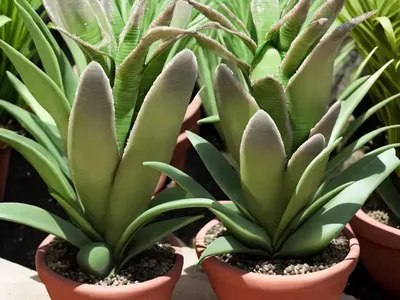
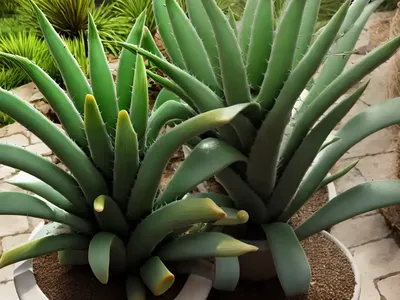
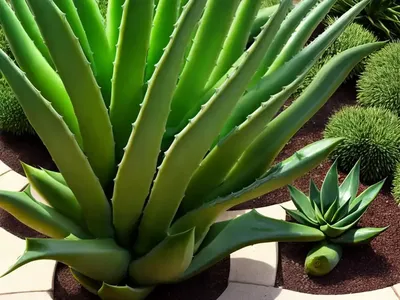
Haworthia Piliflera (Haworthia Cooperi Var. Pilifera)
Haworthia Piliflera, scientifically known as Haworthia Cooperi Var. Pilifera, is a unique and beautiful succulent plant that belongs to the Asphodelaceae.
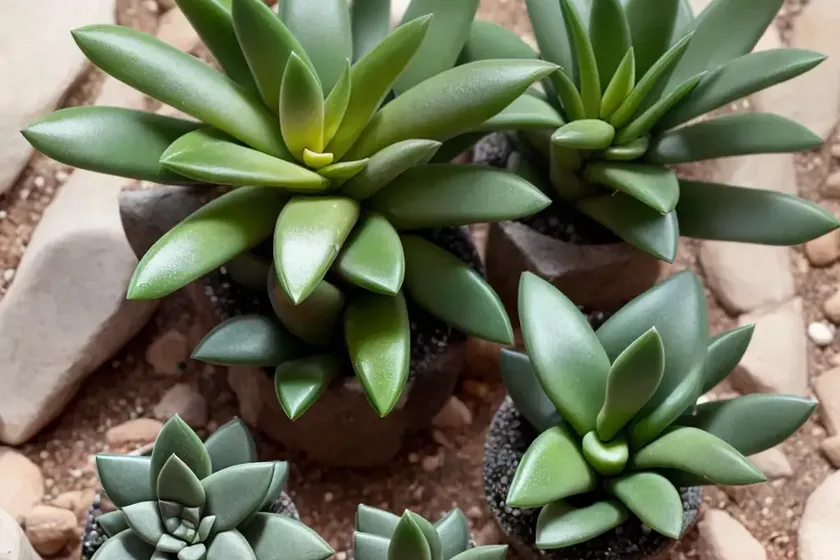
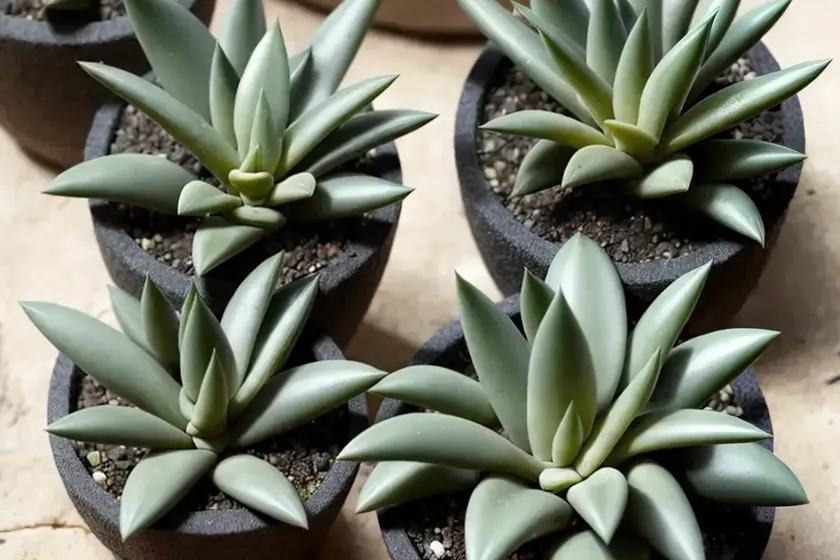
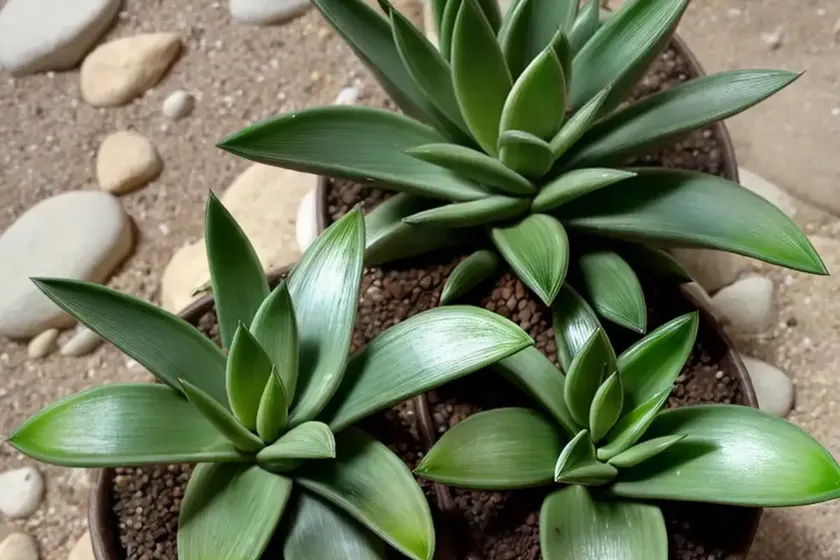
Haworthia Piliflera, scientifically known as Haworthia Cooperi Var. Pilifera, is a unique and beautiful succulent plant that belongs to the Asphodelaceae family. This species is known for its charming rosette-shaped leaves, making it a popular choice for both indoor and outdoor cultivation. In this comprehensive guide, we will delve into the key aspects of caring for Haworthia Piliflera, including its culture, uses, water and sunlight requirements, fertilizer needs, soil preferences, pruning techniques, propagation methods, common diseases and pests, and much more. So, whether you are a beginner or an experienced plant enthusiast, this article will provide you with all the essential information you need to ensure the health and vitality of your Haworthia Piliflera plants.
What is Haworthia Piliflera?
Haworthia Piliflera, also known as Haworthia Cooperi Var. Pilifera, is a small, clump-forming succulent native to the Eastern Cape province of South Africa. It is a member of the Haworthia genus, which comprises a diverse group of about 150 species of small, rosette-forming succulent plants. The species name “Pilifera” refers to the fine, hair-like growth that adorns the leaf margins, giving the plant a distinct and attractive appearance.
The Haworthia genus is named after the British botanist Adrian Hardy Haworth, who was a renowned taxonomist and entomologist. The genus is characterized by its ability to thrive in arid and semi-arid regions, making it well-adapted to low-water environments. With its compact growth habit and striking foliage, Haworthia Piliflera has become a sought-after plant for both indoor and outdoor cultivation, as well as for succulent arrangements and container gardens.
Key Takeaways – Haworthia Piliflera (Haworthia Cooperi Var. Pilifera)
- Scientific Name: Haworthia Cooperi Var. Pilifera
- Family: Asphodelaceae
- Native Habitat: Eastern Cape province of South Africa
- Common Names: Haworthia Piliflera, Cooper’s Haworthia, Cushion Aloe
- Plant Type: Succulent, Perennial
- Growth Habit: Clump-forming, Rosette-forming
- Foliage: Thick, fleshy leaves with fine, hair-like margins
- Flowering: Small, tubular white flowers on tall, slender stalks
- Uses: Ornamental plant, Indoor and outdoor cultivation, Succulent arrangements
Now that we have an overview of Haworthia Piliflera, let’s delve into the specific aspects of its care and cultivation.
Culture
Uses
Haworthia Piliflera is primarily cultivated for its ornamental value. Its attractive foliage and compact growth habit make it a popular choice for various uses, including:
-
Indoor Décor: Haworthia Piliflera is well-suited for indoor cultivation, adding a touch of greenery and elegance to home and office spaces. Its small size and low maintenance requirements make it an ideal choice for terrariums, windowsills, and desks.
-
Succulent Gardens: Due to its clump-forming nature and eye-catching foliage, Haworthia Piliflera is often incorporated into succulent gardens, rock gardens, and xeriscapes. It blends well with other succulent species, creating visually appealing arrangements.
-
Container Plants: This species is well-adapted to container cultivation, making it suitable for patio containers, hanging baskets, and small garden spaces.
Water
Haworthia Piliflera, like most succulents, is adapted to arid environments and has low water needs. Proper watering is crucial for the health and vitality of the plant. Here are some important points to consider regarding watering:
-
Well-draining Soil: Use a well-draining soil mix designed for succulents and cacti to ensure excess water can freely drain away from the roots. A mix containing components such as perlite, coarse sand, and peat moss is ideal.
-
Watering Frequency: During the active growing season (spring and summer), water Haworthia Piliflera when the top inch of the soil feels dry to the touch. Allow the excess water to drain out of the pot and never let the plant sit in standing water, as it can lead to root rot.
-
Winter Dormancy: Reduce watering during the plant’s dormancy period in winter. Allow the soil to dry out more between waterings, as the plant’s growth slows down during this time.
-
Watering Techniques: Use a watering can with a narrow spout or a squeeze bottle to direct water directly to the base of the plant, avoiding wetting the foliage. This helps prevent the risk of fungal diseases and rot.
Sunlight
Proper sunlight is essential for the growth and development of Haworthia Piliflera. Here are some guidelines for ensuring the plant receives adequate sunlight:
-
Indoor Light: Place indoor Haworthia Piliflera near a bright window with indirect sunlight. A north or east-facing window is often ideal, as it provides bright light without the intensity of direct sun exposure.
-
Outdoor Light: When grown outdoors, provide partial shade to protect the plant from intense sunlight, especially during the hottest part of the day. A location with morning sun and filtered afternoon shade is typically suitable.
-
Light Requirements: Aim for moderate to bright light conditions for optimal growth. Insufficient light can result in elongation of the leaves and a faded or washed-out appearance, while too much direct sunlight can lead to sunburn and leaf damage.
Fertilizer
While Haworthia Piliflera does not require frequent fertilization, occasional feeding can support its growth and overall health. Here’s how to approach fertilizing this succulent:
-
Frequency: Fertilize the plant sparingly during the active growing season, typically from spring to early fall. A monthly feeding with a diluted, balanced liquid fertilizer is generally sufficient.
-
Dilution: Use a diluted fertilizer solution at half or quarter strength of the recommended dosage on the product label. Succulents are sensitive to excess nutrients, so it’s important not to over-fertilize.
-
Application Method: Apply the fertilizer solution to damp soil, and avoid direct contact with the leaves to prevent potential burning or damage.
Soil
Choosing the right soil mix is key to the success of Haworthia Piliflera. A well-draining and nutrient-rich medium is essential for promoting healthy root growth and preventing waterlogged conditions. Consider the following soil-related factors:
-
Succulent Mix: Use a specialized succulent and cactus potting mix, which provides excellent drainage and aeration. These mixes typically consist of components such as perlite, coarse sand, and organic matter, creating an ideal environment for succulent roots.
-
Soil Amendments: If preparing your own succulent mix, incorporate coarse sand, perlite, pumice, or volcanic rock to improve drainage and prevent compaction. This helps mimic the plant’s natural habitat and promotes strong root development.
-
Container Selection: Choose containers with drainage holes to facilitate excess water removal. This prevents water from pooling at the bottom of the pot, reducing the risk of root rot.
Pruning
Haworthia Piliflera is a low-maintenance plant that generally requires minimal pruning. However, occasional pruning and maintenance can help promote a tidy appearance and remove any dead or damaged foliage. Here’s how to approach pruning:
-
Remove Dead Leaves: Periodically remove dried or withered leaves from the base of the plant to maintain a clean and tidy appearance. Gently pluck the dead leaves or use clean pruning shears for larger clusters.
-
Trimming Flower Stalks: After the flowering period, trim back the spent flower stalks close to the base of the plant. This encourages the plant’s energy to be directed towards new growth and offsets rather than seed production.
-
Avoid Over-Pruning: While it’s important to remove dead or unsightly foliage, avoid excessive pruning, as Haworthia Piliflera does not require extensive pruning to maintain its shape and health.
Propagation
Propagating Haworthia Piliflera is a rewarding way to expand your plant collection or share the beauty of this species with fellow plant enthusiasts. The following methods can be used for successful propagation:
-
Offsets/Division: Haworthia Piliflera often produces offsets, also known as “pups” or “chicks,” around the base of the mother plant. Carefully remove the offsets with a clean, sharp knife, ensuring each offset has some roots attached. Allow the cut ends to callus for a day or two before planting them in a well-draining succulent mix.
-
Leaf Cuttings: Another propagation method involves taking leaf cuttings from the mother plant. Select healthy leaves and gently twist them from the stem to ensure a clean break. Allow the leaf cuttings to callus for a few days, then place them on top of a succulent mix, lightly pressing the base of the leaf into the soil. New plantlets will begin to form at the base of the leaf over time.
-
Seed Propagation: While less commonly practiced, Haworthia Piliflera can be propagated from seeds. Sow the seeds in a well-draining potting mix and keep them consistently moist until germination occurs. This method requires patience, as it may take several years for the plants to reach maturity from seeds.
Container Popularity
Haworthia Piliflera is well-suited for container cultivation, making it a popular choice for succulent enthusiasts and indoor plant lovers. Here are some reasons behind its popularity as a container plant:
-
Compact Size: The small and compact growth habit of Haworthia Piliflera makes it ideal for growing in containers of various sizes, including small pots, hanging baskets, and decorative planters.
-
Indoor Adaptability: The plant’s low light and low water requirements make it well-suited for indoor container cultivation, thriving in a range of indoor environments such as homes, offices, and apartments.
-
Aesthetic Appeal: The striking foliage and rosette-forming habit of Haworthia Piliflera make it an attractive addition to succulent arrangements, terrariums, and container gardens.
-
Easy Maintenance: Minimal pruning, watering, and fertilization needs make Haworthia Piliflera a low-maintenance choice for container gardening, appealing to both novice and experienced plant enthusiasts.
Common Diseases
Like any plant, Haworthia Piliflera is susceptible to certain diseases, especially when its growing conditions are suboptimal. The following are common diseases that may affect this succulent:
-
Root Rot: Overwatering or poorly draining soil can lead to root rot, which is characterized by mushy, discolored roots and wilting foliage. To prevent root rot, ensure the plant’s soil dries out between waterings and use well-draining soil.
-
Powdery Mildew: Powdery mildew, a fungal disease, may develop on the leaves of Haworthia Piliflera in humid or poorly ventilated conditions. It appears as a white, powdery coating on the foliage. Improve ventilation, avoid overhead watering, and consider using fungicidal treatments if powdery mildew is present.
-
Mealybugs and Aphids: These common pests can infest Haworthia Piliflera, feeding on the plant’s sap and causing damage to the leaves. Look for signs of small, white, cottony masses (mealybugs) or clusters of tiny, soft-bodied insects (aphids) on the plant. Use horticultural oils or insecticidal soaps to control these pests.
Disease Diagnosis
Diagnosing diseases in Haworthia Piliflera involves carefully observing the plant for any signs of stress, discoloration, or unusual growth patterns. Here are some diagnostic tips for common diseases:
-
Root Rot: Check the plant’s roots for signs of decay or discoloration. Gently remove the plant from its pot and inspect the roots for mushy, darkened areas. If root rot is suspected, trim off any affected roots and repot the plant in fresh, well-draining soil.
-
Powdery Mildew: Look for powdery, white spots on the leaves, which indicate the presence of powdery mildew. Address this issue by improving air circulation around the plant, avoiding overhead watering, and employing fungicidal treatments if necessary.
-
Pest Infestations: Inspect the foliage and undersides of the leaves for signs of mealybugs, aphids, or other common pests. Small, white, waxy clusters (mealybugs) or tiny, soft-bodied insects (aphids) are indicative of a pest infestation. Treat the plant with appropriate insecticidal products to eliminate the pests.
Common Pests
Haworthia Piliflera may be troubled by a few common pests that can impact the plant’s health and appearance. Understanding these pests and implementing appropriate control measures is essential for maintaining the well-being of the plant. Here are the common pests to watch out for:
-
Mealybugs: These soft-bodied, white, cottony pests often infest the leaves and crevices of Haworthia Piliflera. They feed on the plant’s sap, causing stunted growth and honeydew secretion. Control mealybugs by applying insecticidal soap or horticultural oil directly to the affected areas.
-
Aphids: Aphids are tiny, soft-bodied insects that gather on the tender foliage and stems of the plant, sucking out plant juices and causing distortion and wilting. Rinse them off the plant with a strong stream of water or use insecticidal soap to eliminate aphid populations.
-
Spider Mites: These minuscule pests are often found on the undersides of the leaves, where they feed on plant sap and cause stippling, webbing, and overall decline in plant vigor. Regularly mist the plant to increase humidity and use insecticidal sprays to manage spider mite populations.
Botanist’s Tips
As a plant scientist and enthusiast, I have some additional insights and tips for caring for Haworthia Piliflera, based on my research and experience:
-
Observation is Key: Get to know your Haworthia Piliflera by closely observing its growth habits, leaf coloration, and response to environmental conditions. This will help you make informed decisions about its care needs and adjustments.
-
Avoid Overwatering: Succulents are particularly sensitive to overwatering, so err on the side of underwatering rather than overwatering. Let the soil dry out between waterings to prevent waterlogged conditions and root rot.
-
Consider Temperature Variations: While Haworthia Piliflera thrives in moderate temperatures, it can benefit from slight temperature variations, especially during the winter months, to mimic its natural habitat. Avoid exposing the plant to extreme temperature fluctuations.
-
Regular Maintenance: Engage in regular maintenance practices such as removing debris from the plant’s base, checking for pest infestations, and cleaning the foliage to maintain plant health and prevent issues.
Fun Facts
-
The name “Haworthia” pays homage to the British botanist Adrian Hardy Haworth, who was an influential figure in the study of succulent plants and their taxonomy.
-
Haworthia Piliflera’s charming appearance and care requirements have contributed to its popularity as a favored indoor succulent, appealing to both seasoned collectors and beginners.
-
The rosette shape of the leaves serves a practical purpose, allowing the plant to efficiently capture and store water in its thick, fleshy leaves, an adaptation for survival in arid environments.
Now that we’ve explored the cultural aspects, uses, and care requirements of Haworthia Piliflera, let’s dive into some additional resources and references for further information.
Links to External Resources
- Haworthia Care Guide
- Succulent Plant Care for Beginners
- Container Gardening Tips
- Common Succulent Pests and Diseases
In conclusion, Haworthia Piliflera (Haworthia Cooperi Var. Pilifera) is a captivating and adaptable succulent plant that offers an array of possibilities for indoor and outdoor cultivation. By understanding its culture, water and sunlight needs, soil preferences, and other essential care aspects, you can foster healthy and thriving Haworthia Piliflera plants in your own garden or indoor spaces. Whether you’re a novice succulent enthusiast or a seasoned plant collector, this versatile species is sure to add beauty and charm to your green oasis.
With its unique features and straightforward care requirements, Haworthia Piliflera has secured its place as a beloved succulent species, captivating plant enthusiasts with its alluring rosettes and low-maintenance nature. As you embark on your journey of caring for this remarkable plant, may you enjoy the beauty and resilience of Haworthia Piliflera in all its verdant glory.
For more detailed information and personalized care advice, it is always recommended to consult with local horticulturists, botanical experts, and gardening resources to address any specific concerns about growing and nurturing Haworthia Piliflera in your particular environment.
I hope this comprehensive guide has provided you with the insights and knowledge you need to cultivate and enjoy the beauty of Haworthia Piliflera with confidence and success.
Remember, the joy of nurturing these remarkable succulents lies not just in their captivating appearance, but also in the sense of connection and wonder they bring to our lives. Happy gardening!