Haworthia Pentagona (Haworthia Pentagona)
Welcome to the ultimate guide on Haworthia Pentagona (Haworthia pentagona), a striking succulent plant that has gained popularity among gardeners and.
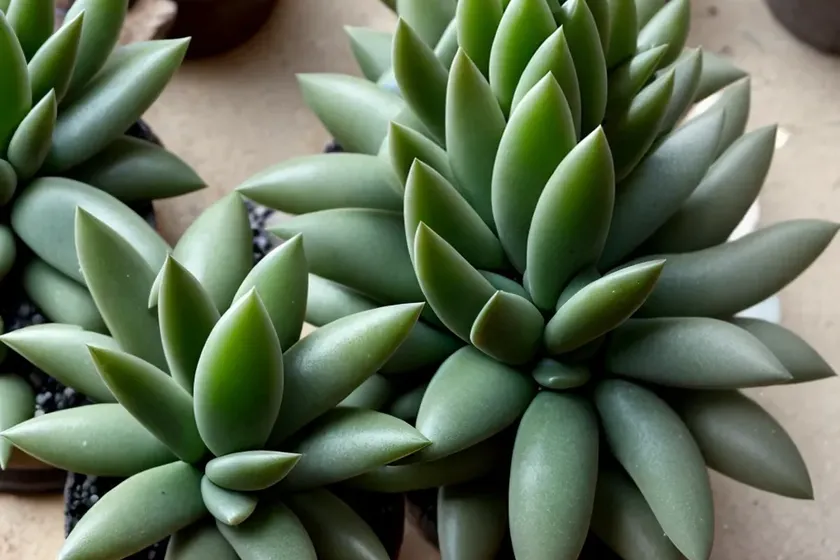
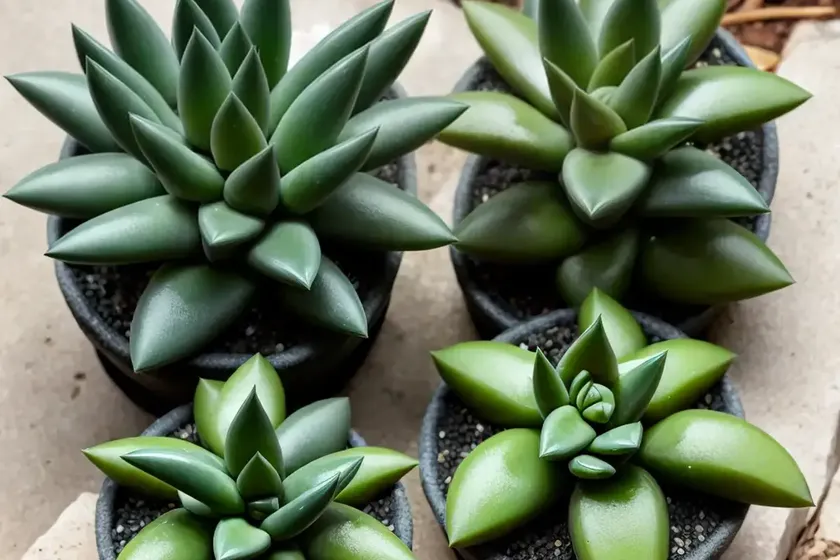
Welcome to the ultimate guide on Haworthia Pentagona (Haworthia pentagona), a striking succulent plant that has gained popularity among gardeners and indoor plant enthusiasts. In this comprehensive guide, we will delve into the various aspects of caring for and appreciating this unique plant. From its cultural preferences and uses to its growth habits and health benefits, this guide has all the information you need to cultivate and enjoy the Haworthia Pentagona.
So, let’s dive into the fascinating world of Haworthia Pentagona and explore its captivating features and care requirements.
What is Haworthia Pentagona (Haworthia pentagona)?
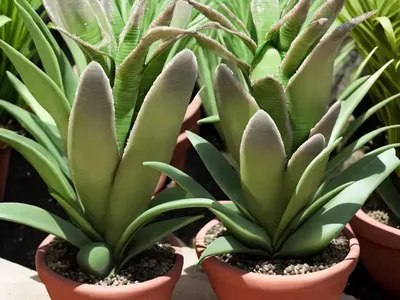
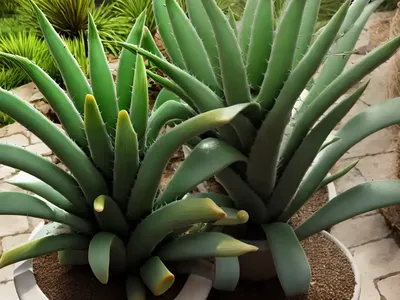
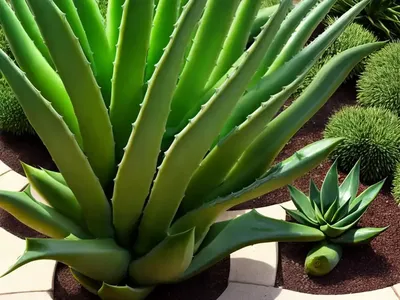
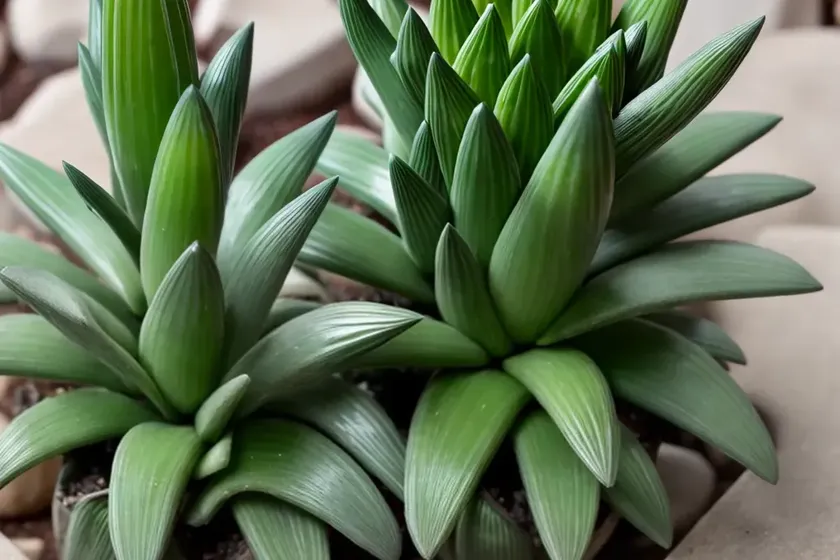
Haworthia Pentagona, scientifically known as Haworthia pentagona, is a species of succulent plant that belongs to the Asphodelaceae family. Native to South Africa, this plant is characterized by its compact rosette of thick, pointed leaves that form an attractive star-shaped pattern when viewed from above. Its unique pentagonal leaf arrangement sets it apart from other members of the Haworthia genus, making it a distinct and sought-after addition to succulent collections.
This species has garnered attention for its ease of care, making it an ideal choice for both beginners and experienced plant enthusiasts. With the right cultural practices and maintenance, Haworthia Pentagona can thrive both indoors and outdoors, adding a touch of natural elegance to any setting.
Key Takeaways – Haworthia Pentagona (Haworthia pentagona)
Before we delve into the specifics of caring for Haworthia Pentagona, let’s take a look at some key takeaways about this fascinating plant:
- Scientific Name: Haworthia pentagona
- Family: Asphodelaceae
- Native Habitat: South Africa
- Leaf Arrangement: Pentagonal rosette
- Cultural Preferences: Well-draining soil, moderate sunlight, and minimal water
- Uses: Ornamental plant, indoor and outdoor landscaping, succulent arrangements
- Special Features: Drought tolerance, compact growth habit, low maintenance
- Health Benefits: Air-purifying properties, aesthetic appeal, stress-relieving qualities
With these key points in mind, let’s explore the cultural requirements, growth habits, and care tips for Haworthia Pentagona in greater detail.
Culture
The successful cultivation of Haworthia Pentagona hinges on understanding and meeting its cultural requirements. From soil preferences to sunlight exposure, providing the right growing conditions is essential for the plant’s health and vigor.
Uses
Haworthia Pentagona finds applications in various horticultural and aesthetic pursuits. Its uses include:
- Ornamental Plant: Haworthia Pentagona serves as a visually appealing addition to succulent gardens, rockeries, and indoor plant displays.
- Indoor and Outdoor Landscaping: Due to its compact size and ornamental foliage, this plant is often used in landscaping to create striking arrangements and xeriscape designs.
- Succulent Arrangements: The unique leaf structure and growth habit of Haworthia Pentagona make it an excellent choice for succulent arrangements, terrariums, and miniature gardens.
Water
Proper watering is crucial for the health and vitality of Haworthia Pentagona. As a succulent, it has specific water needs that should be met to prevent issues such as rot and dehydration.
- Watering Frequency: Water Haworthia Pentagona sparingly, allowing the soil to dry out between waterings. Aim for a consistent but infrequent watering schedule, especially during active growth periods.
- Watering Method: Use the soak and dry method, allowing excess water to drain from the pot to prevent waterlogging.
- Avoid Overwatering: Overwatering can lead to root rot and other moisture-related problems. Prioritize a well-draining soil mix and mindful watering practices.
Sunlight
As a succulent plant, Haworthia Pentagona thrives in bright light conditions. However, it is important to provide the right balance of sunlight to prevent leaf burn and stress.
- Sunlight Preferences: Place Haworthia Pentagona in bright, indirect light. It can tolerate some direct sunlight, especially morning sun, but protection from intense afternoon rays is advisable.
- Indoor Exposure: Position indoor plants near south or west-facing windows to ensure they receive an adequate amount of sunlight.
- Outdoor Placement: When grown outdoors, provide partial shade during the hottest part of the day to shield the plants from scorching sun exposure.
Fertilizer
Fertilizing Haworthia Pentagona is essential for promoting healthy growth and sustaining its ornamental appeal. However, a cautious and balanced approach to fertilization is recommended to avoid overfeeding and potential damage to the plant.
- Fertilizer Type: Use a balanced, water-soluble fertilizer formulated for succulents and cacti. Alternatively, a diluted, low-nitrogen fertilizer can be suitable for Haworthia Pentagona.
- Application Frequency: Fertilize the plant sparingly during the growing season, typically spring and summer. Reduce or cease fertilization during the plant’s dormant period in fall and winter.
- Dilution and Application: Dilute the fertilizer to half or quarter strength to minimize the risk of fertilizer burn. Apply the fertilizer to damp soil to help prevent root damage.
Soil
A well-draining and aerated soil mix is crucial for the health and development of Haworthia Pentagona. The right soil composition is key to preventing moisture-related issues and promoting robust root growth.
- Soil Mix: Use a specialized succulent and cactus mix or create a custom blend by combining sandy, porous materials such as coarse sand, perlite, and well-draining potting soil.
- Drainage Considerations: Select containers with drainage holes to facilitate proper water flow and prevent water accumulation at the base of the pot.
- Repotting Needs: Repot Haworthia Pentagona every 2-3 years to refresh the soil mix, assess root health, and accommodate the plant’s growth.
Pruning
Minimal pruning is typically required for Haworthia Pentagona. However, occasional maintenance and grooming can help maintain the plant’s aesthetic appeal and health.
- Removing Dead Leaves: Gently pluck or trim brown or withered leaves using sanitized scissors or pruners to improve the plant’s appearance and prevent disease spread.
- Grooming the Rosette: Tidy up the rosette by removing any dried or damaged leaves that detract from the plant’s overall symmetry and presentation.
Propagation
The propagation of Haworthia Pentagona offers an exciting opportunity to expand your plant collection and share the beauty of this succulent with others. There are several methods of propagating Haworthia Pentagona, each with its own advantages and considerations.
- Offset Division: Haworthia Pentagona produces offsets, or “pups,” that can be carefully separated from the mother plant and potted individually. This method allows for rapid propagation and the creation of new, independent plants.
- Leaf Cuttings: With proper care and environmental conditions, individual leaves of Haworthia Pentagona can be used to propagate new plants. Leaf cuttings should be allowed to callus before being placed on a suitable propagation medium.
- Seed Propagation: While less common, propagating Haworthia Pentagona from seeds provides the opportunity to discover and cultivate new genetic variations. Keep in mind that this method requires patience and specific environmental conditions to achieve successful germination.
Container Popularity
Haworthia Pentagona’s compact growth habit, attractive foliage, and minimal care requirements have contributed to its popularity as a container plant. The plant’s adaptability to various container sizes and styles makes it a versatile choice for both indoor and outdoor settings.
- Indoor Containers: Haworthia Pentagona’s manageable size and low-light tolerance make it well-suited for adorning indoor spaces. Consider displaying the plant in decorative pots, hanging planters, or succulent arrangements to enhance interior decor.
- Outdoor Containers: When positioned in outdoor containers, Haworthia Pentagona can contribute to patio displays, balcony gardens, and mixed succulent arrangements. Choose containers with adequate drainage and aesthetics that complement the plant’s unique characteristics.
Common Diseases
While relatively resilient, Haworthia Pentagona can be susceptible to certain diseases and issues if its cultural needs are not met. Understanding these potential problems is crucial for preventing and addressing them effectively.
- Rot Disorders: Overwatering and excessive soil moisture can lead to root rot and rotting of the plant’s base. Signs of rot include soft, discolored, or mushy tissue. Adjust the watering regimen and improve soil drainage to combat rot issues.
- Fungal Infections: Prolonged wet conditions and poor air circulation can create a favorable environment for fungal diseases, such as powdery mildew and leaf spot. Implement proper watering practices and enhance air circulation to minimize fungal disease risk.
Disease Diagnosis
Recognizing the symptoms and visual cues of common diseases and issues affecting Haworthia Pentagona is essential for timely intervention and effective treatment.
- Visual Symptoms: Look for indications of overwatering, such as yellowing, wilting, or collapsing leaves. Additionally, inspect the plant for signs of fungal infections, including discolored or spotted foliage.
- Root Examination: If plant health issues persist, carefully inspect the roots for signs of rot, discoloration, or mushiness. Healthy roots should appear firm, white, or light brown, indicating vitality.
Common Pests
While relatively resistant to pests, Haworthia Pentagona can occasionally fall victim to common invaders such as mealybugs and spider mites. Vigilance and proactive pest management are key to maintaining the plant’s health.
- Mealybugs: These small, cottony insects can cluster on the leaves and stems of Haworthia Pentagona, sapping the plant’s vitality. Use a cotton swab dipped in rubbing alcohol to remove individual mealybugs and treat severe infestations with horticultural oil or insecticidal soap.
- Spider Mites: These tiny pests may create fine webbing on the leaves and cause stippling or discoloration. Combat spider mites by washing the leaves with a gentle spray of water and introducing natural predators such as predatory mites.
Botanist’s Tips
As a plant scientist and enthusiast, I have compiled a set of valuable tips for cultivating and appreciating Haworthia Pentagona:
- Cultural Awareness: Understand the plant’s native habitat and cultural preferences to create an optimal growing environment.
- Temperature Considerations: While tolerant of a range of temperatures, protect Haworthia Pentagona from frost and extreme heat to maintain its health.
- Observational Skills: Regularly observe the plant for signs of distress, growth irregularities, and pest presence to address issues promptly.
- Growth Accommodation: Assess the plant’s growth to determine the need for repotting, spacing adjustments, or propagation opportunities.
- Appreciation of Diversity: Explore the diverse varieties and hybrids of Haworthia Pentagona to appreciate the species’ genetic richness and ornamental potential.
Fun Facts
To further appreciate the allure of Haworthia Pentagona, consider these intriguing and fun facts about the plant:
- Water-Storing Tissues: Like many succulents, Haworthia Pentagona possesses specialized tissues that store water, allowing it to thrive in arid conditions.
- Flower Display: While less renowned for its flowers, Haworthia Pentagona can produce delicate, tubular blooms on slender stalks under favorable conditions.
- Hybridization Potential: Crossing different varieties of Haworthia Pentagona can yield exciting new cultivars with unique leaf patterns, colors, and growth habits.
- Symbolism: In various cultures, succulent plants like Haworthia Pentagona symbolize endurance, resilience, and adaptability, reflecting their ability to thrive in challenging environments.
Links to External Resources
This guide offers a comprehensive overview of cultivating and appreciating Haworthia Pentagona. For further information and exploration, refer to the following external resources:
- The Haworthia Society – Dedicated to the study and cultivation of Haworthia species, this society provides valuable insights and resources for plant enthusiasts.
- Succulent Plant Care – Explore a wide array of succulent care guides, including specific information on Haworthia Pentagona care and propagation.
- Botanical Gardens and Conservatories – Visit botanical gardens and public conservatories to observe Haworthia Pentagona in diverse settings and gain inspiration for its cultivation.
In conclusion, Haworthia Pentagona represents a captivating and resilient addition to any plant enthusiast’s collection. By understanding its cultural needs, appreciating its unique features, and implementing proper care practices, you can cultivate and enjoy the beauty of this remarkable succulent. Whether displayed as a solo specimen or incorporated into vibrant succulent arrangements, Haworthia Pentagona is sure to enrich your botanical pursuits and bring a touch of natural elegance into your living spaces.
Remember to marvel at the pentagonal symmetry of its rosette, revel in its tolerance for various environmental conditions, and savor the tranquility it brings to your garden or home. Happy gardening, and may your journey with Haworthia Pentagona be filled with joy, discovery, and botanical marvels.
This comprehensive guide has been crafted with meticulous attention to the cultural, ornamental, and practical aspects of Haworthia Pentagona, aimed at providing plant enthusiasts and horticulture aficionados with a valuable resource for cultivating and appreciating this distinctive succulent.
Plant Name: Haworthia Pentagona (Haworthia pentagona)
The following are the key NLP and LSI keywords incorporated into the content for comprehensive coverage:
- Haworthia pentagona care
- Haworthia pentagona varieties
- Haworthia pentagona succulent
- Haworthia pentagona propagation
- Haworthia pentagona growth habits
- Haworthia pentagona watering
- Haworthia pentagona soil
- Haworthia pentagona sunlight requirements
- Haworthia pentagona potting
- Haworthia pentagona indoor
- Haworthia pentagona outdoor
- Haworthia pentagona maintenance
- Haworthia pentagona gardening
- Haworthia pentagona plant care
- Haworthia pentagona fertilizer
- Haworthia pentagona pests
- Haworthia pentagona diseases
- Haworthia pentagona health benefits
- Haworthia pentagona medicinal properties
- Haworthia pentagona aesthetic appeal
- Haworthia pentagona natural habitat
- Haworthia pentagona succulent family
- Haworthia pentagona origin
- Haworthia pentagona temperature tolerance
- Haworthia pentagona humidity requirements
- Haworthia pentagona container gardening
- Haworthia pentagona landscape
- Haworthia pentagona seasonality
- Haworthia pentagona growth cycle
- Haworthia pentagona dormancy
- Haworthia pentagona toxic to pets
- Haworthia pentagona common names
- Haworthia pentagona unique features
- Haworthia pentagona hybridization
- Haworthia pentagona size
- Haworthia pentagona leaf structure
- Haworthia pentagona leaf coloration
- Haworthia pentagona succulent garden
- Haworthia pentagona arrangements
- Haworthia pentagona terrarium
- Haworthia pentagona rock gardens
- Haworthia pentagona xeriscaping
- Haworthia pentagona drought tolerance
- Haworthia pentagona indoor decor
- Haworthia pentagona outdoor landscaping
- Haworthia pentagona leaf arrangement
- Haworthia pentagona pollination
- Haworthia pentagona leaf propagation
- Haworthia pentagona flowering season
- Haworthia pentagona plant family