Hatiora Rosea (Schlumbergera Rosea)
Welcome to the wonderful world of Hatiora Rosea, also known as Schlumbergera Rosea. These fascinating plants have captured the hearts of many plant.
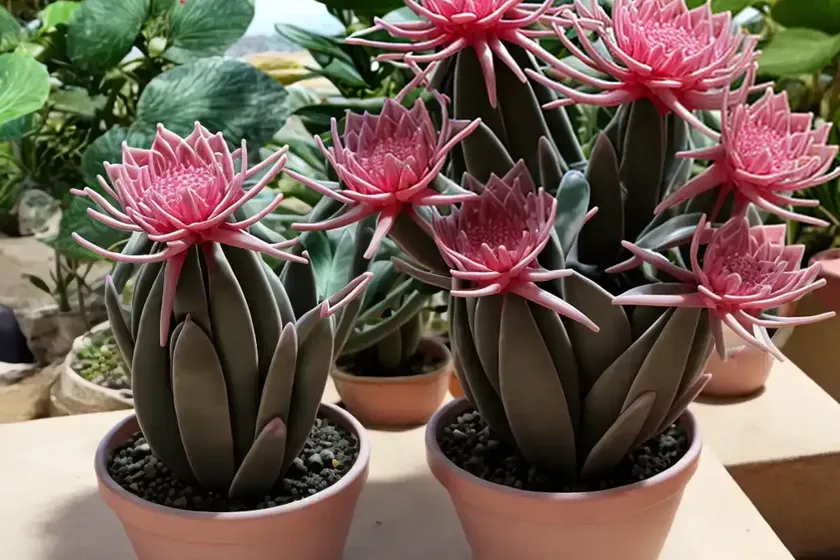
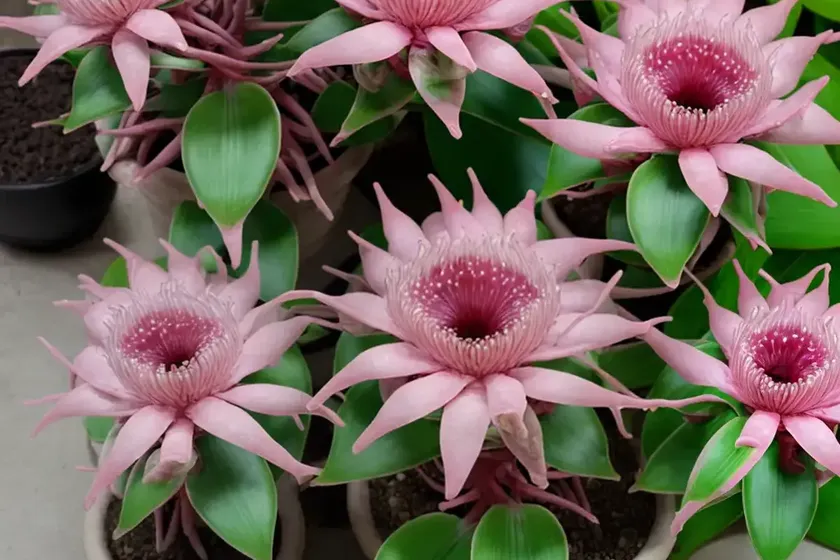
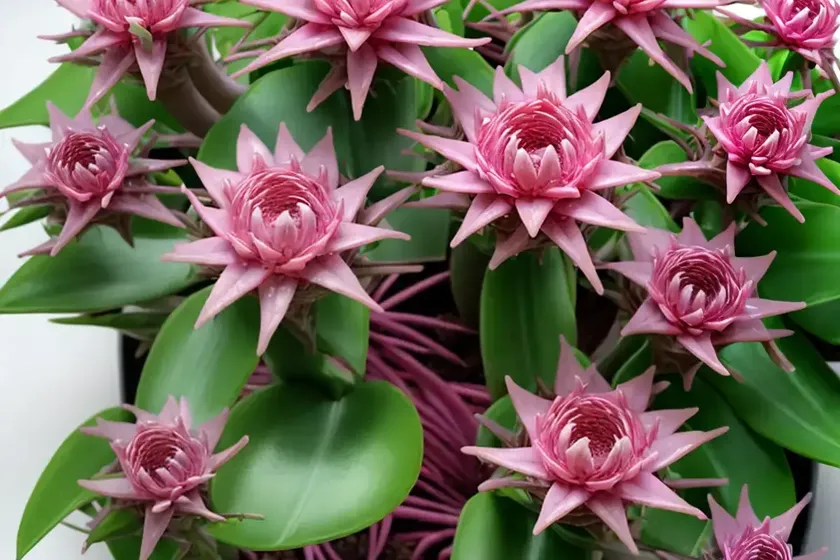
Welcome to the wonderful world of Hatiora Rosea, also known as Schlumbergera Rosea. These fascinating plants have captured the hearts of many plant enthusiasts with their unique aesthetics and relatively easy care requirements. In this comprehensive guide, we will explore everything you need to know about the Hatiora Rosea plant, from its cultural significance to its growth requirements, and most importantly, how to care for it to ensure it thrives in your home or garden.
What is Hatiora Rosea (Schlumbergera Rosea)?
Hatiora Rosea, also known as Schlumbergera Rosea, is a species of flowering cactus native to the coastal mountains of southeastern Brazil. It belongs to the Cactaceae family and is closely related to the popular Christmas Cactus (Schlumbergera bridgesii). Hatiora Rosea is often cultivated for its striking pink or red flowers, which typically bloom in the late winter to early spring, adding a beautiful splash of color to indoor spaces.
Key Takeaways
Before we delve into the specifics of caring for Hatiora Rosea, let’s first outline some key takeaways about this intriguing plant:
- Botanical Name: Hatiora rosea (Syn. Schlumbergera rosea)
- Family: Cactaceae
- Common Names: Easter Cactus, Whitsun Cactus
- Native Habitat: Coastal mountains of southeastern Brazil
- Flowering Season: Late winter to early spring
- Flower Colors: Pink, red
Now that we have a fundamental understanding of the Hatiora Rosea plant, let’s explore its cultural significance and the various ways it can be used to enhance our living spaces.
Culture
Uses
Hatiora Rosea holds cultural significance in various parts of the world. It is often cultivated and displayed as a decorative plant, particularly during the Easter and Whitsun seasons. Its vibrant flowers and unique growth habit make it a popular choice for indoor and patio gardens, where it can brighten up living spaces with its colorful blooms.
Water
Proper watering is crucial for the health of Hatiora Rosea. During the growing season, which typically spans from spring to early autumn, it’s important to keep the soil consistently moist but not waterlogged. As winter approaches, reduce watering to allow the plant to enter a period of dormancy. This drier phase mimics the plant’s natural habitat and encourages the development of flower buds.
Sunlight
Hatiora Rosea thrives in bright, indirect light. In its native environment, it grows under the canopy of taller trees, receiving dappled sunlight. When grown indoors, place it near a window where it can receive ample natural light without being exposed to direct sunlight for extended periods.
Fertilizer
To promote healthy growth and abundant flowering, feeding Hatiora Rosea with a balanced, water-soluble fertilizer during the active growing season can be beneficial. Opt for a fertilizer specifically formulated for cacti and succulents and follow the recommended dilution and application frequency on the product label.
Soil
The right soil mix is essential for Hatiora Rosea to thrive. A well-draining, slightly acidic soil mix that is rich in organic matter is ideal. Commercial cactus or succulent potting mixes are readily available and can provide the proper growing medium for your Hatiora Rosea plant.
Pruning
Pruning requirements for Hatiora Rosea are minimal. Remove any dead or withered segments to maintain the plant’s overall health and appearance. Additionally, pruning can help to shape the plant and encourage bushier growth.
Propagation
The propagation of Hatiora Rosea can be achieved through several methods, including stem cuttings and division.
-
Stem Cuttings: During the active growing season, take healthy stem segments from the plant and allow the cut ends to callus for a day or two. Plant the cuttings in a suitable potting mix and keep the soil consistently moist until new roots develop.
-
Division: When repotting mature Hatiora Rosea plants, you can carefully divide the root ball into smaller sections, each with its own stem segments. Ensure that each division has sufficient roots and plant them in individual containers with appropriate soil.
Container Popularity
The unique appearance and colorful blooms of Hatiora Rosea make it a popular choice for container gardening. Its compact growth habit and relatively slow growth rate make it well-suited for small to medium-sized containers, where it can be prominently displayed as a decorative accent.
Common Diseases
Like many plants, Hatiora Rosea is susceptible to certain diseases and pests. Common diseases that may affect Hatiora Rosea include:
-
Root Rot: This can occur if the plant is consistently overwatered or if the soil does not provide adequate drainage.
-
Fungal Infections: If the plant is exposed to prolonged periods of high humidity or is subjected to overwatering, it may develop fungal diseases such as powdery mildew or botrytis.
Proper care practices, including mindful watering and ensuring adequate air circulation, can help prevent these diseases from affecting your Hatiora Rosea plant.
Disease Diagnosis
Diagnosing plant diseases can be challenging, but there are some key signs to look out for when assessing the health of your Hatiora Rosea:
-
Yellowing or Wilted Leaves: This may indicate overwatering, nutrient deficiencies, or root rot.
-
White Powdery Residue: This could be a sign of powdery mildew, a common fungal disease in plants.
-
Dark Spots or Lesions: These dark areas on the stems or leaves may indicate a fungal infection such as botrytis.
If you notice any of these symptoms, it’s important to promptly address the underlying issue to prevent further damage to your plant.
Common Pests
While Hatiora Rosea is relatively resistant to pests, it may occasionally be affected by common houseplant pests such as:
-
Spider Mites: These tiny pests can cause stippling and webbing on the leaves, leading to poor plant health.
-
Mealybugs: Mealybugs can cluster in the leaf axils and on the stems, feeding on the plant sap and potentially spreading to other nearby plants.
Regularly inspect your Hatiora Rosea for signs of pest activity, and if necessary, treat the plant with appropriate pest control measures to prevent the infestation from spreading.
Botanist’s Tips
Here are some valuable tips from botanists and experienced plant enthusiasts for caring for Hatiora Rosea:
-
Consistent Moisture: Maintain a consistent watering schedule, allowing the soil to partially dry out between waterings to prevent overwatering.
-
Indirect Light: Position the plant in a location where it can receive bright, indirect light to support healthy growth and flowering.
-
Proper Drainage: Ensure that the container has adequate drainage holes to prevent water from accumulating around the roots.
-
Regular Inspection: Periodically inspect the plant for any signs of disease or pest infestations and take action promptly if needed.
Fun Facts
To add to your appreciation of Hatiora Rosea, here are a few fun and fascinating facts about this enchanting plant:
- The flowers of Hatiora Rosea are reminiscent of dainty, colorful bells that adorn the stems, adding a touch of elegance to its appearance.
- In its native habitat, Hatiora Rosea typically grows as an epiphyte, anchoring itself to trees or rocks and absorbing moisture and nutrients from the air and rain.
- Hatiora Rosea is often referred to as the Easter Cactus, as it commonly blooms around the Easter season, adding a special charm to holiday decorations.
Now that we’ve gained a deeper understanding of the Hatiora Rosea plant, it’s time to explore some additional resources to further enrich our knowledge and appreciation for this captivating species.
Links to External Resources
For those interested in delving deeper into the world of Hatiora Rosea, the following external resources offer valuable insights and knowledge:
- Royal Horticultural Society: Cacti and Succulents – The Royal Horticultural Society provides detailed information on cacti and succulents, including care tips and cultivation advice.
- University of Florida IFAS Extension: Growing Cacti and Succulents – The University of Florida IFAS Extension offers guidance on growing cacti and succulents, including information on propagation and pest management.
- The Spruce: How to Grow and Care for Holiday Cactus – The Spruce provides practical tips for growing and caring for holiday cacti, including the Hatiora Rosea species.
By exploring these resources, you can gain valuable insights and techniques to ensure the successful cultivation and care of your Hatiora Rosea plant. The world of plant science is rich with fascinating discoveries and endless opportunities to deepen our understanding of the natural world around us. I hope that this guide has sparked a newfound appreciation for Hatiora Rosea and inspires you to embark on a rewarding journey of caring for these captivating plants.
Remember, the joy of nurturing and observing the growth of a plant is a deeply rewarding experience that connects us to the beauty and resilience of nature. Whether you’re a seasoned plant enthusiast or just beginning your botanical adventure, the world of Hatiora Rosea awaits with its stunning blooms and intriguing cultural significance.
Happy planting!