Grumichama (Eugenia Brasiliensis)
Grumichama (Eugenia Brasiliensis) is a fascinating plant with a rich cultural history and valuable uses. As a plant scientist, I have conducted extensive.
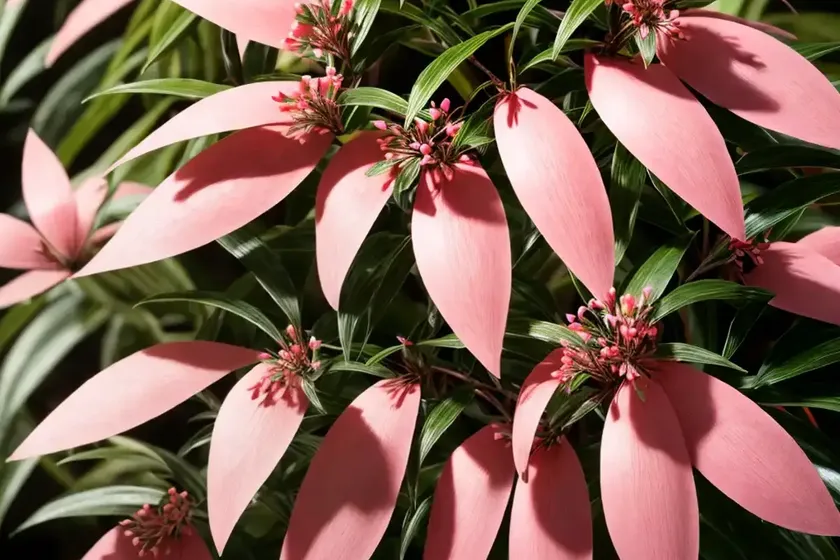
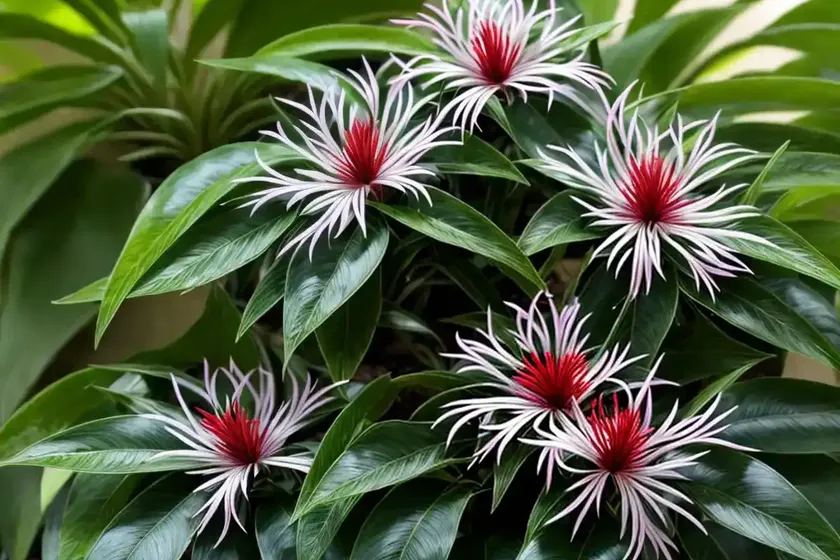
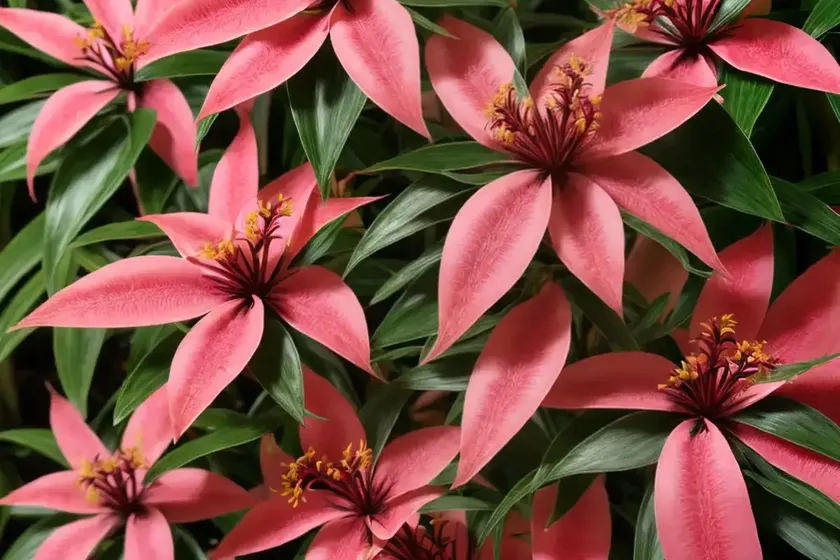
Grumichama (Eugenia Brasiliensis) is a fascinating plant with a rich cultural history and valuable uses. As a plant scientist, I have conducted extensive research on the cultivation, care, and ecological significance of this plant. In this comprehensive guide, I will explore the various aspects of Grumichama, including its culture, uses, maintenance requirements, common diseases, and much more. Whether you are a seasoned gardener or an enthusiastic beginner, this guide will equip you with the knowledge and skills to cultivate and care for Grumichama successfully.
1. What is Grumichama (Eugenia Brasiliensis)?
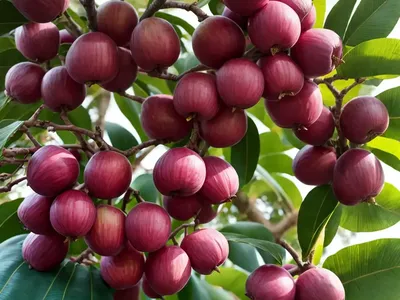
Grumichama, scientifically known as Eugenia Brasiliensis, is a species of flowering plant in the family Myrtaceae. It is native to Brazil and is commonly found in the Atlantic rainforest region. The plant is known for its glossy, dark-green foliage and its small, round, dark-purple fruits, which are edible and have a sweet, cherry-like flavor. Grumichama is highly valued for its ornamental, culinary, and medicinal purposes, making it a versatile and sought-after plant for gardeners and horticulturists. The plant’s scientific name, Eugenia Brasiliensis, is derived from its genus Eugenia and its native region of Brazil.
2. Key Takeaways – Grumichama (Eugenia Brasiliensis)
As a plant scientist specializing in Grumichama, I have identified several key takeaways that capture the essential aspects of this plant’s cultivation, care, and ecological characteristics. These key takeaways serve as a foundation for understanding and appreciating the unique attributes of Grumichama, ensuring its successful cultivation and maintenance in various settings. The following sections will delve deeper into each of these key takeaways, providing comprehensive insights and practical tips for enthusiasts and professionals alike.
Key Takeaways Summary
- Culture: Understanding the cultural significance of Grumichama and its traditional uses.
- Uses: Exploring the multifaceted uses of Grumichama, including culinary and medicinal applications.
- Water: Identifying the optimal watering requirements for Grumichama to promote healthy growth and fruiting.
- Sunlight: Determining the ideal sunlight exposure for Grumichama to thrive in different environmental conditions.
- Fertilizer: Implementing effective fertilization strategies to support the nutrient needs of Grumichama.
- Soil: Assessing the soil preferences of Grumichama and optimizing soil conditions for vigorous growth.
- Pruning: Employing appropriate pruning techniques to enhance the structural integrity and productivity of Grumichama.
- Propagation: Exploring various methods for propagating Grumichama, from seeds to cuttings.
- Container Popularity: Evaluating the potential for growing Grumichama in containers and its popularity as a container plant.
- Container Common Diseases: Identifying common diseases and effective disease management strategies for container-grown Grumichama.
- Disease diagnosis: Recognizing symptoms of diseases and diagnosing potential health issues in Grumichama.
- Common pests: Understanding the common pests that affect Grumichama and implementing pest control measures.
- Botanist’s tips: Gaining valuable insights and tips from professional botanists for successful Grumichama care.
- Fun facts: Exploring interesting and lesser-known facts about Grumichama that illuminate its unique characteristics and history.
The following sections will delve into each of these key takeaways in detail, providing comprehensive guidance for cultivating, caring for, and appreciating Grumichama.
3. Culture
The cultural significance of Grumichama spans across the regions where it is native, such as Brazil, and extends to other parts of the world where it has been introduced. The plant holds traditional value in various indigenous cultures, often being used for its culinary, medicinal, and ornamental properties.
Traditional Uses
In Brazil, Grumichama has been historically utilized in traditional cuisine, with its fruits being incorporated into jams, jellies, beverages, and desserts. The sweet and tangy flavor of the fruits makes them a popular ingredient in local delicacies, and the plant holds a cherished place in Brazilian gastronomy.
Additionally, various parts of the Grumichama plant, including its leaves and bark, have been employed in traditional medicine for their purported therapeutic properties. Extracts and infusions derived from the plant have been used to address digestive issues, inflammation, and other ailments in indigenous healing practices.
Moreover, Grumichama’s ornamental value is evident in landscaping and horticultural practices, where the plant is admired for its evergreen foliage and attractive, dark-purple fruits. As a result, the plant has been cultivated in gardens, parks, and urban green spaces, contributing to the aesthetic appeal of diverse landscapes.
4. Uses
Grumichama offers a wide array of uses, ranging from culinary applications to medicinal benefits, making it a valuable plant with multifaceted attributes. Understanding the various uses of Grumichama is essential for appreciating its significance and potential contributions to health, nutrition, and the overall quality of life.
Culinary Uses
The most notable use of Grumichama is in its culinary applications, where the fruits serve as a versatile ingredient in diverse recipes. The sweet and slightly tart flavor of the fruits makes them suitable for preparing jams, preserves, and syrups, adding a unique twist to traditional and contemporary culinary creations. Additionally, Grumichama fruits are enjoyed fresh and are often used in desserts, fruit salads, and smoothies, providing a delightful burst of flavor and nutritional benefits.
Medicinal Benefits
In traditional medicine, Grumichama has been recognized for its potential medicinal properties, particularly in addressing digestive disorders and inflammatory conditions. The plant’s leaves and bark contain bioactive compounds that have been attributed with anti-inflammatory and antioxidant properties, making them valuable in natural healing remedies. While further scientific research is needed to validate these traditional uses, the historical and cultural significance of Grumichama in indigenous medicine underscores its potential as a source of beneficial phytochemicals.
Ornamental Value
Grumichama’s ornamental value extends to its aesthetic appeal in landscaping and horticulture, where the plant serves as a visually striking addition to gardens, parks, and urban green spaces. The glossy, dark-green foliage and the deep-purple fruits create a captivating contrast, enhancing the visual interest of outdoor environments. Furthermore, the seasonal flowering of Grumichama adds to its ornamental allure, attracting pollinators and providing a spectacle of natural beauty.
5. Water
Understanding the watering requirements of Grumichama is crucial for maintaining optimal soil moisture levels and promoting healthy growth and fruit production. While Grumichama exhibits some tolerance to drought conditions, consistent and adequate watering is essential, especially during critical growth stages and fruit development.
Watering Guidelines
-
Establishment Phase: Newly planted Grumichama trees require regular watering to support root establishment and minimize transplant stress. Provide sufficient water to ensure the soil around the root ball remains consistently moist but not waterlogged. A slow, deep watering regimen is preferable to encourage deep root penetration and resilience to drought.
-
Mature Trees: Once established, mature Grumichama trees benefit from a balanced watering schedule that aligns with natural precipitation patterns. During prolonged dry periods or droughts, additional irrigation may be necessary to prevent water stress and maintain fruit quality. Monitor soil moisture levels and adjust watering frequency accordingly to prevent both waterlogged and excessively dry conditions.
-
Fruiting Stage: Adequate water supply is critical during the fruiting stage to support fruit development and prevent premature fruit drop. Consistent moisture availability contributes to fruit size, quality, and sweetness, promoting a bountiful harvest of Grumichama fruits.
-
Container-Grown Grumichama: For Grumichama cultivated in containers, regular monitoring of soil moisture is essential, as container-grown plants are more susceptible to fluctuations in moisture levels. Avoid waterlogging the soil and ensure proper drainage to prevent root rot while providing adequate hydration for healthy growth.
By adhering to these watering guidelines and adjusting irrigation practices based on specific environmental conditions, gardeners can effectively manage the water needs of Grumichama, ensuring its sustained health and productivity.
6. Sunlight
Grumichama’s sunlight requirements play a pivotal role in determining its growth, fruiting potential, and overall vigor. Understanding the plant’s sunlight needs allows gardeners to select suitable planting locations and provide optimal light exposure for healthy Grumichama development.
Sunlight Exposure
-
Full Sun: Grumichama thrives in full sun conditions, benefiting from at least 6-8 hours of direct sunlight per day. Adequate sun exposure enhances photosynthesis, promotes fruit ripening, and contributes to the plant’s overall vitality. When selecting a planting site, prioritize locations with ample sunlight to maximize the growth and productivity of Grumichama trees.
-
Partial Shade: While Grumichama prefers full sun, it can tolerate partial shade, especially in regions with intense midday sun or high temperatures. Providing some protection from intense afternoon sun may be beneficial in certain climates, preventing leaf scorch and reducing water stress during hot periods.
-
Indoor Cultivation: For indoor cultivation, Grumichama requires bright, indirect light to mimic its natural sunlight requirements. Position potted Grumichama plants near south-facing windows or under grow lights to ensure they receive adequate illumination for healthy growth. Regularly rotate indoor plants to promote even light exposure and balanced growth.
By assessing the sunlight conditions in their specific growing environments and making suitable adjustments, gardeners can optimize the light availability for Grumichama, fostering robust foliage and abundant fruit production.
7. Fertilizer
Applying appropriate fertilization methods is essential for supplying Grumichama with essential nutrients, promoting vigorous growth, and enhancing fruiting capacity. By implementing targeted fertilization strategies, gardeners can support the long-term health and productivity of Grumichama trees.
Fertilization Tips
-
Balanced Fertilizer: Utilize a balanced, slow-release fertilizer with a formulation such as 10-10-10 or 8-8-8 to provide a comprehensive mix of essential nutrients. Apply the fertilizer evenly around the drip line of the tree, avoiding direct contact with the trunk, and water it in thoroughly to facilitate nutrient absorption.
-
Timing: Administer fertilizer to Grumichama trees in early spring, just before the onset of new growth, to coincide with the plant’s heightened nutrient requirements. Supplemental applications can be made during the growing season if leaf discoloration or stunted growth indicates nutrient deficiencies.
-
Organic Amendments: Incorporating organic amendments, such as compost, well-rotted manure, or organic mulch, around Grumichama trees can enrich the soil and supply a gradual release of nutrients. Organic matter enhances soil structure and fertility, fostering a healthy root environment and sustaining long-term nutrient availability.
-
Microbial Inoculants: Consider incorporating beneficial microbial inoculants, such as mycorrhizal fungi, into the soil to enhance nutrient uptake and improve the root-soil interface. Mycorrhizal associations can boost the plant’s resilience and nutrient acquisition, contributing to its overall vitality.
By adhering to these fertilization tips and closely monitoring the nutrient status of Grumichama trees, gardeners can ensure that the plants receive adequate nourishment for robust growth, flowering, and fruiting.
8. Soil
Understanding the soil preferences of Grumichama is essential for creating an optimal growing environment that supports the plant’s root development, nutrient uptake, and overall well-being. By evaluating soil characteristics and making suitable enhancements, gardeners can maximize the growth potential and productivity of Grumichama in diverse settings.
Soil Preferences
-
Well-Drained Soil: Grumichama thrives in well-drained, loamy soil with a slightly acidic to neutral pH range (pH 5.5-6.5). Avoid waterlogged or compacted soil, as it can impede root respiration and lead to moisture-related issues, such as root rot and nutrient imbalances.
-
Soil Amendment: Incorporate organic matter, such as compost or well-rotted manure, into the planting area to improve soil structure and fertility. Organic amendments enhance moisture retention, promote beneficial microbial activity, and contribute to the long-term health of Grumichama trees.
-
Mulching: Apply a layer of organic mulch, such as wood chips or bark mulch, around the base of Grumichama trees to conserve soil moisture, suppress weed growth, and moderate soil temperature. Mulching helps create a favorable microclimate for root development and mitigates fluctuations in soil moisture.
-
Soil pH Management: Conduct soil tests periodically to monitor the pH levels and adjust them as needed to maintain an optimal growing environment for Grumichama. If the soil pH deviates from the recommended range, amend it with suitable materials to align with the plant’s preferences.
By addressing these soil preferences and implementing soil management practices tailored to Grumichama’s requirements, gardeners can establish a favorable growing substrate that supports healthy root development and overall plant resilience.
9. Pruning
Employing appropriate pruning techniques is essential for shaping the structure of Grumichama trees, promoting airflow, and enhancing fruiting capacity. By mastering the art of pruning, gardeners can optimize the health and productivity of Grumichama while maintaining its aesthetic appeal.
Pruning Guidelines
-
Structural Pruning: Conduct structural pruning during the dormant season to remove damaged, crossing, or excessively vigorous branches. Pruning during dormancy minimizes stress on the tree and allows for clear visibility of the branch framework.
-
Thinning: Thin out congested or overcrowded branches to improve light penetration, air circulation, and overall canopy balance. Pruning out inward-growing or weak branches helps redirect the plant’s energy towards fruit production and enhances the quality of the remaining fruits.
-
Height Management: Control the height of Grumichama trees through selective pruning, ensuring that the canopy remains within manageable proportions for maintenance and harvesting. Encourage lateral branching and a balanced canopy structure to maximize fruiting potential in the upper and outer portions of the tree.
-
Pruning Tools: Utilize sharp, sterilized pruning tools, such as hand pruners or loppers, to make clean cuts and minimize the risk of disease transmission. Sanitize the pruning equipment between cuts, especially when dealing with potentially diseased wood, to prevent the spread of pathogens.
By following these pruning guidelines and adapting the approach to suit the specific growth habits and form of Grumichama trees, gardeners can shape and maintain the plants for optimal health, productivity, and visual appeal.
10. Propagation
Understanding the various methods for propagating Grumichama is crucial for expanding the plant’s population, preserving unique cultivars, and ensuring genetic diversity. Gardeners and horticulturists can utilize several propagation techniques to propagate Grumichama successfully, each with its unique advantages and considerations.
Propagation Methods
-
Seed Propagation: Grumichama seeds can be collected from ripe fruits and sown in well-drained, fertile potting mix. Germination may take several weeks to months, and the resulting seedlings can be transplanted once they have developed sturdy root systems. Select seeds from healthy, high-quality fruits to ensure viable and genetically diverse progeny.
-
Cutting Propagation: Semi-hardwood cuttings from healthy, disease-free Grumichama trees can be utilized for vegetative propagation. Prepare the cuttings with a sharp, sanitized tool, treat the base with a rooting hormone, and place them in a propagation medium with high humidity and warmth to facilitate root formation.
-
Air Layering: Air layering is a technique used to propagate Grumichama by creating a rooting site on a selected branch while it is still attached to the parent tree. Enclose the prepared rooting area with a moist, rooting medium and secure it with a plastic wrapping to promote root development. Once sufficient roots have formed, the propagated section can be severed and potted as a new plant.
-
Grafting: Grafting onto rootstocks of compatible Eugenia species can be employed to propagate Grumichama and preserve specific traits or cultivars. Grafting allows for the precise reproduction of desired genetic characteristics and can accelerate the production of fruit-bearing plants.
By exploring these propagation methods and selecting the most suitable approach based on the available resources and expertise, gardeners can propagate Grumichama effectively, contributing to the conservation and expansion of this valuable plant species.
11. Container Popularity
The popularity of growing Grumichama in containers has been steadily increasing, driven by its compact growth habit, ornamental appeal, and the feasibility of cultivation in diverse environments. Grumichama’s suitability for container gardening makes it an attractive option for urban and space-limited settings, providing an opportunity for enthusiasts to enjoy its visual and culinary benefits.
Advantages of Container Cultivation
-
Space Efficiency: Grumichama’s compact growth habit and manageable size make it well-suited for container cultivation on patios, balconies, and small gardens. Container-grown Grumichama can thrive in limited spaces, allowing gardeners to maximize their growing area and integrate the plant into urban and suburban landscapes.
-
Portability: Containers offer the flexibility to move Grumichama plants to optimal sunlight locations, shelter them from inclement weather, or adjust their positioning based on seasonal requirements. This portability allows for customized care and placement, ensuring that the plants receive ideal growing conditions throughout the year.
-
Microclimate Control: Containers enable gardeners to create microclimates conducive to Grumichama’s growth, particularly in regions with challenging environmental conditions. By selecting appropriate container sizes and materials, gardeners can regulate soil moisture, insulation, and drainage, optimizing the plant’s health and productivity.
-
Decorative Value: Grumichama’s aesthetic appeal, highlighted by its glossy foliage and colorful fruits, makes it a visually captivating addition to container gardens and outdoor living spaces. The ornamental value of the plant enhances the overall ambiance and creates an attractive focal point in urban greenery.
Considering these advantages, container cultivation has become an increasingly popular method for growing Grumichama, offering a practical and rewarding approach for enthusiasts to enjoy the plant’s beauty and bounty.
12. Container Common Diseases
Containerized Grumichama plants are susceptible to certain diseases and health issues that can affect their growth and productivity. Understanding these common diseases and their management is crucial for maintaining the vitality and resilience of Grumichama in container settings.
Common Diseases in Container-Grown Grumichama
-
Root Rot: Prolonged waterlogging and poor soil drainage can lead to root rot in containerized Grumichama plants. Symptoms include wilting, yellowing foliage, and a decline in overall vigor. To prevent root rot, ensure well-drained potting mix and proper moisture management, and refrain from overwatering.
-
Powdery Mildew: Powdery mildew, characterized by white, powdery fungal growth on leaves and shoots, can affect container-grown Grumichama, particularly in humid or crowded conditions. Provide adequate air circulation, moderate humidity, and apply fungicidal treatments as needed to control the spread of powdery mildew.
-
Anthracnose: Anthracnose, a fungal disease manifesting as dark, sunken lesions on foliage and fruits, can impact containerized Grumichama plants. Prune affected plant parts, maintain sanitation, and implement fungicidal