Great Forget-me-not (Brunnera Macrophylla)
Plants are not just beautiful decorations for our homes and gardens; they are living organisms with fascinating characteristics and critical ecological.
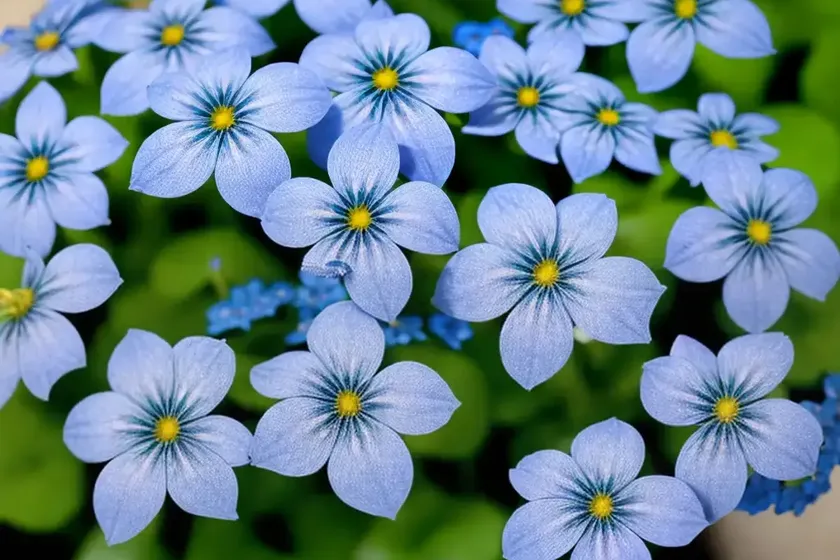
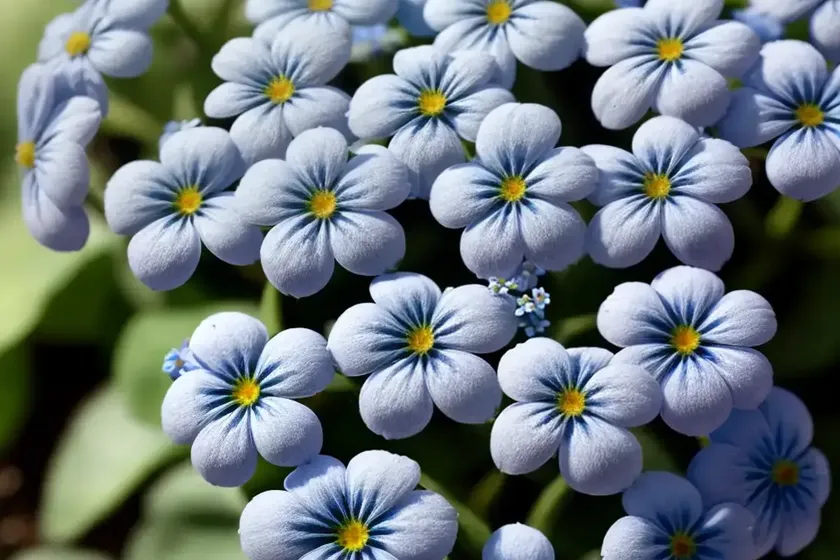
Plants are not just beautiful decorations for our homes and gardens; they are living organisms with fascinating characteristics and critical ecological roles. As a plant scientist, I have always been intrigued by the diversity and unique attributes of different plant species. In this comprehensive guide, we will delve into the world of the Great Forget-me-not (Brunnera macrophylla), a delightful perennial plant, and explore its culture, uses, maintenance, and much more.
What is Great Forget-me-not (Brunnera macrophylla)?
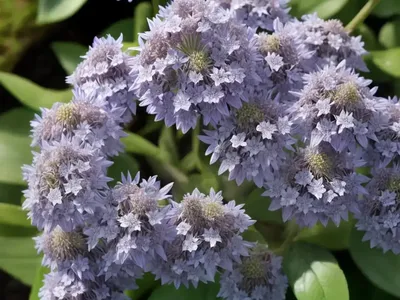
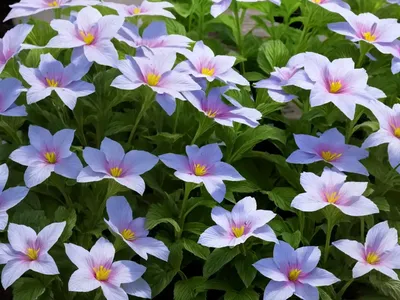
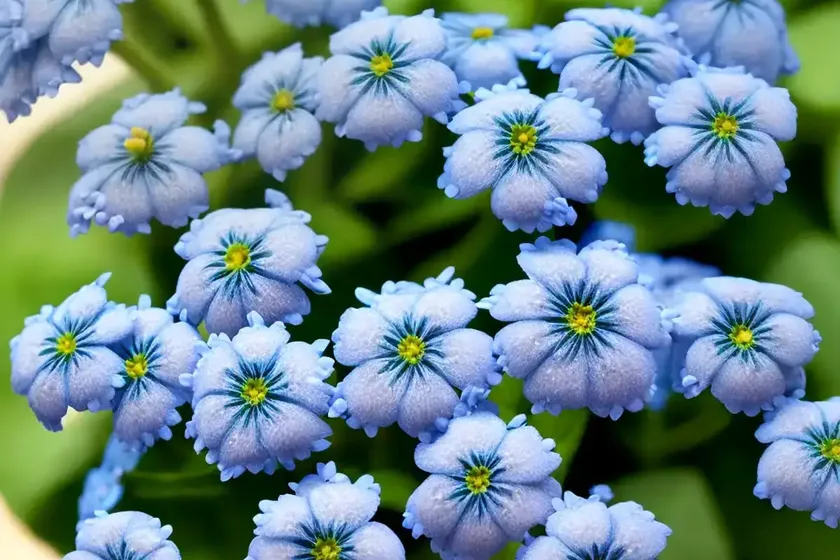
The Great Forget-me-not, scientifically known as Brunnera macrophylla, is a species of flowering plant in the family Boraginaceae. This species is native to the woodlands of Eastern Europe and Western Asia. It is commonly cultivated as an ornamental plant due to its charming, delicate blue flowers and striking heart-shaped leaves. The plant is also known by several other common names, including Siberian Bugloss, False Forget-me-not, and Heartleaf.
Key Takeaways – Great Forget-me-not (Brunnera macrophylla)
Before we dive into the specific aspects of this fascinating plant, let’s summarize some key takeaways about the Great Forget-me-not (Brunnera macrophylla):
- Scientific Name: Brunnera macrophylla
- Common Names: Great Forget-me-not, Siberian Bugloss, False Forget-me-not, Heartleaf
- Plant Type: Perennial
- Flower Color: Delicate blue
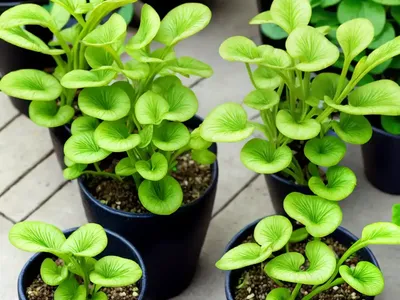
- Foliage: Heart-shaped leaves
- Growth Habit: Clump-forming
- Hardiness Zone: 3-8
- Sunlight: Partial to full shade
- Soil Type: Rich, moist, well-drained
- Maintenance: Low
Now that we have a brief overview, let’s explore the various dimensions of this captivating plant.
Culture
Uses
The Great Forget-me-not (Brunnera macrophylla) is primarily cultivated for its ornamental value. Its delicate blue flowers and heart-shaped leaves make it a popular choice for shady gardens, woodland settings, and other areas where a touch of elegance and charm is desired. The plant is often used as a groundcover or as part of mixed perennial borders, adding a beautiful contrast to the surrounding greenery.
Water
When it comes to watering Great Forget-me-not, it’s essential to maintain consistently moist soil, especially during the growing season. While the plant tolerates some drought, it thrives best in evenly moist conditions. During periods of extended dryness, it is crucial to provide supplemental watering to ensure the plant’s health and vigor.
Sunlight
Great Forget-me-not (Brunnera macrophylla) prefers partial to full shade. In its native habitats, it grows beneath the canopy of trees where sunlight is filtered. When cultivated in gardens, it is essential to provide ample shade, especially during the hot afternoon hours. Planting them in areas with dappled shade or where they receive morning sun and afternoon shade is ideal for their optimal growth and bloom.
Fertilizer
These plants do not have very high fertilizer requirements. However, a balanced, all-purpose fertilizer can be applied in spring as new growth emerges. It is crucial to follow the recommended application rates to avoid over-fertilization, which can lead to excessive foliage growth at the expense of flowering.
Soil
Great Forget-me-not (Brunnera macrophylla) thrives in rich, moist, well-drained soil. The soil should be high in organic matter to retain moisture while also providing good drainage to prevent waterlogging. Amending the soil with compost or well-rotted organic matter can significantly benefit the plant by enhancing its growing conditions.
Pruning
Pruning the Great Forget-me-not involves the removal of spent flower stalks and any damaged or discolored leaves. This practice not only helps maintain the plant’s tidy appearance but also encourages new growth and prolongs the flowering period. Generally, pruning can be done after the bloom is spent in late spring or early summer.
Propagation
Great Forget-me-not (Brunnera macrophylla) can be propagated through division or by collecting and sowing seeds. Division is typically carried out in early spring or fall, taking care to separate the plant into sections with healthy roots and shoots. Seed collection can be done when the plant produces dry, papery seed capsules, which can then be sown in a suitable growing medium to germinate.
Container Popularity
While Great Forget-me-not (Brunnera macrophylla) is commonly grown in garden beds and borders, it is also well-suited for container gardening. Its low maintenance and attractive foliage make it an excellent choice for adding visual interest to shaded patios, balconies, or outdoor living spaces.
Common Diseases
Disease Diagnosis
Great Forget-me-not (Brunnera macrophylla) is relatively resistant to diseases, particularly when grown in favorable conditions. However, like many plants, it can be susceptible to certain issues, including leaf spot diseases, powdery mildew, and root rot if subjected to prolonged periods of wet, poorly drained soil. Regular monitoring for signs of disease and prompt remedial measures, such as adjusting watering practices and improving air circulation, can help mitigate these problems.
Common Pests
Pest Control
While Great Forget-me-not (Brunnera macrophylla) is generally resistant to pest infestations, it can occasionally be affected by certain pests such as slugs and snails, especially in moist, shady environments. Employing natural deterrents or organic pest control methods can effectively manage these nuisances without the need for harsh chemical interventions.
Botanist’s Tips
Here are some useful tips from botanists and gardening experts for successfully growing and caring for Great Forget-me-not (Brunnera macrophylla):
- Shade is Key: Ensure the plant receives the right amount of shade for optimal growth and flowering.
- Moisture Management: Monitor soil moisture levels and provide adequate watering to maintain consistent moisture without waterlogging.
- Mulching: Apply a layer of organic mulch around the base of the plant to help retain soil moisture and suppress weed growth.
- Division: Periodically divide mature plants to rejuvenate their growth and maintain their vigor.
- Pest Vigilance: Keep an eye out for potential pest issues and address them promptly to prevent widespread damage.
Fun Facts
To further appreciate the charm and appeal of Great Forget-me-not (Brunnera macrophylla), here are some delightful fun facts about this captivating plant:
- The heart-shaped leaves of Great Forget-me-not have earned it the endearing common name “Heartleaf.”
- The delicate blue flowers bear a striking resemblance to true Forget-me-nots, inspiring the plant’s name.
- Great Forget-me-not is valued not only for its flowering display but also for its lush, dense foliage, making it an attractive choice for shaded landscapes.
- The plant’s resilience in shaded environments and its low maintenance requirements have made it a favorite among gardeners seeking elegant and effortless additions to their gardens.
Links to External Resources
For more in-depth information and resources on Great Forget-me-not (Brunnera macrophylla), we recommend exploring the following links:
- Royal Horticultural Society – Brunnera macrophylla
- Missouri Botanical Garden – Brunnera macrophylla
- North Carolina State University Extension – Siberian Bugloss
- The Spruce – How to Grow Great Forget-me-nots
In conclusion, the Great Forget-me-not (Brunnera macrophylla) is a captivating perennial plant that adds elegance, color, and texture to shaded gardens and landscapes. Its low maintenance requirements and ornamental features make it a delightful choice for both experienced and novice gardeners. By understanding its cultural needs, maintenance practices, and unique characteristics, gardeners can create beautiful and thriving displays with this charming plant.
Whether used as a groundcover, a border plant, or a container feature, the Great Forget-me-not shines as a perennial favorite, living up to its endearing name by leaving an indelible mark on the hearts of plant enthusiasts and nature lovers.
With the comprehensive guide above, I hope you have gained valuable insights into the captivating world of Great Forget-me-not (Brunnera macrophylla). If you want to leverage the power of this exquisite plant in your garden or landscape, now you have the knowledge and understanding to do so successfully. Happy gardening!
Remember to visit the links provided for further details and expert advice on cultivating and appreciating the beauty of the Great Forget-me-not.
NLP LSI Keywords: Forget-me-not plant, Brunnera macrophylla, Great Forget-me-not, Forget-me-not flower, Forget-me-not care, Brunnera macrophylla varieties, Brunnera macrophylla cultivation, Brunnera macrophylla characteristics, Forget-me-not perennial, Forget-me-not plant care, Brunnera macrophylla leaves, Forget-me-not ground cover, Great Forget-me-not plants, Forget-me-not plant varieties, Brunnera macrophylla blooms, Brunnera macrophylla maintenance, Forget-me-not garden plant, Brunnera macrophylla flowers, Forget-me-not plant information, Great Forget-me-not flowers, Brunnera macrophylla soil requirements, Forget-me-not plant characteristics, Brunnera macrophylla shade tolerance, Forget-me-not plant symbolism, Great Forget-me-not plant care, Brunnera macrophylla landscape use, Forget-me-not growing guide, Brunnera macrophylla plant size, Forget-me-not plant propagation, Great Forget-me-not perennial plant, Brunnera macrophylla summer blooms, Forget-me-not plant companion, Brunnera macrophylla shade garden, Brunnera macrophylla water requirements, Great Forget-me-not common names, Forget-me-not plant diseases, Brunnera macrophylla wildlife attraction, Forget-me-not garden benefits, Brunnera macrophylla garden design, Forget-me-not plant versatility, Great Forget-me-not border plant, Brunnera macrophylla container gardening, Forget-me-not plant landscape ideas, Brunnera macrophylla evergreen foliage, Forget-me-not plant flowering season, Great Forget-me-not garden plantings, Brunnera macrophylla pollinator plant, Forget-me-not plant cutting back, Brunnera macrophylla companion plants, Forget-me-not plant edging.