Golden-shower (Dolichandra Unguis-cati)
Golden-shower (Dolichandra unguis-cati) is a tropical woody vine belonging to the Bignoniaceae family. This species is known for its beautiful clusters of.
What is Golden-shower (Dolichandra unguis-cati)?
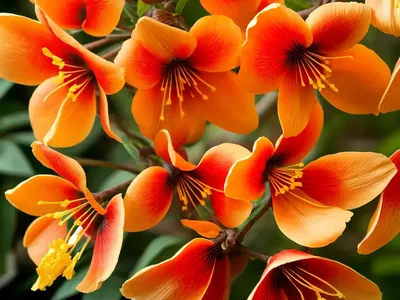
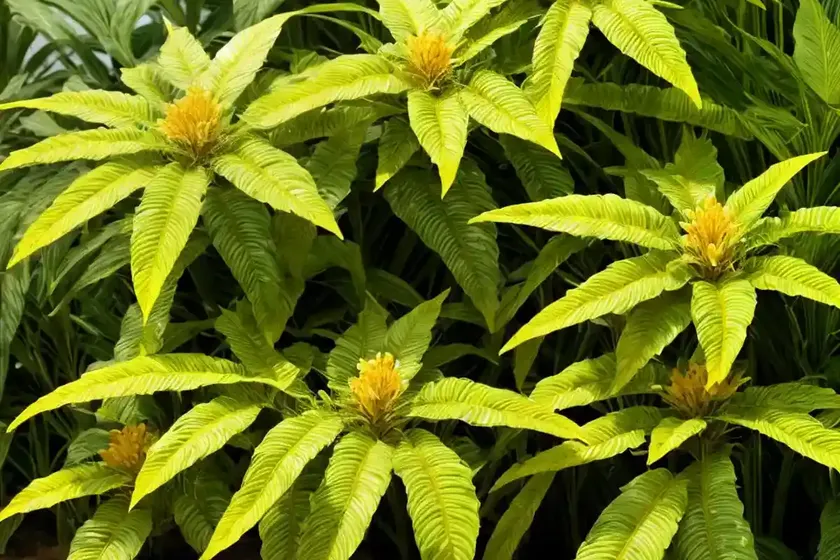
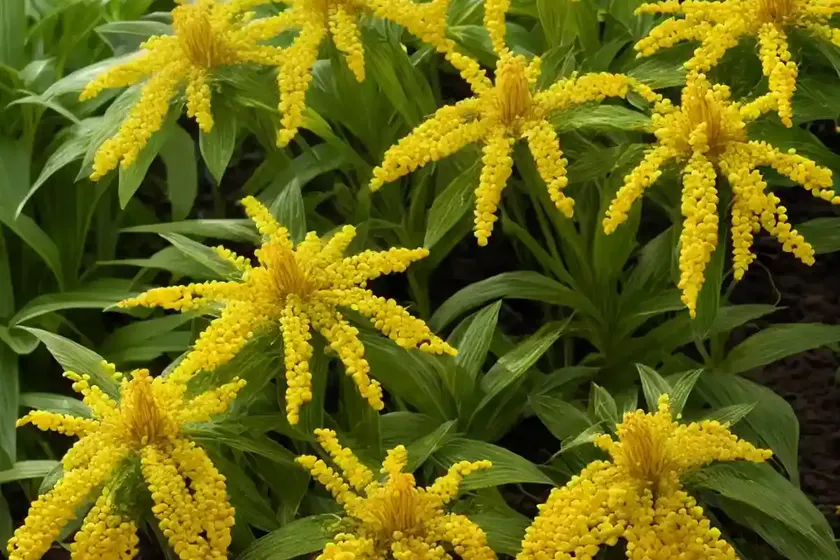
Golden-shower (Dolichandra unguis-cati) is a tropical woody vine belonging to the Bignoniaceae family. This species is known for its beautiful clusters of bright yellow, trumpet-shaped flowers, which appear in abundance and are a source of delight for gardeners and nature enthusiasts. The botanical name “Dolichandra unguis-cati” is derived from Greek, wherein “Dolichandra” means “long stamen” and “unguis-cati” refers to “cat’s claw,” describing the vine’s hooked apparatus.
Native to Central and South America, Golden-shower vines are favored for their vigorous growth and ornamental value. The plant has garnered attention for its striking visual appeal, adaptability to various climates, and relative ease of cultivation.
Key Takeaways – Golden-shower (Dolichandra unguis-cati)
- Scientific Name: Dolichandra unguis-cati
- Common Name: Golden-shower vine
- Family: Bignoniaceae
- Native Habitat: Central and South America
- Characteristics: Bright yellow trumpet-shaped flowers, vigorous growth, tropical woody vine
- Uses: Ornamental purposes, landscaping, attracting pollinators
Culture
Water
Golden-shower vines thrive in moderately moist soil and require regular watering, especially during the growing season. However, they are resilient plants and can withstand short periods of drought once established. It is essential to strike a balance with watering, ensuring that the soil is moist but not waterlogged, as excessive water can lead to root rot and other issues.
Sunlight
These vines flourish in full sunlight, thriving in locations with at least six hours of direct sun exposure daily. Placing them in sunny spots will encourage optimal growth and abundant flowering, making them a delightful addition to any sun-soaked garden or landscape.
Fertilizer
Applying a balanced fertilizer during the growing season can significantly enhance the growth and blooming of Golden-shower vines. A slow-release fertilizer formulated for flowering plants can be used, following the instructions provided by the manufacturer. Fertilization should be conducted in early spring and mid-summer to provide the necessary nutrients for robust growth and prolific flowering.
Soil
Golden-shower vines prefer well-draining soil with a slightly acidic to neutral pH. A mix of loamy and sandy soil enriched with organic matter is ideal for fostering healthy growth and blooming. Ensuring proper drainage is crucial, as waterlogged soil can adversely affect the plant’s health and vitality.
Pruning
Pruning is an essential aspect of Golden-shower vine care, contributing to the plant’s overall health, shape, and blooming. Regular pruning helps eliminate dead or overgrown parts, encourages new growth, and maintains an attractive form. Pruning is typically carried out in late winter or early spring, before the growing season commences. It is advisable to remove any diseased or damaged wood, along with trimming back excessive growth to promote better flowering and overall vigor.
Propagation
The propagation of Golden-shower vines can be accomplished through various methods, including:
– Softwood Cuttings: Taking softwood cuttings in spring and providing the right conditions for root development.
– Layering: Encouraging the development of roots on a stem while it is still attached to the mother plant.
– Seeds: Sowing seeds in a suitable growing medium and providing the necessary warmth and moisture for germination.
Container Popularity
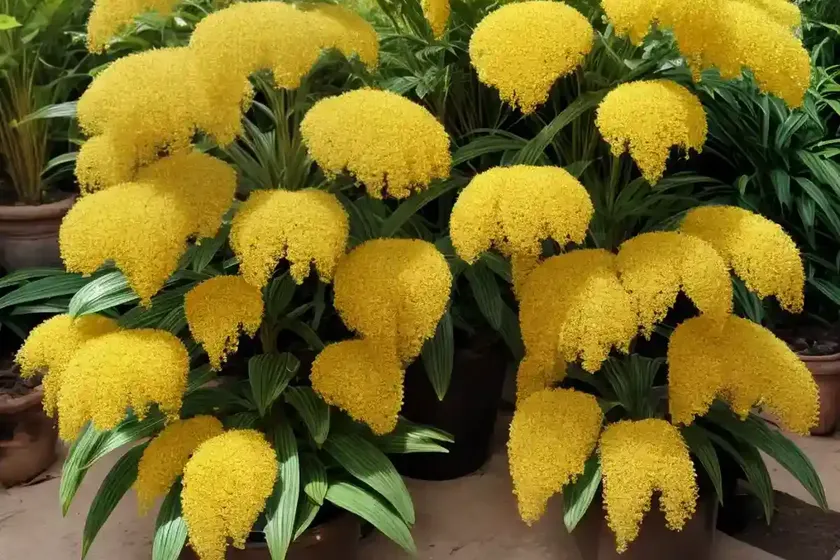
Golden-shower vines are often grown in containers to showcase their stunning blooms and for easy mobility. They can thrive in large containers with proper drainage, allowing individuals with limited garden space to enjoy their beauty and charm. Container gardening is a popular choice for those looking to adorn patios, balconies, and small outdoor areas with these vibrant, ornamental vines.
Common Diseases
Golden-shower vines may encounter various diseases, with some common ones including:
– Powdery Mildew: A fungal infection that appears as a white, powdery substance on the leaves, often caused by poor air circulation and high humidity.
– Root Rot: Occurs due to overwatering or poorly drained soil, leading to the decay of the plant’s roots and subsequent decline in health.
– Leaf Spot: Fungal or bacterial infections that cause dark spots or lesions on the leaves, potentially impacting the plant’s photosynthetic abilities.
Disease Diagnosis
Diagnosing and addressing potential diseases in Golden-shower vines involves keen observation and proactive care. Regularly inspecting the plants for any signs of discoloration, wilting, unusual growths, or other abnormalities can aid in early detection. Prompt action, such as adjusting watering practices, improving air circulation, and employing appropriate treatments, can help manage and prevent the spread of diseases.
Common Pests
Golden-shower vines are susceptible to infestations by various pests, including:
– Aphids: Small, sap-sucking insects that can cluster on new growth, causing damage and inhibiting the plant’s vitality.
– Caterpillars: Larval stages of certain butterflies and moths that may feed on the foliage, necessitating measures for control.
– Scale Insects: These small, immobile pests can attach themselves to stems and leaves, depleting the plant’s resources and causing stress.
Botanist’s Tips
- Provide ample support: As vigorous climbers, Golden-shower vines benefit from sturdy support structures, such as trellises or arbors, to facilitate their upward growth and prevent entanglement with other plants.
- Monitor for invasive tendencies: Given their rapid growth, regular monitoring and maintenance are essential to prevent Golden-shower vines from overtaking other vegetation or structures in the vicinity.
- Prune judiciously: Avoid over-pruning or shaping the vines in a manner that inhibits their natural growth pattern, as this can affect flowering and overall health.
Fun Facts
- Golden-shower vines are known for attracting pollinators such as bees, butterflies, and hummingbirds, adding lively activity to garden spaces.
- Their vibrant yellow flowers bring a sense of cheer and warmth to outdoor settings, making them a preferred choice for brightening up landscapes.
Links to External Resources
- The Plant List – Dolichandra unguis-cati
- Royal Horticultural Society – Golden-shower Tree
- Missouri Botanical Garden – Dolichandra unguis-cati
This comprehensive guide provides valuable insights into the culture, uses, care, and maintenance of Golden-shower vines (Dolichandra unguis-cati), offering plant enthusiasts and gardeners a wealth of information to cultivate and appreciate these stunning tropical vines. Whether adorning outdoor landscapes or enhancing indoor spaces, Golden-shower vines stand out for their beauty, resilience, and the joy they bring to nature lovers worldwide.