The Golden Scotch Pine (Pinus sylvestris ‘Aurea’): A Complete Guide

The Golden Scotch Pine, scientifically known as Pinus sylvestris ‘Aurea,’ is a remarkable coniferous tree known for its distinctive golden foliage. This beautiful tree adds a touch of elegance to any landscape, making it a popular choice among gardeners and landscapers. In this comprehensive guide, we will explore the key characteristics, cultivation techniques, landscape uses, and maintenance tips for the golden Scotch pine.
What is the Golden Scotch Pine (Pinus sylvestris ‘Aurea’)?
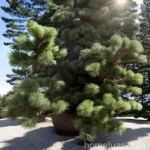
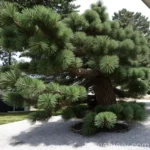
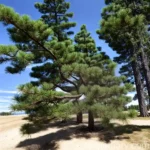
The golden Scotch Pine, a variety of Pinus sylvestris, is a cultivar renowned for its striking golden-yellow needles, which offer a stunning contrast to the typical green color of most coniferous trees. This tree is appreciated for its beauty and versatility, making it a sought-after addition to gardens, parks, and commercial landscapes.
Key Takeaways – Golden Scotch Pine (Pinus sylvestris ‘Aurea’)
Before delving into the specifics of the golden Scotch pine, let’s take a moment to highlight the key takeaways related to this captivating tree.
- Scientific Name: Pinus sylvestris ‘Aurea’
- Common Names: Golden Scotch pine, Golden Scotch pine tree
- Foliage Color: Golden-yellow
- Growth Habit: Conical
- Uses: Ornamental, landscaping
- Hardiness Zone: 3-7
- Mature Height: 20-40 feet
- Growth Rate: Moderate
- Cultivation: Sun-loving, adaptable to various soil types
Now, let’s explore the various aspects of cultivating and caring for the golden Scotch pine in detail.
Culture
Cultivating the golden Scotch pine involves understanding its specific requirements for water, sunlight, fertilizer, soil, and pruning. Let’s delve into each of these aspects to ensure the successful growth and development of this magnificent tree.
Water
Proper watering is crucial for the optimal growth of the golden Scotch pine. While it is tolerant of dry conditions once established, it’s important to provide adequate moisture, especially during the tree’s early years and in periods of drought. Here are some essential watering guidelines for the golden Scotch pine:
- Establishment Phase: Water young trees regularly, ensuring that the soil remains consistently moist but not waterlogged.
- Mature Trees: Once established, the golden Scotch pine demonstrates good drought tolerance. However, during extended dry periods, it is beneficial to provide supplemental watering to maintain the tree’s vitality.
- Watering Techniques: Deep, infrequent watering is preferable over frequent shallow watering, as it encourages the development of a robust root system capable of withstanding dry spells.
Sunlight
The golden Scotch pine thrives in full sun, requiring at least 6 to 8 hours of direct sunlight daily for optimal growth and foliage coloration. When selecting a planting location for this tree, it is essential to prioritize areas with abundant sunlight to ensure its health and vibrancy.
Fertilizer
Appropriate fertilization can significantly enhance the growth and appearance of the golden Scotch pine. While this tree is relatively low-maintenance, providing a balanced fertilizer during the growing season can promote lush, healthy foliage. Consider the following fertilization guidelines for this tree:
- Fertilizer Type: Choose a slow-release, balanced fertilizer specifically formulated for coniferous trees.
- Application Timing: Apply fertilizer in early spring before the tree enters its active growth phase.
- Dosage: Follow the manufacturer’s recommendations for the appropriate dosage based on the tree’s size and age.
Soil
The golden Scotch pine is adaptable to a range of soil types, including loamy, sandy, and clay soils, as long as they offer good drainage. When planting or transplanting this tree, it is essential to prioritize well-draining soil to prevent waterlogged conditions, which can be detrimental to the tree’s health.
Pruning
Pruning the golden Scotch pine is generally minimal, focusing on the removal of dead or damaged branches and the occasional shaping to maintain its desired form. When pruning this tree, consider the following tips:
- Pruning Timing: Aim to prune the golden Scotch pine during its dormant season to minimize stress and sap loss.
- Sanitization: Use clean, sharp pruning tools to make precise cuts and minimize the risk of disease transmission.
- Maintenance Pruning: Routinely inspect the tree for dead, diseased, or crossing branches, and promptly remove them to promote optimal tree health.
Propagation
Propagating the golden Scotch pine can be achieved through various methods, including seed propagation and softwood cuttings. Each method offers unique benefits and considerations, allowing gardeners to expand their collection of these stunning trees. Here’s an overview of the propagation techniques for the golden Scotch pine:
Seed Propagation
- Seed Collection: Harvest mature cones from the parent tree and extract the seeds, which are typically enclosed within the cone scales.
- Seed Germination: Sow the seeds in well-draining, sterile potting mix and maintain consistent moisture until germination occurs.
- Transplanting Seedlings: Once the seedlings have developed several sets of true leaves, carefully transplant them into individual containers or prepared outdoor sites.
Softwood Cuttings
- Cutting Preparation: From the parent tree, collect softwood cuttings in early summer, ensuring they are approximately 4-6 inches long and free from any signs of damage or disease.
- Rooting Medium: Dip the cut ends of the softwood cuttings in a rooting hormone and plant them in a well-draining, sterile rooting medium.
- Rooting Process: Provide consistent moisture and warmth to encourage the development of roots, and monitor the cuttings for signs of new growth, indicating successful rooting.
Container Popularity
The golden Scotch pine is well-suited for container cultivation, allowing individuals with limited garden space to enjoy its beauty and elegance. When choosing to plant this tree in a container, it is essential to consider the following factors:
- Container Size: Select a spacious container with adequate depth to accommodate the golden Scotch pine’s root system and promote its stability.
- Soil and Drainage: Utilize a high-quality potting mix specifically formulated for container plants, ensuring that the soil offers good drainage to prevent waterlogging.
- Watering and Maintenance: Container-grown trees may require more frequent watering than their counterparts in the ground, as containers typically dry out faster. Regular monitoring of soil moisture is essential.
Common Diseases
The golden Scotch pine is generally resilient to pests and diseases, showcasing robust health when provided with optimal growing conditions. However, like any plant, it may encounter certain issues that can impact its vitality. Here are some common diseases that gardeners and landscapers should be mindful of:
- Diplodia Tip Blight: This fungal disease can cause dieback of the tree’s new shoots and twigs, often leading to reduced growth and aesthetic decline.
- Needle Cast Diseases: Various needle cast fungi can affect the golden Scotch pine, causing the discoloration and premature shedding of needles.
Disease Diagnosis
To effectively manage and address potential diseases affecting the golden Scotch pine, it is crucial to accurately diagnose the underlying issues. Gardeners should be attentive to the following symptoms when assessing the tree’s health:
- Needle Discoloration: Look for changes in needle color, such as browning or yellowing, which can indicate the presence of fungal infections.
- Twig Dieback: Monitor the tree for signs of dieback in the young shoots and twigs, as this can be indicative of Diplodia tip blight.
- Needle Shedding: Excessive premature shedding of needles could signal the onset of needle cast diseases and should prompt further investigation.
Common Pests
While the golden Scotch pine is relatively pest-resistant, it may still encounter certain insect pests that can affect its overall vigor. Being aware of common pests and their associated damage is essential for implementing timely intervention measures. Here are some pests that may pose a threat to the golden Scotch pine:
- Pine Sawfly: The larvae of these sawflies can feed on the needles of the golden Scotch pine, potentially causing defoliation and aesthetic damage.
- Pine Needle Scale: This pest can infest the needles of the tree, leading to yellowing, premature shedding, and overall decline in health if left unaddressed.
Pest Control
Implementing integrated pest management strategies is crucial for effectively controlling and mitigating pest infestations on the golden Scotch pine. Here are some recommended approaches for pest control:
- Pruning and Sanitation: Promptly remove and destroy any infested branches or heavily infested plant material to prevent the spread of pests.
- Horticultural Oils: Applying horticultural oils during the dormant season can help suffocate overwintering pests, reducing their population in the spring.
- Biological Controls: Introducing beneficial predatory insects, such as ladybugs or lacewings, can aid in controlling pest populations naturally.
Botanist’s Tips
As a plant scientist, I would like to offer additional insights and tips for cultivating and caring for the golden Scotch pine based on its unique characteristics and requirements. Here are some valuable recommendations for ensuring the optimal growth and longevity of this remarkable tree:
- Mulching: Apply a layer of organic mulch around the base of the tree to conserve soil moisture, regulate soil temperature, and inhibit weed growth.
- Soil pH Monitoring: Regularly assess the pH level of the soil to ensure that it falls within the preferred range for the golden Scotch pine, which is typically slightly acidic to neutral (pH 5.5-7.0).
- Seasonal Maintenance: Conduct routine inspections of the tree throughout the year, addressing any maintenance tasks, such as pruning or fertilization, in accordance with the tree’s growth patterns and seasonal requirements.
Fun Facts
To further appreciate the allure of the golden Scotch pine, let’s explore some fascinating and noteworthy facts about this species:
- Aesthetic Appeal: The golden-yellow foliage of the Scotch pine adds a vibrant and eye-catching element to any landscape, making it a popular choice in garden design.
- Landscape Versatility: From ornamental plantings to windbreaks and erosion control, the golden Scotch pine offers diverse uses in various landscape settings.
- Winter Interest: This evergreen tree retains its striking golden coloration throughout the winter months, providing visual interest during the colder season.
- Wildlife Habitat: In addition to its ornamental value, the golden Scotch pine can provide shelter and nesting sites for birds and small mammals, contributing to local ecological diversity.
Links to External Resources
For further information on the golden Scotch pine, I recommend exploring the following resources:
- American Conifer Society
- Royal Horticultural Society: Pinus sylvestris ‘Aurea’
- University of Florida IFAS Extension: Pine Diseases
In conclusion, the golden Scotch pine (Pinus sylvestris ‘Aurea’) stands as a dazzling example of nature’s beauty, captivating observers with its golden foliage and stately presence. Whether incorporated into a garden design, utilized as a focal point in a landscape setting, or admired for its ecological contributions, this tree remains a cherished and valued species. By understanding its cultivation techniques, care requirements, and unique attributes, individuals can foster the growth of the golden Scotch pine and appreciate the enduring splendor it brings to the natural world.
Thank you for joining me in this exploration of the golden Scotch pine, and I hope that the insights shared herein will inspire a greater appreciation for this remarkable tree.
Disclaimer: The information provided in this guide is for educational purposes and is not intended to serve as professional horticultural or botanical advice. Individuals should consult local gardening experts and extension services for specific recommendations tailored to their growing conditions and regional considerations.