The Golden Aster (Heterotheca camporum)
Plants have been an integral part of human life for centuries. They provide food, medicine, and aesthetic pleasure. As a plant scientist, I find the study of plants, their characteristics, and their uses to be endlessly fascinating. In this blog post, we will delve into the world of the Golden Aster (Heterotheca camporum), exploring its key features, cultural requirements, uses, and much more.
What is the Golden Aster (Heterotheca camporum)?
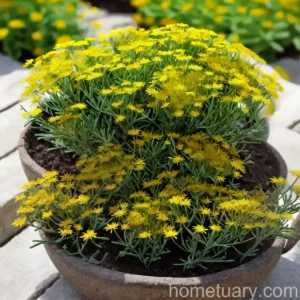
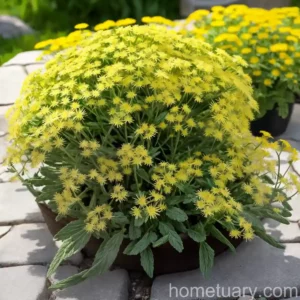
Heterotheca camporum, commonly known as the Golden Aster, is a delightful perennial plant that belongs to the Asteraceae family. It is native to North America, where it can be found in various habitats, including prairies, meadows, and open woodlands. The plant is cherished for its bright, golden-yellow flowers that bloom profusely, adding a splash of color to the landscape.
Key Takeaways
Before we dive into the specifics of the Golden Aster, let’s take a moment to highlight the key takeaways about this beautiful plant:
- Name: Golden Aster (Heterotheca camporum)
- Characteristics: Vibrant golden-yellow flowers, perennial, native to North America
- Cultural Requirements: Well-drained soil, adequate sunlight, moderate water, and minimal pruning
- Uses: Ornamental gardening, wildlife attraction, and traditional medicinal applications
- Popularity: Increasing interest in eco-friendly gardening and landscape design has elevated the popularity of this plant
With these key points in mind, let’s explore the Golden Aster in greater detail, covering its culture, uses, maintenance, and more.
Culture
Cultivating the Golden Aster involves understanding its specific cultural requirements to ensure optimal growth and flowering. Here are the essential elements to consider:
Water
The Golden Aster is moderately drought-tolerant once established. However, consistent moisture is beneficial, especially during its initial growth stages and periods of prolonged dryness. When watering the plant, it’s essential to allow the soil to dry slightly between waterings to prevent waterlogged conditions.
Sunlight
This vibrant perennial thrives in full sun to partial shade. Providing it with at least six hours of direct sunlight each day will encourage robust growth and an abundance of flowers. In hotter climates, some afternoon shade can be beneficial to prevent heat stress.
Fertilizer
Fertilizing the Golden Aster should be approached with moderation. A balanced, slow-release fertilizer applied in early spring can support healthy growth without promoting excessive foliage at the expense of flowering. Always follow the recommended application rates to avoid over-fertilization.
Soil
Well-drained, loamy soils are ideal for the Golden Aster. It’s crucial to ensure that the planting site allows water to permeate easily, preventing waterlogging. Amending the soil with organic matter can improve its texture and moisture-retention capabilities, contributing to the plant’s overall health and vigor.
Pruning
The Golden Aster generally requires minimal pruning. Deadheading spent flowers can prolong the blooming period and promote additional flowering. In late fall or early spring, removing any damaged or discolored foliage can enhance the plant’s appearance and reduce the risk of disease.
Uses
The Golden Aster serves multiple purposes, making it a valuable addition to gardens, natural landscapes, and even traditional holistic practices.
Ornamental Gardening
In ornamental gardening, the Golden Aster’s radiant flowers bring a burst of color to flower beds, borders, and containers. Its hardiness and appealing appearance make it a popular choice for landscape designers seeking to introduce vibrant hues to a garden’s tapestry of flora.
Wildlife Attraction
The nectar-rich blooms of the Golden Aster attract various pollinators, including bees, butterflies, and other beneficial insects. By incorporating this plant into garden designs, it’s possible to support local wildlife populations and contribute to the overall ecological balance.
Medicinal Applications
Traditionally, certain Native American tribes utilized extracts from the Golden Aster for its potential medicinal properties. These applications included treatments for colds, respiratory ailments, and skin conditions. While modern research on its medicinal uses is limited, the plant’s historical significance in traditional medicine is noteworthy.
Propagation
Propagating the Golden Aster can be achieved through various methods, offering flexibility for gardeners and horticulturists.
Seed Propagation
Sowing seeds in well-prepared soil in the early spring enables the development of robust plants. Prior to sowing, stratifying the seeds in a moist medium for a few weeks can enhance their germination rates. Once established, the seedlings can be transplanted to their desired locations.
Division
Dividing mature Golden Aster clumps in the early spring is an effective means of propagation. Each division should contain several healthy shoots and an adequate portion of the root system to ensure successful establishment. Replanting the divisions in suitable locations can yield new, flourishing specimens.
Container
Cultivating the Golden Aster in containers is also feasible, provided that the containers offer ample drainage and sufficient space for root development. This method allows for mobility and can be particularly advantageous for gardeners with limited outdoor space.
Popularity
The Golden Aster has garnered increasing interest within horticultural circles due to several compelling factors.
-
Eco-friendly Gardening: As the movement towards sustainable and eco-friendly gardening practices gains traction, native plants like the Golden Aster are receiving greater attention for their ability to support local ecosystems and reduce the need for excessive maintenance.
-
Landscape Design: Landscape architects and garden designers are recognizing the value of incorporating native flora into their designs. The Golden Aster’s aesthetic appeal and adaptability make it a versatile component in various landscape themes, from prairie-inspired plantings to mixed perennial borders.
-
Wildlife Support: In light of escalating concerns about declining pollinator populations, the Golden Aster’s role in attracting and sustaining beneficial insects has positioned it as a valuable asset in efforts to create pollinator-friendly landscapes.
-
Traditional Knowledge: The historical significance of the Golden Aster in traditional medicine and its cultural relevance have contributed to its appeal among individuals interested in ethnobotany and the preservation of indigenous plant knowledge.
Common Diseases
While the Golden Aster is generally robust and resilient, it can be susceptible to certain diseases under unfavorable growing conditions. Recognizing these potential threats is essential for maintaining the plant’s health and vitality.
Disease Diagnosis
-
Powdery Mildew: The presence of powdery, white patches on the foliage can indicate an infection of powdery mildew. Providing proper air circulation and avoiding overhead irrigation can help mitigate this issue.
-
Root Rot: Excessive soil moisture or poor drainage may lead to root rot in the Golden Aster. Symptoms include wilting, yellowing leaves, and the deterioration of the plant’s root system. Improving soil drainage and moderating watering practices are crucial in preventing this condition.
Common Pests
Pests can pose a risk to the Golden Aster, potentially impacting its growth and flowering. Understanding the primary pests that may target the plant is vital for implementing effective control measures.
Botanist’s Tips
To safeguard the Golden Aster from potential pest damage, here are some key tips:
-
Aphids: Regularly inspect the plant for clusters of aphids on the foliage or buds. Applying a gentle stream of water can dislodge these pests, reducing their numbers, or using insecticidal soap for more persistent infestations.
-
Spider Mites: Dry, dusty conditions can encourage spider mite populations. Employing cultural practices such as maintaining adequate humidity and periodically spraying the plant with water can help deter these pests.
Fun Facts
Uncovering intriguing facts about the Golden Aster can elevate our appreciation for this captivating plant:
- The scientific name, Heterotheca, is derived from the Greek words “heteros” (different) and “thek” (box), referencing the dissimilar, composite fruits of the genus.
- Golden Aster flowers are known for their attractive, daisy-like appearance, featuring numerous ray florets surrounding a central disc.
- The plant’s adaptability to various soil types, including sandy and loamy soils, contributes to its versatility in garden settings.
Links to External Resources
For further exploration of the Golden Aster and related topics, the following resources are valuable references:
The Golden Aster stands as a testament to the inherent beauty and resilience of native flora. By understanding its characteristics, cultural requirements, and significance, we can cultivate a deeper connection with this botanical gem and harness its potential for ecological restoration and horticultural enrichment.
In closing, I hope this comprehensive exploration of the Golden Aster has provided valuable insights and inspiration for plant enthusiasts, gardeners, and conservationists alike. As we continue to cherish and advocate for the preservation of native plants, the Golden Aster remains a shining emblem of nature’s enduring grace and vitality.
Keywords: Heterotheca camporum, Golden aster benefits, Heterotheca camporum care, Golden aster plant, Heterotheca camporum characteristics, Growing golden aster, Heterotheca camporum varieties, Golden aster uses, Heterotheca camporum cultivation, Golden aster facts, Heterotheca camporum propagation, Golden aster medicinal properties, Heterotheca camporum native habitat, Golden aster garden, Heterotheca camporum maintenance, Golden aster landscaping, Heterotheca camporum soil requirements, Golden aster planting guide, Heterotheca camporum sun exposure, Golden aster water requirements, Heterotheca camporum pruning tips, Golden aster pests and diseases, Heterotheca camporum drought tolerance, Golden aster companion plants, Heterotheca camporum wildlife attraction, Golden aster container gardening, Heterotheca camporum habitat restoration, Golden aster pollinators, Heterotheca camporum flower color, Golden aster season, Heterotheca camporum leaf structure, Golden aster growth rate, Heterotheca camporum seed collection, Golden aster landscape design, Heterotheca camporum root system, Golden aster garden design, Heterotheca camporum eco-friendly gardening, Golden aster soil fertility, Heterotheca camporum edging plant, Golden aster garden border, Heterotheca camporum geographic distribution, Golden aster garden maintenance, Heterotheca camporum hardiness zones, Golden aster medicinal uses, Heterotheca camporum bee-friendly plant, Golden aster natural remedies, Heterotheca camporum stress tolerance, Golden aster perennial plant, Heterotheca camporum winter care, Golden aster seasonal interest