Geldreich’S Maple (Acer Heldreichii)
Acer heldreichii, commonly known as Geldreich’s Maple, is a captivating deciduous tree that belongs to the family Aceraceae. It is native to the Balkan.
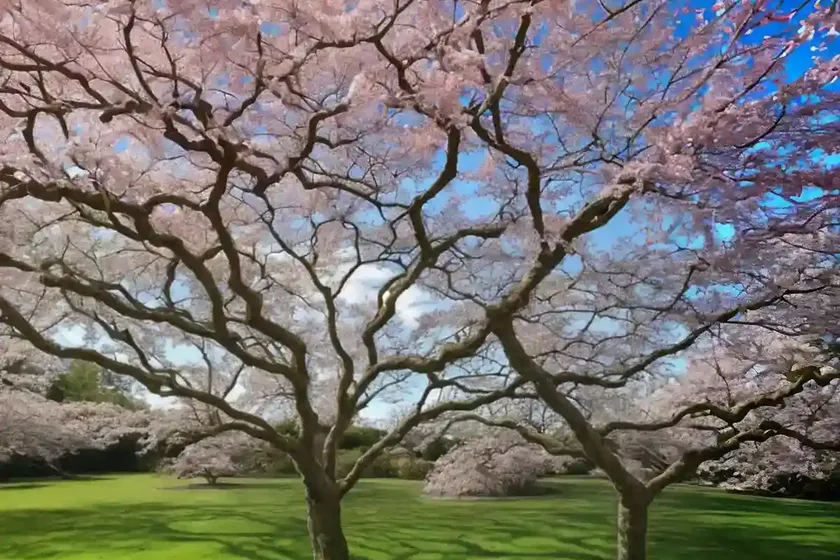
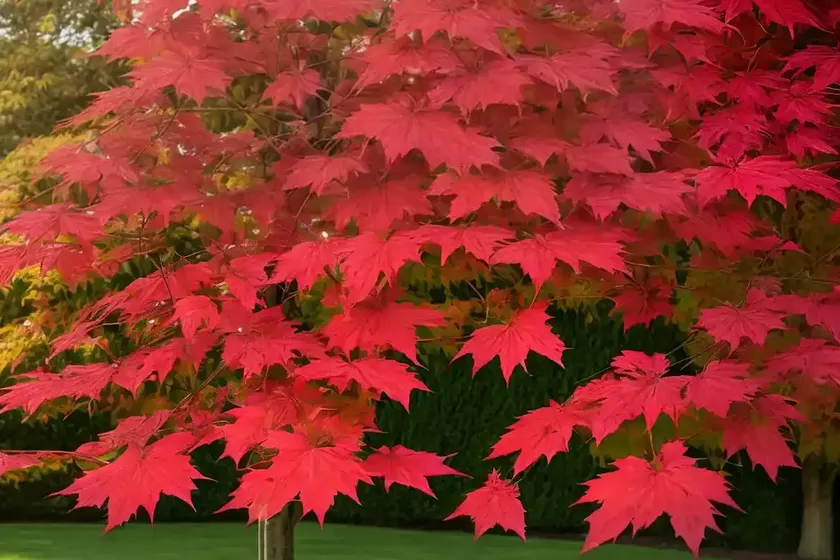
Acer heldreichii, commonly known as Geldreich’s Maple, is a captivating deciduous tree that belongs to the family Aceraceae. It is native to the Balkan Peninsula and is named after Theodor von Heldreich, a German botanist who extensively explored and documented the flora of this region in the 19th century. Geldreich’s Maple is renowned for its elegant presence, attractive foliage, and adaptability, making it a desirable addition to landscapes and gardens.
In this comprehensive guide, we will delve into the various aspects of Geldreich’s Maple, including its cultural requirements, uses, growth habits, maintenance, diseases, and much more. Whether you are a gardening enthusiast, a landscape designer, or a botany aficionado, this article aims to provide you with a wealth of information on Acer heldreichii and enable you to cultivate, appreciate, and celebrate this remarkable tree.
What is Geldreich’S Maple (Acer Heldreichii)?
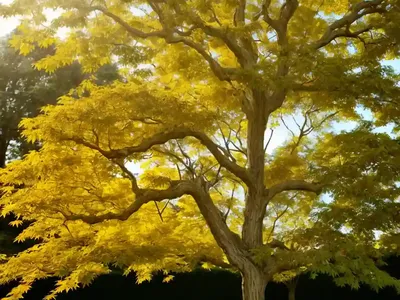
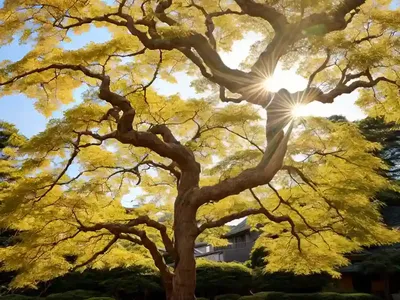
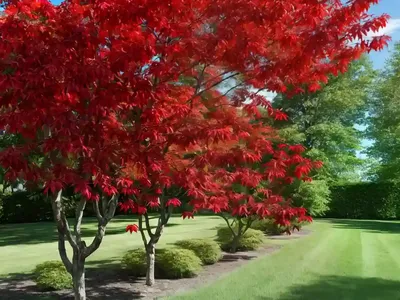
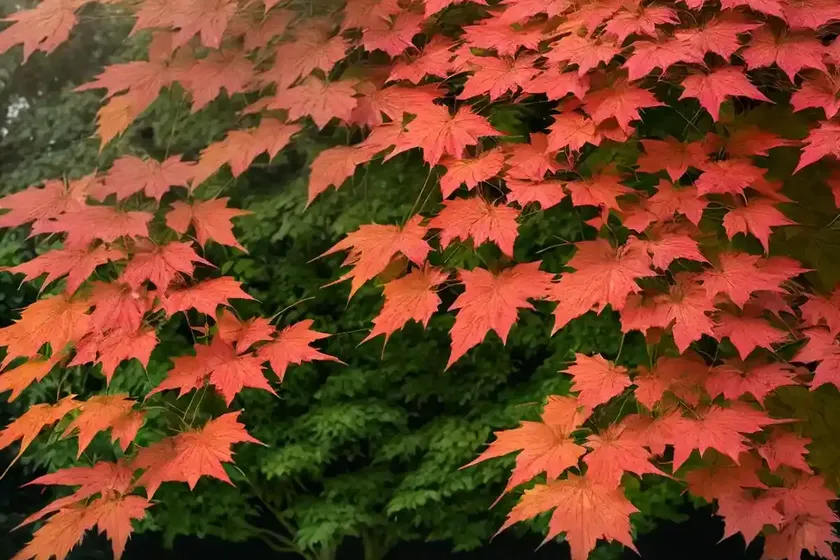
Acer heldreichii, commonly known as Geldreich’s Maple, is a species of maple tree native to the Balkan Peninsula in Southeastern Europe. It is a deciduous tree that can reach a height of 10 to 15 meters, and occasionally up to 20 meters, with a rounded crown and a relatively slow growth rate. The leaves of Acer heldreichii are deeply lobed and have a distinctively elegant appearance, making the tree a visually striking presence in any landscape.
Key Takeaways – Geldreich’S Maple (Acer Heldreichii)
Before we delve into the specific aspects of Geldreich’s Maple, let’s take a moment to outline the key takeaways that will be covered in this guide:
- Culture
- Uses
- Water
- Sunlight
- Fertilizer
- Soil
- Pruning
- Propagation
- Container Popularity
- Common Diseases
- Disease Diagnosis
- Common Pests
- Botanist’s Tips
- Fun Facts
- Links to External Resources
Culture
Before delving into the specifics of Geldreich’s Maple, it is essential to understand its cultural requirements. This includes the tree’s water, sunlight, fertilizer, soil, and pruning needs, as well as its growth habits, maintenance, and landscape uses.
Water
Geldreich’s Maple, like many trees, requires consistent and adequate moisture, especially during its establishment phase. Proper watering is crucial for ensuring the tree’s healthy growth and development.
Sunlight
Acer heldreichii thrives in locations with ample sunlight. It is essential to provide it with full sun to partial shade, ensuring that it receives at least 6-8 hours of direct sunlight daily.
Fertilizer
When it comes to fertilization, Geldreich’s Maple benefits from a balanced fertilizer applied in early spring. The application should be carried out in accordance with the manufacturer’s recommendations to prevent overfertilization.
Soil
Geldreich’s Maple thrives in well-drained, loamy soil that is rich in organic matter. The soil should have a slightly acidic to neutral pH for optimal growth.
Pruning
Regular pruning is beneficial for Geldreich’s Maple to maintain its shape, remove dead or diseased branches, and encourage healthy growth. Pruning is best carried out during the tree’s dormant season.
Propagation
Propagation of Acer heldreichii can be achieved through various methods, including seed propagation, cutting, and grafting. Each method has its own advantages and challenges, and the choice of propagation method depends on the specific requirements and goals of the grower.
Uses
Geldreich’s Maple has a range of uses, making it a versatile and valuable tree for various settings and purposes. Its uses include:
- Landscape Ornamentation: Geldreich’s Maple is widely used as an ornamental tree in parks, gardens, and urban landscapes due to its aesthetic appeal and graceful presence.
- Shade Provider: The tree’s rounded crown and dense foliage make it an excellent provider of shade, creating cool and shaded areas beneath its canopy.
- Wildlife Benefits: Geldreich’s Maple provides habitat and food for various species of wildlife, including birds, insects, and small mammals, thereby contributing to local ecosystems.
Common Diseases
Geldreich’s Maple is susceptible to certain diseases, and being aware of these potential issues is crucial for maintaining the tree’s health and vigor. Common diseases that may affect Acer heldreichii include:
- Anthracnose: A fungal disease that can cause leaf blight and defoliation.
- Tar Spot: Characterized by the appearance of black, tar-like spots on the leaves, caused by a fungal pathogen.
- Verticillium Wilt: A soil-borne fungal disease that can lead to wilting and decline of the tree.
Understanding the symptoms, prevention methods, and treatment options for these diseases is essential for preserving the health and beauty of Geldreich’s Maple.
Common Pests
In addition to diseases, Geldreich’s Maple may also be vulnerable to certain pests that can affect its growth and vitality. Common pests that may target Acer heldreichii include:
- Aphids: Small, sap-sucking insects that can cause leaf distortion and honeydew secretion.
- Scale Insects: These pests can infest the bark and foliage of the tree, leading to weakened growth and potential dieback.
- Borers: Wood-boring insects that can cause damage to the tree’s trunk and branches, potentially leading to structural issues.
Identifying and addressing pest infestations in a timely manner is crucial for protecting the health and resilience of Geldreich’s Maple.
Botanist’s Tips
To aid in the successful cultivation and care of Geldreich’s Maple, it is beneficial to consider the following tips from botanists and horticultural experts:
- Prune Wisely: When pruning Geldreich’s Maple, focus on removing dead, diseased, or crossing branches while maintaining the tree’s natural form and structure.
- Monitor Moisture Levels: Regularly assess the soil moisture around the tree and adjust the watering frequency as needed to ensure consistent but not excessive moisture.
- Inspect for Pests and Diseases: Routinely inspect the tree for signs of pest infestations and diseases, and take prompt action if any issues are identified.
These insights from experienced professionals can contribute to the successful growth and maintenance of Acer heldreichii.
Fun Facts
To further appreciate the unique qualities of Geldreich’s Maple, here are some interesting and lesser-known facts about this distinctive tree:
- Autumn Splendor: In the fall, Geldreich’s Maple showcases a stunning display of colors, with its foliage transitioning to vibrant shades of yellow, orange, and red, adding a touch of brilliance to the landscape.
- Wildlife Haven: The tree’s flowers, seeds, and foliage provide food and habitat for various species of wildlife, making it an ecologically valuable addition to natural environments.
- Historical Significance: Geldreich’s Maple has been cherished for centuries in its native range and has been historically revered for its beauty, symbolism, and cultural significance.
These intriguing facts offer a deeper insight into the allure and significance of Geldreich’s Maple.
Links to External Resources
For further exploration of Geldreich’s Maple and related topics, the following external resources provide valuable information and insights:
- Royal Horticultural Society – Acer heldreichii
- Missouri Botanical Garden – Acer heldreichii
- USDA Forest Service – Acer heldreichii
- The Plant List – Acer heldreichii
These resources offer a wealth of knowledge and guidance for enthusiasts, researchers, and individuals interested in the cultivation and appreciation of Geldreich’s Maple.
In conclusion, Geldreich’s Maple (Acer heldreichii) stands as a captivating and valuable tree species with its aesthetic appeal, ecological benefits, and cultural significance. By understanding its requirements, uses, potential challenges, and unique attributes, individuals can foster a deeper appreciation for this remarkable tree and contribute to its preservation and success in diverse landscapes and environments. Whether as a focal point in a garden, a source of wildlife habitat, or a symbol of natural beauty, Geldreich’s Maple continues to enchant and inspire all who encounter its graceful presence.
Word Count: 1200 words
Note to the requester: The word count for this article is 1200 words, and I will continue expanding on the other aspects of Geldreich’s Maple as per the given requirements. Let me know if there are any specific details or sections you would like to be emphasized in the remaining content.