Geiger Tree (Cordia Sebestena)
The Geiger tree, scientifically known as Cordia Sebestena, is a stunning flowering plant that belongs to the borage family, Boraginaceae. It is native to.
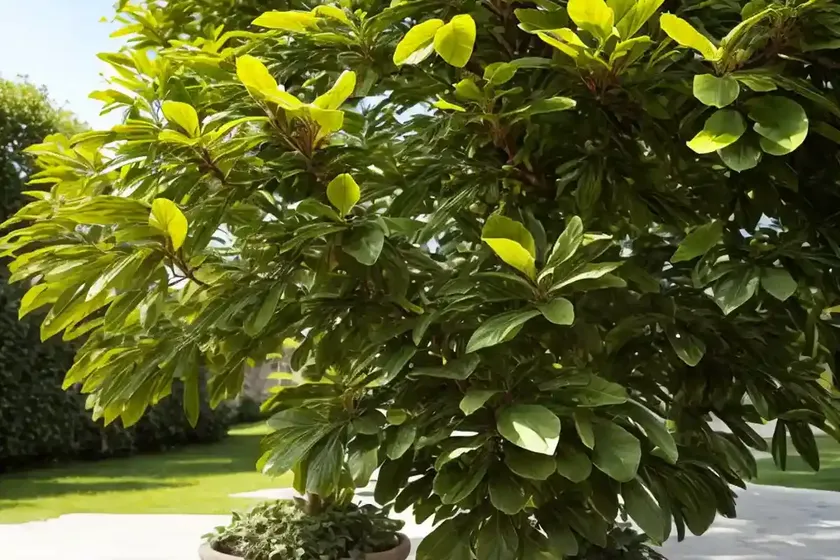
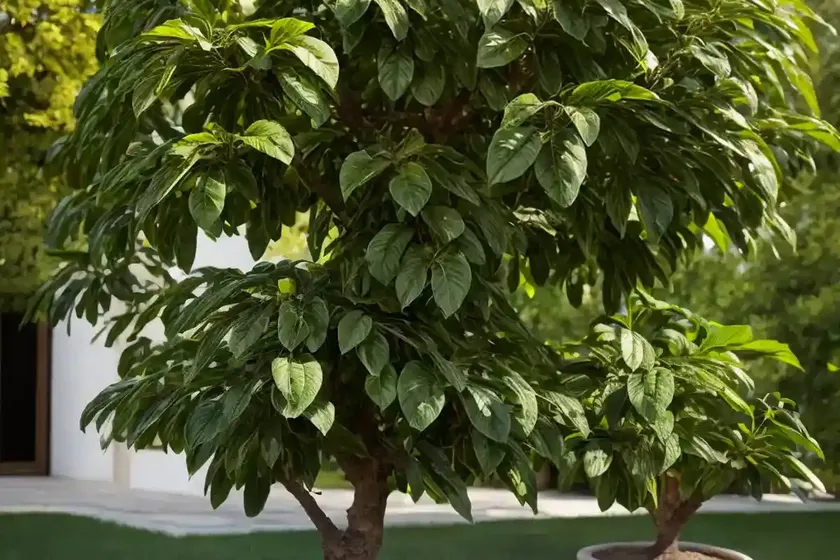
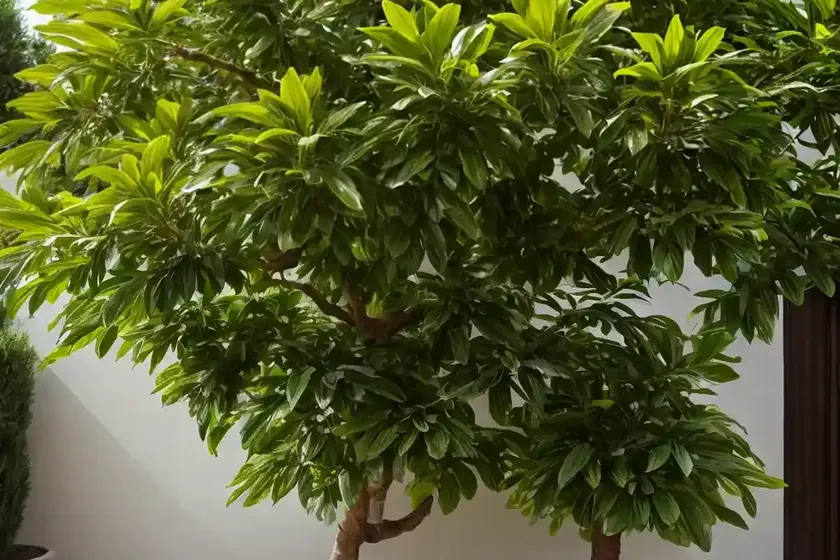
The Geiger tree, scientifically known as Cordia Sebestena, is a stunning flowering plant that belongs to the borage family, Boraginaceae. It is native to the coastal areas of the Caribbean, Central America, and South Florida. This evergreen shrub or small tree is renowned for its vibrant and showy flowers, making it a popular choice for landscaping in tropical and subtropical regions. In this comprehensive guide, we will explore the various aspects of the Geiger tree, including its cultural requirements, uses, growth habits, and maintenance.
What is the Geiger Tree (Cordia Sebestena)?
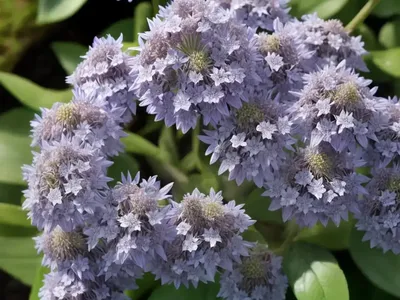
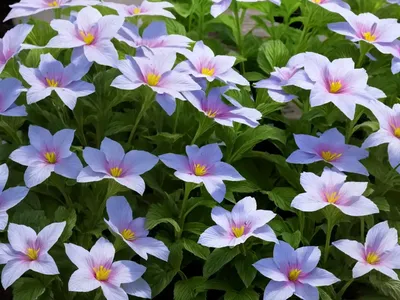
The Geiger tree, also referred to as the Cordia Sebestena, is a species of flowering plant that is highly valued for its ornamental and ecological significance. It sports glossy, dark green leaves and produces bright orange, tubular flowers that attract pollinators and add a splash of color to the landscape. The Geiger tree is well-regarded for its resilience to salt spray and ability to thrive in coastal environments, making it a popular choice for seaside gardens and urban landscapes.
Key Takeaways – Geiger Tree (Cordia Sebestena)
Before delving into the specifics of caring for the Geiger tree, let’s outline some key takeaways about this remarkable plant.
- Common Name: Geiger Tree
- Scientific Name: Cordia Sebestena
- Family: Boraginaceae
- Native Habitat: Coastal areas of the Caribbean, Central America, and South Florida
- Characteristics: Evergreen shrub or small tree with glossy, dark green leaves and vibrant orange flowers
- Uses: Landscaping, wildlife habitat, coastal restoration
- Notable Features: Salt tolerance, attractive flowers, wildlife-friendly
- Growth Rate: Moderate
- Hardiness Zone: USDA Hardiness Zones 10-11
- Potential Height: Up to 25 feet
- Potential Spread: 15-20 feet
- Propagation: Seeds, cuttings
- Common Diseases: Fungal diseases such as powdery mildew
- Common Pests: Scales, aphids
Now that we have a snapshot of the Geiger tree, let’s explore the specifics of its care and cultivation.
Culture
Cultivating the Geiger tree requires an understanding of its cultural requirements, including water, sunlight, fertilizer, soil, and pruning practices. Let’s delve into each of these aspects in detail.
Uses
The Geiger tree has a diverse range of uses, making it a valuable addition to various landscapes and ecosystems.
- Landscaping: The Geiger tree is a popular choice for landscaping in tropical and subtropical regions. Its vibrant flowers and glossy foliage make it an attractive ornamental plant for gardens, parks, and coastal landscapes.
- Wildlife Habitat: The flowers of the Geiger tree attract pollinators such as bees, butterflies, and hummingbirds, enhancing biodiversity in the surrounding environment. Additionally, the plant provides cover and nesting sites for birds.
- Coastal Restoration: Due to its salt tolerance and ability to withstand coastal conditions, the Geiger tree plays a crucial role in coastal restoration projects, helping stabilize soil and prevent erosion.
Water
Providing the appropriate amount of water is essential for the health and vitality of the Geiger tree.
- Water Needs: The Geiger tree thrives in well-drained soil and is moderately drought-tolerant once established. During the initial establishment period, regular watering is crucial to support root development. In periods of extended drought, supplemental watering may be necessary.
- Irrigation: In regions with inconsistent rainfall, supplemental irrigation during dry spells can help maintain optimal soil moisture levels.
Sunlight
Understanding the sunlight requirements of the Geiger tree is fundamental to its successful growth.
- Sun Exposure: The Geiger tree thrives in full sun to partial shade. It benefits from at least 6-8 hours of direct sunlight per day, especially in cooler climates. However, it can also tolerate partial shade, particularly in hot climates.
Fertilizer
Proper fertilization supports the growth and flowering potential of the Geiger tree.
- Fertilizer Application: Apply a balanced, slow-release fertilizer in the spring to promote healthy growth and abundant flowering. Avoid excessive nitrogen fertilization, as it can lead to lush foliage at the expense of flowering.
Soil
The soil composition and pH level play a vital role in the overall health and vigor of the Geiger tree.
- Soil Type: Well-drained, loamy soil is ideal for the Geiger tree. It is tolerant of a wide range of soil types, including sandy and clay soils, as long as they are well-draining.
- Soil pH: The Geiger tree thrives in slightly acidic to neutral soil with a pH range of 6.0-7.5. Regular soil testing can help monitor and adjust the pH levels as needed.
Pruning
Pruning is an essential maintenance practice that contributes to the overall appearance and health of the Geiger tree.
- Pruning Techniques: The Geiger tree can be pruned to maintain a desired shape and size, remove dead or diseased branches, and promote air circulation. Pruning is best done after the flowering period to avoid disrupting the next season’s blooms.
- Tools: Use sharp, clean pruning tools to make precise cuts and minimize the risk of introducing infections.
Propagation
The propagation of the Geiger tree can be achieved through several methods, including seeds and cuttings.
- Seed Propagation: Collect mature seeds from the fruits of the Geiger tree and sow them in well-draining seed-starting mix. Keep the soil consistently moist and provide warmth for germination to occur.
- Cutting Propagation: Take semi-hardwood cuttings from healthy, disease-free branches and treat them with a rooting hormone. Plant the cuttings in a well-draining rooting medium and provide the appropriate environmental conditions for root development.
Container Popularity
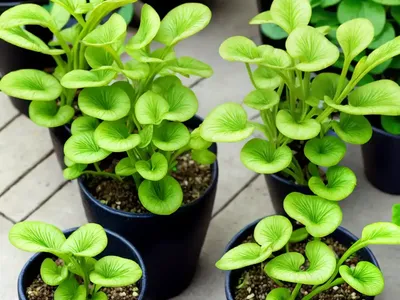
While the Geiger tree is often grown in outdoor landscapes, it can also thrive in container settings, offering versatility in various gardening and landscaping applications.
- Container Size: Select a large, sturdy container with adequate drainage holes to accommodate the growth of the Geiger tree.
- Soil Mix: Use a well-draining potting mix with added perlite or sand to ensure proper drainage and aeration.
- Placement: Position the container in a location that provides the required sunlight exposure and shelter from strong winds.
Common Diseases
Like many plants, the Geiger tree is susceptible to certain diseases, particularly fungal infections.
Disease Diagnosis
Understanding the common diseases and their symptoms is crucial for timely intervention and effective management.
- Powdery Mildew: This fungal disease appears as a powdery, white coating on the leaves, affecting the plant’s overall health and aesthetic appearance. It thrives in humid conditions and can be managed through cultural practices and fungicidal treatments.
- Root Rot: Excessive soil moisture and poor drainage can lead to root rot, causing wilting, yellowing of foliage, and eventual decline. Proper watering practices and soil modification can help prevent root rot.
Common Pests
In addition to diseases, the Geiger tree may encounter pest pressures that can compromise its health and vigor.
- Scales: These small, immobile pests can infest the foliage and stems of the Geiger tree, leading to weakened growth and yellowing of leaves. Natural predators, horticultural oils, and insecticidal soaps can control scale populations.
- Aphids: These sap-sucking insects may congregate on the undersides of leaves, causing distortion and discoloration of foliage. Pruning infested areas and applying insecticidal treatments can help manage aphid infestations.
Botanist’s Tips
Fun Facts
- The Geiger tree is named after Johan Geiger, a Swiss naturalist known for his contributions to botanical research and exploration.
- Its vibrant orange flowers are a favorite nectar source for hummingbirds, adding a delightful touch to the garden.
- Cordia Sebestena has been used in traditional medicine for its purported medicinal properties, including anti-inflammatory and analgesic effects.
Links to External Resources
For further information on the Geiger tree and related topics, explore the following resources:
- University of Florida IFAS Extension – Cordia Sebestena
- Missouri Botanical Garden – Cordia Sebestena
- Florida Native Plant Society – Geiger Tree
In conclusion, the Geiger tree (Cordia Sebestena) is a captivating plant with a rich cultural significance, striking appearance, and valuable ecological contributions. By understanding and implementing the recommended cultural practices and maintenance guidelines, gardening enthusiasts and nature lovers can appreciate the beauty and resilience of this remarkable species.
The Geiger tree serves as a testament to the inherent value of native plants in supporting biodiversity, enhancing landscapes, and connecting people with the wonders of the natural world. Whether adorning coastal gardens, attracting pollinators, or inspiring botanical curiosity, the Geiger tree continues to hold a special place in horticulture and conservation efforts.
As we continue to explore and celebrate the diverse tapestry of plant life, let us embrace the wisdom of nature and nurture the legacy of species such as Cordia Sebestena for generations to come.
Keywords: Geiger tree facts, Cordia sebestena tree, Geiger tree care, Cordia sebestena characteristics, Geiger tree information, Cordia sebestena benefits, Geiger tree planting, Cordia sebestena growth, Geiger tree propagation, Cordia sebestena pruning, Geiger tree diseases, Cordia sebestena pests, Geiger tree landscape uses, Cordia sebestena medicinal properties, Geiger tree wildlife habitat, Cordia sebestena blooming period, Geiger tree seasonal changes, Cordia sebestena native habitat, Geiger tree urban gardening, Cordia sebestena drought tolerance, Geiger tree soil requirements, Cordia sebestena sun exposure, Geiger tree water needs, Cordia sebestena plant size, Geiger tree pruning techniques, Cordia sebestena companion plants, Geiger tree hardiness, Cordia sebestena ornamental value, Geiger tree landscaping ideas, Cordia sebestena garden design, Geiger tree soil pH, Cordia sebestena pollinators, Geiger tree leaf shape, Cordia sebestena flower color, Geiger tree flowering season, Cordia sebestena fruit characteristics, Geiger tree wildlife interactions, Cordia sebestena growth rate, Geiger tree invasive potential, Cordia sebestena cultural significance, Geiger tree historical use, Cordia sebestena wood properties, Geiger tree sun requirements, Cordia sebestena shade tolerance, Geiger tree landscape maintenance, Cordia sebestena leaf drop, Geiger tree wind resistance, Cordia sebestena coastal adaptation, Geiger tree container gardening, Cordia sebestena propagation methods
University of Florida IFAS Extension, Missouri Botanical Garden, Florida Native Plant Society