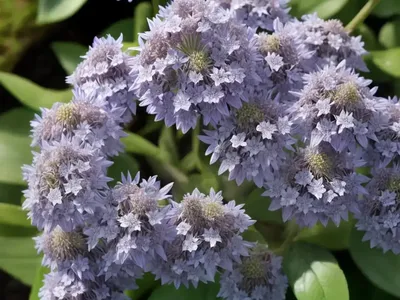
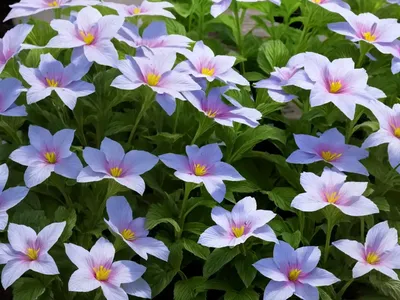
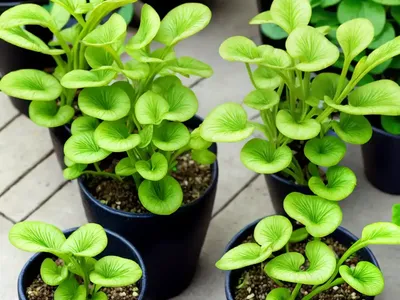
East African Cordia (Cordia Africana)
Plants are an essential part of our daily lives, providing us with food, medicine, and materials for various uses. Among the multitude of plant species.
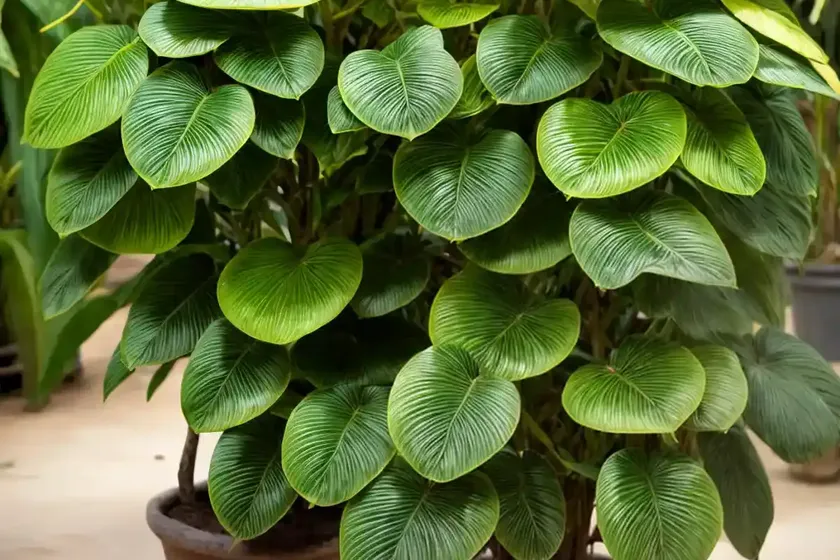
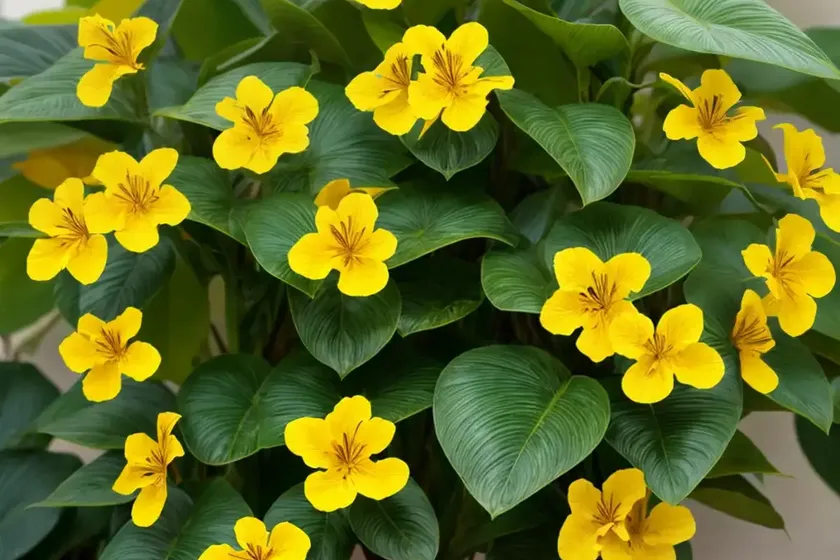
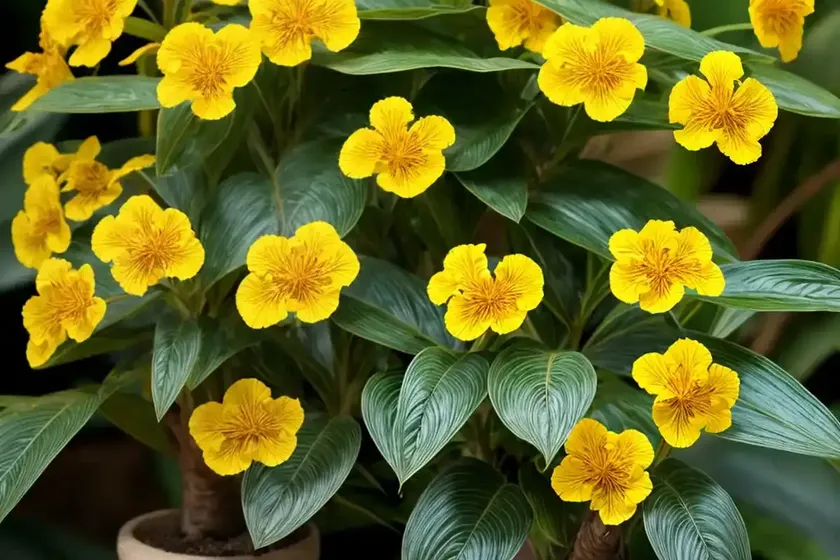
Plants are an essential part of our daily lives, providing us with food, medicine, and materials for various uses. Among the multitude of plant species, the East African Cordia, scientifically known as Cordia africana, holds significant cultural, medicinal, and ecological importance. In this comprehensive guide, we will explore the characteristics, uses, cultivation, and conservation of Cordia africana, delving into its habitat, growth conditions, traditional uses, and much more.
What is the East African Cordia (Cordia africana)?
Cordia africana is a species of flowering plant in the borage family, Boraginaceae. It is commonly known as East African Cordia or Mkwatia in Swahili. This plant is native to East Africa, where it is found in countries such as Kenya, Tanzania, Uganda, and Ethiopia. Cordia africana is a medium-sized deciduous tree that can reach heights of up to 25 meters. It is characterized by its distinctive, rough bark, and large, glossy leaves.
Cordia africana Characteristics
- Scientific Name: Cordia africana
- Family: Boraginaceae
- Common Names: East African Cordia, Mkwatia
- Habitat: East Africa
- Height: Up to 25 meters
- Bark: Rough
- Leaves: Large and glossy
Key Takeaways – East African Cordia (Cordia africana)
Before we delve into the specifics of cultivating and caring for the East African Cordia, it’s essential to understand the key takeaways associated with this remarkable plant. From its cultural significance to ecological role, here are the key points to keep in mind:
- Cultural Significance: Cordia africana holds cultural significance in East Africa, with various traditional uses and folklore associated with it.
- Medicinal Uses: The plant has a wide array of medicinal uses, and its parts are utilized in traditional medicine for treating various ailments.
- Ecological Importance: In its native habitat, Cordia africana plays a crucial role in the ecosystem, supporting biodiversity and ecological balance.
- Conservation Concerns: Due to factors such as habitat loss and overexploitation, the species faces conservation challenges, necessitating sustainable management and conservation strategies.
- Growth Conditions: Understanding the specific growth requirements of Cordia africana is essential for successfully cultivating and maintaining this species.
Culture
Cordia africana holds a significant place in the culture of East African communities. The plant is deeply embedded in traditional practices, folklore, and daily life, with various cultural uses and beliefs surrounding it.
Medicinal and Traditional Uses
The medicinal properties of Cordia africana have been recognized and utilized by indigenous communities for generations. Various parts of the plant, including the bark, leaves, and roots, are used in traditional medicine to treat a range of ailments. It is believed to have properties that can aid in the treatment of conditions such as fever, stomach ailments, and skin disorders. The plant also holds cultural significance, featuring in rituals, ceremonies, and traditional healing practices.
Ethnobotanical Importance
In addition to its medicinal uses, Cordia africana holds ethnobotanical significance, with its various uses and adaptations forming an integral part of the local knowledge and traditions. Its role in indigenous knowledge systems and traditional practices makes it a plant of great cultural value.
Folklore and Myths
Like many plants deeply intertwined with local culture, Cordia africana is surrounded by folklore and myths. Stories and beliefs related to the tree have been passed down through generations, adding to its cultural richness and significance.
Uses
The uses of Cordia africana are diverse, ranging from medicinal applications to its role in landscape design and wood uses.
Medicinal Uses
One of the most notable uses of Cordia africana is in traditional medicine. The plant’s parts are used to prepare remedies for various health conditions, showcasing its pharmacological potential and traditional healing properties.
Wood Uses
The wood of Cordia africana is valued for its quality and is utilized in woodworking and furniture making. It is known for its durability and aesthetic appeal, making it a sought-after material for various applications.
Landscape Design
In addition to its cultural and medicinal uses, Cordia africana has the potential for landscape design and urban greening. Its attractive foliage and flowering make it a desirable choice for ornamental planting in gardens, parks, and urban spaces.
Water
Proper water management is crucial for the healthy growth and development of Cordia africana. Understanding the water requirements of the plant is essential for ensuring optimal health and vigor.
Watering Needs
Cordia africana thrives in well-drained soil and is relatively drought-tolerant once established. However, adequate watering, especially during the establishment phase, is essential to promote healthy root development and overall growth. It is important to strike a balance, avoiding waterlogged conditions while ensuring the plant receives sufficient moisture, particularly during dry periods.
Sunlight
As with most plants, sunlight plays a pivotal role in the growth and development of Cordia africana. Understanding its sunlight requirements is crucial for optimal cultivation.
Sun Exposure
Cordia africana is considered a sun-loving plant and thrives in full sunlight. It requires at least 6-8 hours of direct sunlight daily to support healthy growth and flowering. When selecting a planting location, it is important to choose a site that receives ample sunlight throughout the day to ensure the plant’s vitality.
Fertilizer
Proper fertilization can significantly impact the growth and overall health of Cordia africana. Understanding the plant’s fertilizer needs is essential for providing the necessary nutrients for robust growth.
Fertilization Requirements
When it comes to fertilizing Cordia africana, a balanced, slow-release fertilizer can be beneficial. Applying a complete, well-balanced fertilizer in the early spring can provide the necessary nutrients for healthy growth and flowering. It is important to follow the recommended application rates and avoid over-fertilization, which can lead to excessive foliage at the expense of flowering.
Organic Amendments
In addition to commercial fertilizers, organic amendments such as compost or well-rotted manure can be beneficial for enriching the soil and providing a steady supply of nutrients to the plant. Organic matter aids in improving soil structure and fertility, supporting the overall health of Cordia africana.
Soil
The soil composition and quality play a vital role in the successful cultivation of Cordia africana. Understanding the plant’s soil preferences is essential for providing an optimal growing environment.
Soil Type
Cordia africana thrives in well-drained, fertile soil with a slightly acidic to neutral pH. It is important to avoid waterlogged or compacted soil, as this can lead to root rot and other issues. Loamy, well-draining soils are well-suited for the plant, providing a favorable growing medium for healthy root development and overall growth.
Soil Amendments
In instances where the soil does not meet the ideal growing conditions, amendments such as organic matter, sand, or perlite can be incorporated to improve drainage and soil structure. Amending the soil prior to planting can create a more conducive environment for Cordia africana to thrive.
Pruning
Pruning is an essential aspect of plant maintenance and can positively impact the growth, shape, and flowering of Cordia africana. Understanding the principles of pruning is crucial for effective plant care.
Pruning Objectives
When it comes to Cordia africana, pruning serves several purposes, including the removal of dead or diseased branches, shaping the plant for aesthetic purposes, and promoting vigorous growth. Regular pruning can help maintain the tree’s form and structure while encouraging the development of new growth.
Pruning Techniques
Pruning should be carried out with sharp, clean tools to ensure precise cuts and minimize the risk of damage or disease. Removing dead or crossing branches, as well as controlling the overall size of the plant, are important aspects of Cordia africana pruning.
Propagation
The propagation of Cordia africana can be achieved through various methods, allowing for the production of new plants for landscaping, conservation, and traditional uses.
Seed Propagation
Propagation from seeds is a common method for Cordia africana. The collection of mature seeds and their subsequent sowing in a suitable growing medium can lead to the development of new plants. Seed propagation offers a cost-effective means of producing a larger number of plants.
Vegetative Propagation
Additionally, Cordia africana can be propagated through vegetative means, such as hardwood cuttings or air layering. These methods can be particularly useful for retaining the traits of specific cultivars or varieties.
Container
Cordia africana can also be grown in containers, making it a versatile option for urban gardening, patio planting, and ornamental use in confined spaces.
Container Selection
When choosing a container for growing Cordia africana, it is essential to select a sizable pot with adequate drainage holes to ensure proper moisture management. Container size should allow for sufficient root development and overall growth of the plant.
Growing Medium
A well-draining, nutrient-rich growing medium is crucial for container-grown Cordia africana. A mix of high-quality potting soil, perlite, and organic matter can provide an optimal growing environment for the plant.
Care Considerations
Container-grown Cordia africana may require more frequent watering and fertilization compared to plants grown in the ground. Additionally, monitoring for root congestion and providing adequate space for growth are important considerations for successful container cultivation.
Popularity
The East African Cordia, Cordia africana, has gained popularity for its diverse uses, ecological significance, and cultural value. Its distinctive characteristics, coupled with its wide-ranging applications, contribute to its growing popularity in various contexts.
Ornamental Value
Cordia africana’s attractive foliage and showy flowers contribute to its appeal as an ornamental plant for gardens, parks, and urban landscapes. Its ability to thrive in diverse climatic conditions adds to its popularity as an ornamental tree.
Medicinal Significance
The plant’s traditional uses and medicinal properties have garnered attention, leading to increased interest in its cultivation and conservation for medicinal purposes. Its pharmacological potential and ethnobotanical importance contribute to its popularity in the field of ethnopharmacology.
Common Diseases
Like all plants, Cordia africana is susceptible to certain diseases that can affect its overall health and vigor. Understanding these diseases and their management is crucial for effective plant care.
Fungal Diseases
Fungal pathogens such as powdery mildew and leaf spot diseases can affect Cordia africana, leading to symptoms such as leaf discoloration, wilting, and decreased vigor. Proper sanitation and the use of fungicidal treatments can aid in managing these fungal diseases.
Bacterial Infections
Bacterial diseases, including bacterial leaf spot and crown gall, can pose challenges to the health of Cordia africana. Implementing preventive measures such as proper watering and sanitation can help mitigate the impact of bacterial infections.
Disease Diagnosis
Diagnosing plant diseases is a critical aspect of disease management and requires a keen understanding of the symptoms and signs associated with specific pathogens.
Symptom Recognition
Recognizing symptoms such as leaf discoloration, lesions, and wilting can provide valuable insights into the potential diseases affecting Cordia africana. Documenting and identifying these symptoms is essential for accurate diagnosis.
Laboratory Analysis
In cases where the cause of the disease is unclear, laboratory analysis of plant samples can aid in the identification of specific pathogens, contributing to effective disease management strategies.
Common Pests
In addition to diseases, Cordia africana may also face challenges from various pests that can impact its growth and overall health. Understanding these pests and their management is pivotal for plant care.
Insect Pests
Insect pests such as aphids, caterpillars, and scales can infest Cordia africana, leading to leaf damage and reduced vigor. Implementing pest monitoring and using targeted control measures can help manage insect infestations.
Botanist’s Tips
As a plant of significant ecological, cultural, and medicinal importance, Cordia africana benefits from the application of specific care and cultivation practices. Here are some tips from a botanist’s perspective to ensure the optimal growth and well-being of this remarkable plant:
1. Understanding Local Adaptations
Cordia africana’s native habitat and adaptations hold valuable insights for its successful cultivation. Understanding its ecological niche and local adaptations can inform effective care and management practices.
2. Integration of Traditional Knowledge
Integrating traditional knowledge and practices into the conservation and cultivation of Cordia africana can contribute to its sustainable use and preservation of cultural heritage.
3. Sustainability in Cultivation
Emphasizing sustainable cultivation practices, including ethical sourcing of plant material and conservation-aware propagation, is essential for the long-term viability of Cordia africana.
4. Supporting Biodiversity
Promoting the presence of Cordia africana in diverse ecosystems can contribute to the overall resilience and biodiversity of natural landscapes, ensuring its ecological role and significance.
Fun Facts
Delving into the realm of plant science often unveils intriguing and lesser-known facts about the botanical world. Here are some fun and fascinating facts about Cordia africana:
- The bark of Cordia africana is used in traditional medicine for its potential antipyretic and anti-inflammatory properties.
- Cordia africana has been utilized in agroforestry systems, contributing to soil conservation and diversification of agricultural landscapes.
- The distinctive, bell-shaped flowers of Cordia africana attract pollinators, contributing to its ecological role in supporting native wildlife.
- The wood of Cordia africana is valued for its applications in carving, construction, and musical instruments, showcasing its versatility and utility.
Links to External Resources
For further exploration and in-depth information on Cordia africana, the following external resources are valuable references:
- Ethnobotanical Research on Cordia africana
- Medicinal Uses and Pharmacological Potential
- Conservation Strategies for Endangered Species
- Cultural Significance and Traditional Practices
- Ecological Role and Biodiversity Conservation
In conclusion, the East African Cordia (Cordia africana) stands as a plant of immense significance, embodying cultural, medicinal, and ecological value. Its diverse uses, traditional knowledge, and conservation importance underscore the need for informed cultivation practices and conservation efforts. By understanding the growth conditions, traditional uses, and overarching significance of Cordia africana, we can ensure the preservation and sustainable management of this remarkable plant for generations to come.
Plant Name: East African Cordia (Cordia africana)
Keywords used: “Cordia africana characteristics, East African Cordia plant, Cordia africana medicinal uses, East African Cordia tree, Cordia africana distribution, East African Cordia species, Cordia africana wood uses, East African Cordia habitat, Cordia africana growth conditions, East African Cordia cultivation, Cordia africana ecological importance, East African Cordia conservation, Cordia africana traditional medicine, East African Cordia ethnobotany, Cordia africana endangered status, East African Cordia landscape design, Cordia africana gardening tips, East African Cordia ecology, Cordia africana timber properties, East African Cordia natural resources, Cordia africana sustainable harvesting, East African Cordia ethnopharmacology, Cordia africana traditional uses, East African Cordia adaptations, Cordia africana plant family, East African Cordia ethnobotanical research, Cordia africana ethnopharmacological studies, East African Cordia anatomy, Cordia africana ethnobotanical conservation, East African Cordia plant physiology, Cordia africana traditional knowledge, East African Cordia local uses, Cordia africana conservation strategies, East African Cordia traditional remedies, Cordia africana ethnobotanical importance, East African Cordia plant biology, Cordia africana indigenous knowledge, East African Cordia plant propagation, Cordia africana traditional healing, East African Cordia ethnobotanical practices, Cordia africana ecological role, East African Cordia sustainable management, Cordia africana ethnobotanical uses, East African Cordia traditional medicine practices, Cordia africana traditional ecological knowledge, East African Cordia plant conservation, Cordia africana traditional resource management, East African Cordia medicinal properties, Cordia africana folklore and myths, East African Cordia sustainable use”