Garlic Vine (Mansoa Alliacea)
Garlic vine, scientifically known as Mansoa alliacea, is a stunning flowering plant with a mesmerizing fragrance reminiscent of garlic. This climbing vine.
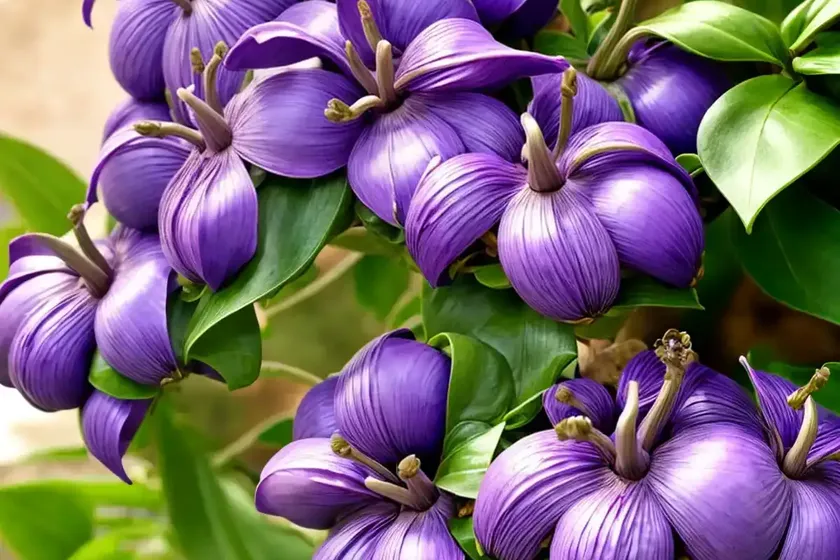
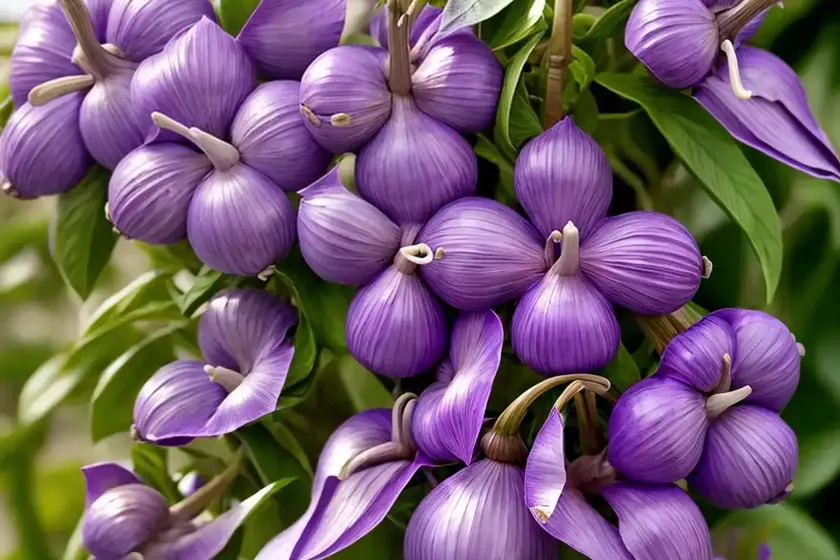
Garlic vine, scientifically known as Mansoa alliacea, is a stunning flowering plant with a mesmerizing fragrance reminiscent of garlic. This climbing vine is native to the tropical regions of Central and South America, where it is revered for its ornamental beauty and medicinal properties. In this comprehensive guide, we will delve into the various aspects of growing and caring for the Garlic vine, including its cultural significance, uses, ideal growing conditions, and common diseases and pests.
Plant Name: Garlic Vine (Mansoa Alliacea)
Introduction
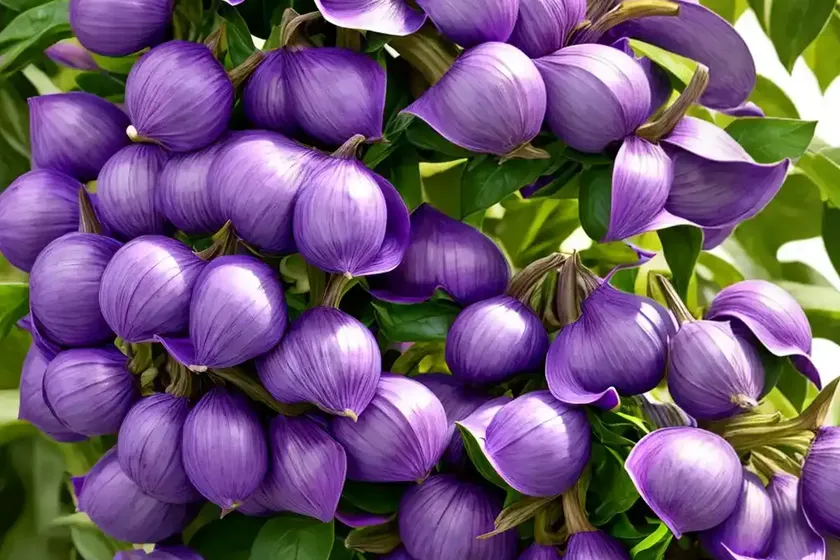
The Garlic Vine, known botanically as Mansoa Alliacea, is a fascinating plant renowned for its aromatic and medicinal qualities. It is a member of the Bignoniaceae family and is native to Central and South America. The name “Garlic Vine” is derived from the strong garlic-like odor emitted by its leaves and flowers. It is a climbing vine that adorns gardens with its clusters of small, tubular, lavender to purple flowers and bright green leaves.
Key Takeaways
Before we delve into the specifics of cultivating and caring for the Garlic Vine, let’s explore some key takeaways about this remarkable plant:
- Botanical Name: Mansoa Alliacea
- Common Name: Garlic Vine, Ajos Sacha
- Family: Bignoniaceae
- Native Region: Central and South America
- Fragrance: Strong garlic-like odor
- Climbing Plant: Exhibits vining and climbing habits
- Medicinal Qualities: Known for its medicinal properties in traditional herbal medicine
- Ornamental Value: Admired for its attractive flowers and foliage
- Cultural Significance: Used in traditional ceremonies and rituals in its native regions
Now that we have a foundational understanding of the Garlic Vine, let’s delve deeper into its cultivation, uses, and care requirements.
All about Garlic Vine (Mansoa Alliacea)
Culture
Uses
The Garlic Vine has been traditionally used for various purposes due to its aromatic and medicinal properties. Some common uses include:
- Medicinal Purposes: Used in traditional medicine to treat respiratory and digestive ailments, skin conditions, and as a natural insect repellent.
- Ornamental Value: Admired for its beautiful flowers and foliage, making it a popular choice for ornamental gardening.
- Cultural Significance: Utilized in traditional ceremonies and rituals in regions where it is native.
Water
Proper watering is crucial for the healthy growth of Garlic Vine. Here are some essential watering tips for this plant:
- Moderate Watering: Garlic Vine thrives in moderately moist soil. Ensure that the soil is well-drained to prevent waterlogging, which can lead to root rot.
- Consistent Moisture: Maintain consistent moisture levels, especially during the growing season. Avoid allowing the soil to dry out completely between waterings.
Sunlight
Garlic Vine thrives in full to partial sunlight, making it well-suited for various garden settings. Here are some sunlight requirements for this plant:
- Full Sun: Ideally, provide the Garlic Vine with at least 6-8 hours of direct sunlight daily for optimal growth and flowering.
- Partial Shade: While it prefers full sun, it can also tolerate partial shade, especially in regions with intense sunlight.
Fertilizer
Proper fertilization can significantly enhance the growth and flowering of Garlic Vine. Consider the following fertilizer recommendations:
- Balanced Fertilizer: Use a balanced, water-soluble fertilizer with an NPK ratio of 10-10-10 or similar, applied during the growing season.
- Frequency: Apply fertilizer monthly during the growing season to support healthy growth and prolific flowering.
Soil
Garlic Vine thrives in well-draining, nutrient-rich soil. Consider the following soil requirements for this plant:
- Well-Draining Soil: Ensure that the soil provides good drainage to prevent waterlogging, which can be detrimental to the plant’s health.
- Rich in Organic Matter: Amend the soil with organic matter such as compost or well-rotted manure to enhance its fertility and texture.
Pruning
Pruning is essential for maintaining the shape and health of Garlic Vine, especially when grown as a climbing vine. Here are some pruning tips:
- Regular Pruning: Trim back overgrown or tangled growth to maintain a tidy and well-managed appearance.
- Deadheading: Remove spent flowers to promote continuous blooming and prevent self-seeding in garden settings.
Propagation
Garlic Vine can be propagated through various methods, including stem cuttings and seeds. Consider the following propagation tips:
- Stem Cuttings: Propagation via stem cuttings is a reliable and efficient method. Take 4-6 inch cuttings from healthy stems and root them in a well-draining potting mix.
- Seed Propagation: While viable seeds are less readily available, they can be sown in a well-prepared seed-starting mix for propagation.
Container Popularity
Due to its climbing nature and ornamental value, Garlic Vine is a popular choice for container gardening. Consider the following tips for growing Garlic Vine in containers:
- Climbing Support: Provide a sturdy trellis or support structure for the vine to climb and thrive in a container setting.
- Well-Draining Containers: Use containers with drainage holes to ensure proper drainage and prevent waterlogging.
Common Diseases
Like all plants, Garlic Vine is susceptible to certain diseases and pests. Here are some common diseases that may affect this plant:
- Powdery Mildew: This fungal disease can manifest as powdery white patches on the foliage, leading to leaf distortion and reduced plant vigor.
- Leaf Spot: Fungal and bacterial leaf spot diseases can cause dark, water-soaked spots on the foliage, potentially leading to defoliation if severe.
Disease Diagnosis
Proper diagnosis and timely intervention are crucial for managing plant diseases effectively. Here are some tips for diagnosing diseases in Garlic Vine:
- Visual Inspection: Regularly inspect the foliage for any signs of discoloration, spots, or powdery growth.
- Consultation: If unsure about the disease symptoms, seek guidance from local agricultural extension services or horticultural experts.
Common Pests
While Garlic Vine is relatively resistant to pests, it may occasionally encounter pest issues. Here are some common pests that may affect this plant:
- Aphids: These small, sap-sucking insects can infest the foliage, causing yellowing, distortion, and stunted growth.
- Spider Mites: These tiny arachnids can cause stippling and webbing on the foliage, leading to reduced plant vigor.
Botanist’s Tips
As a plant scientist, I would like to offer some additional tips for successfully cultivating and caring for Garlic Vine:
- Beneficial Garden Insects: Encourage the presence of beneficial insects such as ladybugs and lacewings to naturally manage pest populations in the garden.
- Companion Planting: Consider companion planting with aromatic herbs and flowers to enhance the overall health and vigor of the garden ecosystem.
Fun Facts
To further appreciate the beauty and significance of Garlic Vine, here are some intriguing fun facts about this remarkable plant:
- Cultural Significance: In its native regions, Garlic Vine holds cultural significance and is often utilized in traditional rituals and ceremonies.
- Wildlife Interaction: The flowers of Garlic Vine attract pollinators such as bees and butterflies, contributing to the biodiversity of garden ecosystems.
Links to External Resources
For further reading and in-depth information about Garlic Vine, explore the following external resources:
- Mansoa Alliacea: A Review on Traditional Uses, Chemical and Biological Properties
- Ornamental Plants: Types of Ornamental Plants
- Medicinal Plants: Medicinal Plants and Their Uses
Conclusion
In conclusion, Garlic Vine (Mansoa Alliacea) is a remarkable plant with ornamental beauty and valuable medicinal properties. From its traditional uses in herbal medicine to its role as an ornamental climber, this plant holds a special place in horticulture and traditional cultures. By understanding its cultural significance, ideal growing conditions, and effective care strategies, we can fully appreciate and harness the potential of this extraordinary vine. Whether grown for its aromatic foliage, delicate flowers, or herbal remedies, Garlic Vine continues to captivate plant enthusiasts and herbalists alike with its many virtues.
As we continue to explore the diverse world of plants, it is essential to embrace the cultural and ecological significance of species such as Garlic Vine, recognizing their contributions to our well-being and the beauty they bestow upon our gardens and natural landscapes.
By integrating traditional knowledge with scientific insights, we can further unlock the potential of plants like Garlic Vine, enriching our lives and the natural world in which they thrive.
Disclaimer: The suggestions and tips provided in this article are based on general knowledge and should be adapted to specific growing conditions and individual plant requirements. Always consult local gardening experts for advice tailored to your unique garden environment.