Fynbos Aloe (Aloe Succotrina)
Welcome to the ultimate guide on how to care for the Fynbos Aloe, also known as Aloe succotrina. This unique and beautiful plant is a true gem, and.
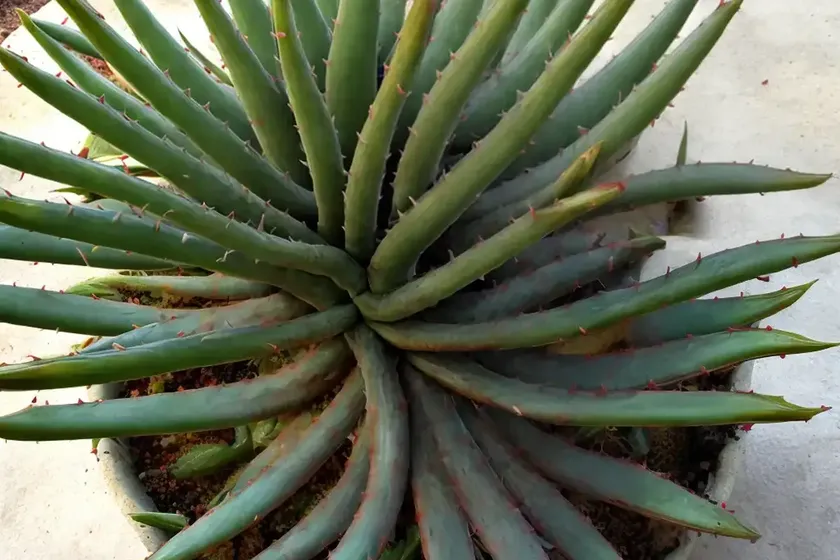
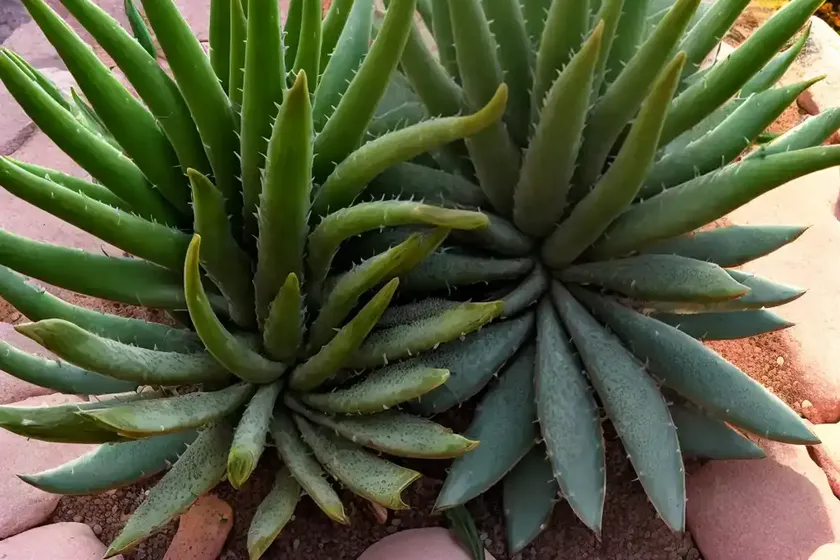
Welcome to the ultimate guide on how to care for the Fynbos Aloe, also known as Aloe succotrina. This unique and beautiful plant is a true gem, and understanding its culture, uses, and care requirements is essential for any plant enthusiast, gardener, or botanist. In this comprehensive guide, we will explore the various aspects of Fynbos Aloe, from its cultural significance to its propagation methods, and everything in between. Let’s delve into the fascinating world of Fynbos Aloe and learn how to cultivate and care for this remarkable species.
What is Fynbos Aloe (Aloe succotrina)?
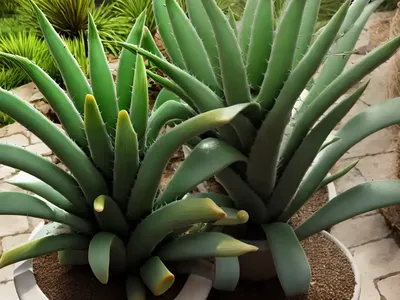
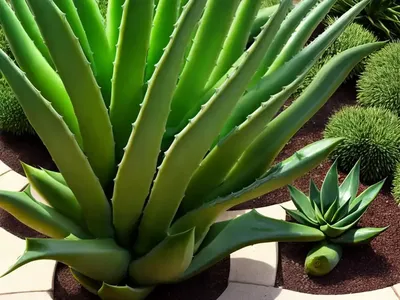
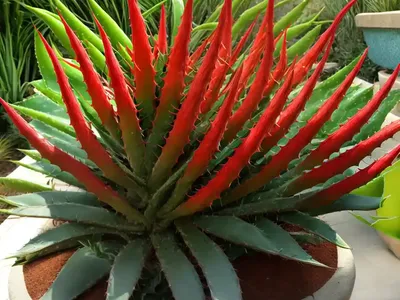
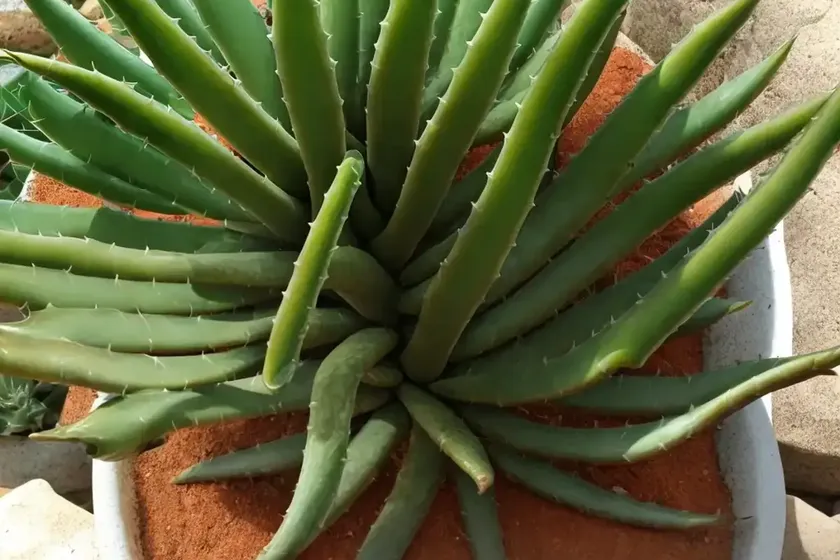
The Fynbos Aloe, scientifically known as Aloe succotrina, is a species of aloe indigenous to South Africa. It belongs to the family Asphodelaceae and is characterized by its unique triangular, fleshy leaves and vibrant orange-red flowers. This plant is a part of the diverse and ecologically significant Fynbos biome, which is renowned for its rich floral biodiversity and unique plant species. The Fynbos Aloe is a perennial succulent that thrives in arid and semi-arid conditions, making it a valuable addition to xeriscapes and drought-tolerant landscapes.
Four Major Fynbos Aloe Species
| Species Name | Description |
|---|---|
| Aloe arborescens | Large, multi-branched shrub with grey-green leaves and vibrant red-orange tubular flowers. |
| Aloe ferox | Single-stemmed succulent with spiny-edged leaves and striking orange flowers in winter. |
| Aloe brevifolia | Low-growing species with densely packed rosettes of blue-green leaves and coral-like flowers. |
| Aloe succotrina | Triangular, fleshy leaves and vibrant orange-red flowers, typically reaching 1-2 feet in height. |
Key Takeaways – Fynbos Aloe (Aloe succotrina)
Before we delve into the detailed care guide for Fynbos Aloe, let’s take a quick look at the key takeaways that will be covered in this comprehensive plant care guide:
- Types of Fynbos Aloe
- Aloe Succotrina Plant
- Characteristics of Fynbos Aloe
- Aloe succotrina Species
- Fynbos Aloe Care Guide
- Growing Aloe Succotrina
- Fynbos Aloe Cultivation Tips
- Aloe succotrina Habitat
- Fynbos Aloe Uses
- Aloe succotrina Medicinal Properties
- Fynbos Aloe Garden
- Aloe succotrina Indoor Plant
- Fynbos Aloe Outdoor Plant
- Aloe succotrina Landscaping Ideas
- Fynbos Aloe Propagation Methods
- Aloe succotrina Drought Tolerance
- Fynbos Aloe Watering Needs
- Aloe succotrina Soil Requirements
- Fynbos Aloe Sunlight Preferences
- Aloe succotrina Pruning Techniques
- Fynbos Aloe Pests and Diseases
- Aloe succotrina Natural Remedies
- Fynbos Aloe Common Problems
- Aloe succotrina Growth Stages
- Fynbos Aloe Flowering Season
- Aloe succotrina Succulent Plant
- Fynbos Aloe Landscape Design
- Aloe succotrina Container Gardening
- Fynbos Aloe Companion Plants
- Aloe succotrina Wildlife Attraction
- Fynbos Aloe Endangered Species
- Aloe succotrina Biodiversity Importance
- Fynbos Aloe Indigenous Plant
- Aloe succotrina South African Plant
- Fynbos Aloe Traditional Uses
- Aloe succotrina Folklore and Legends
- Fynbos Aloe Cultural Significance
- Aloe succotrina Conservation Efforts
- Fynbos Aloe Garden Design Inspiration
- Aloe succotrina Land Restoration
- Fynbos Aloe Water-Wise Gardening
- Aloe succotrina Eco-Friendly Plant
- Fynbos Aloe Garden Maintenance
- Aloe succotrina Unique Features
- Fynbos Aloe Pollination Process
- Aloe succotrina Wildlife Habitat
- Fynbos Aloe Natural Habitat Conservation
- Aloe succotrina Rare Plant Species
- Fynbos Aloe Traditional Medicine
- Aloe succotrina Ethnobotanical Uses
These key takeaways will serve as a roadmap for understanding and implementing the comprehensive care and cultivation guide for the Fynbos Aloe.
Culture of Fynbos Aloe
The cultural significance of Fynbos Aloe extends beyond its ornamental value. In South Africa, Aloe succotrina holds a special place in indigenous folklore and traditional medicine. The plant has been used for centuries by various indigenous communities for its therapeutic properties and is considered a symbol of resilience and adaptability. Additionally, the Fynbos Aloe’s ecological importance cannot be overstated, as it plays a vital role in the biodiversity and habitat conservation efforts in the Fynbos biome.
Indigenous Uses and Folklore
Indigenous Uses: Fynbos Aloe has a long history of traditional medicinal use in South Africa. The sap of the plant, often referred to as “bitter aloe,” has been utilized for its healing properties, including the treatment of wounds, skin conditions, and digestive disorders. The gel-like substance found in the leaves is also used in various cosmetic and skincare products due to its moisturizing and soothing qualities.
Folklore and Legends: The Fynbos Aloe is deeply embedded in indigenous folklore, with stories and myths portraying the plant as a symbol of protection, healing, and endurance. In many cultures, Aloe succotrina is associated with notions of resilience and vitality, often serving as an emblem of strength and adaptability in challenging environments.
Uses of Fynbos Aloe
The uses of Fynbos Aloe are diverse and multifaceted, ranging from traditional medicine and cultural practices to ornamental landscaping and ecological restoration. Understanding the various applications of this remarkable plant is essential for appreciating its value and significance in different contexts.
Medicinal Properties
As mentioned earlier, Fynbos Aloe possesses significant medicinal properties, with its sap and gel being utilized for their therapeutic benefits. The plant’s natural anti-inflammatory, antibacterial, and skin-rejuvenating properties make it a valuable ingredient in traditional medicine and modern skincare products.
Landscaping and Gardening
In horticulture and landscaping, Fynbos Aloe is highly prized for its ornamental value. The striking flowers and distinctive foliage make it a popular choice for water-wise gardens, xeriscapes, and succulent arrangements. Its drought tolerance and low maintenance requirements further contribute to its appeal as a landscaping plant.
Ecological Restoration
Given its resilience and ability to thrive in harsh environmental conditions, Fynbos Aloe plays a crucial role in ecological restoration and conservation efforts. The plant’s extensive root system and ability to withstand arid climates make it an ideal candidate for stabilizing soil, creating wildlife habitats, and promoting biodiversity in degraded landscapes.
Fynbos Aloe (Aloe succotrina) Care Guide
Now that we have gained a deeper understanding of the cultural significance and uses of Fynbos Aloe, let’s explore the essential care requirements for cultivating and nurturing this extraordinary plant. From sunlight preferences to soil requirements, we will cover each aspect in detail to ensure the successful growth and well-being of Aloe succotrina.
Water
One of the most critical aspects of Fynbos Aloe care is its water needs. As a succulent adapted to arid environments, Aloe succotrina requires well-draining soil and infrequent watering to prevent root rot and maintain its health. When watering, it is essential to allow the soil to dry out completely between waterings, especially during the plant’s dormant period in winter.
Watering Needs Checklist:
* Provide infrequent but deep watering
* Allow the soil to dry out completely between waterings
* Avoid waterlogging and stagnant moisture
Sunlight
Fynbos Aloe thrives in bright, indirect light and is well-suited for sunny, well-lit areas both indoors and outdoors. When grown in containers, it is important to ensure that the plant receives sufficient sunlight to promote optimal growth and flowering. Outdoors, Aloe succotrina benefits from partial to full sun exposure, provided that the soil has adequate drainage to prevent excessive moisture around the roots.
Sunlight Preferences Checklist:
* Place the plant in a well-lit area with bright, indirect sunlight
* Provide partial to full sun exposure outdoors
* Ensure adequate drainage to prevent root damage from intense sunlight
Fertilizer
While Aloe succotrina is relatively low-maintenance, occasional fertilization can support its growth and overall health. A balanced, water-soluble fertilizer formulated for succulents can be applied sparingly during the plant’s active growing season in spring and summer. It is important to dilute the fertilizer to half or quarter strength to avoid nutrient imbalances and minimize the risk of fertilizer burn.
Fertilizer Recommendations:
* Use a balanced, water-soluble fertilizer for succulents
* Apply fertilizer sparingly during the active growing season
* Dilute the fertilizer to half or quarter strength to prevent nutrient imbalances
Soil
The right soil mix is crucial for the well-being of Fynbos Aloe, as it directly impacts the plant’s drainage, aeration, and nutrient uptake. A well-draining, sandy soil mix enriched with perlite or coarse sand is ideal for Aloe succotrina, mimicking the arid conditions of its natural habitat. Additionally, ensuring that the container or planting site has adequate drainage holes is essential for preventing waterlogged soil.
Soil Requirements Checklist:
* Use a well-draining, sandy soil mix
* Incorporate perlite or coarse sand for improved aeration and drainage
* Ensure the presence of adequate drainage holes in containers or planting sites
Pruning
Pruning Fynbos Aloe is primarily focused on the removal of withered or dead leaves and spent flower stalks. This not only enhances the plant’s appearance but also promotes air circulation and reduces the risk of fungal diseases. When pruning Aloe succotrina, it is important to use clean, sharp tools to minimize damage to the plant and prevent the spread of infections.
Pruning Techniques:
* Remove withered or dead leaves on a regular basis
* Trim spent flower stalks to maintain the plant’s appearance
* Use clean, sharp tools to minimize damage and prevent infections
Propagation
Aloe succotrina can be propagated through offsets, also known as “pups,” which are the new plantlets that develop around the base of the parent plant. These offsets can be carefully removed and replanted in separate containers to establish new Aloe succotrina specimens. Propagation through seeds is also possible but requires patience and attention to specific germination requirements.
Propagation Methods:
* Propagate Aloe succotrina through offsets or “pups”
* Carefully remove and replant the offsets in separate containers
* Consider propagation from seeds with attention to germination requirements
Container Popularity
The popularity of growing Fynbos Aloe in containers is driven by its versatility, aesthetic appeal, and suitability for indoor and outdoor environments. Aloe succotrina is well-suited to container gardening, making it an excellent choice for balconies, patios, and indoor displays. The plant’s low water requirements and striking foliage make it an attractive addition to container gardens and succulent arrangements.
Container Gardening Benefits:
* Versatile and suitable for indoor and outdoor environments
* Ideal for balconies, patios, and indoor displays
* Adds aesthetic appeal to container gardens and succulent arrangements
Common Diseases
Despite its adaptability and resilience, Fynbos Aloe is susceptible to certain diseases, particularly those caused by fungal pathogens. Understanding the common diseases that affect Aloe succotrina and being proactive in prevention and management are essential for maintaining the plant’s health and vitality.
Disease Diagnosis
Anthracnose: This fungal disease presents as dark, sunken lesions on the leaves of Fynbos Aloe, often accompanied by a soft, mushy texture and discoloration. It is typically caused by excessive moisture and poor air circulation.
Root Rot: Excessive watering and waterlogged soil can lead to root rot in Aloe succotrina, characterized by mushy, discolored roots and wilting foliage. Preventing overwatering and improving drainage are crucial for disease management.
Leaf Spot: Leaf spot diseases manifest as circular, discolored lesions on the foliage of Aloe succotrina, often accompanied by yellowing or browning of the affected areas. Proper sanitation and minimizing leaf moisture can help prevent leaf spot diseases.
Common Pests
In addition to diseases, Fynbos Aloe may also encounter pests that can impact its growth and overall well-being. Identifying and addressing common pests promptly is essential for preventing damage and ensuring the plant’s continued health.
Aphids: These small, soft-bodied insects may cluster on the new growth of Aloe succotrina, feeding on plant sap and causing distortion or yellowing of the leaves. Regular monitoring and insecticidal soaps can help manage aphid infestations.
Scale Insects: Scale insects appear as tiny, raised bumps on the leaves and stems of Fynbos Aloe, often accompanied by sticky honeydew secretion. Control measures include physical removal and the application of horticultural oil to suffocate the pests.
Spider Mites: These minuscule pests can infest the undersides of Aloe succotrina leaves, causing stippling, yellowing, and webbing. Increasing humidity and using insecticidal soaps can help mitigate spider mite infestations.
Botanist’s Tips
As botanists, gardeners, and plant enthusiasts, there are several key tips to keep in mind when caring for Fynbos Aloe. Whether you are cultivating Aloe succotrina for its ornamental beauty, ecological contributions, or cultural significance, these tips can help you achieve success in growing and nurturing this remarkable plant.
Botanist’s Tips for Fynbos Aloe Care:
* Prioritize well-draining soil and careful watering to prevent root rot
* Provide adequate sunlight and consider acclimating the plant to direct sun gradually
* Use minimal fertilizer to avoid nutrient imbalances and promote natural growth
* Prune with precision and clean tools, paying attention to the plant’s natural growth pattern
* Monitor for pests and diseases regularly, addressing issues promptly to prevent spread
Fun Facts
To enrich our understanding of Fynbos Aloe and appreciate its unique characteristics, let’s explore some intriguing and lesser-known facts about Aloe succotrina.
Did You Know?
- The vibrant orange-red flowers of Fynbos Aloe serve as a magnet for pollinators, including birds and insects, contributing to the plant’s role in local ecosystems.
- In indigenous cultures, the sap of Aloe succotrina has been traditionally used to create natural dyes for textiles and crafts, showcasing its versatile utilitarian properties.
- Fynbos Aloe is classified as an endangered species in certain regions, highlighting the need for conservation efforts and sustainable cultivation practices to preserve its genetic diversity and ecological value.
Links to External Resources
Here are some valuable external resources for further exploration of Fynbos Aloe, botanical conservation, and indigenous plant uses:
- South African National Biodiversity Institute
- International Union for Conservation of Nature
- Ethnobotany and Medicinal Plants Resources
With this comprehensive guide on Fynbos Aloe (Aloe succotrina) care and cultivation, you are now equipped to embark on a rewarding journey of nurturing this exceptional South African plant. Whether you are drawn to its cultural significance, ornamental beauty, or ecological contributions, Fynbos Aloe holds a wealth of value and fascination for botanists, gardeners, and nature enthusiasts alike.
Remember to approach the care of Fynbos Aloe with attentiveness, respect for its natural habitat, and a commitment to preserving its biodiversity and cultural heritage. By integrating the insights and recommendations shared in this guide, you can embark on a fulfilling and enriching exploration of Fynbos Aloe and its profound significance in the world of plants and conservation.
Happy gardening and may your journey with Fynbos Aloe be filled with growth, beauty, and a deeper connection to the natural world!