Furry Feather (Calathea Rufibarba)
Table of Contents

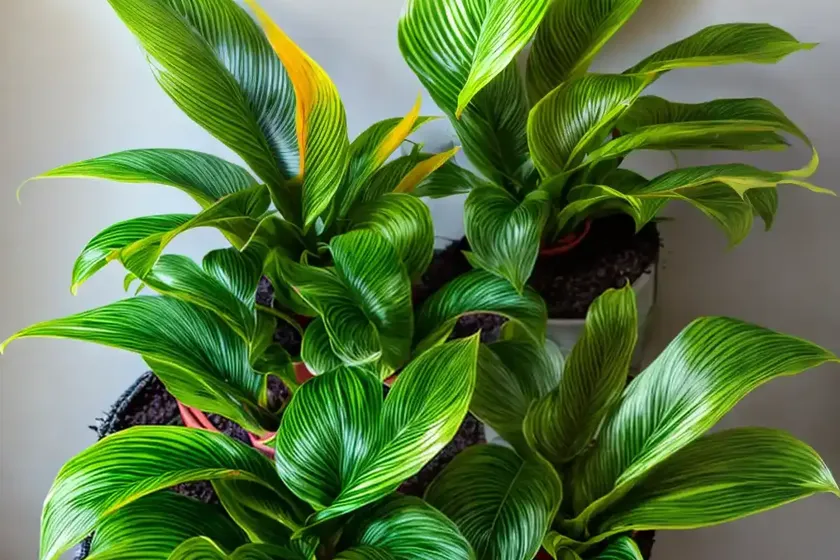
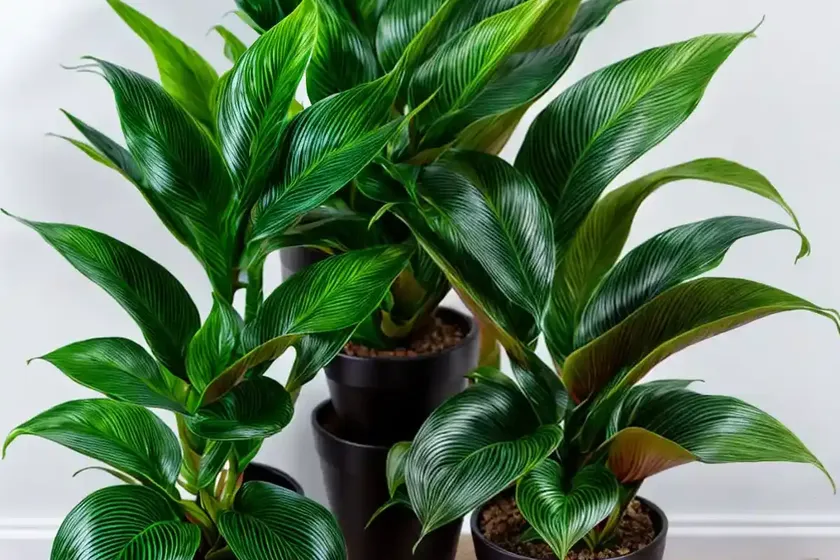
Table of Contents
- Introduction
- Culture
- Uses
- Water
- Sunlight
- Fertilizer
- Soil
- Pruning
- Propagation
- Container Popularity
- Common Diseases
- Common Pests
- Botanist’s Tips
- Fun Facts
- Links to External Resources
- Conclusion
Introduction
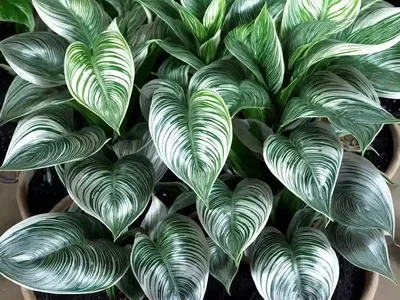
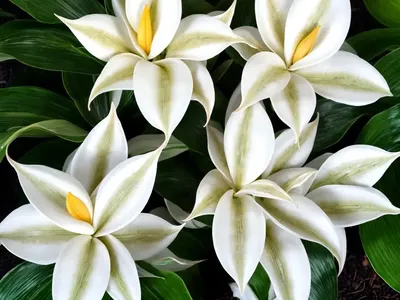
Calathea rufibarba, commonly known as the Furry Feather plant, is a striking tropical plant known for its fuzzy, elongated leaves. It belongs to the Marantaceae family and is native to Brazil. This plant is highly prized for its stunning ornamental foliage, making it a popular choice for indoor plant enthusiasts.
The Furry Feather plant is sought after for its unique appearance, making it an excellent addition to any home or office space. In this comprehensive care guide, we will delve into the key aspects of nurturing and maintaining Calathea rufibarba to ensure its optimal growth and health.
Culture
Uses
The Furry Feather plant is primarily grown for ornamental purposes due to its magnificent foliage. Its fuzzy leaves and compact growth habit make it an ideal plant for adding a touch of tropical charm to indoor spaces. Additionally, its air-purifying qualities make it a valuable asset for enhancing air quality in enclosed environments.
Water
Proper watering is crucial for the health of Calathea rufibarba. It is essential to maintain moderately moist soil, ensuring that it remains well-drained but not waterlogged. The use of distilled or filtered water at room temperature is recommended to prevent mineral buildup. During the growing season, it is advisable to water the plant when the top inch of the soil feels dry, adjusting the frequency based on environmental conditions.
Sunlight
The Furry Feather plant thrives in bright, indirect light. Exposing it to direct sunlight can lead to leaf scorching, making it crucial to shield it from intense rays. It is ideal to place the plant near east or west-facing windows, where it can receive gentle, filtered light throughout the day. Inadequate light can cause the leaves to lose their vibrancy, so it’s essential to strike a balance when selecting its placement.
Fertilizer
Proper nutrition is vital for the optimal growth of Calathea rufibarba. During the growing season, it is advisable to feed the plant with a balanced, water-soluble fertilizer every two to four weeks. Diluting the fertilizer to half-strength is recommended to prevent the risk of fertilizer burn. It is advisable to refrain from fertilizing the plant during the dormant winter months when its growth rate slows down.
Soil
The Furry Feather plant thrives in a well-draining, peat-based potting mix that retains moisture while allowing excess water to drain away. A mix comprising peat, perlite, and pine bark provides an ideal medium for the plant’s growth. It is essential to maintain a slightly acidic to neutral soil pH of 6.0 to 7.0 to ensure the plant’s nutrient uptake and overall vitality.
Pruning
Regular pruning is necessary to maintain the Furry Feather plant’s lush appearance and prevent the accumulation of dead or damaged foliage. Trimming away yellowing or brown leaves and spent flower spikes promotes overall plant health. Additionally, occasional removal of leggy or straggly growth helps to encourage compact, bushy growth and enhances the plant’s aesthetic appeal.
Propagation
Calathea rufibarba can be propagated through division, making it possible to create new plants from the existing root system. During the plant’s active growth phase, the roots can be carefully divided, and the resulting segments can be potted in suitable growing conditions to facilitate new growth. It’s essential to ensure that each division has adequate roots and foliage to support its successful establishment.
Container Popularity
The Furry Feather plant is commonly cultivated in decorative containers, adding a touch of elegance to indoor spaces. Its compact growth habit makes it well-suited for smaller pots, appropriate for showcasing its foliage. Additionally, the use of decorative or ornate containers enhances the plant’s overall visual appeal, making it an enchanting addition to any interior setting.
Common Diseases
Calathea rufibarba is susceptible to common plant diseases such as leaf spot and root rot, which can arise from overwatering or poor air circulation. Leaf spot manifests as dark, water-soaked lesions on the foliage, while root rot leads to wilting and yellowing of the leaves. It is crucial to maintain proper watering practices and provide adequate ventilation to mitigate the risk of these diseases.
Common Pests
The Furry Feather plant is vulnerable to pests such as spider mites, aphids, and mealybugs. These pests can cause damage to the plant by feeding on its foliage and sap, leading to wilting and stunted growth. Regular inspection of the plant and prompt intervention through insecticidal soap or neem oil applications can help prevent and manage pest infestations effectively.
Botanist’s Tips
- Humidity Regulation: Providing ample humidity is essential for the Furry Feather plant’s well-being. Mist the plant’s foliage regularly or place it on a tray of pebbles and water to maintain a humid microclimate around the plant.
- Seasonal Care: Adjust your care routine based on the seasonal variations in light, temperature, and humidity to ensure that the plant’s requirements are met throughout the year.
- Pest Prevention: Regularly inspect the plant for signs of pest infestations and intervene promptly to prevent widespread damage. Healthy plants are more resilient against pest attacks.
- Grooming: Regularly remove debris and dust from the plant’s leaves to promote unimpeded respiration and foster a clean, vibrant appearance.
Fun Facts
- The Furry Feather plant is known for its unique trait of “praying” at night, as its leaves fold upright, resembling hands in prayer, and unfurl during the day.
- Its botanical name, Calathea rufibarba, is derived from the Latin words “calath” meaning basket and “rufus” meaning reddish-brown, pertaining to the plant’s appearance.
Links to External Resources
- House Plant Shop – Calathea Rufibarba Care Guide
- The Spruce – Growing Prayer Plant (Maranta)
- American Horticultural Society – Growing Plants Indoors
- Missouri Botanical Garden – Plant Finder: Calathea Rufibarba
Conclusion
The Furry Feather plant (Calathea rufibarba) is an exquisite addition to any indoor space, offering a mesmerizing display of fuzzy foliage. By adhering to the recommended cultural practices and understanding the plant’s specific needs, enthusiasts can nurture and showcase this captivating plant with confidence. Whether you are a seasoned plant enthusiast or a novice plant parent, the Furry Feather plant’s unique characteristics and low-maintenance care requirements make it a delightful choice for enhancing the aesthetic appeal of interior environments.
By following the insights provided in this care guide and leveraging the reliable resources shared, you can embark on a gratifying journey of tending to the Furry Feather plant, reaping the rewards of its lush, vibrant presence within your home or office environment. With a blend of attentive care and admiration for its natural beauty, the Furry Feather plant is sure to captivate and inspire a deep appreciation for the wonders of the botanical world.